

Air fryer accessories multiply fast once you start browsing, and three of the most popular add-ons look deceptively similar on a store shelf: the rotisserie kit, the kebab rack, and the bacon tray. Each promises “better cooking results,” but they solve very different problems and fit very different air fryer baskets. If you buy the wrong one, you end up with a drawer full of unused metal instead of the crispy, evenly cooked food you were hoping for.
This guide breaks down exactly what each accessory does, who actually benefits from owning one, and how to decide between them based on your air fryer size, your cooking habits, and your budget. By the end, you should know whether you need one of these accessories, two of them, or none at all.
What Each Accessory Actually Does
Before comparing them side by side, it helps to understand the core job each accessory is built for. They are not interchangeable, and none of them is a general-purpose “upgrade” for your air fryer – each one targets a specific cooking technique.
Air Fryer Rotisserie Kit
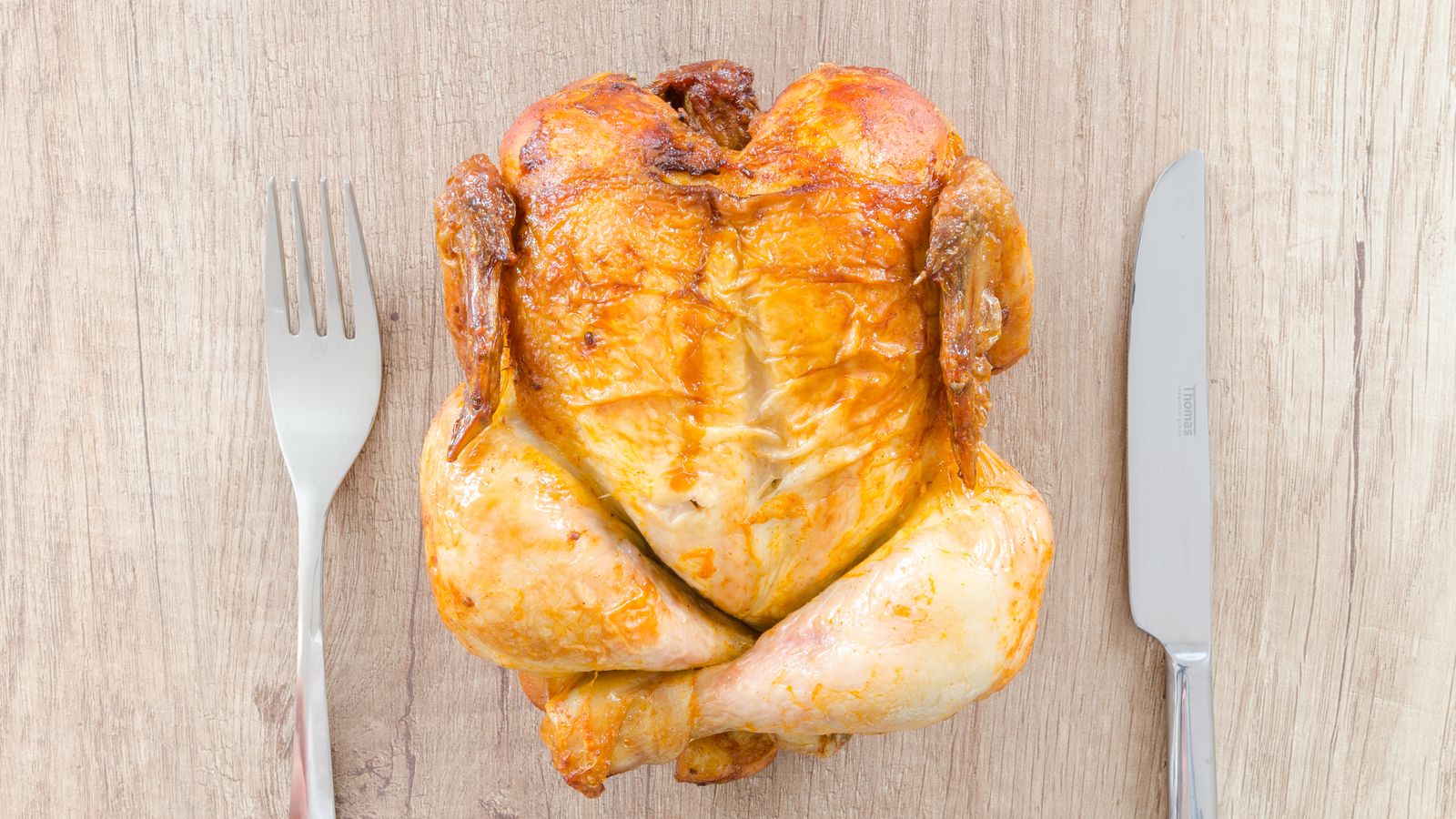
A rotisserie kit typically includes a motorized spit rod, two prongs to skewer and secure a whole chicken or roast, and sometimes a small basket attachment for kebabs or smaller cuts. The spit rotates continuously inside the air fryer, so the food self-bastes in its own juices and browns evenly on all sides – similar to what you’d get from an outdoor rotisserie grill, but scaled down to countertop size.
This accessory is built almost exclusively for whole poultry, small roasts, and sometimes large cuts of pork. It is the least flexible of the three in terms of everyday use, but it produces results that a flat air fryer basket simply cannot replicate for a whole bird.
Air Fryer Kebab Rack
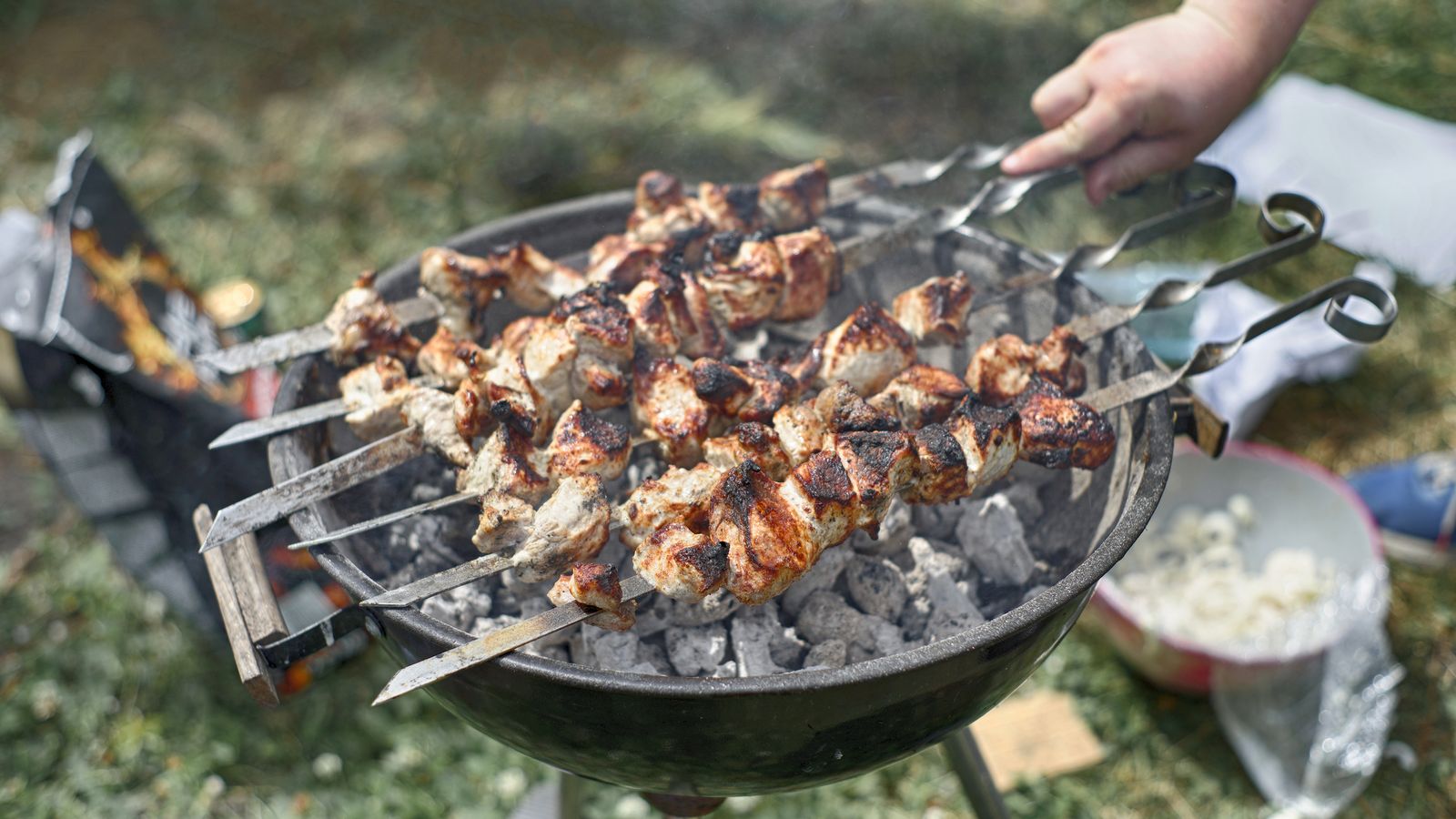
A kebab rack is a compact frame – often stainless steel – that holds several skewers upright or at an angle inside the air fryer basket, allowing hot air to circulate around each skewer from every side. Some racks are vertical stands, others are horizontal cradles that sit directly in the basket.
Kebab racks are meant for skewered meats and vegetables: chicken skewers, beef kebabs, shrimp skewers, vegetable kebabs, and even fruit skewers for dessert. They are a niche accessory, but for anyone who regularly makes skewered dinners, they solve a real problem – without a rack, skewers roll around in the basket and cook unevenly.
Air Fryer Bacon Tray
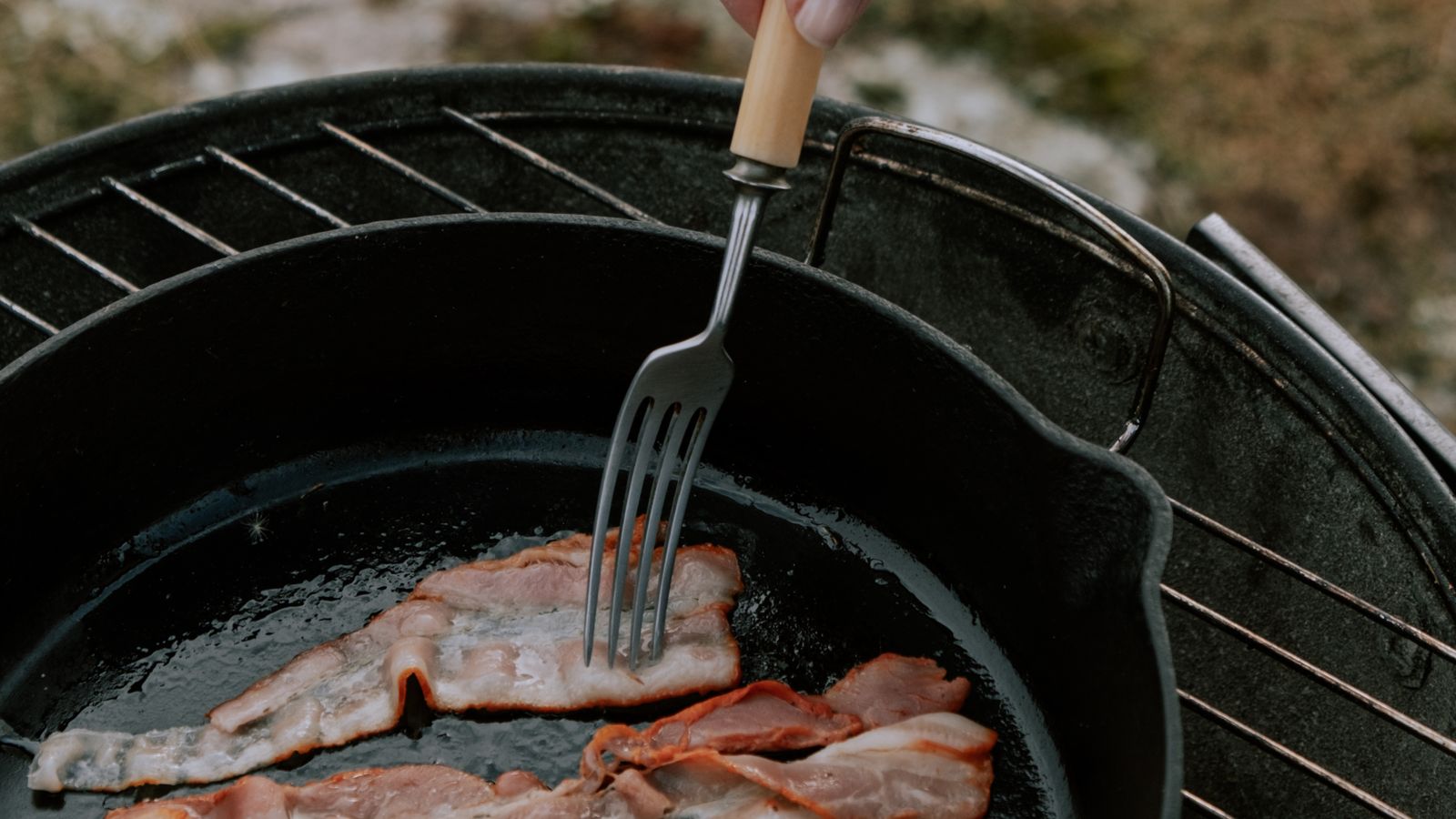
A bacon tray (also called a bacon rack) is a ridged, sloped, or slotted tray designed to hold strips of bacon flat and separated while fat drips away into a lower tray or the basket below. Some are stackable with multiple tiers so you can cook a full pound of bacon in one batch instead of doing it in small rounds.
Unlike the other two accessories, a bacon tray is built for a single, very common breakfast task, but its ridged design also works well for other fatty foods like sausages, chicken thighs, or anything that benefits from fat drainage and better airflow underneath.
Side-by-Side Comparison
Here is a quick comparison to help you see how the three accessories differ in purpose, frequency of use, and complexity.
- Best for: Rotisserie kit → whole chicken/roasts. Kebab rack → skewered meats and vegetables. Bacon tray → bacon, sausages, and fatty strips.
- Typical use frequency: Rotisserie kit → occasional (weekend roasts). Kebab rack → occasional to frequent (grilling-style meals). Bacon tray → frequent (weekly or daily breakfast use).
- Basket size needed: Rotisserie kit → large air fryers (5.5-quart and up, often with a rotisserie-specific model). Kebab rack → medium to large baskets that can fit the rack plus skewers. Bacon tray → works in most basket sizes, including compact air fryers.
- Learning curve: Rotisserie kit → moderate (requires proper skewering and balance). Kebab rack → low (just load and cook). Bacon tray → very low (place strips and go).
- Cleanup: Rotisserie kit → moderate, more parts to wash. Kebab rack → easy, usually dishwasher-safe. Bacon tray → easy, though grease can be messy if the tray isn’t slotted well.
How to Decide What You Actually Need
The right accessory depends less on which one sounds most exciting and more on what you actually cook on a regular basis. Ask yourself these questions before buying.
How often do you cook a whole chicken or roast?
If you roast a whole chicken more than once a month and currently rely on your oven for it, a rotisserie kit can genuinely change your routine – it’s faster than an oven, uses less energy, and produces a noticeably crispier skin. If whole-bird cooking is rare for you, a rotisserie kit will likely sit in a drawer most of the year. For a closer look at models built specifically for this task, browse our roundup of air fryer rotisserie kits.
Do skewered meals show up in your weekly rotation?
Kebabs, satay, and skewered vegetables are quick, portion-controlled, and easy to customize for different eaters at the table. If that style of cooking already appeals to you – or if you grill kebabs outdoors in summer and want an indoor, year-round option – a rack solves the “skewers rolling around the basket” problem instantly. If you rarely reach for skewers, skip this one. See our picks in the guide to air fryer kebab racks if this sounds like your kitchen.
Is bacon a breakfast staple in your house?
This is the accessory with the broadest everyday appeal. If you cook bacon more than once a week, a dedicated tray keeps strips flat, drains grease away from the food, and lets you cook a full batch instead of babysitting a few strips at a time. Because it’s inexpensive and useful for other fatty foods too, it’s often the easiest of the three to justify. Compare options in our guide to air fryer bacon trays.
Matching the Accessory to Your Air Fryer
Compatibility is where a lot of buyers get tripped up. Not every accessory fits every air fryer, so check these details before ordering.
- Basket shape: Rotisserie kits generally require a large drawer-style or oven-style air fryer with enough internal clearance for the spit to rotate freely. Cramped baskets can cause the food to scrape the heating element.
- Interior height: Kebab racks need enough vertical space for upright skewers to clear the top of the basket; measure your air fryer’s interior height before buying a vertical-style rack.
- Tray footprint: Bacon trays need to match your basket’s width and length closely enough that strips don’t overhang the edges, which can cause uneven cooking or dripping onto the heating coil.
- Motor and power rating: If you’re buying a rotisserie kit that includes its own motor, confirm it’s rated for your air fryer’s wattage; underpowered motors can stall under the weight of a heavier bird.
Budget Notes
Generally, bacon trays are the most affordable of the three, since they’re simple stamped-metal or coated-wire designs with no moving parts. Kebab racks sit in the middle, priced based on the number of skewers included and the quality of the steel. Rotisserie kits are typically the most expensive because they include a motor, spit rod, and multiple prongs or forks – and pricing rises further if the kit is proprietary to a specific air fryer brand versus a universal fit.
If your budget only allows for one accessory right now, buy the one that matches your most frequent cooking habit rather than the one that seems most versatile on paper. A bacon tray you use weekly delivers more real-world value than a rotisserie kit that only comes out twice a year.
Can You Need More Than One?
Plenty of households end up owning two, or even all three, of these accessories over time – they aren’t mutually exclusive, and each targets a different meal. A common combination is a bacon tray for daily breakfast use paired with either a kebab rack or a rotisserie kit for weekend meals, depending on whether the household leans toward grilled-style dinners or roasted whole birds. If you entertain often or cook for a larger family, having both a kebab rack and a rotisserie kit on hand gives you flexibility for different occasions without needing to plan around a single accessory.
Common Mistakes When Choosing an Accessory
- Buying based on marketing photos alone: Product images often show accessories in oversized ovens, not compact basket-style air fryers. Always check the listed compatible basket dimensions, not just the picture.
- Assuming “universal fit” really means universal: Many kits marketed as universal only fit baskets within a narrow size range. Measure your basket’s diameter, depth, and interior height before ordering.
- Overlooking cleanup effort: Rotisserie components with multiple prongs and a spit rod take longer to hand-wash than a simple slotted tray. If you cook on weeknights and want minimal cleanup, factor that into your decision.
- Ignoring weight limits: Rotisserie kits have maximum weight ratings for the bird or roast they can safely hold. Exceeding it can strain the motor or cause uneven rotation.
Frequently Asked Questions
Do I need a rotisserie kit if my air fryer already has a rotisserie function?
Some air fryer ovens include a built-in rotisserie motor and spit as standard equipment, in which case you don’t need a separate kit – just the compatible forks and spit rod that came with the unit. If your air fryer doesn’t have this built-in feature, you’ll need an add-on rotisserie kit rated for your specific model or basket size.
Can a kebab rack be used for anything besides kebabs?
Yes. Beyond skewered meat and vegetables, kebab racks work well for hot dogs, sausages, and even corn on the cob, since the upright design keeps food elevated and exposed to hot air on all sides.
Is a bacon tray necessary, or can I just cook bacon on a basket liner?
You can cook bacon directly in the basket, but strips tend to curl, overlap, and cook unevenly without a tray to keep them flat and separated. A tray also keeps rendered fat away from the food, which reduces smoking and uneven crisping.
Which accessory is easiest for a beginner to start with?
A bacon tray is the simplest to use, since there’s no assembly, balancing, or skewering technique to learn – you place the strips and start cooking. It’s a reasonable first accessory for anyone new to air fryer add-ons.
Will these accessories work in any air fryer brand?
Not always. Universal accessories are widely available and fit a range of basket sizes, but brand-specific kits (especially rotisserie kits) are often designed for one manufacturer’s models. Always check the listed compatible basket diameter and interior height against your own air fryer’s specifications before purchasing.
Final Thoughts
None of these three accessories is objectively “better” than the others – they’re built for different meals entirely. A rotisserie kit rewards anyone who roasts whole chickens regularly, a kebab rack suits households that lean on skewered dinners, and a bacon tray earns its keep through sheer everyday frequency. Think honestly about what you cook most often, measure your air fryer’s basket before buying, and choose the accessory that matches your actual routine rather than the one that looks most impressive in photos. If you’re still weighing your options, our detailed roundups of air fryer rotisserie kits, air fryer kebab racks, and air fryer bacon trays can help you compare specific models before you buy.