
If you only have room in your budget or your cabinet for one more piece of gear, it’s easy to get stuck choosing between a wok and a pizza steel. Both are simple, single-purpose tools that promise to transform a specific kind of cooking, but they solve completely different problems. A wok is built around blistering, fast, high-heat stir-frying, while a pizza steel is built around trapping and radiating heat evenly to bake a crisp, restaurant-style crust. This guide breaks down what each tool actually does well, where they fall short, and how to decide which one deserves the next spot on your stovetop or in your oven.
What a Wok Is Actually Designed to Do
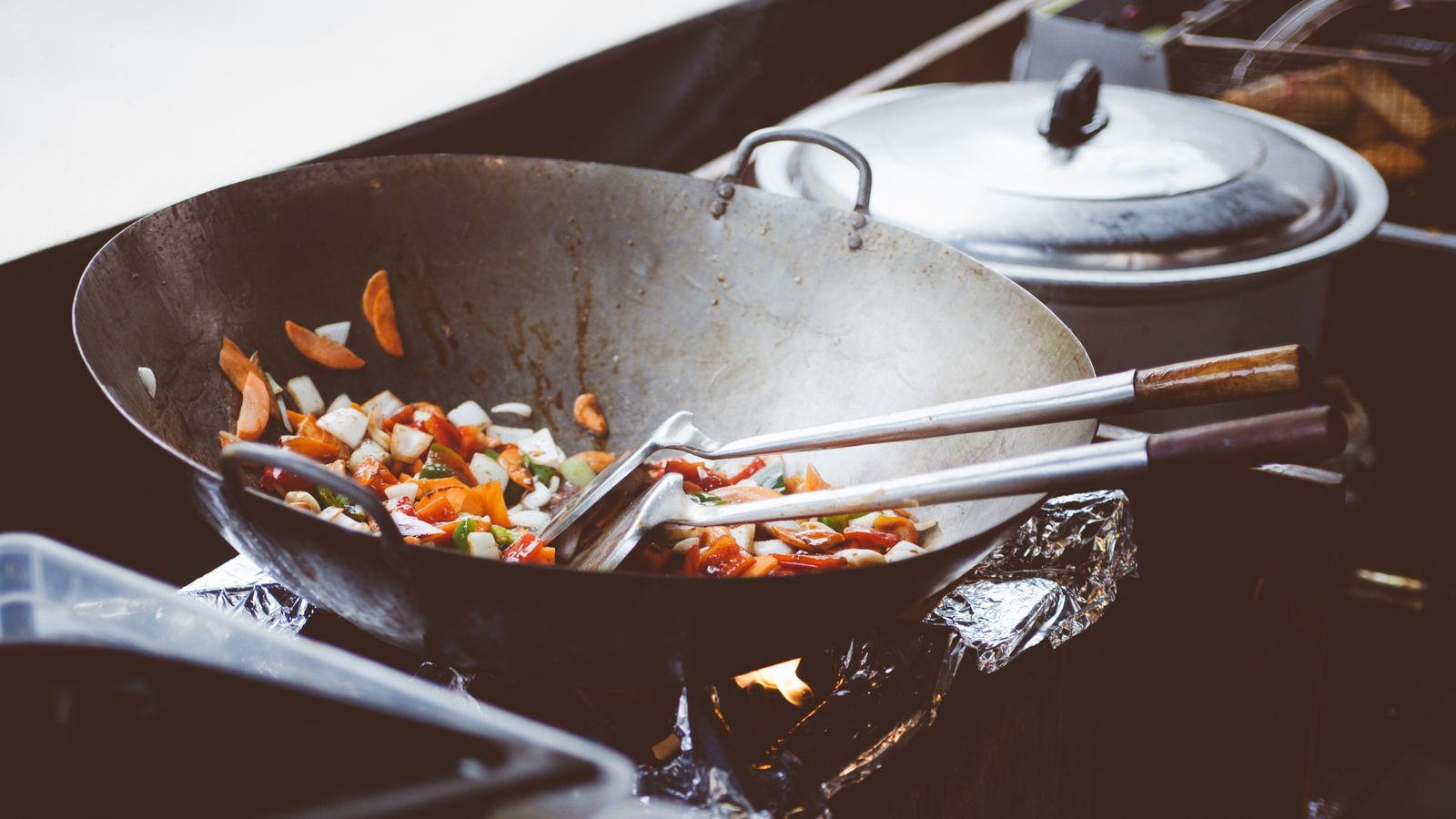
A wok is a thin-walled, round-bottomed (or flat-bottomed, for home stoves) pan designed to concentrate intense heat at its center while keeping the sloped sides cooler. That heat gradient is the entire point: it lets you sear meat and vegetables in the hottest zone, then push ingredients up the sides to rest while you add the next batch. This is what makes stir-frying possible in a matter of minutes rather than the slow simmering you’d get in a saucepan.
Traditional carbon steel woks heat up and cool down quickly, respond instantly to changes in flame, and develop a natural non-stick seasoning over time, similar to cast iron. Cast iron woks hold heat longer and are heavier, which some cooks prefer for deep-frying. Either way, a wok’s job is speed and versatility on the stovetop: stir-fries, frying, steaming (with a rack), boiling, and even smoking food, all in one vessel.
If you frequently cook Asian-inspired meals, love the smoky “wok hei” flavor that only comes from proper high-heat searing, or want a single pan that can handle stir-fries, deep-fried spring rolls, and a quick soup, a wok earns its place quickly. For a closer look at models built for home kitchens, our guide to woks compares carbon steel, cast iron, and nonstick options across burner types.
What a Pizza Steel Is Actually Designed to Do
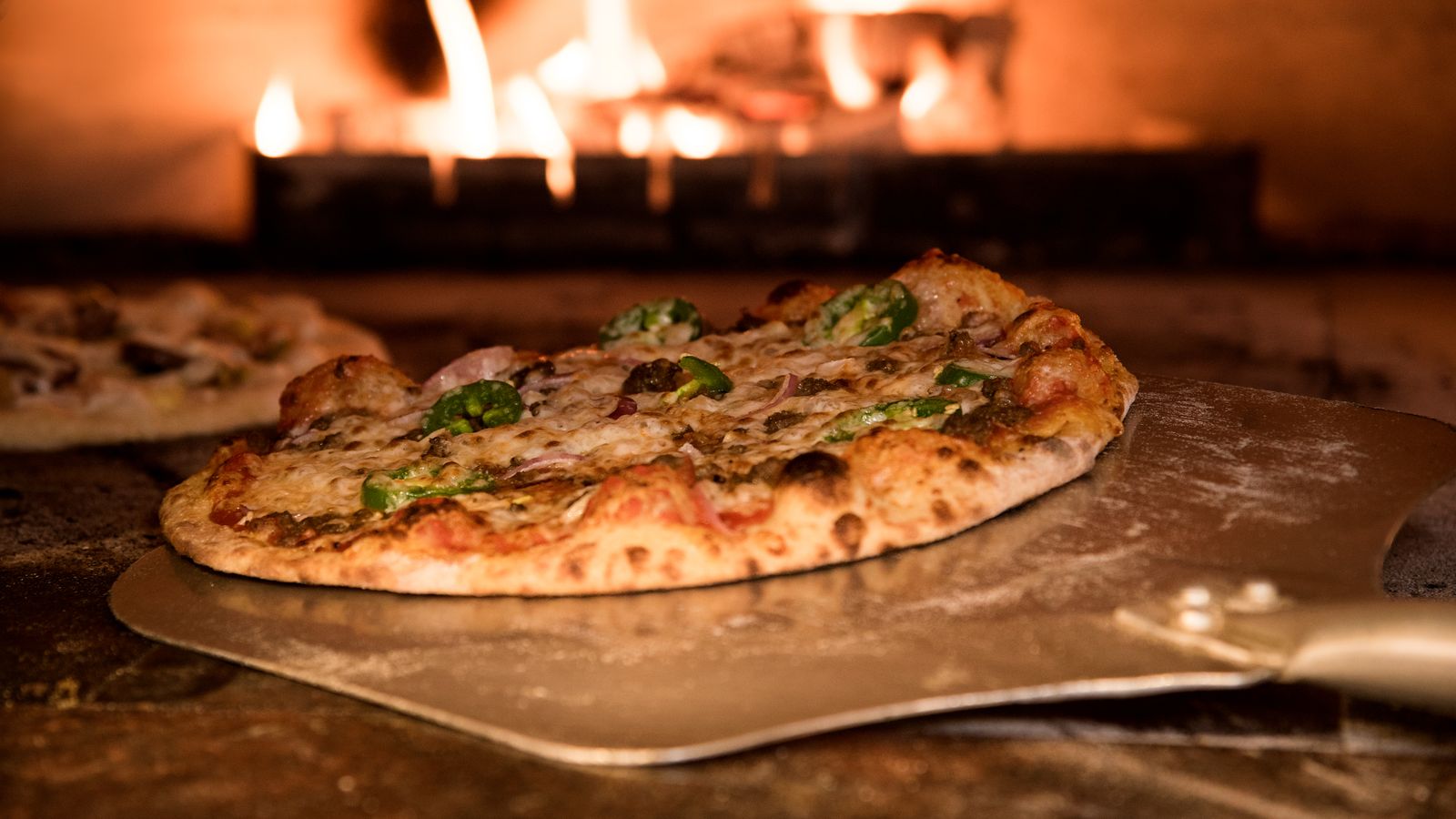
A pizza steel is a solid slab of steel, usually half an inch to a quarter inch thick, that you preheat in your oven (or on a grill) before sliding pizza dough directly onto it. Steel conducts heat far more efficiently than a pizza stone or a standard baking sheet, which means the bottom of your crust gets a fast, even blast of heat the moment dough touches the surface. That’s what produces the char spots, crisp bottom, and airy crumb associated with pizzeria-style pies.
Beyond pizza, a preheated steel is genuinely useful for anything that benefits from a hard sear or a crisp bottom crust: flatbreads, naan, seared steaks finished in the oven, roasted vegetables, and even reheating leftover pizza without turning it soggy. Unlike a wok, a pizza steel does its work passively, sitting in the oven and radiating stored heat rather than requiring you to actively toss and stir ingredients.
If your kitchen struggles to produce a crisp pizza crust, if you bake bread or flatbread regularly, or if you want a low-effort way to upgrade oven-baked meals without babysitting a pan on the stovetop, a pizza steel is the better investment. Our roundup of pizza steels covers thickness options, sizes, and which ones are easiest to maneuver in and out of a hot oven.
Key Differences: Heat, Technique, and Cooking Style
Heat Source and Delivery
A wok relies on direct flame or a burner beneath it, with heat concentrated in one zone that you actively move food through. A pizza steel relies on ambient oven heat that it absorbs over 30-45 minutes of preheating, then releases evenly across its entire surface the moment food touches it. One is dynamic and hands-on; the other is passive and set-it-and-forget-it once preheated.
Cooking Technique
Stir-frying with a wok demands constant motion: tossing, stirring, and timing ingredients so nothing overcooks or steams instead of sears. A pizza steel requires almost no technique once the dough is assembled and slid into place; the steel does the work of crisping the crust while you wait.
Speed
A wok is the faster tool for a complete meal. A stir-fry from raw ingredients to plated dish can take 10-15 minutes. A pizza steel needs a long oven preheat before the actual bake, which itself only takes a few minutes, so total time-to-table is often longer even though the baking step is quick.
Maintenance
Carbon steel and cast iron woks need seasoning, careful drying, and occasional re-oiling to prevent rust. A pizza steel needs almost no maintenance beyond wiping it down and occasionally re-oiling to prevent surface rust, since it never touches water-based sauces directly and rarely needs scrubbing.
Storage and Weight
A wok, especially a carbon steel one, is relatively light and easy to hang or store in a cabinet. A pizza steel is dense and heavy, often 8-15 pounds, and works best stored flat in a lower oven rack or a dedicated shelf, since it’s awkward to lift in and out repeatedly.
Where a Cast Iron Skillet Fits Into the Comparison
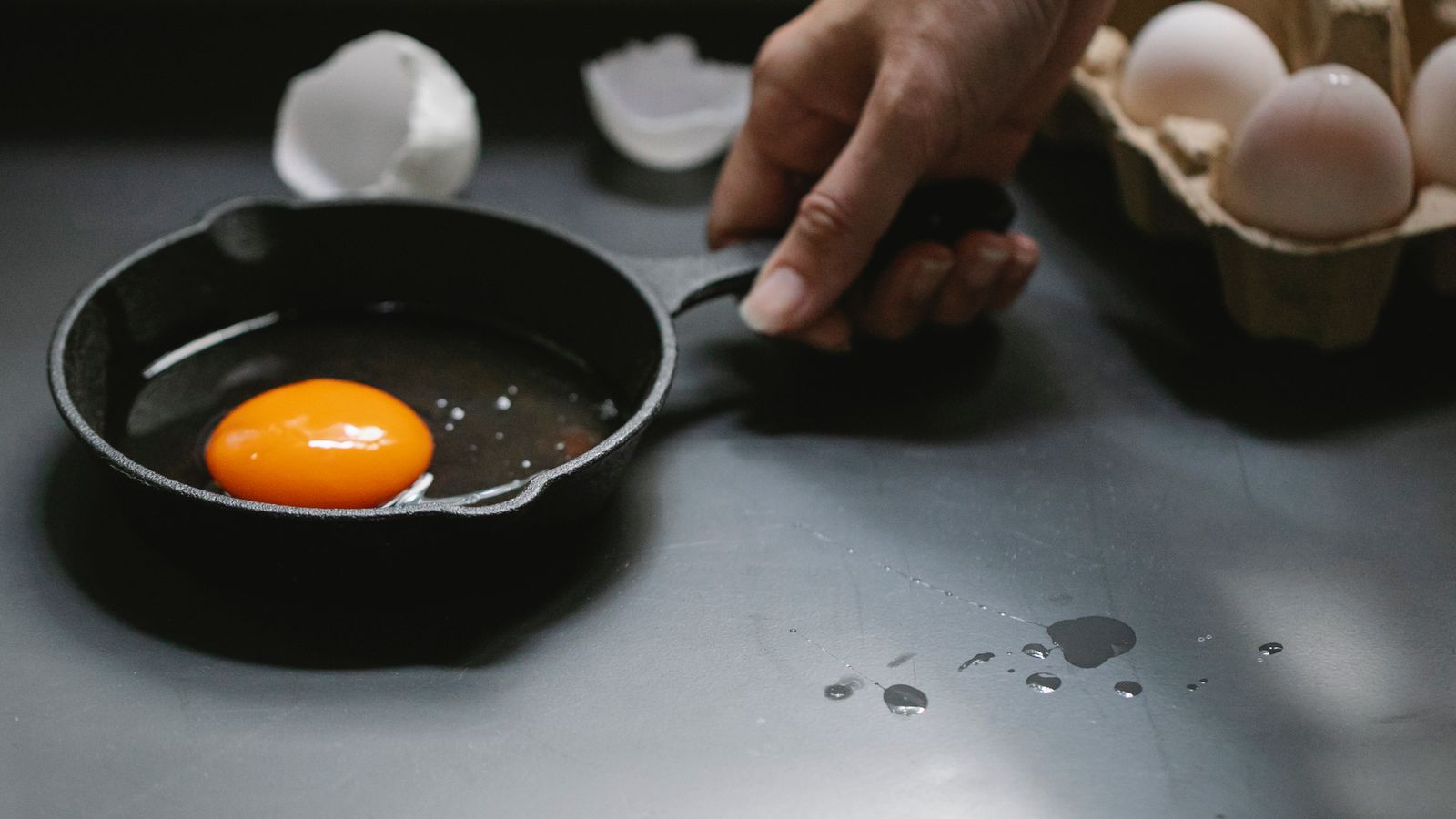
It’s worth mentioning a third option that overlaps with both: the cast iron skillet. A well-seasoned skillet can approximate some wok functions, like searing meat or sautéing vegetables, and some pizza steel functions, like baking a deep-dish or pan pizza with a crisp crust. It won’t match a wok’s high-heat tossing capability or a steel’s rapid, even heat transfer for thin-crust pizza, but if you’re not ready to commit to either specialized tool, a quality skillet is a flexible middle ground that handles searing, baking, and stovetop cooking reasonably well. See our guide to cast iron skillets if you want one versatile pan instead of two specialized ones.
How to Decide: A Simple Decision Framework
Ask yourself these questions to narrow down which tool actually matches how you cook:
- Do you cook more stovetop meals or more oven-baked meals? Frequent stir-fries, fried rice, and quick vegetable dishes point to a wok. Frequent pizza nights, flatbreads, or roasted dishes point to a pizza steel.
- Do you want speed on a weeknight, or are you willing to plan ahead? A wok delivers a full meal fast with no preheating required. A pizza steel needs 30+ minutes of preheat time before you can use it, so it suits cooks who plan meals in advance.
- How much kitchen storage do you have? A wok is lighter and easier to store in a cabinet or hang on a wall. A heavy steel slab is harder to stash and often lives permanently in the oven.
- What’s your current pain point? If store-bought pizza dough always comes out soggy on the bottom, that’s a steel problem. If your stir-fries steam instead of sear, that’s a wok (and burner heat) problem.
- Do you cook for a crowd or mostly solo/couple meals? A wok scales well for quick batches. A pizza steel is efficient for feeding several people at once with one or two pizzas.
For many home cooks, the honest answer is “both, eventually” – they solve different problems and rarely compete for the same use case. If you have to choose one first, pick based on which meal you cook more often: stir-fries and quick Asian-style dishes, or pizza and oven-baked flatbreads.
Budget and Long-Term Value
Entry-level carbon steel woks are typically among the least expensive pieces of specialty cookware you can buy, and they last for decades with basic seasoning care. Cast iron woks cost more upfront and take longer to season properly, but hold heat exceptionally well once broken in.
Pizza steels vary more by thickness: thinner steels (around a quarter inch) cost less and heat up faster, while thicker steels (half inch or more) cost more, take longer to preheat, but retain heat better for back-to-back bakes, which matters if you’re making multiple pizzas for a group. Either way, a steel is a one-time purchase with essentially no consumable costs, similar to a wok.
In terms of long-term value, both tools pay for themselves quickly if you use them regularly – a wok by replacing takeout stir-fry orders, and a steel by replacing inconsistent homemade or delivery pizza. Neither is a good investment if it will only get used a handful of times a year, so be honest about how often you’ll actually reach for it before buying either.
Common Mistakes to Avoid With Each Tool
Wok Mistakes
- Overcrowding the pan, which drops the temperature and causes steaming instead of searing.
- Not preheating the wok long enough before adding oil and ingredients.
- Using too low heat, which is the single biggest reason home stir-fries taste flat compared to restaurant versions.
- Skipping seasoning maintenance on carbon steel or cast iron, leading to sticking and rust.
Pizza Steel Mistakes
- Not preheating long enough (30-45 minutes minimum), which is the most common reason for an undercooked crust.
- Using too much flour or cornmeal on the peel, which can burn and smoke at high oven temperatures.
- Cleaning with soap or soaking in water, which can encourage rust; a dry brush and light oiling is usually enough.
- Placing a cold steel directly into a preheated oven right before baking instead of preheating it alongside the oven from the start.
Frequently Asked Questions
Can a pizza steel be used on a stovetop like a wok?
No. A pizza steel is a flat slab meant to sit in an oven or on a grill grate and absorb ambient heat gradually. It isn’t designed for direct stovetop use or for the tossing motion a wok requires.
Can a wok be used to bake pizza?
Not effectively. A wok’s rounded, sloped shape isn’t suited to holding a flat pizza, and it doesn’t retain or radiate heat the way a flat steel slab does.
Is a cast iron skillet a good substitute for either one?
It’s a reasonable middle-ground substitute for light searing and pan pizza, but it won’t fully replace the high-heat tossing capability of a wok or the fast, even heat transfer of a pizza steel for thin-crust pizza.
Which one is easier for a beginner to use well?
A pizza steel is generally more forgiving for beginners since it requires no active technique beyond preheating and sliding dough into place. A wok has a steeper learning curve tied to heat control and timing.
Do I need both a wok and a pizza steel?
Not necessarily, but many enthusiastic home cooks eventually own both because they serve entirely different cooking styles rather than competing for the same meals.
Final Thoughts
A wok and a pizza steel aren’t really competitors – they’re specialists in different cooking styles. A wok rewards active, high-heat stovetop cooking and is the better choice if stir-fries, fried rice, or quick Asian-inspired meals are a regular part of your routine. A pizza steel rewards patience during preheating and delivers a consistently crisp, evenly baked crust with almost no hands-on technique required. If you need one versatile pan that handles a bit of both searing and baking, a cast iron skillet can bridge the gap until you’re ready to add a dedicated wok or steel to your kitchen.