
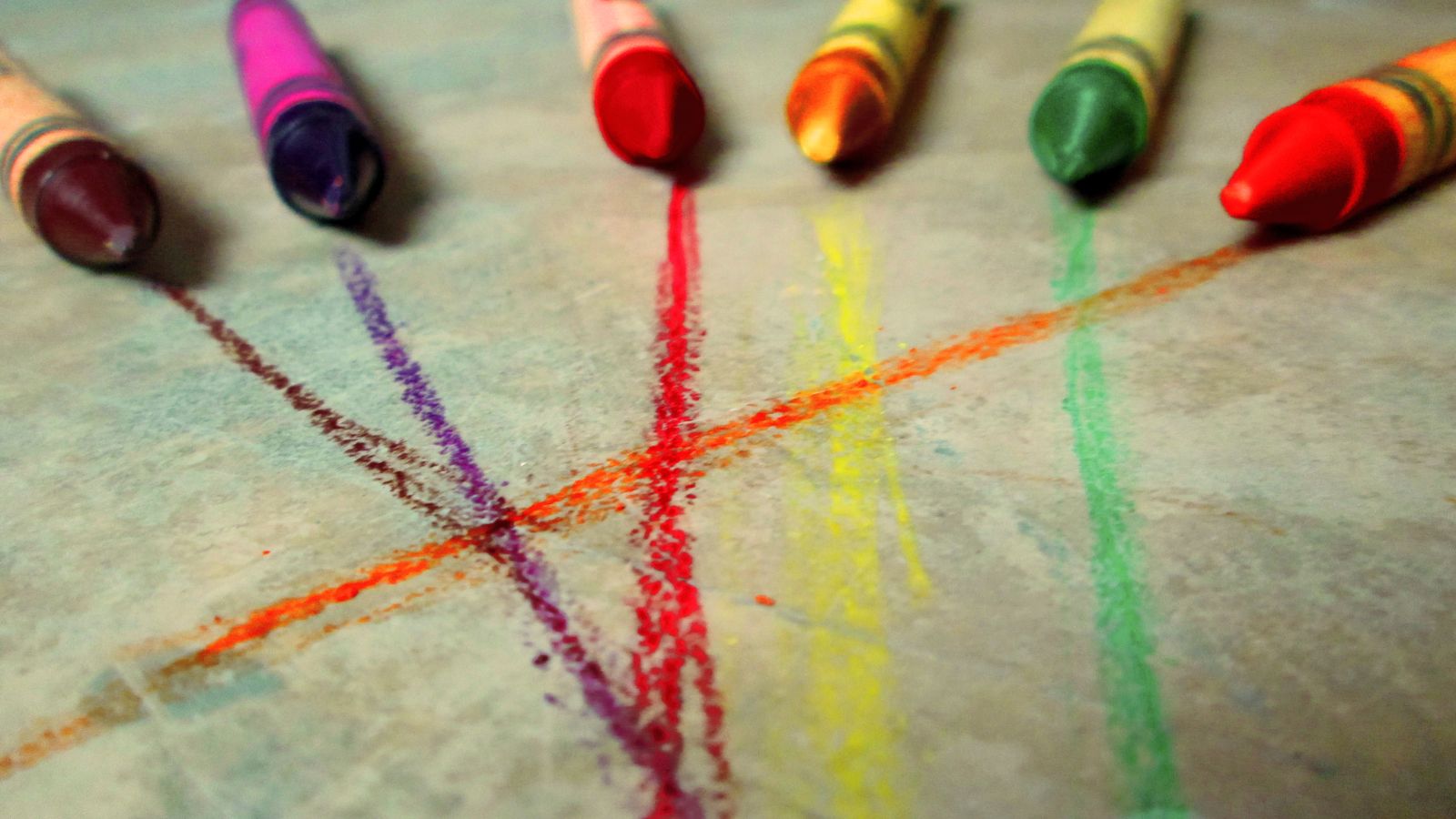
Few things strike more panic into a parent’s heart than turning a corner and finding a rainbow of crayon streaks across the living room carpet. Unlike a spilled juice box or muddy footprint, crayon marks are not simple surface dirt – they are wax and pigment that has been ground into the carpet fibers, often heated by friction or sunlight until it partially melts and bonds to the pile. For a beginner facing this mess for the first time, it can feel like the stain is permanent. The good news is that with the right approach and the right machine, crayon marks are almost always fully removable.
This guide walks you through exactly why crayon stains behave differently from other messes, how to use a carpet cleaner correctly to lift them out without damaging your carpet, and what to look for if you are shopping for a machine dedicated to this kind of job. Whether you have young kids at home or you just inherited a rug with old crayon damage, this beginner-friendly walkthrough will get you from panic to a clean, resettled carpet.
Why Crayon Marks Are Tricky to Clean
Most carpet stains – coffee, wine, mud – are water-based or oil-based liquids that soak into the fibers. Crayons are different. They are made primarily of paraffin wax mixed with pigment, which means they do not dissolve in water at all. When a crayon is pressed and dragged across carpet fibers, friction generates just enough heat to soften the wax, allowing it to smear into the weave and re-harden as it cools. The result is a semi-solid deposit that grips individual fibers rather than sitting on top of them.
This creates two separate problems you need to solve:
- The wax base: Wax is hydrophobic, meaning plain water and standard shampoo will slide right past it without breaking it down. It generally needs heat and a solvent or degreasing agent to soften and lift.
- The pigment: Even after the wax is gone, the dye used to color the crayon can leave a ghost stain behind, especially with darker colors like red, purple, and black. This second stage often needs a dedicated stain treatment or an enzyme-based pre-treatment.
Because of this two-step chemistry, a beginner’s first instinct – blasting the spot with hot water and scrubbing – often makes things worse. Excess heat without the right cleaning solution can actually spread the wax further into the pile and push it deeper, making the stain larger and harder to reach on a second attempt.
What You’ll Need Before You Start
Before touching the carpet, gather your supplies. Having everything on hand prevents you from stopping halfway through a treatment, which can allow the softened wax to re-harden in a worse position.
- A blunt dull knife or the edge of a spoon (for scraping)
- A white cotton cloth or paper towels (colored cloth can transfer dye)
- An iron or hair dryer for controlled heat
- A carpet-safe solvent or dish soap solution
- A dedicated carpet cleaning machine suited to the job
If you’re shopping for a machine rather than relying on a rented unit, it is worth looking specifically at carpet cleaners for crayon marks, since these models are typically built with stronger heated water tanks and pre-treatment nozzles designed for wax-based stains rather than general dirt and pet accidents.
Step-by-Step: How to Use a Carpet Cleaner for Crayon Marks
Follow these steps in order. Skipping the scraping and heat stages and jumping straight to the machine is the most common beginner mistake, and it usually just spreads the stain rather than lifting it.
- Scrape off the excess wax first. Using the dull edge of a spoon or a plastic scraper, gently lift away any raised or caked crayon residue sitting on top of the fibers. Work from the outside of the stain inward so you don’t spread pigment into clean carpet.
- Apply controlled heat to soften remaining wax. Lay a clean white cloth over the stain and run a warm (not hot) iron or hair dryer over it for a few seconds at a time. The heat will re-melt the wax, which then transfers up into the cloth. Move to a clean section of cloth as soon as it picks up color, and repeat until no more wax transfers.
- Pre-treat the pigment stain. Once the wax layer is gone, you’ll usually still see a colored ghost mark. Apply a small amount of dish soap diluted in warm water, or a dedicated pre-treatment spray, directly onto the stain and let it sit for 5-10 minutes so it can start breaking down the dye.
- Run the carpet cleaner over the treated area. Fill the machine’s tank with warm water and the manufacturer-recommended cleaning solution. Make several slow, overlapping passes directly over the pre-treated spot, allowing the machine’s brushes and suction to agitate and extract the loosened pigment.
- Rinse with a clean-water pass. Many machines allow a rinse-only cycle. Run this over the area to remove any leftover soap residue, which can otherwise attract dirt and leave the spot looking dull once dry.
- Blot dry and inspect. Press a dry white towel over the area to absorb excess moisture. Check the spot in good light – if a faint mark remains, repeat steps 3-5 rather than scrubbing harder, since wax stains often need two gentle passes rather than one aggressive one.
- Let the carpet fully air dry before walking on it. Open a window or run a fan to speed drying. Walking on a damp spot can re-flatten the fibers and trap remaining residue.
Common Mistakes Beginners Make
A few small missteps account for most of the “it didn’t work” stories people share after trying to clean crayon off carpet themselves. Watch out for these:
- Using hot water straight away. Hot water without pre-softening can push the wax deeper into the pile before you’ve had a chance to lift it out.
- Scrubbing instead of blotting. Vigorous scrubbing can fray carpet fibers and spread pigment outward, turning a small dot into a larger smudge.
- Skipping the heat-transfer step. Running a carpet cleaner directly on unsoftened wax mostly just moves the wax around rather than lifting it, since the wax hasn’t been given a chance to loosen from the fibers.
- Not testing solutions first. Always test any cleaning solution on a hidden corner of carpet to check for colorfastness before treating a visible area.
- Rushing the drying stage. A carpet that stays damp too long can develop odor or attract new dirt to the treated spot, making it look like the stain has returned.
Choosing the Right Carpet Cleaner for Wax-Based Stains
Not every carpet cleaner is equally suited to crayon removal. When comparing machines, prioritize:
- Heated water tanks. Machines that heat water internally help maintain a consistent, controlled temperature that assists in softening wax without scorching fibers.
- Strong suction/extraction power. Once the wax and pigment are loosened, powerful suction is what actually pulls the residue and dirty water back out of the carpet rather than leaving it to re-settle.
- Pre-treatment nozzles or spot-boost settings. A dedicated spot mode concentrates cleaning solution and agitation directly on a small stained area, which is exactly the kind of targeted cleaning crayon marks need.
- Compatibility with different carpet types. If your home has both synthetic carpet and delicate natural-fiber rugs, check that the machine has adjustable settings, since more delicate materials like wool need a gentler cycle.
If your crayon incident happened on a natural-fiber area rug rather than wall-to-wall carpet, be extra cautious – wool fibers can be more sensitive to heat and harsh solvents than synthetic carpet. It’s worth reviewing options built specifically for that material, such as carpet cleaners for wool rugs, which tend to offer gentler agitation and lower heat settings that protect delicate natural fibers while still lifting stubborn stains.
Special Case: Crayon Marks in a Car or Boat
Kids don’t limit their creativity to the living room. Crayon marks on vehicle carpeting or boat carpet present an extra challenge because these surfaces are often glued to a hard subfloor and exposed to more direct sunlight and heat, which can bake wax in even more firmly than at home. The same core steps apply – scrape, soften with heat, pre-treat, then extract – but you’ll want a compact machine that can maneuver into tight footwells and along low decking. If this describes your situation, take a look at carpet cleaners for boat carpets, which are generally built to be portable, corrosion-resistant, and effective on the denser marine-grade carpet materials found on boats.
Aftercare and Prevention Tips
Once you’ve successfully removed a crayon stain, a little aftercare goes a long way toward keeping your carpet looking fresh and preventing repeat incidents:
- Fluff the fibers. After the carpet dries, run your fingers or a soft brush over the treated area to restore the pile’s natural texture, since flattened fibers can look duller even when clean.
- Vacuum regularly. Routine vacuuming keeps grit from grinding into fibers, which makes any future stain – crayon or otherwise – easier to lift.
- Store crayons and wax-based art supplies away from carpeted play areas. A designated art table with a protective mat underneath can prevent most crayon-on-carpet incidents before they happen.
- Act quickly next time. Fresh crayon marks are considerably easier to remove than ones that have been walked on and pressed into the pile for days or weeks, so treat new marks as soon as you notice them.
Frequently Asked Questions
Can I use a regular carpet cleaner, or do I need a special one?
A standard carpet cleaner can work if you pre-treat the wax properly with heat and a degreasing solution first. However, a machine designed with stronger heat control and spot-treatment features will typically get better results with less repeated effort.
Will crayon stains eventually fade on their own?
Not reliably. Because crayon wax bonds to fibers rather than sitting loosely on the surface, it usually needs active treatment. Left alone, foot traffic can actually grind the pigment in further over time.
Is it safe to use an iron directly on carpet?
Only with a protective cloth between the iron and the carpet, and only on a low-to-medium heat setting. Direct contact with a hot iron can melt or scorch synthetic carpet fibers.
What if the stain is old and has been there for months?
Old stains generally need more patience. Repeat the heat-softening and pre-treatment steps a few times rather than increasing heat or scrubbing intensity, and consider a specialized enzyme stain remover for any lingering pigment.
Can this method be used on carpeted stairs?
Yes, the same scrape-soften-treat-extract sequence works on stairs, though you may need a smaller handheld attachment to reach corners and edges effectively.
Final Thoughts
Crayon marks look intimidating, but they respond well to a methodical approach: scrape away excess wax, use gentle heat to lift what remains, treat the pigment, and finish with a proper extraction pass from a capable carpet cleaner. Choosing a machine suited to your specific surface – whether that’s household carpet, a delicate wool rug, or marine-grade boat carpeting – makes the difference between a stain that keeps ghosting back and one that disappears for good. With the right technique and the right tool in hand, crayon marks don’t have to be a permanent souvenir of your kids’ creativity.