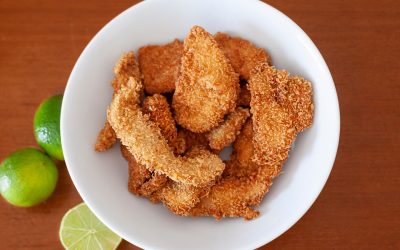

Not every air fryer is built for the same job. Some models are designed to bake tender, evenly browned donuts with a light interior crumb, others are optimized for crisping vegetables and searing meat on high heat, and a specialized few are built to dehydrate fruit slowly at low temperatures over several hours. If you have ever wondered why your air fryer nails crispy fries but turns homemade donuts into dry hockey pucks, or why it can roast a chicken thigh perfectly but can’t produce a decent batch of dried mango, the answer usually comes down to mismatched equipment. This guide breaks down exactly what each use case demands, so you can decide whether you need an air fryer built for donuts, one built for vegetables and meat, or one built for dried fruit — or whether a single versatile unit can actually cover all three.
Why the “Right” Air Fryer Depends on What You Cook Most
Air fryers all work on the same basic principle: a heating element and a fan circulate hot air rapidly around food to crisp the exterior without submerging it in oil. But the details of how that heat is delivered — temperature range, airflow pattern, basket depth, rack accessories, and how precisely low temperatures can be held — vary a lot between models. A machine tuned for searing vegetables and meat at 400°F won’t necessarily hold a stable 90°F–135°F for eight hours the way a dehydrating-focused unit will. And a basket-style fryer that’s fantastic for wings might struggle to bake a delicate yeasted donut evenly because it runs hot and fast rather than gentle and even.
Instead of assuming “an air fryer is an air fryer,” it helps to think about your actual cooking habits. Do you bake more than you fry? Do you cook proteins and produce nightly? Are you trying to preserve fruit in bulk? Your answer points toward a very different feature set.
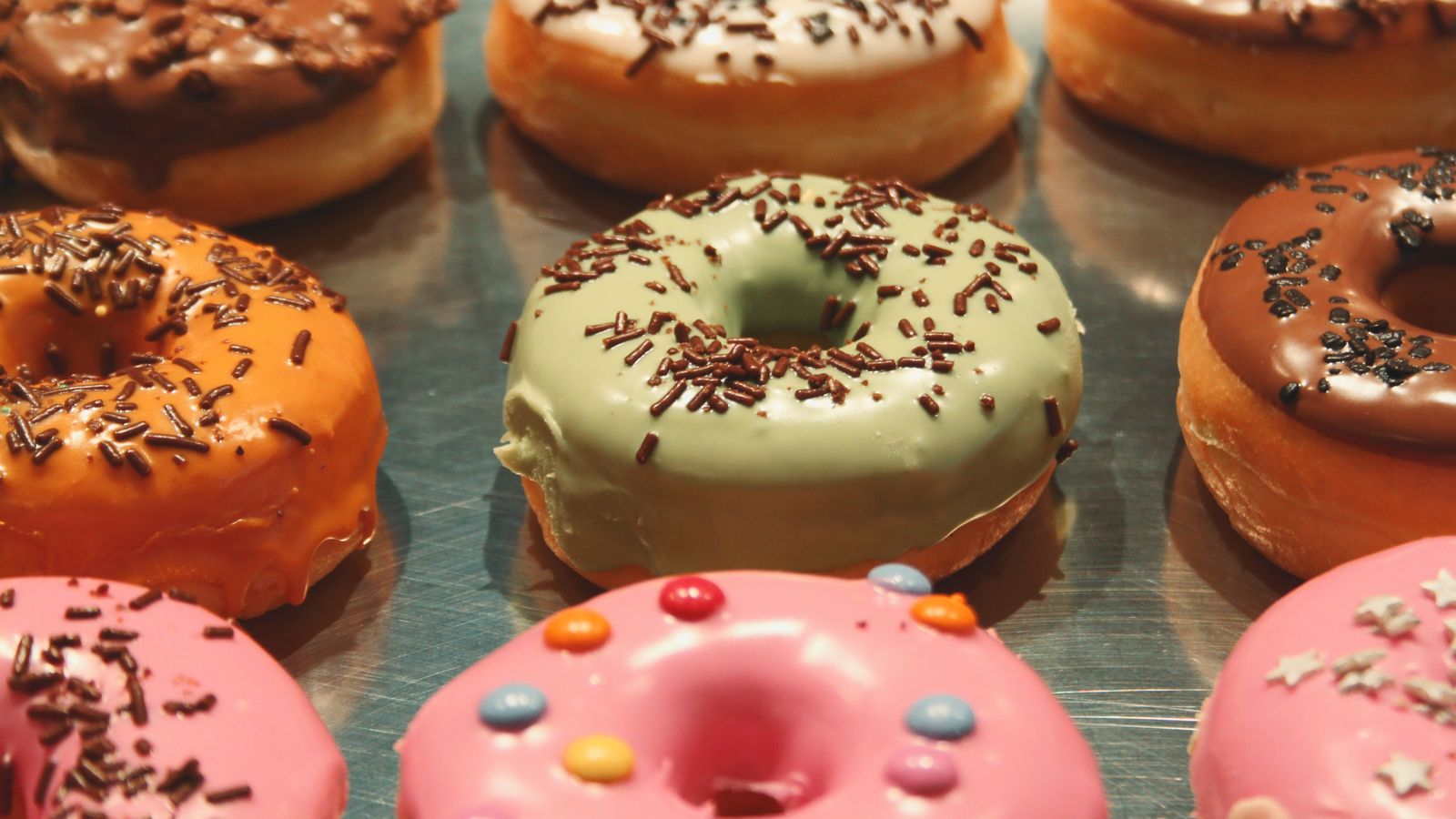
Air Fryers for Donuts: What Makes Them Different
Air-fried donuts are a popular alternative to deep-fried versions because they use a fraction of the oil while still delivering a golden, slightly crisp exterior. But donuts are delicate. Proofed dough or biscuit-based dough needs gentle, even heat to rise and set properly without scorching the outside before the inside cooks through. A fryer with hot spots or overly aggressive airflow will brown one side while leaving the center gummy.
Key features to look for
- Even heat distribution — multiple heating elements or a well-designed fan path reduce hot spots that scorch delicate dough.
- Lower-to-moderate temperature precision (roughly 320°F–350°F) — donuts typically cook cooler and slower than fries or wings.
- A flat, non-stick tray or basket — ring-shaped dough needs a stable surface so it holds its shape while proofing and cooking.
- Enough headroom — donuts puff up as they cook, so a shallow basket can crowd the rise.
If baked goods, breakfast pastries, and quick homemade donuts are a regular part of your routine, it’s worth browsing air fryers for donuts that are specifically reviewed for even browning and gentle, consistent heat.
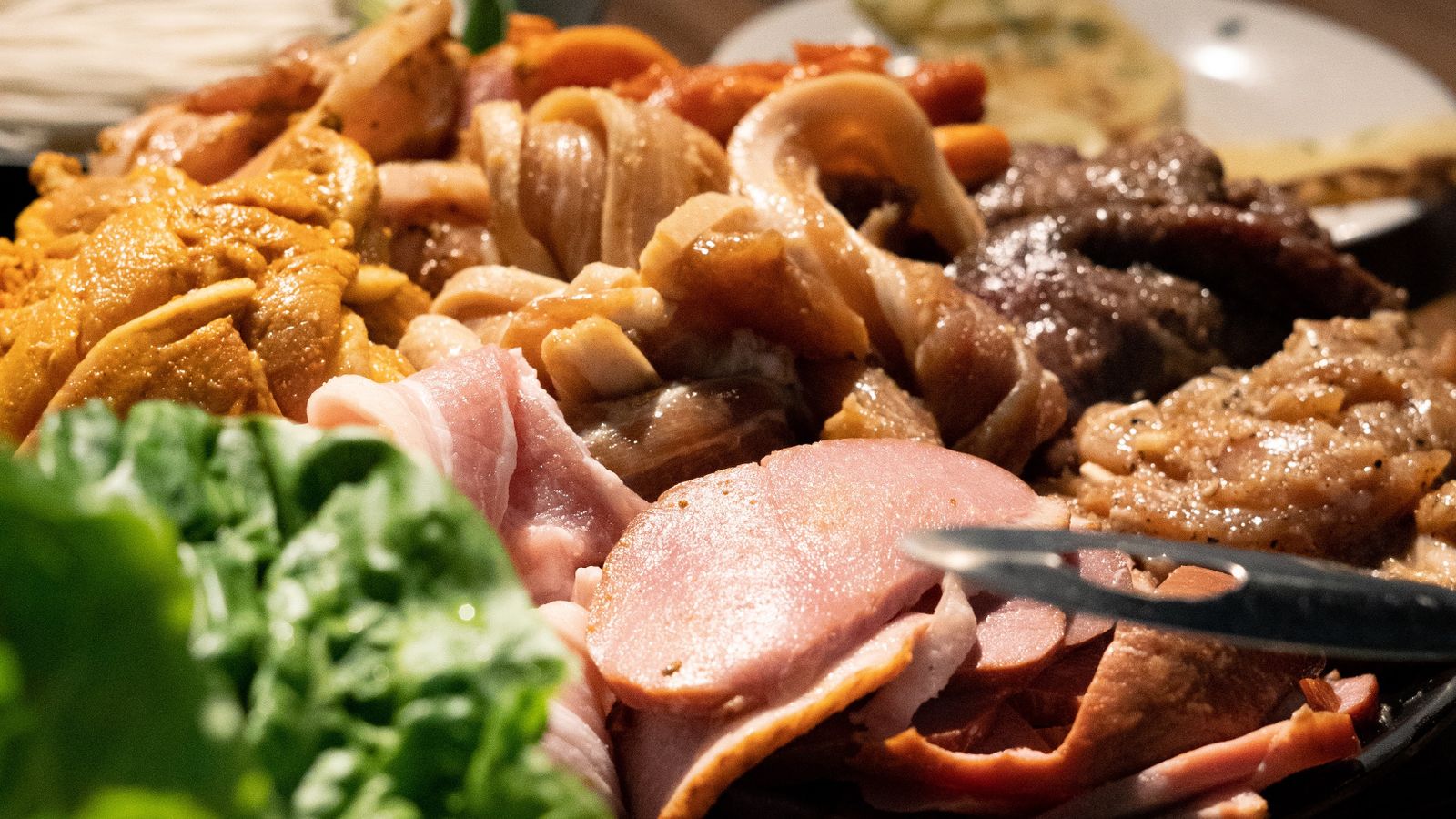
Air Fryers for Vegetables and Meat: What Makes Them Different
This is the most common everyday use case, and it’s a very different job than baking. Searing meat and crisping vegetables both benefit from high, aggressive heat — often 375°F–450°F — and strong airflow that can push moisture away from the food’s surface quickly so it browns instead of steaming. Vegetables in particular release a lot of water as they cook, so a fryer with weak airflow will leave broccoli or Brussels sprouts limp instead of caramelized.
Key features to look for
- High maximum temperature (400°F or above) for proper searing and browning.
- Strong, consistent airflow to crisp exteriors and cook through thicker cuts of meat evenly.
- A wide, shallow basket so vegetables and cuts of meat aren’t stacked on top of each other, which traps steam.
- A built-in probe or presets for common proteins, useful if you cook meat often and want to hit safe internal temperatures without guessing.
Because this is the most versatile day-to-day cooking style, most people who want one air fryer that handles dinner reliably should start by comparing air fryers for vegetables and meat, since these models are built around high-heat searing and consistent batch cooking rather than delicate baking or slow drying.
Air Fryers for Dried Fruit: What Makes Them Different
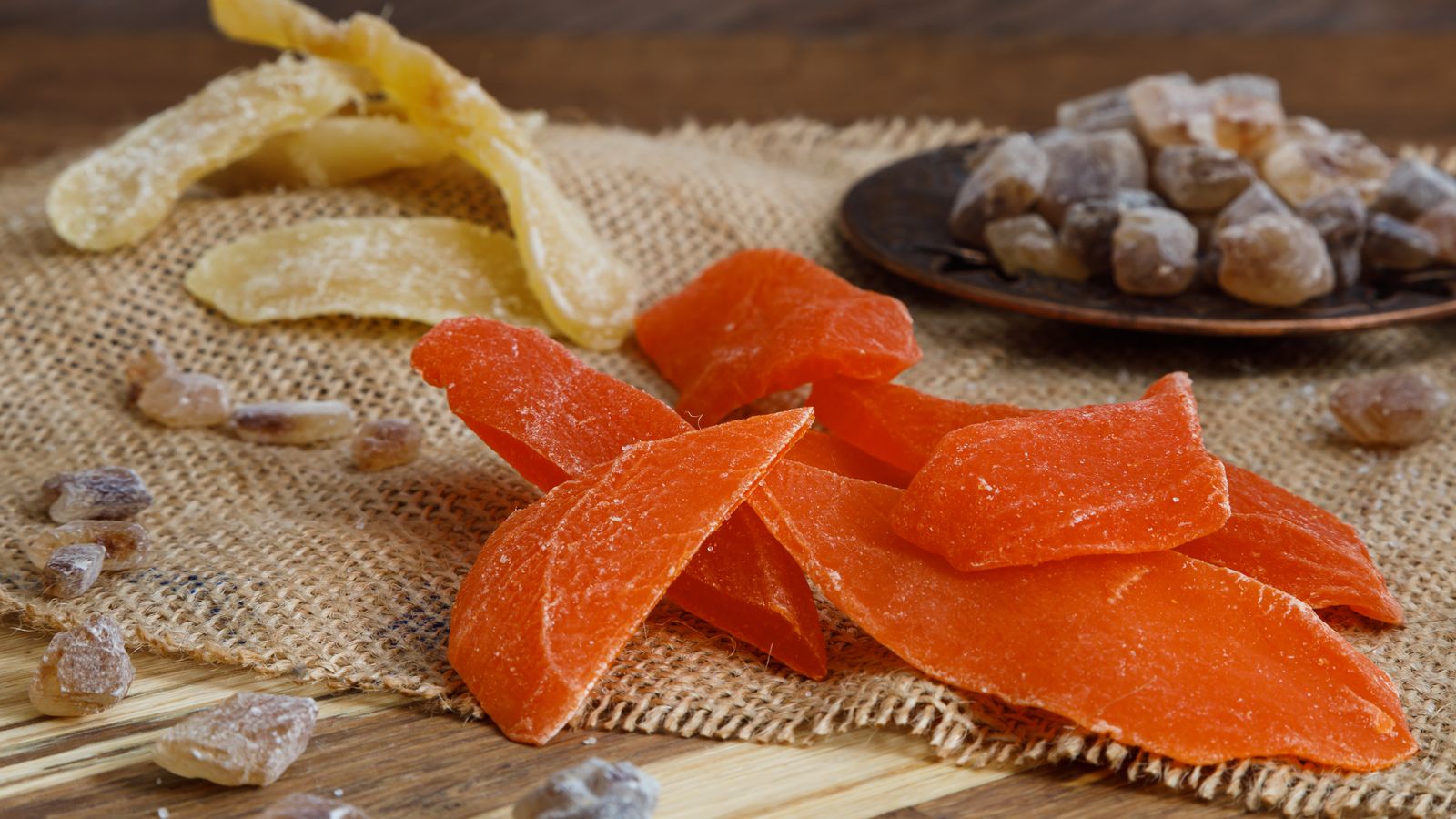
Dehydrating fruit is the opposite job from searing. Instead of high heat for a short time, it requires low, stable heat — often between 90°F and 140°F — held steady for many hours, sometimes overnight. Fruit needs to lose moisture slowly and evenly so it doesn’t scorch on the outside while staying wet in the middle. Not every air fryer can even reach temperatures that low, and fewer still can hold them reliably for long stretches without cycling on and off in a way that causes uneven drying.
Key features to look for
- A true low-temperature setting, ideally down to around 90°F, since standard air fryer minimums (usually 200°F or higher) are far too hot for fruit.
- A long-duration timer or a dedicated dehydrate mode that can run for 6–12 hours without needing to be manually restarted.
- Multiple stackable racks so you can process a full batch of sliced apples, mango, or berries in one session instead of running several small loads.
- Gentle, even airflow that dries fruit uniformly rather than blasting one side with concentrated heat.
If you’re preserving seasonal fruit, making healthier snacks, or just prefer dried fruit without added sugar or preservatives, look specifically at air fryers for dried fruit that include a genuine low-temperature dehydrate function rather than models that only advertise it as an afterthought.
Side-by-Side: How the Three Use Cases Compare
| Factor | Donuts | Vegetables & Meat | Dried Fruit |
|---|---|---|---|
| Typical temperature | 320°F–350°F | 375°F–450°F | 90°F–140°F |
| Typical cook time | 8–12 minutes | 10–25 minutes | 6–12 hours |
| Airflow needs | Gentle, even | Strong, aggressive | Slow, consistent |
| Basket style | Flat tray, shallow | Wide, shallow | Multi-rack, stackable |
| Best for | Weekend baking, breakfast treats | Everyday dinners | Bulk food preservation, snacking |
Looking at this table, it becomes clear these aren’t just marketing categories — the actual mechanics of donuts, vegetables and meat, and dried fruit ask for different temperature ranges, cook durations, and basket designs. Trying to force one job into a machine built for another usually means compromised results.
Can One Air Fryer Do All Three Jobs Well?
Some higher-end multi-function models genuinely can cover all three needs reasonably well, especially units with a wide temperature range (from around 90°F up to 450°F), multiple preset modes, and accessory racks included in the box. If you only cook each of these dishes occasionally, a well-reviewed all-rounder may be worth it instead of buying three separate machines.
That said, versatility often comes with tradeoffs. A machine engineered to do everything reasonably well rarely does any single task as well as a model purpose-built for it. If donuts, seared dinners, or dried fruit are things you make often — not just occasionally — a dedicated or specialty-leaning unit will typically give you more consistent results.
Ask yourself these questions
- What do I cook most often? Count actual weekly use, not aspirational use.
- Do I need true low-temperature dehydrating? Many budget fryers simply can’t go low enough for fruit, no matter how the listing is worded.
- How much counter and storage space do I have? Owning three specialized machines only makes sense if you have room for them.
- What’s my budget? A single strong all-rounder is often more cost-effective than three single-purpose machines, but a dedicated unit is usually cheaper than a premium do-everything model.
Budget Considerations
Entry-level air fryers focused purely on frying vegetables and searing meat tend to be the most affordable and widely available, since that’s the mainstream use case most brands design around first. Donut-capable models with even heat distribution and a proper flat tray often sit in the mid-range. Dedicated dehydrating-capable units, especially ones with multiple racks and a genuine low-temperature mode, tend to cost more because the extra electronics and longer-duration components add to manufacturing cost. If budget is tight, prioritize the single feature set that matches what you’ll actually cook most, rather than paying for capabilities you’ll rarely use.
Common Mistakes When Choosing an Air Fryer for These Tasks
- Assuming any “low” setting is low enough for dehydrating. Many air fryers only go down to 200°F, which will cook fruit instead of drying it.
- Overcrowding the basket for vegetables and meat. Even a high-heat model will steam instead of crisp if the basket is packed too tightly.
- Ignoring basket depth for donuts. Dough needs room to rise; a deep, narrow basket can crush the shape or cause uneven cooking.
- Buying based on wattage alone. Higher wattage doesn’t guarantee better airflow design or more even heat distribution.
Frequently Asked Questions
Can a regular air fryer make donuts without a special model?
Yes, many standard air fryers can bake donuts reasonably well, but results tend to improve noticeably on models with more even heat distribution and a flat, non-stick tray designed for baked goods rather than a deep fry basket.
What temperature is too high for drying fruit?
Once temperatures climb past roughly 140°F–150°F, fruit starts to cook rather than dehydrate, which can harden the exterior while trapping moisture inside and shortening shelf life.
Do vegetables and meat really need a different air fryer than baked goods?
Not necessarily a different machine, but they do need different settings and technique. High heat and strong airflow that crisp vegetables beautifully can dry out or unevenly brown delicate baked dough.
Is it worth buying three separate air fryers?
Only if you use each function often enough to justify the counter space and cost. Occasional bakers and dehydrators are usually better served by a versatile mid-to-high-end model, while frequent users of any one function benefit more from a dedicated machine.
How do I know if a model has a genuine dehydrate function?
Check the listed minimum temperature and maximum timer length. A true dehydrate mode should offer a minimum around 90°F–100°F and allow continuous run times of at least 6–8 hours.
Final Thoughts
The best air fryer for you isn’t the one with the longest feature list — it’s the one that matches how you actually cook. If weekend baking and homemade donuts are your thing, prioritize even heat and a proper tray. If dinner prep built around vegetables and meat is the daily routine, look for high heat and strong airflow in a wide basket. And if you’re preserving fruit or making healthier snacks in bulk, a genuine low-temperature dehydrate function with multiple racks matters more than raw power. Once you know which of these three jobs you’ll lean on most, narrowing down the right air fryer becomes a much easier decision.