
Cooking vegetables and meat together in an air fryer sounds simple until you actually try it: the chicken thighs are still pink while the broccoli has turned to charcoal, or the zucchini turns to mush waiting for the pork chops to finish. If you’re new to air frying, this guide walks you through everything a beginner needs to know to cook vegetables and meat successfully – together, in batches, or side by side – without wasting food or guessing at timers.
Why the Air Fryer Is Great for Vegetables and Meat
An air fryer works by circulating very hot air rapidly around food, which crisps the exterior while keeping the inside tender – essentially a compact, faster convection oven. For vegetables, this means caramelized edges without the sogginess you often get from steaming or microwaving. For meat, it means a crisp, browned crust similar to pan-searing, but with far less oil and far less cleanup.
Cooking the two together has real advantages once you understand how to manage it: you save counter space, cut your cook time compared to using an oven and a stovetop separately, and end up with a complete, balanced meal from a single appliance. The challenge is that vegetables and meat rarely cook at the same rate, so a little planning goes a long way.
Key Features to Look For
If you’re shopping for (or already own) an air fryer specifically for mixed vegetable-and-meat cooking, a few features make the process noticeably easier:
- Basket capacity: A 5-8 quart basket gives you enough surface area to keep vegetables and meat from overlapping, which is essential for even crisping.
- Multiple baskets or a divider: Some models include a divider or two independent baskets so you can cook meat and vegetables side by side at different temperatures without flavors bleeding together.
- Wide temperature range: Look for a unit that goes from roughly 180°F up to 400°F, since delicate vegetables often need lower, gentler heat than meat.
- Shake or rotate reminders: A built-in timer prompt to shake the basket helps vegetables brown evenly, since they shift around less than you’d expect on their own.
- Removable, dishwasher-safe parts: Cooking meat and vegetables together can get greasy; easy-clean components make it far less of a chore.
For a closer look at models built with these features in mind, this roundup of air fryers for vegetables and meat compares baskets, capacities, and temperature controls side by side so you can match a machine to how you actually cook.
How to Cook Vegetables and Meat Together: Step-by-Step
There are two reliable approaches for beginners: cooking everything in the same basket at once (best when the cook times are close), or staggering the additions so faster-cooking vegetables go in after the meat has a head start. Here’s how to do both.
Method 1: Same-Basket, Staggered Timing
- Preheat the air fryer. Most models benefit from a 3-5 minute preheat at your target temperature; this helps meat sear immediately instead of steaming.
- Season the meat and vegetables separately. Toss vegetables in a small amount of oil, salt, and pepper in one bowl, and season your protein (chicken, pork, or beef) in another so flavors don’t compete unevenly.
- Start the meat alone. Place the meat in the basket in a single layer and cook it for the portion of time it needs before vegetables would be done – for example, if chicken thighs take 18 minutes and your vegetables only need 10, start the chicken first.
- Add the vegetables partway through. Open the basket, push the meat to one side, and add the vegetables so both finish at roughly the same time.
- Shake or toss halfway. Pause the cycle once to shake the basket or flip pieces with tongs, which prevents flat, unevenly browned spots.
- Check internal temperature. Use a meat thermometer to confirm the protein has reached a safe internal temperature (165°F for poultry, 145°F for pork and whole cuts of beef) before serving.
- Rest briefly, then serve. Let meat rest for 3-5 minutes off the heat so juices redistribute, while the vegetables stay warm in the basket.
Method 2: Batch Cooking for Larger Meals
- Cook the meat first, in full. This is the more reliable method for larger cuts like turkey breast or thick pork chops that need consistent, uninterrupted heat.
- Tent the meat with foil. While the vegetables cook, loosely cover the meat to keep it warm without continuing to cook it further.
- Cook the vegetables in the same basket. The residual fat and browned bits left behind add flavor to the vegetables – no need to wash the basket between rounds.
- Combine and serve. Slice the meat and plate it alongside the vegetables once both are done.
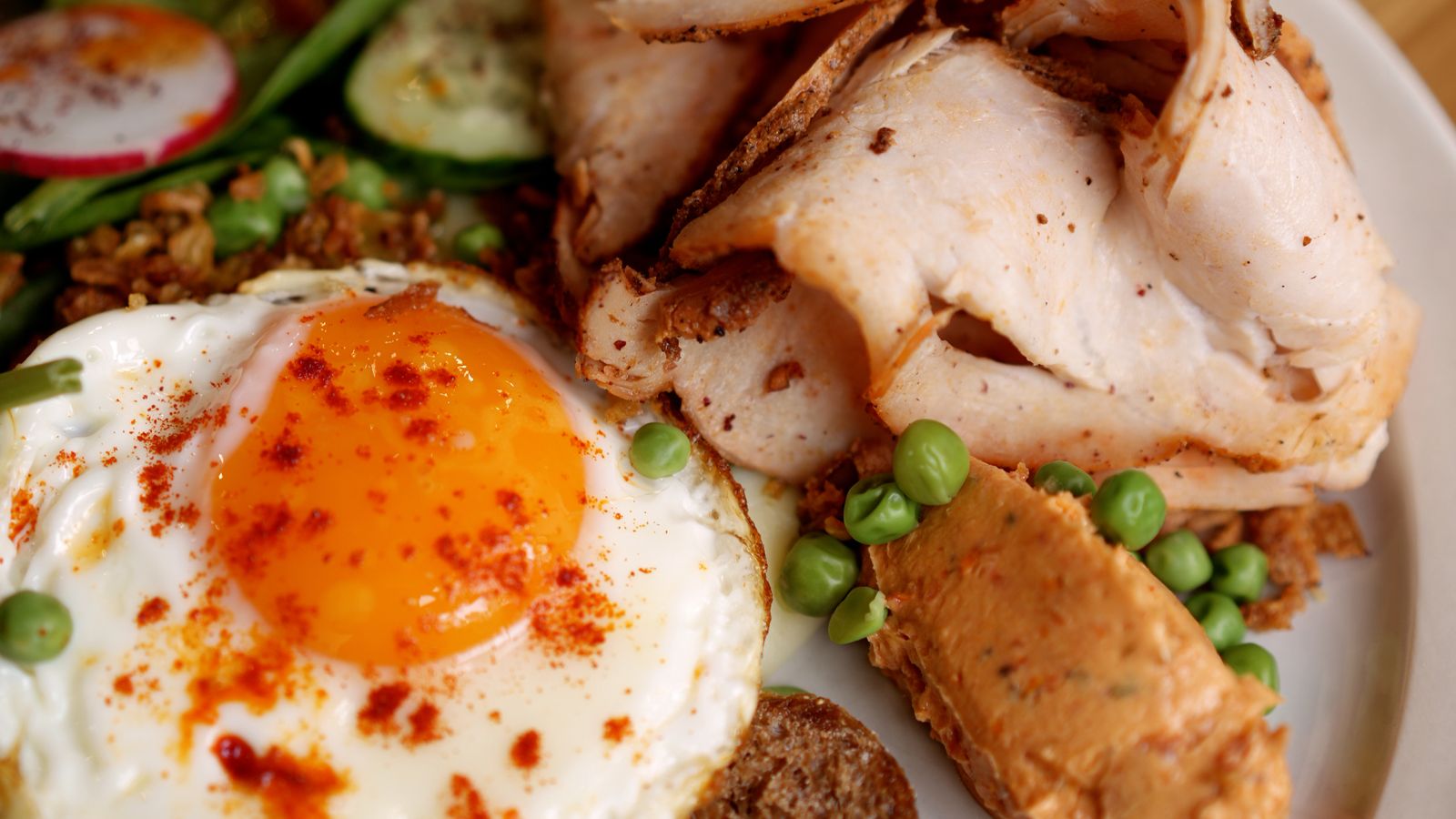
Batch cooking is especially useful for a whole turkey breast, which needs a longer, steadier cook than most vegetables can tolerate. If you’re planning a larger cut like this, it’s worth choosing a machine with enough basket depth and consistent heat distribution – see this guide to air fryers for turkey breasts for models that handle bigger cuts of meat without drying out the exterior before the inside is fully cooked.
Matching Cook Times: A Quick Reference
Every air fryer varies slightly, but these general ranges at 375-400°F will get you close on your first try:
- Chicken thighs (bone-in): 18-22 minutes
- Chicken breast (boneless): 15-18 minutes
- Pork chops (1-inch thick): 12-15 minutes
- Ground beef patties: 10-12 minutes
- Broccoli or cauliflower florets: 8-10 minutes
- Carrots or potatoes (cubed): 12-15 minutes
- Zucchini or bell peppers (sliced): 7-9 minutes
- Asparagus: 6-8 minutes
Notice that root vegetables like carrots and potatoes take almost as long as meat, while softer vegetables such as zucchini and asparagus cook much faster. Grouping vegetables by density, rather than tossing everything in at once, is the single biggest improvement a beginner can make.
Tips for Better Results
- Don’t overcrowd the basket. Air needs to circulate around each piece; a packed basket steams food instead of crisping it. Cook in batches if needed.
- Cut vegetables and meat into similar sizes. Uniform pieces cook more evenly, whether that’s cubed chicken and cubed potatoes, or sliced pork and sliced peppers.
- Pat meat dry before seasoning. Excess moisture slows browning; a dry surface crisps much faster and more evenly.
- Use a light coat of oil, not a drench. A teaspoon or two per batch is usually enough – air fryers don’t need the oil a deep fryer does.
- Line the basket only when needed. Parchment liners with holes can help with sticky marinades, but avoid covering the entire basket, which blocks airflow.
- Keep a thermometer nearby. Visual doneness cues can be misleading in an air fryer since the exterior browns quickly; a thermometer removes the guesswork.
Common Mistakes Beginners Make
- Adding everything at once regardless of cook time. This is the most common error and the main reason vegetables end up either burnt or undercooked.
- Skipping the preheat. Cold-starting a basket adds several minutes and often results in soggier vegetables.
- Using too much oil. Excess oil can pool and smoke, especially with fattier cuts of meat, and doesn’t actually improve crispness.
- Not shaking or flipping halfway. Food closest to the heating element browns faster; a mid-cook shake evens things out.
- Ignoring the manual’s temperature quirks. Some air fryers run hotter than their displayed temperature suggests – it’s worth doing a test batch to calibrate your specific machine.
Simple Meal Ideas to Practice With
Once you’re comfortable with basic timing, these combinations are forgiving starting points for beginners:
- Chicken thighs with cubed sweet potatoes and Brussels sprouts
- Sliced pork chops with bell peppers and red onion
- Ground beef patties with a side of tater tots for a quick weeknight dinner
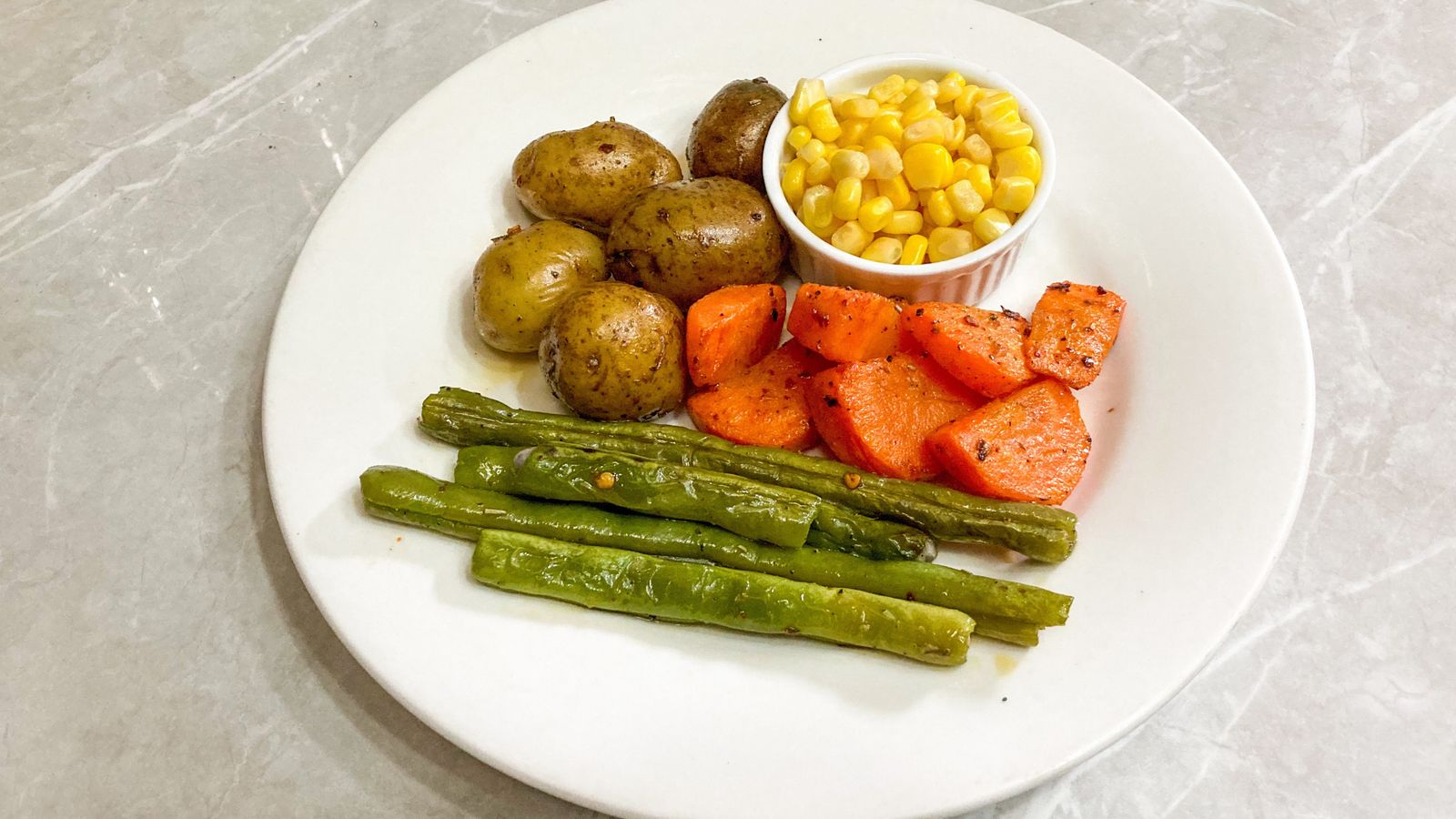
- Sliced turkey breast with roasted carrots and green beans
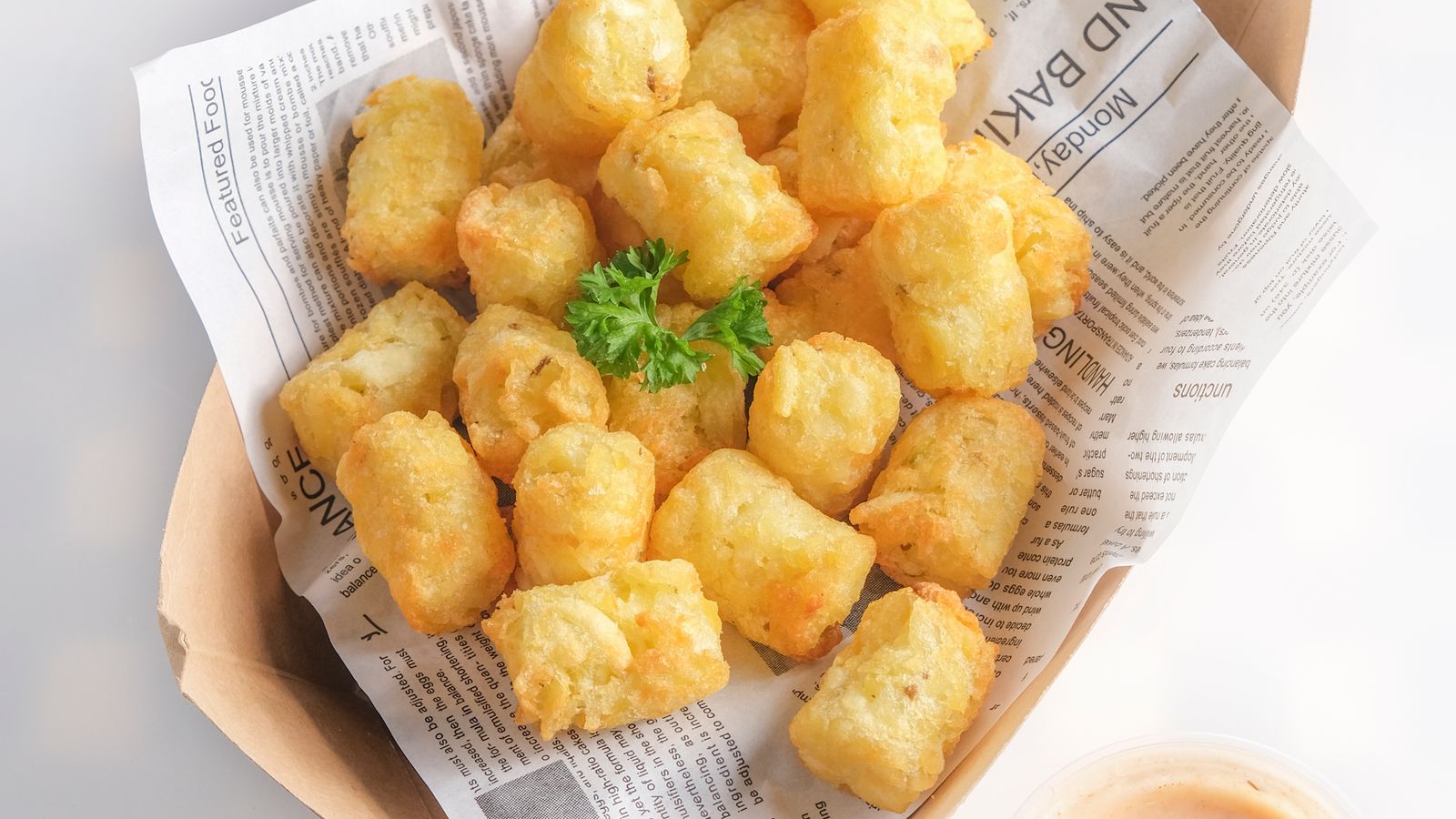
Tater tots are a great way to practice batch timing since they need a specific temperature and shake schedule to crisp properly without breaking apart. If you find yourself making them often as a side dish alongside meat, it’s worth checking out this comparison of air fryers for tater tots to see which baskets and presets deliver the crispiest results.
Cleaning Up After Cooking Meat and Vegetables Together
Because meat renders fat while vegetables release moisture, the basket can get greasier than when you cook vegetables alone. Let the basket cool slightly, then soak it in warm soapy water for a few minutes before scrubbing – this loosens baked-on residue far more easily than scrubbing while it’s still hot. Most baskets and trays are dishwasher-safe, but check your manual, since nonstick coatings can degrade faster with high-heat dishwasher cycles.
Frequently Asked Questions
Can I cook raw meat and vegetables in the air fryer at the same time?
Yes, as long as you account for their different cook times. Starting the meat first and adding vegetables partway through is the most reliable way to ensure both are fully and safely cooked.
Do I need to use a divider in the basket?
A divider isn’t required, but it helps if you’re cooking foods with very different flavors or cook times, since it prevents drippings from one food from coating the other.
Why do my vegetables come out soggy?
Overcrowding is the most common cause. Too much food blocks airflow, which traps steam instead of letting it escape. Cooking in two smaller batches usually solves this.
What temperature works best for both meat and vegetables?
375-400°F works for most combinations, though delicate vegetables like leafy greens or thin asparagus may do better closer to 350°F to avoid burning before the meat finishes.
Is it safe to reuse the same basket for meat right after vegetables?
Yes, as long as the basket reaches a safe cooking temperature during the next batch. If you’re concerned about cross-contamination with raw meat, a quick wipe-down between batches is a good habit.
Final Thoughts
Cooking vegetables and meat together in an air fryer is less about a single perfect recipe and more about understanding timing, density, and airflow. Once you get a feel for which foods cook fast and which need a head start, you’ll be able to build balanced, complete meals in well under 30 minutes with minimal cleanup. Start with the staggered method above, keep a thermometer handy, and adjust from there based on how your specific machine runs.