
If you’ve ever pulled up a damp carpet edge or spotted a suspicious stain on drywall, you’ve probably faced the same question: do you need a tool that tells you what’s wrong, or a tool that fixes it? A moisture detection meter and a spray bottle sound like they belong to completely different toolkits, and in a sense they do. One is a diagnostic instrument that measures how much water is trapped inside a material. The other is a simple application device that delivers cleaning solution, disinfectant, or plain water exactly where you need it. Understanding when to reach for each one – and why you often need both – will save you from guessing, over-cleaning, or missing hidden damage that gets worse over time.
This guide breaks down exactly what each tool does, how they differ in purpose and use, and how to decide which one (or which combination) fits your cleaning or home-maintenance situation.
What a Moisture Detection Meter Actually Does
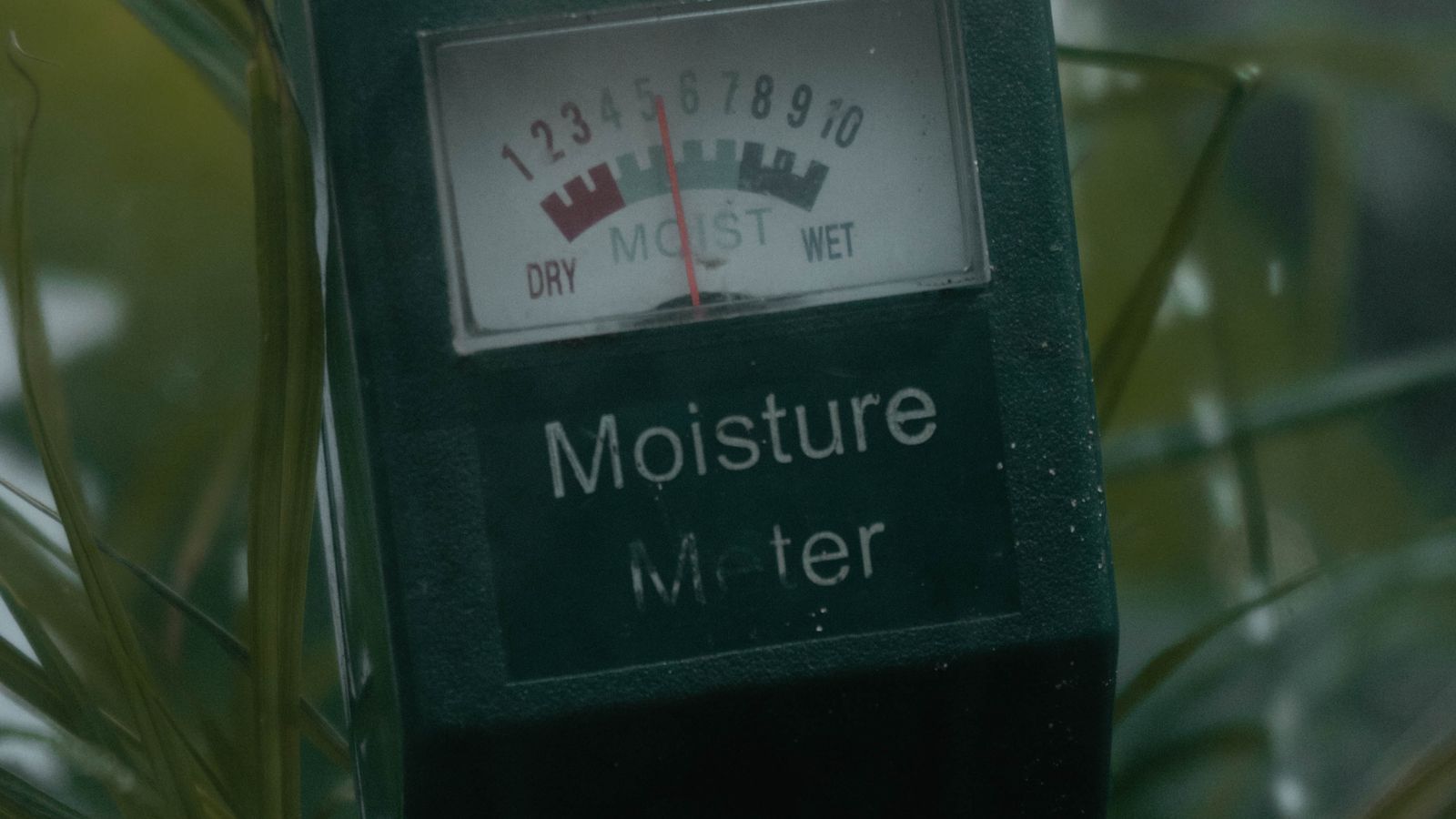
A moisture detection meter is a diagnostic instrument, not a cleaning tool. It measures the amount of water content inside a material – wood, drywall, carpet padding, concrete, or subflooring – and reports a numeric reading or a relative signal (often a simple green/yellow/red scale on consumer models). Professionals and serious DIYers use these meters to answer questions like:
- Is this water stain from an old, already-dried leak, or is moisture still present?
- Did the carpet cleaning process fully dry, or is there residual dampness that could cause mold?
- Is there a hidden plumbing leak inside a wall cavity?
- Has flood-damaged material dried enough to be safely repaired or covered?
There are two common types of moisture meters: pin-type meters, which use two small probes inserted into the material to measure electrical resistance, and pinless (non-invasive) meters, which use electromagnetic sensors pressed against the surface to detect moisture without puncturing it. Pin-type meters tend to be more precise for a specific spot, while pinless meters are faster for scanning large areas without leaving marks. If you want to compare specific models and price points, our roundup of moisture detection meters covers both types in detail.
The key thing to understand is that a moisture meter does not clean, treat, or dry anything. It only tells you the current state of a material so you can decide what to do next – whether that’s running a dehumidifier, calling a restoration company, or simply confirming that a cleaned carpet is safe to walk on again.
What a Spray Bottle Is Actually For
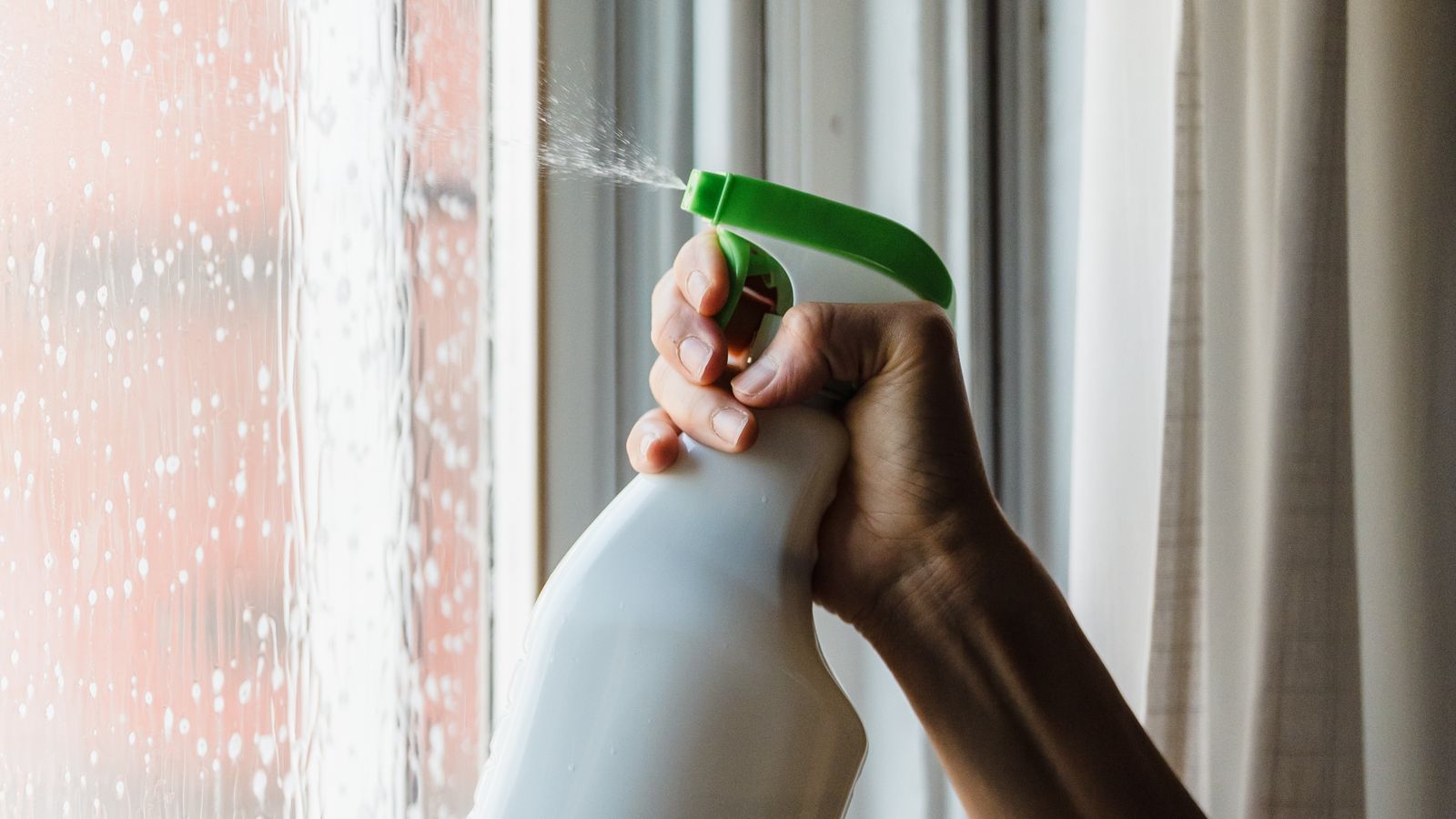
A spray bottle is the opposite kind of tool: it’s an application device, not a diagnostic one. Its entire job is to deliver liquid – water, a diluted cleaner, a disinfectant, a stain pre-treatment, or a deodorizer – in a controlled mist or stream onto a surface. Spray bottles are inexpensive, refillable, and endlessly versatile, which is why almost every household and cleaning cart has several in rotation.
Common uses include:
- Pre-treating carpet stains before blotting or extraction
- Applying glass and mirror cleaner in a fine, even mist
- Disinfecting countertops, doorknobs, and high-touch surfaces
- Misting plants or lightly dampening fabric before ironing
- Applying odor neutralizers or fabric fresheners
Quality matters more than people expect here. A cheap, worn-out trigger sprayer clogs, leaks, or produces an inconsistent stream instead of a fine mist, which wastes product and leaves uneven coverage. A well-built spray bottle with an adjustable nozzle gives you control over whether you want a fine mist for glass or a heavier stream for saturating a stubborn stain. Our guide to spray bottles for cleaning compares durable, chemical-resistant options that hold up to repeated daily use.
Key Differences Between the Two Tools
Comparing a moisture meter to a spray bottle isn’t really an apples-to-apples matchup, but understanding the contrast helps clarify when each one belongs in your process.
Purpose: Measuring vs. Applying
A moisture meter measures a condition. A spray bottle applies a substance. They sit at opposite ends of a cleaning or restoration workflow – the meter tells you what’s happening inside a material, while the spray bottle lets you act on a surface.
When You Use Them
You typically reach for a spray bottle constantly, during almost every cleaning session – wiping counters, treating stains, disinfecting surfaces. A moisture meter, by contrast, comes out situationally: after a spill, after carpet cleaning, after a leak, or during a seasonal inspection of basements and crawl spaces.
Skill and Interpretation
Using a spray bottle requires almost no learning curve. Using a moisture meter effectively requires understanding what a “normal” reading looks like for a given material, since wood, drywall, and concrete all have different baseline moisture ranges. A reading that’s fine for concrete could indicate a real problem in drywall.
Cost and Investment
Spray bottles are a low-cost, replace-as-needed item. Moisture meters range from budget pin-type models to more advanced pinless meters with digital displays and data logging, representing a bigger one-time investment that pays off if you deal with water damage, rentals, or humidity-sensitive storage areas regularly.
Use-Case Comparison: Which Situation Calls for Which Tool
Here’s a practical breakdown of common scenarios and which tool actually solves the problem:
- Routine surface cleaning (counters, glass, bathrooms): Spray bottle. No moisture question here – you just need consistent application.
- Carpet stain treatment: Spray bottle for pre-treatment and rinsing, with a moisture meter afterward to confirm the carpet and padding have dried fully before furniture goes back or the room is closed off.
- Checking for a hidden leak behind a wall or under flooring: Moisture meter only – a spray bottle has no role here.
- Post-flood or post-leak cleanup: Both. Spray bottles apply antimicrobial treatment, while a moisture meter tracks the drying progress over several days to confirm mold risk has passed.
- Deep carpet or upholstery cleaning with a machine: A moisture meter is especially useful here, since over-wetting is one of the most common mistakes with rented or owned commercial carpet extractors – too much residual moisture in carpet padding invites mold and mildew if it isn’t caught early.
- Seasonal basement or crawl space inspection: Moisture meter, used proactively rather than reactively, to catch rising dampness before it becomes visible damage.
How to Decide: A Simple Decision Framework
If you’re still unsure which tool your situation calls for, ask yourself these questions in order:
- Am I trying to clean, disinfect, or apply a liquid to a surface? If yes, you need a spray bottle. This covers the overwhelming majority of everyday cleaning tasks.
- Am I trying to find out whether water is present, or how much, inside a material I can’t see through? If yes, you need a moisture meter. This applies to hidden leaks, post-flood assessments, and drying verification.
- Am I dealing with a situation where both apply – like deep cleaning followed by a drying check? Many carpet cleaning and water-damage scenarios genuinely need both tools working together: the spray bottle to treat, the meter to verify the outcome.
- Is this a one-time task or a recurring responsibility? If you manage a rental property, run a cleaning business, or live somewhere prone to humidity issues, investing in a reliable moisture meter alongside your spray bottles pays for itself by catching problems early.
Budget Considerations
Spray bottles are one of the cheapest tools in any cleaning arsenal, and it’s worth buying a few good-quality ones rather than a pile of flimsy ones that clog within weeks. Look for chemical-resistant construction, an adjustable nozzle, and a comfortable trigger if you’ll be using it repeatedly.
Moisture meters span a wider price range. Basic pin-type meters are affordable and fine for occasional homeowner use, like checking firewood dryness or a single suspicious stain. Pinless meters with a digital display and broader scanning range cost more but are far more efficient if you’re checking multiple rooms, large flooring areas, or doing this work regularly. If moisture checks are a rare event for you, a budget pin-type model is usually enough – save the higher-end pinless meter for frequent or professional-adjacent use.
Common Mistakes to Avoid
- Assuming a surface looks dry means it is dry. Carpet padding and subflooring can hold moisture long after the visible surface feels dry to the touch – this is exactly what a moisture meter is for.
- Over-wetting carpet or upholstery during cleaning. Using too much liquid from a spray bottle or extraction machine without checking moisture levels afterward is one of the leading causes of mildew odor in cleaned carpets.
- Using a pin-type meter on finished surfaces you don’t want punctured. Switch to a pinless meter for hardwood floors, painted drywall, or any surface where small holes are a problem.
- Buying a cheap spray bottle for chemical use. Some trigger sprayers degrade quickly when used with bleach or strong disinfectants – check chemical compatibility before committing to daily use.
Frequently Asked Questions
Can I use a moisture meter to check if my carpet cleaning worked?
Yes – this is one of the most practical everyday uses for a consumer-grade moisture meter. After deep cleaning or extraction, scan the carpet and padding to confirm moisture levels have dropped to a safe range before closing off the room or replacing furniture.
Do I need a professional-grade moisture meter for home use?
Not usually. A basic pin-type or entry-level pinless meter is sufficient for occasional homeowner checks. Professional-grade meters with data logging are more useful for restoration contractors or anyone doing frequent, documented moisture assessments.
What’s the difference between pin-type and pinless moisture meters?
Pin-type meters insert small probes into the material for a precise, localized reading, while pinless meters scan the surface non-invasively using electromagnetic sensors. Pinless models are faster for covering large areas without leaving marks, while pin-type models can be more accurate for a specific known spot.
Can a spray bottle replace a proper cleaning machine?
For light surface cleaning, yes. But for deep carpet or upholstery cleaning, a spray bottle is best used for pre-treatment and spot cleaning, while a proper extraction machine handles the deeper wash and rinse cycle.
How often should I check for moisture in my home?
A seasonal check of basements, crawl spaces, and any area with a history of leaks is a reasonable routine. After any spill, leak, or flooding event, check daily until readings return to a normal baseline.
Final Thoughts
A moisture detection meter and a spray bottle aren’t really competing products – they’re complementary tools that solve different problems. The spray bottle handles the everyday work of applying cleaners, disinfectants, and treatments. The moisture meter handles the less frequent but critical work of confirming what’s happening beneath the surface, whether that’s verifying a carpet has fully dried or catching a hidden leak before it turns into a bigger repair. If your cleaning routine involves carpets, upholstery, or any material prone to trapping water, having both tools on hand – and knowing which one the situation calls for – is the difference between guessing and knowing for sure.