
Bringing home a new air fryer is exciting, but that excitement can fade fast once you realize the basket is empty and you have no idea where to start. Should you make fries first? Reheat leftovers? Try a whole chicken? Building a simple, repeatable air fryer menu takes the guesswork out of weeknight cooking and helps you get real value from the appliance instead of letting it collect dust on the counter. This guide walks you through everything you need to plan a beginner-friendly air fryer menu: the essential foods to master first, how to match recipes to your machine, budgeting for accessories, and the mistakes that trip up almost every new owner.
Why a Menu Plan Matters More Than a Recipe Box
Most people buy an air fryer because they saw a viral fries video, then never build beyond that one dish. A menu plan is different from a random pile of recipes – it groups foods by cook style (crispy, roasted, reheated, baked) so you learn the machine’s rhythm instead of memorizing individual timers. Once you understand how your air fryer behaves with a handful of core foods, you can improvise almost any recipe with confidence.
Think of your first month with the appliance as a training period. You are not just cooking dinner – you are calibrating. Every basket size, wattage, and airflow pattern behaves slightly differently, so the same “400°F for 12 minutes” instruction from a recipe card might need to be adjusted up or down for your specific unit.
Step 1: Learn Your Air Fryer’s Personality
Before building a weekly menu, spend a few sessions simply observing how your machine cooks:
- Run a plain batch of frozen fries at the package’s suggested time and check for doneness at the halfway mark.
- Note whether your basket needs shaking, or if a rotating drawer style handles it for you.
- Pay attention to preheat time – some units need two to three minutes, others are ready almost instantly.
- Test your smallest and largest batch sizes so you know how crowding affects crispiness.
This short calibration phase saves you from burnt or soggy food later and gives you a mental baseline to compare every new recipe against.
Step 2: Start With High-Success, Low-Risk Foods
New air fryer owners get discouraged when their first attempt at something ambitious (think stuffed chicken breast or a layer cake) flops. Instead, build early confidence with foods that are nearly foolproof in an air fryer:
Frozen and Pre-Cut Basics
Frozen fries, tater tots, chicken nuggets, and mozzarella sticks are designed for high-heat, dry cooking, which is exactly what an air fryer does best. They are cheap, quick, and forgiving if you overshoot the timer by a minute or two.
Simple Proteins
Bone-in chicken thighs, salmon fillets, and boneless pork chops cook evenly and develop excellent color without needing constant attention. Season simply with salt, pepper, and a light oil coating so you can focus on nailing temperature and timing rather than complicated flavor layering.
Vegetables With Structure
Broccoli florets, brussels sprouts, sliced carrots, and cubed sweet potatoes hold their shape and caramelize nicely. Leafy or watery vegetables (like spinach or sliced tomatoes) are trickier for beginners, so save those for later.
Step 3: Build Around Comfort-Food Favorites
Once you’re comfortable with the basics, expand your menu with the crowd-pleasers that make an air fryer genuinely fun to own. Burgers, fries, and grilled cheese are three of the most-requested air fryer meals, and each teaches a different cooking skill.
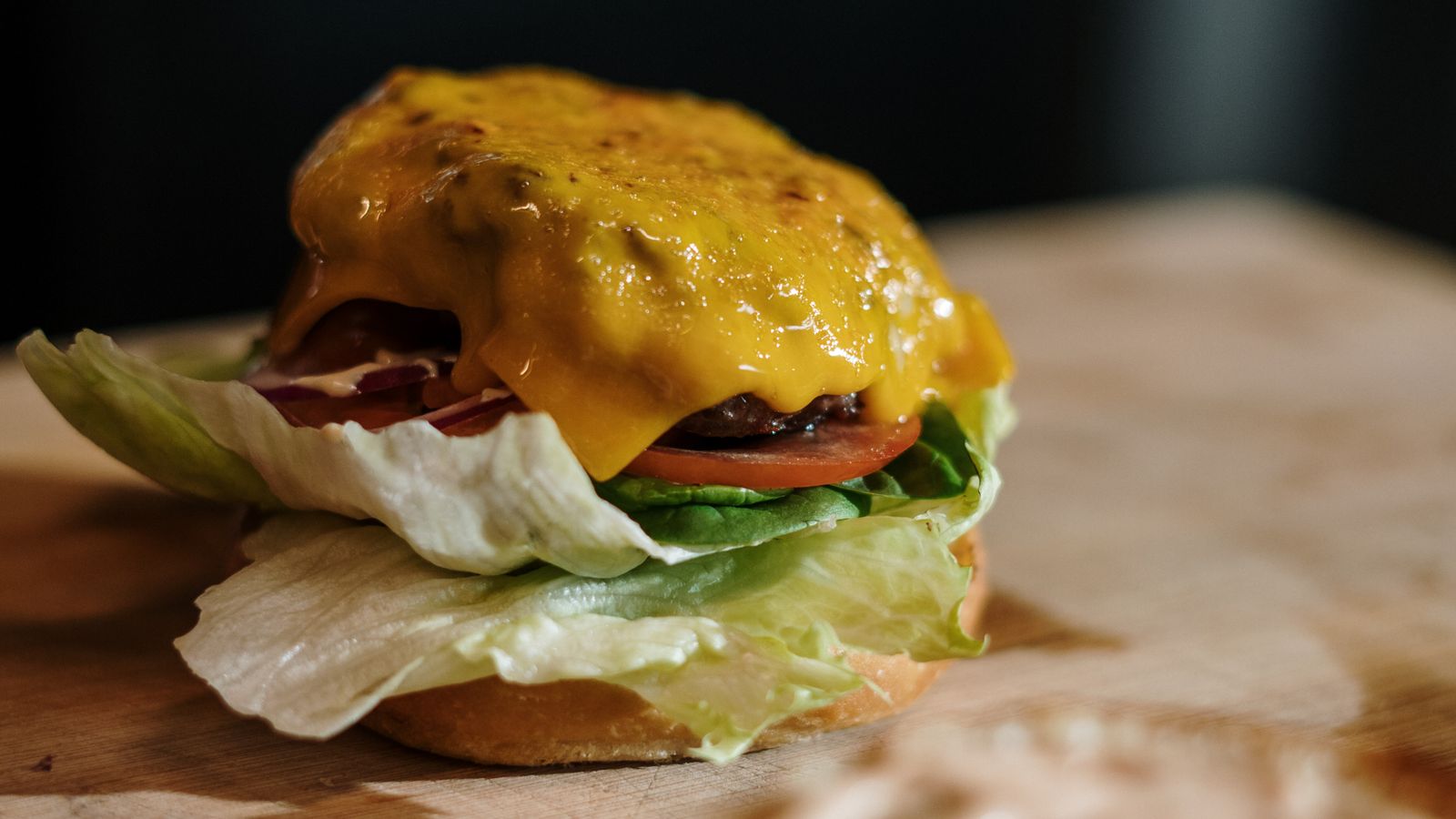
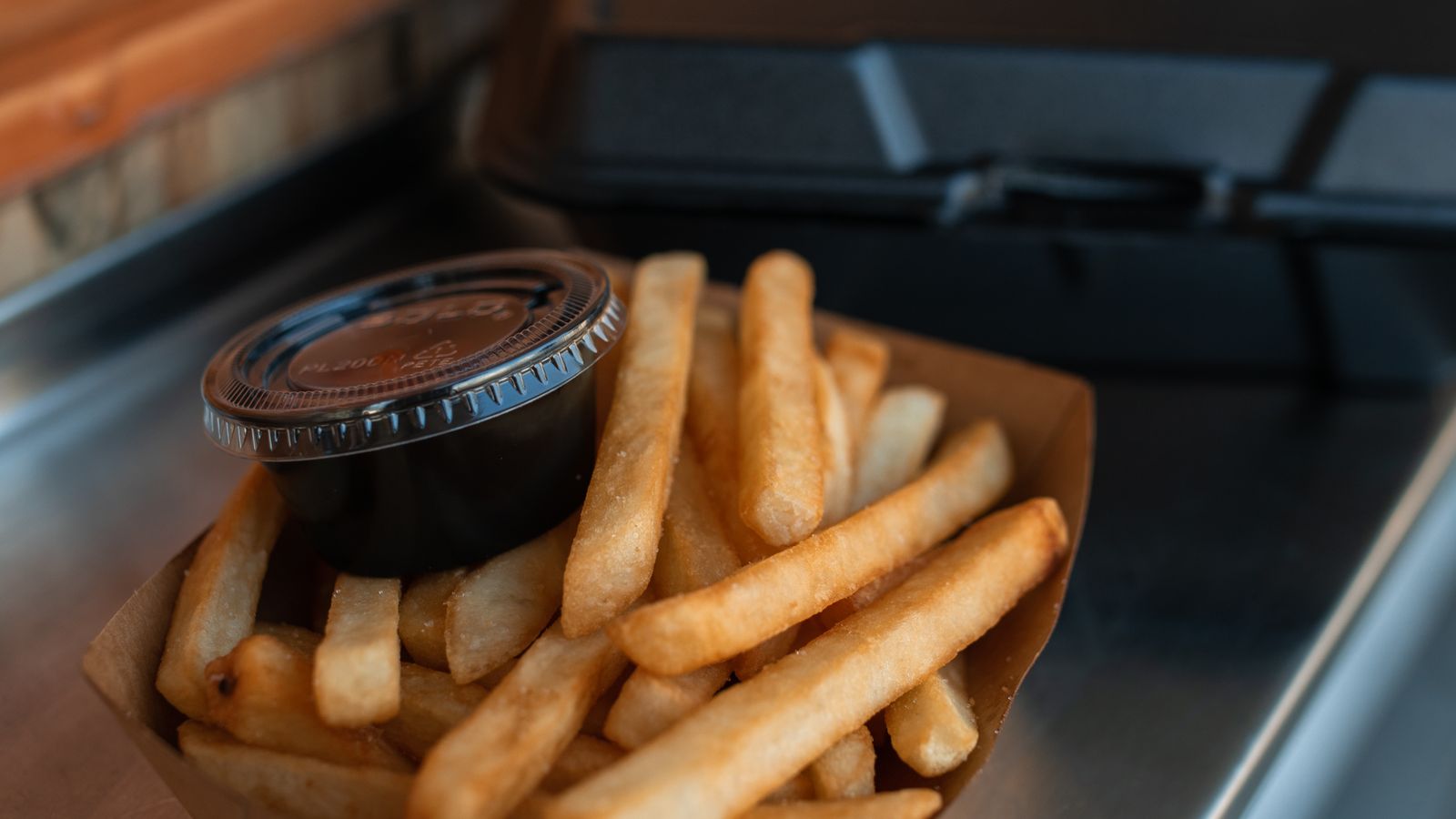
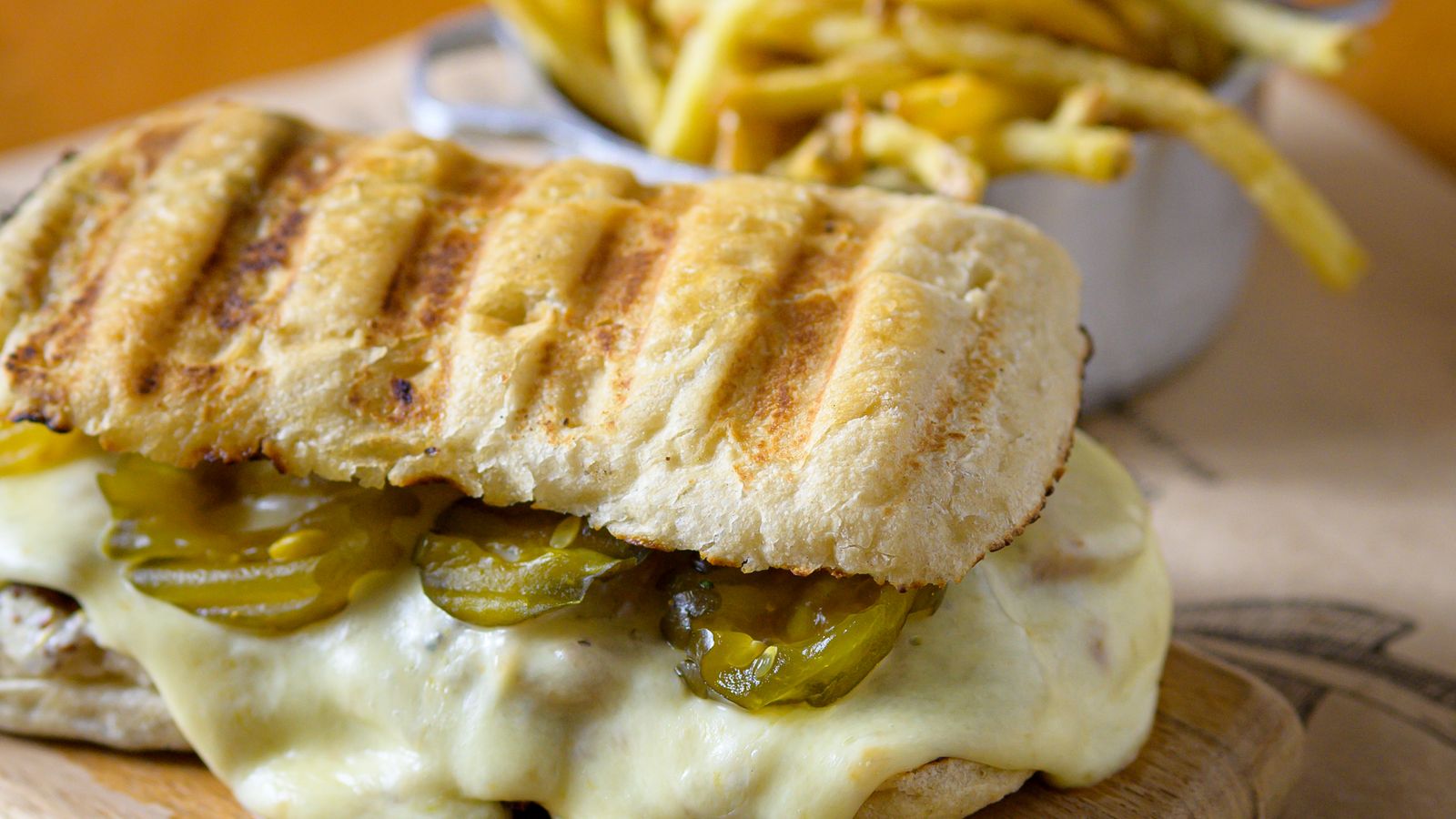
Burgers introduce you to managing fat drippings and internal temperature – a good air fryers for burgers setup can produce a juicy patty with a nicely browned crust in under 12 minutes, without the flare-ups of grilling. Fries, meanwhile, are the classic test of basket space and shake timing; if you plan to make them often, it’s worth comparing dedicated air fryers for fries that offer wider baskets or square-basket designs for better crisping. And grilled cheese teaches you how to manage low, gentle heat for melting without scorching the bread – a good air fryers for grilled cheese pick will have a lower temperature range and even heat distribution that keeps the bread from burning before the cheese melts.
Step 4: Rotate a Weekly Menu Template
Once you have five or six reliable dishes, organize them into a simple rotating template so dinner planning becomes automatic instead of a daily decision. A sample beginner week might look like this:
- Monday: Air fryer chicken thighs with roasted broccoli.
- Tuesday: Burgers and fries night, using your go-to seasoning blend.
- Wednesday: Grilled cheese with a side salad for a lighter meal.
- Thursday: Salmon fillets with sweet potato cubes.
- Friday: Frozen appetizer night – mozzarella sticks, wings, or spring rolls.
- Weekend: Something new – a recipe you haven’t tried yet, cooked when you have time to babysit it.
This structure keeps weeknights predictable while still leaving room to experiment when you’re not rushed.
Step 5: Match Recipes to Your Machine’s Capacity
Menu planning also means being realistic about batch sizes. A 3-quart basket cooking for one or two people has very different limits than a 6-quart or dual-basket model feeding a family. Overcrowding the basket is the single most common reason food turns out soggy instead of crispy – hot air needs space to circulate around each piece.
If you regularly cook for more than two people, consider your menu around foods that can be batch-cooked in shifts (like fries, which stay warm in a low oven while later batches finish) or invest in accessories like stackable racks that let you cook two layers of protein and vegetables at once without doubling your time.
Step 6: Budget for the Right Accessories – Not All of Them
You do not need a full accessory kit to have a great air fryer menu. Start with the essentials:
- A basic instant-read thermometer to confirm protein doneness.
- Parchment liners or silicone mats for sticky or saucy foods.
- A light oil mister for even, low-mess coating.
Skip specialty gadgets until you know you’ll actually use them regularly. Many beginners buy skewer racks or cake pans they use once, then abandon. Let your menu tell you what you’re missing – if you keep wanting to cook two dishes at once, that’s your cue to add a rack; if you keep making fries, that’s your cue to prioritize a model or basket built for crisping them well.
Common Beginner Mistakes to Avoid
Skipping the Shake or Flip
Foods like fries, nuggets, and vegetables cook unevenly if you never redistribute them halfway through. Set a timer reminder until it becomes second nature.
Overloading the Basket
A single crowded layer will steam instead of crisp. Cook in batches rather than piling food on top of itself.
Ignoring Preheat Guidance
Skipping preheat on recipes that call for it can add several minutes to cook time and lead to uneven browning, especially with breaded foods.
Using Too Much Oil
An air fryer needs far less oil than deep frying or even pan searing. A light mist or brush is usually enough – heavy oiling can cause smoking and soggy results.
Building Confidence Beyond the Basics
Once your weekly rotation feels automatic, start layering in variety: try new seasoning blends on the same core proteins, experiment with reheating leftovers (pizza, fried chicken, and egg rolls all come back to life beautifully in an air fryer), or attempt a simple baked good like muffins in a compatible pan. The goal of a starter menu isn’t to limit you – it’s to give you a stable foundation so every new recipe you try afterward has a much higher chance of success.
Frequently Asked Questions
How long does it take to get comfortable with a new air fryer?
Most people feel confident within two to three weeks of regular use, especially if they stick to a rotating menu of five or six dishes before branching out.
Do I need different settings for different foods?
Yes – proteins generally need higher, steadier heat, while delicate items like sandwiches or reheated leftovers do better at lower temperatures for shorter times. Learning these general categories matters more than memorizing exact numbers for every recipe.
Can I cook a full meal at once in an air fryer?
With practice, yes. Staggering cook times (starting a protein first, then adding faster-cooking vegetables partway through) lets you finish a protein and a side together, especially in larger dual-zone baskets.
What’s the easiest first recipe for a total beginner?
Frozen fries or frozen chicken nuggets are the easiest starting point – they’re designed for dry, high-heat cooking and are very forgiving of small timing errors.
How do I know if my air fryer is big enough for my household?
If you consistently need multiple batches to feed everyone, or your food comes out unevenly crisped because the basket is overcrowded, it’s a sign you may need a larger-capacity model or a dual-basket design.
Final Thoughts
A great air fryer menu isn’t about mastering fancy recipes right away – it’s about building a small, reliable rotation of dishes that teach you how your machine behaves. Start with forgiving basics, add in favorites like burgers, fries, and grilled cheese as you gain confidence, and let your own cooking habits guide which accessories are actually worth buying. Within a few weeks, you’ll have a repeatable menu that turns your air fryer from a novelty gadget into one of the most-used appliances in your kitchen.