

Not every air fryer is built for the same job. Roasting a whole chicken calls for a spacious, powerful basket that can circulate hot air evenly around a large piece of meat, while turning out a batch of crispy tater tots is really about surface area, quick preheating, and consistent shaking or tossing without hassle. If you have been comparing models side by side and wondering why one seems perfect for weeknight snacks but disappointing for Sunday dinner, the answer usually comes down to capacity, basket shape, and airflow design. This guide breaks down exactly what separates an air fryer built for whole chickens from one built for tater tots, so you can choose the right tool for the meals you actually cook most.
Why the Comparison Matters
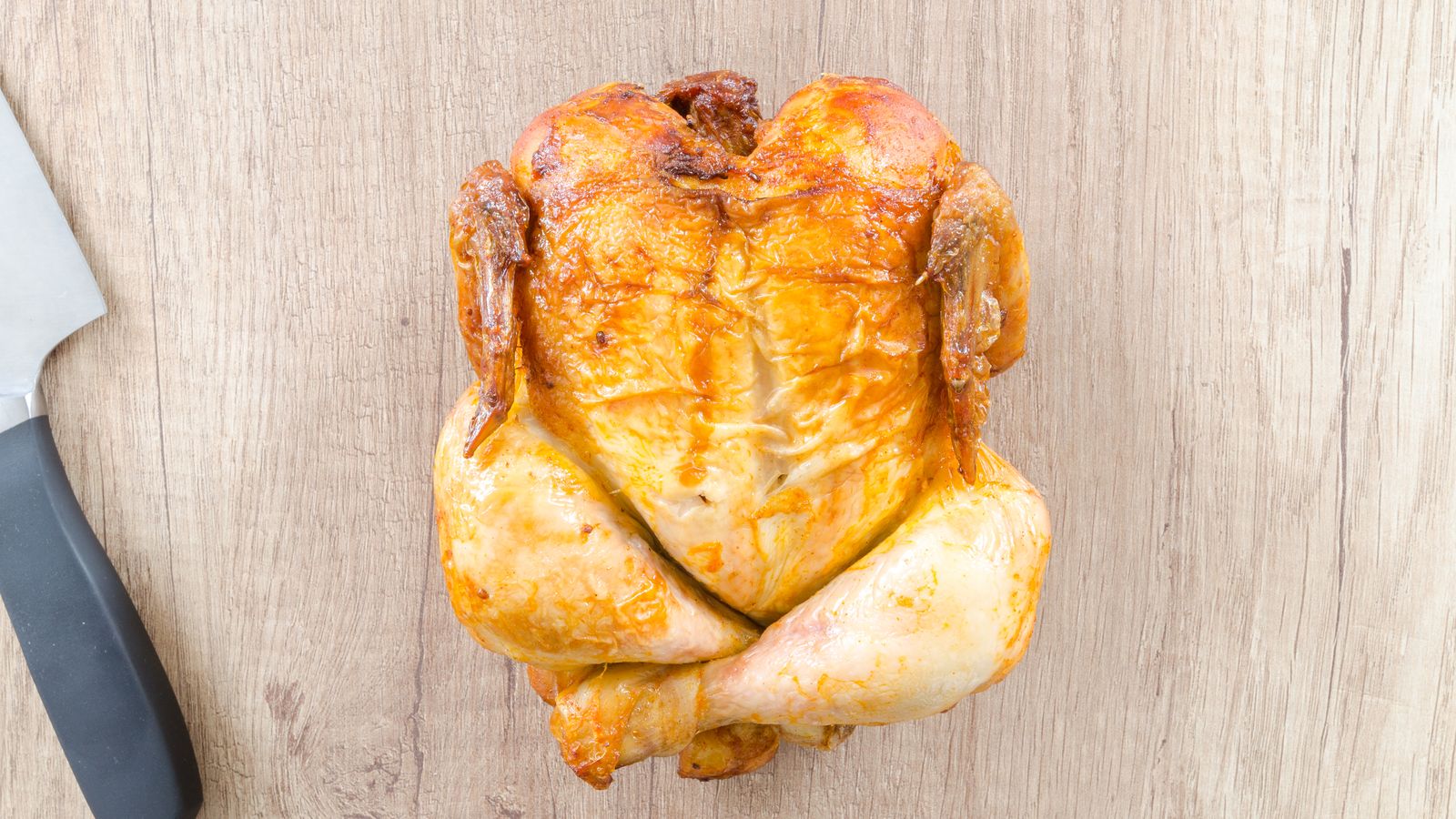
On the surface, both tasks seem simple: put food in a basket, set a temperature, and wait for something crispy. In practice, the physical requirements are quite different. A whole chicken is a single, dense object that needs sustained heat penetration from all sides for 45 minutes to over an hour. Tater tots are dozens of small pieces that need rapid, even browning on their exterior in a much shorter window, often 12 to 18 minutes. These two goals put very different demands on an air fryer’s chamber size, fan strength, and basket geometry, which is why a machine optimized for one job can feel clumsy at the other.
What a Whole Chicken Needs From an Air Fryer
Capacity and Clearance
A whole chicken, even a modest 4 to 5 pound bird, needs real vertical and horizontal clearance inside the basket or oven chamber. If the chicken touches the heating element or the sides of the basket too closely, you risk uneven cooking, scorched skin, and a bird that never fully crisps in the areas that make contact. Look for models with at least a 6 to 8 quart capacity if you are using a basket-style unit, or an air fryer oven with enough interior height to fit a chicken on a rotisserie spit or roasting rack without crowding.
Airflow Strength and Direction
Whole poultry benefits from a strong, consistent convection fan that can push hot air completely around the bird, not just across the top. Basket-style air fryers with side-mounted or top-mounted heating elements paired with a powerful fan tend to perform best here, since the air has to work its way around a large, curved surface. Some larger air fryer ovens also include rotisserie functions, which rotate the chicken continuously through the airflow for the most even browning possible.
Temperature Consistency Over Time
Because a whole chicken cooks for much longer than smaller foods, temperature stability matters more. Cheaper units can fluctuate as the chamber heats and cools during long cooks, leading to uneven doneness. A unit designed with whole-bird cooking in mind typically has better insulation and a more consistent heating cycle, which is one of the biggest differences between entry-level baskets and more capable models. If this is a priority for your kitchen, it is worth browsing air fryers for whole chickens that are specifically tested for even results on larger cuts of meat.
What Tater Tots Need From an Air Fryer
Basket Shape and Surface Area
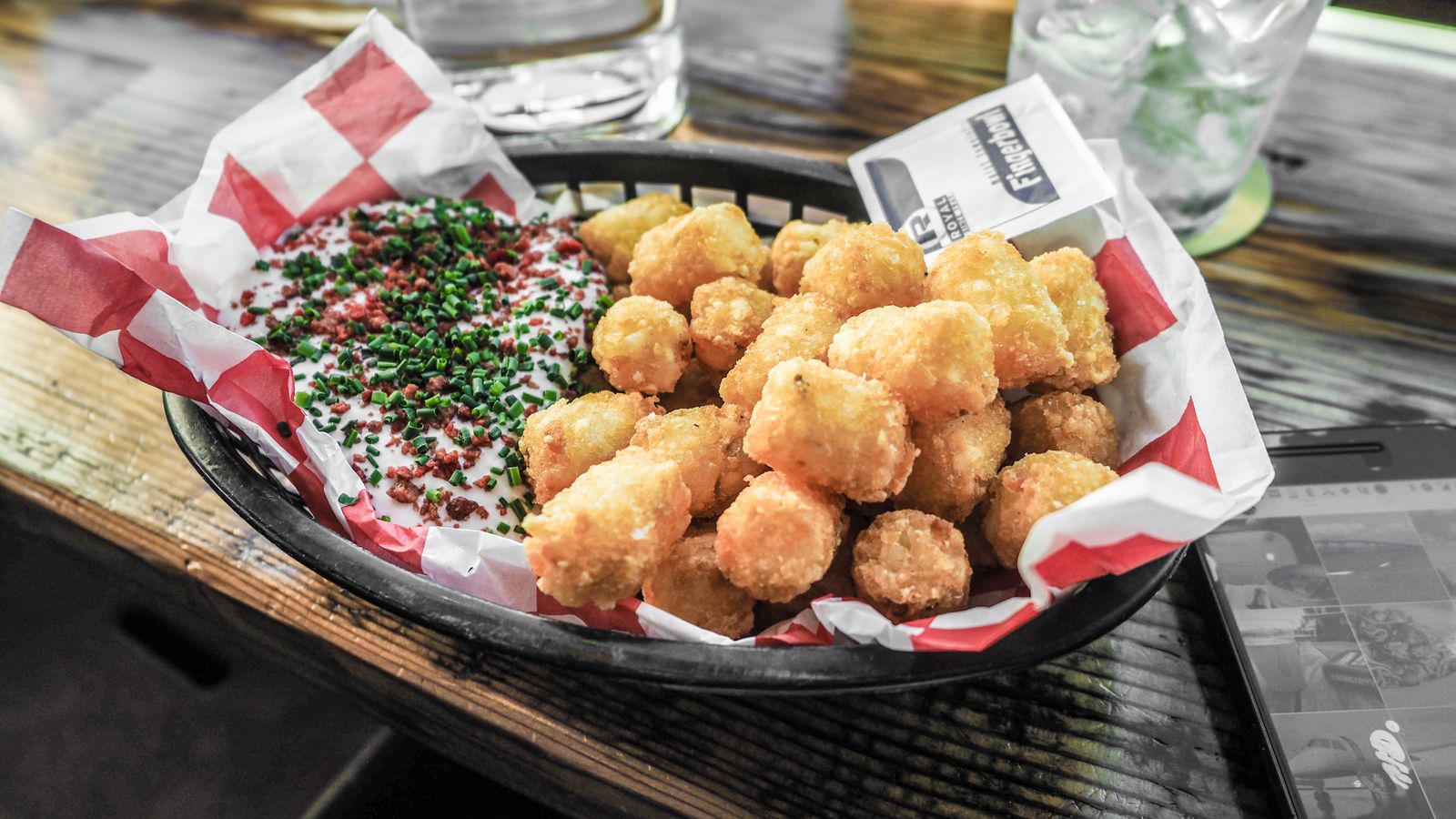
Tater tots and other small frozen foods benefit most from a wide, shallow basket that lets pieces spread into a single layer rather than piling up. A tall, narrow basket designed to accommodate a whole chicken can actually work against you here, since tots stacked too deep will steam instead of crisp on the bottom layer. Wide, flat baskets or those with mesh trays that maximize surface contact with hot air tend to produce the crispiest, most evenly browned results.
Fast Preheat and Shorter Cook Cycles
Because tater tots cook quickly, an air fryer that reaches temperature fast is a real advantage on busy weeknights. Smaller units with less internal volume to heat generally preheat faster than large ovens built for roasting whole birds. If your household leans toward quick snacks, sides, and frozen appetizers more than long roasting projects, a compact or mid-size basket model may actually outperform a bigger, more expensive oven-style unit.
Shake Reminders and Even Tossing
Many models built with frozen snack foods in mind include a shake reminder or an automatic basket agitation feature that tumbles the tots partway through cooking. This is far less important for a whole chicken, which stays in one position throughout the cook, but it can make a noticeable difference in tot crispiness and browning uniformity. When shopping specifically for this kind of use case, it helps to compare air fryers for tater tots that are built around fast, even results for small frozen foods.
Side-by-Side Comparison
- Capacity: Whole chicken cooking favors 6 quarts or larger; tater tots work well in 3 to 5 quart baskets.
- Basket shape: Chicken benefits from tall, open interiors; tots benefit from wide, shallow trays.
- Cook time: Chicken often runs 45 to 75 minutes; tater tots typically finish in 12 to 18 minutes.
- Airflow priority: Chicken needs strong, all-around convection; tots need fast, even top-and-bottom crisping.
- Preheat speed: Less critical for long chicken roasts; very important for quick tot batches.
- Extra features: Rotisserie spits help with chicken; shake reminders and tumble baskets help with tots.
Can One Air Fryer Do Both Well?
Many households do not want to buy two separate appliances, and the good news is that a number of larger air fryer ovens can handle both tasks reasonably well, just not always optimally. A large-capacity unit with a strong fan and a removable rack system can roast a chicken competently and still crisp a batch of tots, though the tots may take slightly longer to brown evenly than they would in a dedicated, shallow-basket model. If your kitchen space and budget allow for it, prioritizing a larger, more powerful air fryer oven is usually the better all-around choice for households who cook a wide variety of foods. If your usage is split fairly evenly between big roasts and quick frozen sides, look for a model with adjustable rack positions so you can create more clearance for poultry or a shallower cooking zone for smaller items.
On the other hand, if you know your cooking habits lean heavily toward one side, a specialized unit will almost always outperform a compromise pick. Someone who roasts a chicken every week but rarely touches frozen snacks is better served by a larger, chicken-focused model, while someone who mostly reheats appetizers and cooks for one or two people will likely be happier with a compact, fast-preheating basket.
Budget Considerations
Air fryers built for whole chickens, particularly oven-style models with rotisserie functions, tend to sit at a higher price point due to their larger heating elements, sturdier housings, and additional accessories like spits and racks. Basket-style air fryers optimized for quick foods like tater tots are often more affordable and take up less counter space, making them an easy entry point if you are testing out air frying for the first time or replacing an older, smaller unit. When comparing prices, factor in not just the upfront cost but also energy use over time. Long chicken roasts in a larger appliance draw more power over an extended period, while quick tot batches in a smaller unit use comparatively little electricity per cook.
Other Foods Worth Considering
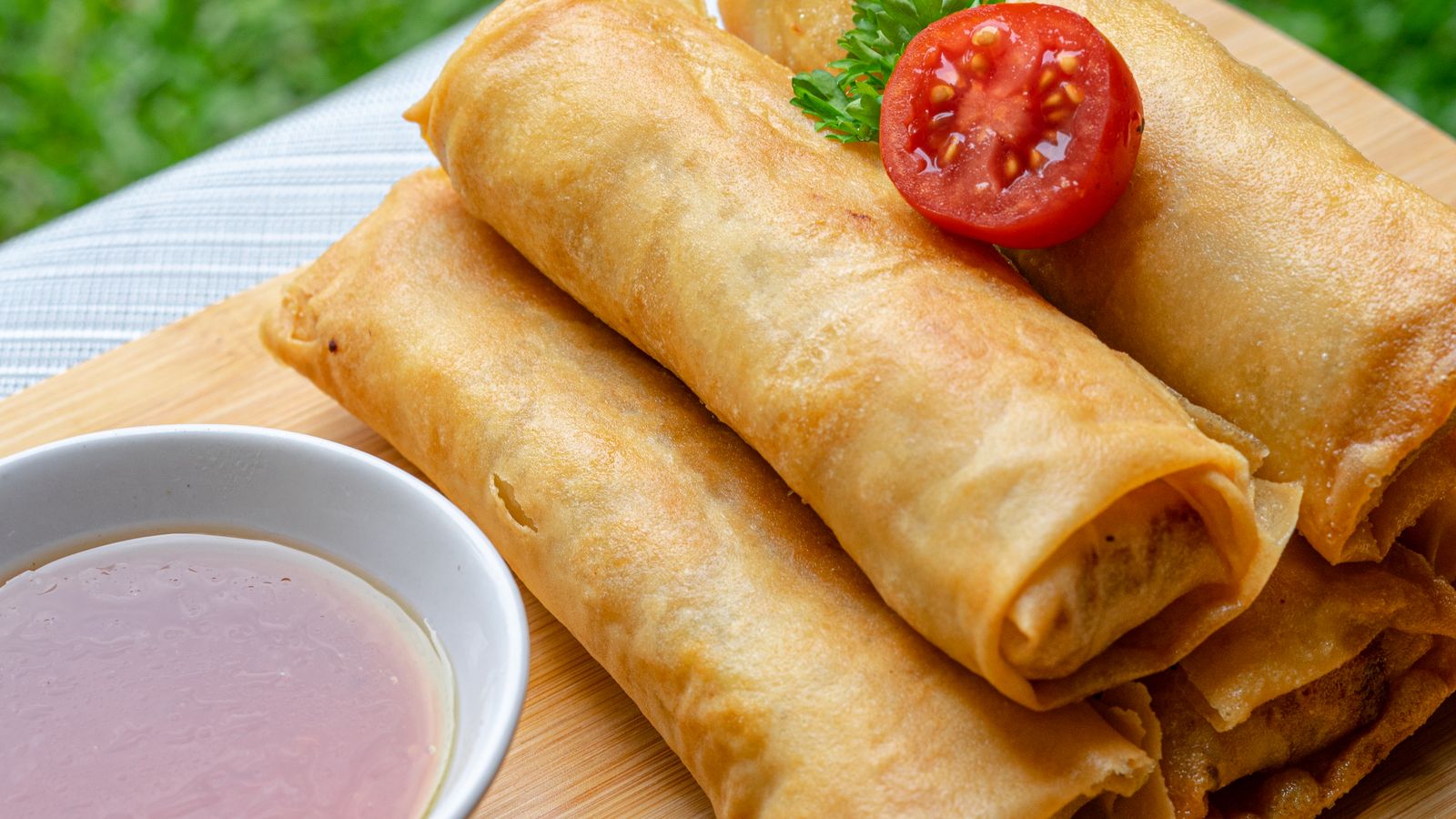
Capacity and basket shape considerations do not stop at chicken and tater tots. If your household also cooks a lot of appetizers or takeout-style favorites, it is worth checking how a given model handles other small, delicate foods. For instance, foods like egg rolls share some of the same airflow and spacing needs as tater tots, since they also benefit from a shallow basket that prevents pieces from touching and sticking together during the crisping process. Browsing a list of air fryers for egg rolls can help you spot which models are versatile enough to handle a broader range of small, crispy foods beyond just tots.
How to Decide: A Quick Checklist
- How often do you cook whole poultry versus quick frozen sides in a typical month?
- Do you have counter and storage space for a larger oven-style unit, or do you need something compact?
- Is fast preheating a priority for your weeknight routine, or are you comfortable with longer cook times?
- Do you regularly cook for a crowd, which favors higher capacity, or mostly for one or two people?
- Would features like a rotisserie spit or a shake reminder genuinely get used, or would they go untouched?
Answering these questions honestly will usually point you toward the right category of air fryer well before you start comparing specific models and price tags.
Common Mistakes to Avoid
- Buying based on capacity alone: A large basket does not automatically mean better airflow around a whole chicken; fan strength and heating element placement matter just as much.
- Overcrowding a small basket with tots: Piling tots too deep in a compact basket meant for larger cuts of meat leads to soggy, unevenly browned results.
- Ignoring preheat time: If quick snacks are your main use case, a slow-preheating oven-style unit can feel frustrating on busy days.
- Skipping the shake or flip step: Even in a well-designed basket, tater tots still benefit from a mid-cook shake for the most even crisping.
Frequently Asked Questions
Is a bigger air fryer always better for cooking a whole chicken?
Not necessarily. Size matters, but airflow strength and even heat distribution matter more. A mid-size unit with a powerful fan can outperform a larger one with weaker circulation.
Can a small air fryer basket still fit a whole chicken?
It depends on the bird’s size and the basket’s interior dimensions. Smaller chickens under 4 pounds can often fit in 5 to 6 quart baskets, but anything larger typically needs more room.
Why do my tater tots come out soggy in a large air fryer oven?
Large ovens sometimes have gentler airflow spread across a bigger chamber, which can leave small foods less crisp than they would be in a compact, high-airflow basket. Spreading tots in a single layer and shaking partway through helps compensate.
Do I need a rotisserie function to cook a good whole chicken?
No, a rotisserie is a nice-to-have rather than a requirement. Many baskets and ovens without rotisserie spits still produce well-browned, juicy chicken as long as airflow and temperature are consistent.
What is the easiest type of air fryer for a beginner cooking both chicken and tots?
A mid-to-large capacity oven-style air fryer with adjustable rack positions tends to be the most forgiving choice, since it can be configured for either larger roasts or shallow batches of smaller foods.
Final Thoughts
Choosing between an air fryer built for whole chickens and one built for tater tots really comes down to understanding your own cooking habits. If Sunday roasts and family dinners are a regular occurrence, prioritize capacity, airflow strength, and temperature consistency. If quick snacks and frozen sides make up most of your air frying, a compact, fast-preheating basket with a shallow tray will likely serve you better day to day. And if your kitchen needs to handle a bit of everything, a larger oven-style unit with flexible rack configurations offers the best middle ground, even if it is not the single best option at either extreme. Whichever direction you lean, matching the appliance’s strengths to your actual cooking patterns will save you frustration and get you better results meal after meal.