

If you already own an air fryer, you have probably wondered whether it is worth adding more accessories to your kitchen drawer. Two of the most popular add-ons are the dehydrator tray and the loaf pan, and at first glance they seem to serve completely different purposes. One turns your air fryer into a low-and-slow food preservation tool, while the other lets you bake bread, meatloaf, and cakes in a compact countertop appliance. But which one actually deserves a spot in your kitchen first?
This guide breaks down exactly what each accessory does, how they differ in function and results, and how to decide which one fits your cooking habits, budget, and available counter space. By the end, you will know whether you need a dehydrator tray, a loaf pan, or both.
What Is an Air Fryer Dehydrator Tray?
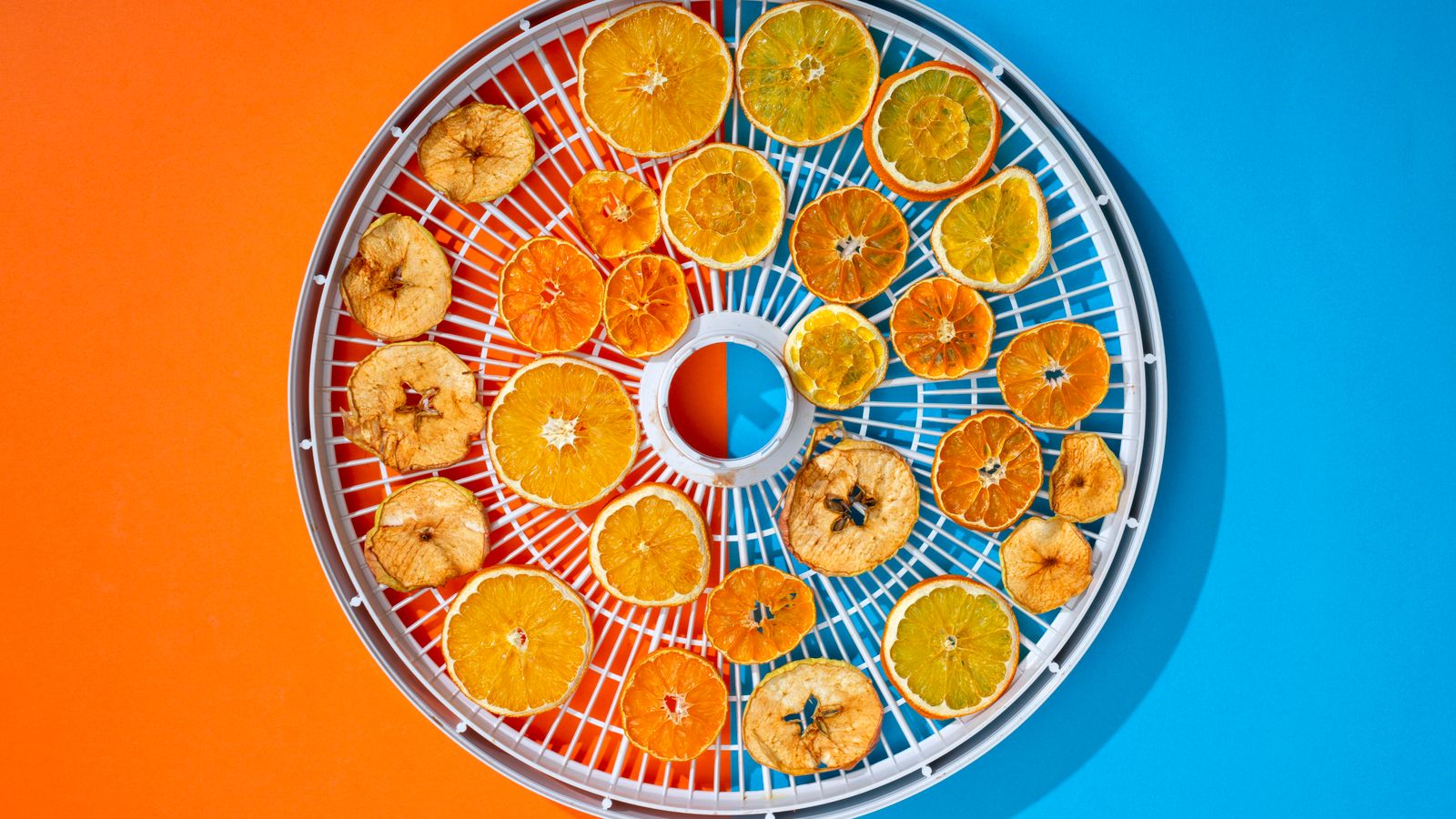
A dehydrator tray (sometimes sold as a stackable rack set) is a perforated, low-walled tray designed to fit inside your air fryer basket or oven-style unit. It is built to hold thin layers of food – fruit slices, jerky strips, vegetable chips, or herbs – so that warm air can circulate around and underneath them for hours at a low temperature.
Most air fryer models with a dehydrate function pair well with these trays, since dehydrating relies on gentle, prolonged airflow rather than the high-heat blast used for crisping. A typical set includes multiple stackable trays that let you dehydrate several batches of food at once, effectively turning your air fryer into a compact version of a stand-alone food dehydrator.
Because the trays are shallow and open, air moves freely through the food, pulling out moisture evenly. This is the same principle used by dedicated dehydrator appliances, just scaled down to fit an air fryer basket.
What Is an Air Fryer Loaf Pan?
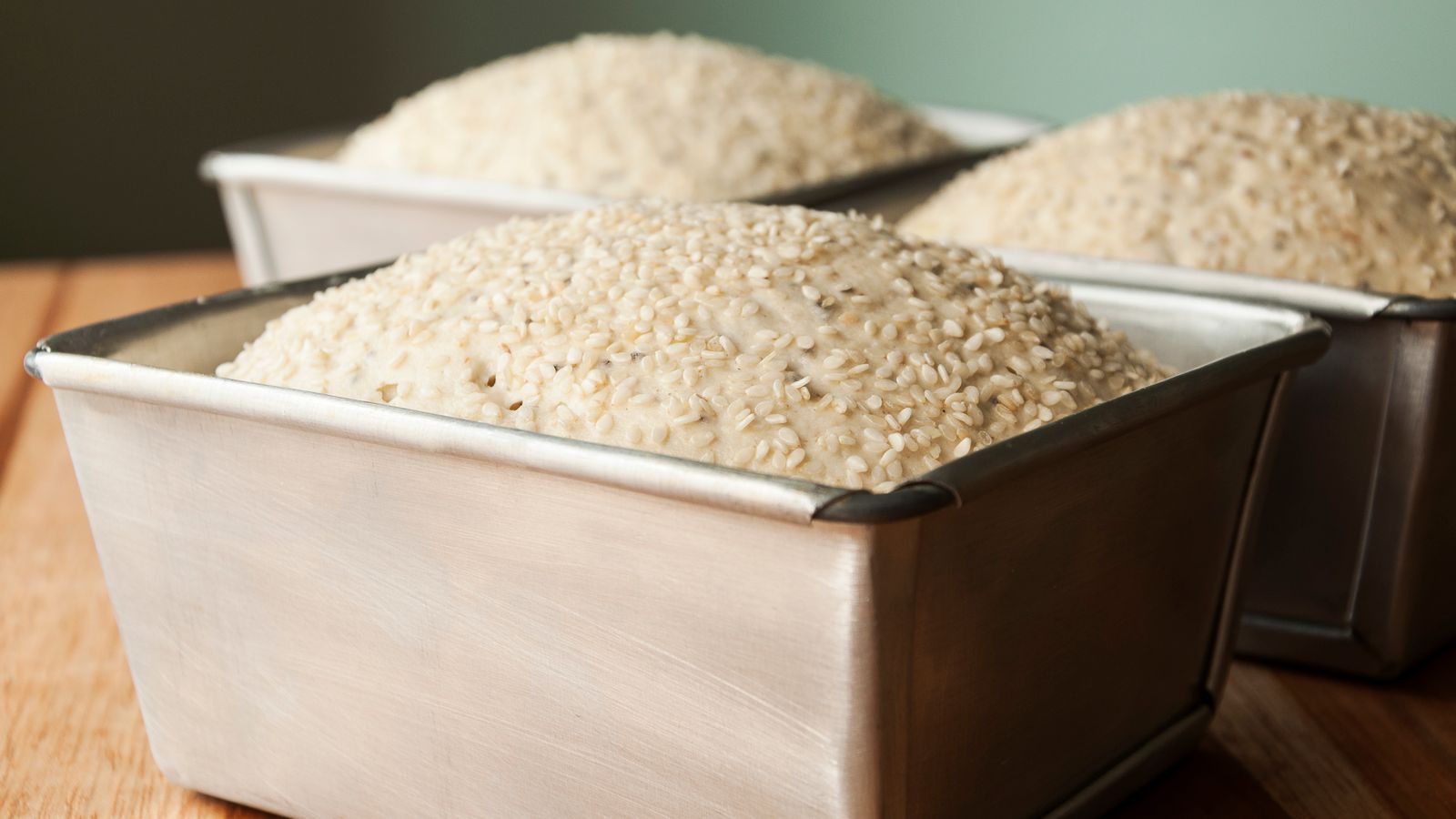
A loaf pan is a solid or lightly perforated rectangular baking vessel sized specifically to fit inside an air fryer basket. Unlike a dehydrator tray, it is designed to hold batter, dough, or ground meat mixtures so they keep their shape while cooking at higher, more traditional baking temperatures.
Loaf pans are typically made from non-stick metal or silicone and are used for quick breads, banana bread, pound cake, meatloaf, and even small casseroles. Since air fryers cook faster and more intensely than a conventional oven, a properly sized loaf pan lets you bake in roughly two-thirds of the usual time without drying out the exterior before the center finishes cooking.
If you have been curious about which models perform best for this kind of baking, a roundup of the best air fryer loaf pans can help you compare sizes, materials, and non-stick coatings before you buy.
Key Differences Between the Two Accessories
While both accessories slot into the same basket, their construction and purpose are almost opposites. Understanding these differences is the fastest way to figure out which one solves your actual cooking problem.
Cooking Method
A dehydrator tray relies on low heat (usually well under 200°F) sustained for several hours, drawing moisture out of food gradually. A loaf pan relies on higher heat over a shorter period, using direct contact and convection to cook batter or dough all the way through.
Food Type
Dehydrator trays handle thin, flat, already-solid foods: sliced fruit, thin-cut vegetables, marinated meat strips, or herbs. Loaf pans handle liquid or semi-liquid mixtures that need a container to hold their shape while they set and cook, such as batters, doughs, and ground meat blends.
Time Investment
Dehydrating is a long, low-effort process – you load the trays and let the air fryer run for several hours (sometimes overnight on lower-powered settings), checking only occasionally. Baking in a loaf pan is a shorter, more active process, often 30 to 50 minutes, that requires closer monitoring near the end to avoid over-browning.
Cleanup
Dehydrator trays are generally easy to clean since food does not stick heavily after drying, though sticky fruit can leave residue. Loaf pans, especially non-stick coated ones, need careful washing to preserve their coating, and metal pans without a non-stick layer may need greasing before every use.
Which One Matches Your Cooking Habits?
The right accessory depends less on which one is “better” and more on what you actually cook during a typical week. Here is how to think about it.
Choose a Dehydrator Tray If:
- You snack on dried fruit, jerky, or vegetable chips regularly and want a healthier, additive-free alternative to store-bought versions.
- You garden or buy produce in bulk and want to preserve extra fruits, vegetables, or herbs before they spoil.
- You meal-prep dried ingredients for trail mix, granola, or backpacking food.
- You are comfortable letting the appliance run for a long stretch without needing it for other cooking during that time.
Choose a Loaf Pan If:
- You want to bake quick breads, banana bread, or small cakes without heating up a full-size oven.
- You cook meatloaf, frittatas, or casseroles for one or two people and do not need a large baking dish.
- You live in a small space (dorm, RV, studio apartment) and rely on your air fryer as a primary cooking appliance.
- You want faster results – most loaf pan recipes finish in under an hour, compared to several hours for dehydrating.
Choose Both If:
Many home cooks find that these accessories complement rather than compete with each other. A dehydrator tray covers snacking and food preservation, while a loaf pan covers baking and batch-cooking proteins. If your air fryer basket has enough clearance for both accessories and your budget allows it, owning both gives you the widest range of uses from a single appliance.
Sizing and Compatibility Considerations
Before buying either accessory, measure your air fryer basket’s interior dimensions and clearance height. Dehydrator tray sets are usually stackable, so you need enough vertical space for multiple layers if you plan to dehydrate large batches. Loaf pans, on the other hand, need enough width and length clearance so the pan sits flat without touching the heating element, plus enough handle clearance to lift it out safely once it is hot.
Basket-style air fryers with a wide, flat bottom tend to accommodate both accessories comfortably. Oven-style or toaster-oven air fryers with multiple rack positions often have even more flexibility, letting you dehydrate on one level while using a separate tray elsewhere. Always check the maximum accessory dimensions listed by your air fryer’s manufacturer before ordering either item.
Budget Considerations
Dehydrator tray sets are generally the more affordable of the two, since they are simple stamped or wire-frame trays without a non-stick coating to worry about. A multi-tray stackable set typically costs less than a single well-made loaf pan, though prices vary by material and brand.
Loaf pans range more widely in price depending on whether they are silicone, coated metal, or uncoated stainless steel. Non-stick coated pans cost more upfront but save time and reduce sticking issues, which matters if you plan to bake frequently. If your budget only allows for one accessory this month, weigh how often you would realistically use each one – a $15 accessory you use weekly delivers more value than a $30 accessory that sits in a drawer.
If neither dehydrating nor baking is your main goal and you simply want to keep cooked food warm while finishing other dishes, it is also worth looking at warming trays, which solve a different everyday kitchen problem entirely.
Maintenance and Longevity Tips
To keep a dehydrator tray performing well, rinse it promptly after use so sugary fruit residue does not harden onto the mesh. Avoid abrasive scrubbers on coated wire trays, since scratches can lead to rust over time on lower-quality sets.
For loaf pans, always use a plastic or silicone-safe utensil when removing baked goods to protect any non-stick coating. Hand-washing is usually recommended even for pans labeled dishwasher-safe, since repeated dishwasher cycles can wear down non-stick surfaces faster. Letting the pan cool slightly before washing also helps prevent warping in thinner metal pans.
Common Mistakes to Avoid
- Overcrowding the dehydrator tray: Food pieces that touch or overlap dry unevenly, leaving some spots leathery and others still moist.
- Overfilling the loaf pan: Batter that rises above three-quarters full can overflow inside the basket and create smoke or uneven cooking.
- Skipping the preheat step: Loaf pan recipes generally benefit from a short preheat, while dehydrating does not require one – mixing up these steps affects your results.
- Using the wrong tray for the job: A dehydrator tray cannot safely hold liquid batter, and a loaf pan is not designed for the long airflow needed to dry food properly.
Frequently Asked Questions
Can I use a dehydrator tray and a loaf pan at the same time?
In most standard basket-style air fryers, there is not enough room to run both accessories simultaneously since they require different temperatures and airflow patterns. Oven-style air fryers with multiple rack levels may allow limited simultaneous use, but results are more consistent when you run each accessory separately.
Do I need a special air fryer model to use these accessories?
No special model is required, but you do need to confirm the accessory’s dimensions match your basket or oven-rack interior. Air fryers with a dedicated dehydrate setting make tray use easier, though you can also dehydrate manually by setting a low temperature and longer cook time.
Is a loaf pan worth it if I only bake occasionally?
If you bake even once or twice a month, a loaf pan is a low-cost way to avoid heating a full oven for a small batch. For more frequent bakers, investing in a higher-quality non-stick pan pays off through easier release and less cleanup over time.
Which accessory is easier for beginners?
Loaf pans tend to be more beginner-friendly since most recipes closely mirror standard oven baking with adjusted times and temperatures. Dehydrating has a slightly steeper learning curve because slice thickness, spacing, and total dry time all affect the final texture.
Where can I compare specific dehydrator tray options?
A dedicated comparison of the best air fryer dehydrator trays is a good next step once you have decided this accessory fits your cooking habits, since tray material, stack height, and mesh size vary between brands.
Final Thoughts
Neither the dehydrator tray nor the loaf pan is a universal upgrade – each solves a distinct kitchen need. If snacking, food preservation, or reducing store-bought packaged snacks is your priority, the dehydrator tray is the clear choice. If you want to bake bread, cook meatloaf, or use your air fryer as a compact oven substitute, the loaf pan will get far more use in your kitchen. Many households eventually pick up both, since together they expand an air fryer’s role well beyond frying and roasting. Whichever you choose first, matching the accessory to your actual weekly cooking habits – not just its novelty – is what determines whether it becomes a regular tool or a drawer item you forget about.