

Bringing an air fryer into your kitchen is easy. Turning it into a reliable part of your household’s everyday cooking routine is a different challenge entirely. Many families buy an air fryer with big ambitions, use it a handful of times, and then let it gather dust in a cabinet because they never built a system around it. This guide is about avoiding that outcome. It walks you through how to set up your kitchen, your schedule, and your habits so air frying becomes second nature rather than a novelty.
Why a Routine Matters More Than the Appliance Itself
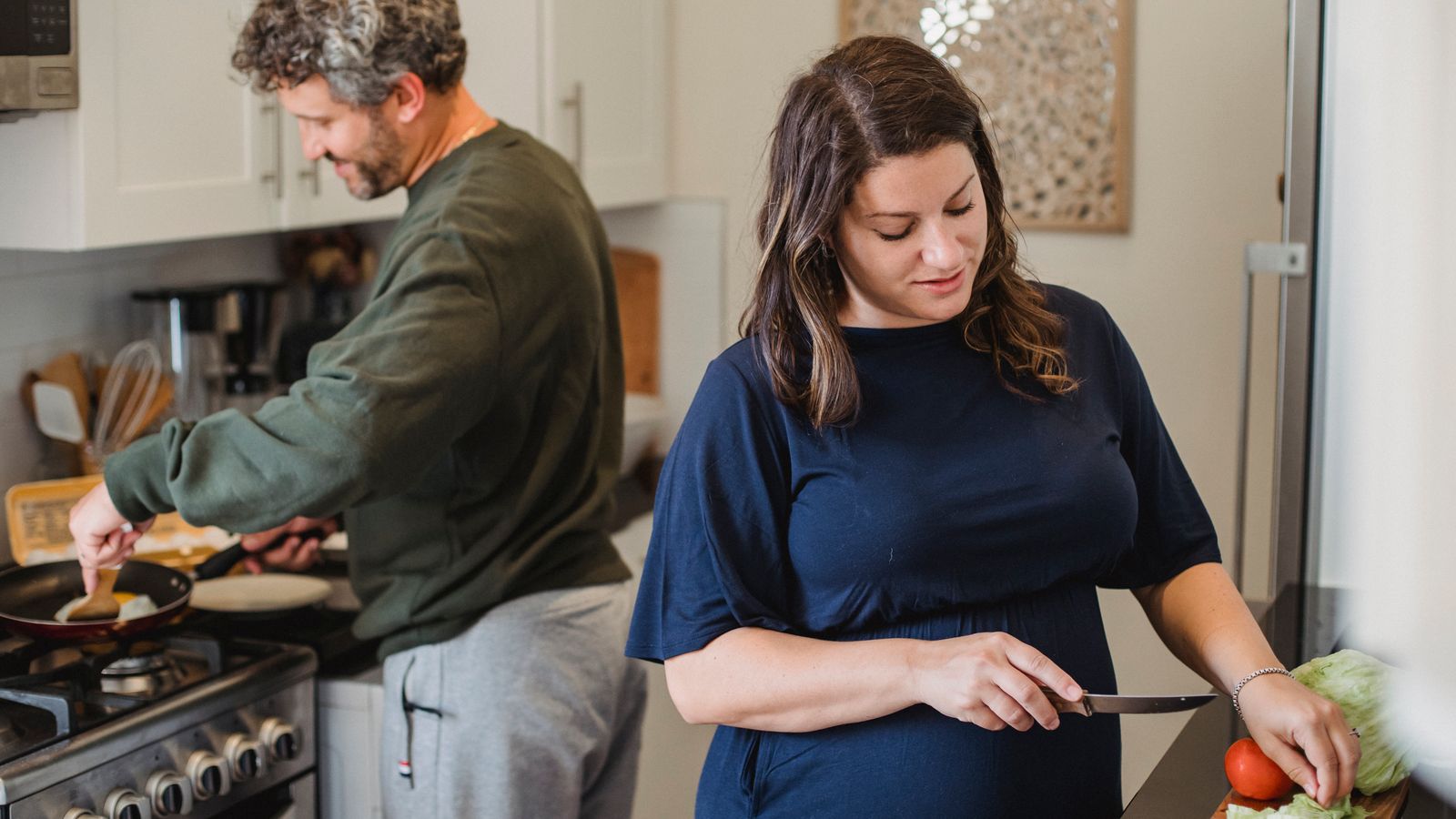
The single biggest reason air fryers end up unused is not a lack of features – it is a lack of habit. A countertop appliance only earns its keep when it fits naturally into how your household already cooks and eats. Building a routine means deciding, in advance, which meals it will replace, when it will be used during the week, and who in the household is responsible for it. Once those decisions are made, the appliance stops being an experiment and starts being infrastructure.
Think of your air frying routine the same way you think about meal planning or grocery shopping: it works best when it is consistent and predictable, not reinvented every single day. A little structure up front saves a lot of decision fatigue later.
Step 1: Match the Air Fryer to Your Household’s Real Life
Before you can build a routine, you need an air fryer that actually fits your circumstances. A single-person apartment, a family of five, and a household with rotating work shifts all have very different needs, and the “best” air fryer looks different in each case.
- Odd or rotating schedules: If mealtimes in your home don’t follow a standard 9-to-5 rhythm, reheating and quick-cook features matter more than basket size. Households with unpredictable hours often do better with models built for flexibility – see our roundup of air fryers for shift workers for options that handle late-night or early-morning cooking without fuss.
- Breakfast-heavy routines: If your mornings revolve around quick proteins, a model with a wide, well-ventilated basket makes a real difference – our guide to air fryers for bacon covers units that render fat evenly and clean up fast.
- Households that travel or camp often: If weekends regularly move outdoors, a compact, portable unit extends your routine beyond the kitchen. Check out our picks for air fryers for camping if you want the same cooking habits to travel with you.
Matching the appliance to your actual lifestyle – not an idealized version of it – is what makes the routine sustainable long-term.
Step 2: Set Up a Dedicated, Accessible Spot
An air fryer that lives in a hard-to-reach cabinet will get used far less than one sitting on the counter, ready to go. Convenience is a major driver of habit formation, so give your air fryer a permanent, easily accessible home.
Placement Checklist
- Leave at least 5 inches of clearance on all sides for proper airflow and heat venting.
- Keep it near an outlet so you’re not stretching cords across the counter.
- Store the basket, tray, and any accessories together in a nearby drawer so setup takes seconds.
- Avoid placing it directly under upper cabinets if your model vents steam upward.
If counter space is tight, consider a rolling cart or a pull-out shelf dedicated to the appliance. The goal is to remove every small barrier between “I want to cook” and “the air fryer is ready.”
Step 3: Build a Weekly Cooking Rhythm
Rather than deciding meal-by-meal whether to use the air fryer, assign it specific roles in your week. This turns a vague intention into a concrete habit.
A Sample Household Rhythm
- Weekday breakfasts: Reserve the air fryer for quick proteins and reheated leftovers – it’s often faster than a stovetop for small batches.
- Weeknight dinners: Use it for one or two “easy nights” per week, such as roasted vegetables paired with a protein, when everyone is short on time.
- Weekend batch cooking: Dedicate 30-45 minutes on a weekend day to prep proteins or sides for the week ahead, then reheat portions as needed.
- Snacks and sides: Let the air fryer handle reheating takeout, crisping frozen sides, or making quick snacks for kids after school.
Writing this rhythm down – even informally on a fridge whiteboard – makes it far more likely to stick than simply “using it when you remember.”
Step 4: Stock the Right Staples
A household air frying routine runs smoothly when your pantry and fridge are stocked with ingredients that cook well in an air fryer. This removes the friction of “we don’t have anything to cook in it” on a busy night.
- Frozen vegetables (broccoli, Brussels sprouts, green beans) that crisp up quickly.
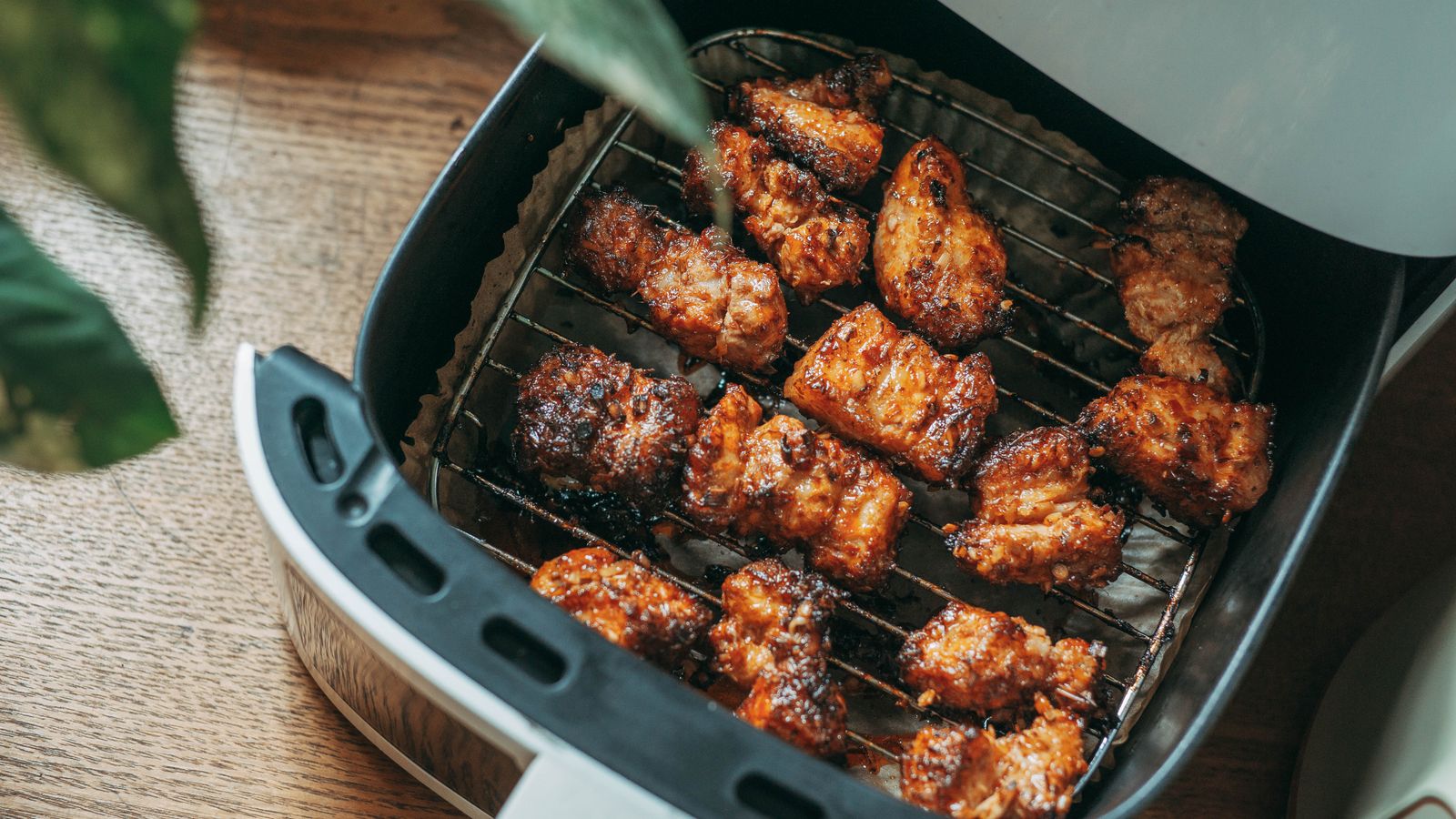
- Chicken thighs, tenders, or wings – versatile proteins that air fry evenly.
- Bacon or sausage links for fast breakfasts.
- Parchment liners or perforated silicone mats for easier cleanup.
- A basic oil mister for light, even coating without excess grease.
Keeping a small, reliable rotation of go-to ingredients means you’re never starting from zero when deciding what to cook.
Step 5: Establish Simple Cleaning Habits
Cleanup friction is one of the quiet reasons air fryers fall out of rotation. If cleaning feels like a chore every time, the appliance becomes something to avoid rather than reach for.
Keep It Simple
- Let the basket cool slightly, then soak it in warm soapy water for 5-10 minutes right after use.
- Wipe the interior heating element with a damp cloth once it’s cool – avoid abrasive scrubbers.
- Run a quick wipe-down of the exterior weekly to prevent grease buildup.
- Check the manufacturer’s guidance on dishwasher-safe parts to save time when available.
A two-minute cleanup habit after each use is far more sustainable than letting mess accumulate and turning cleaning into a dreaded weekend task.
Step 6: Extend the Routine Beyond the Kitchen
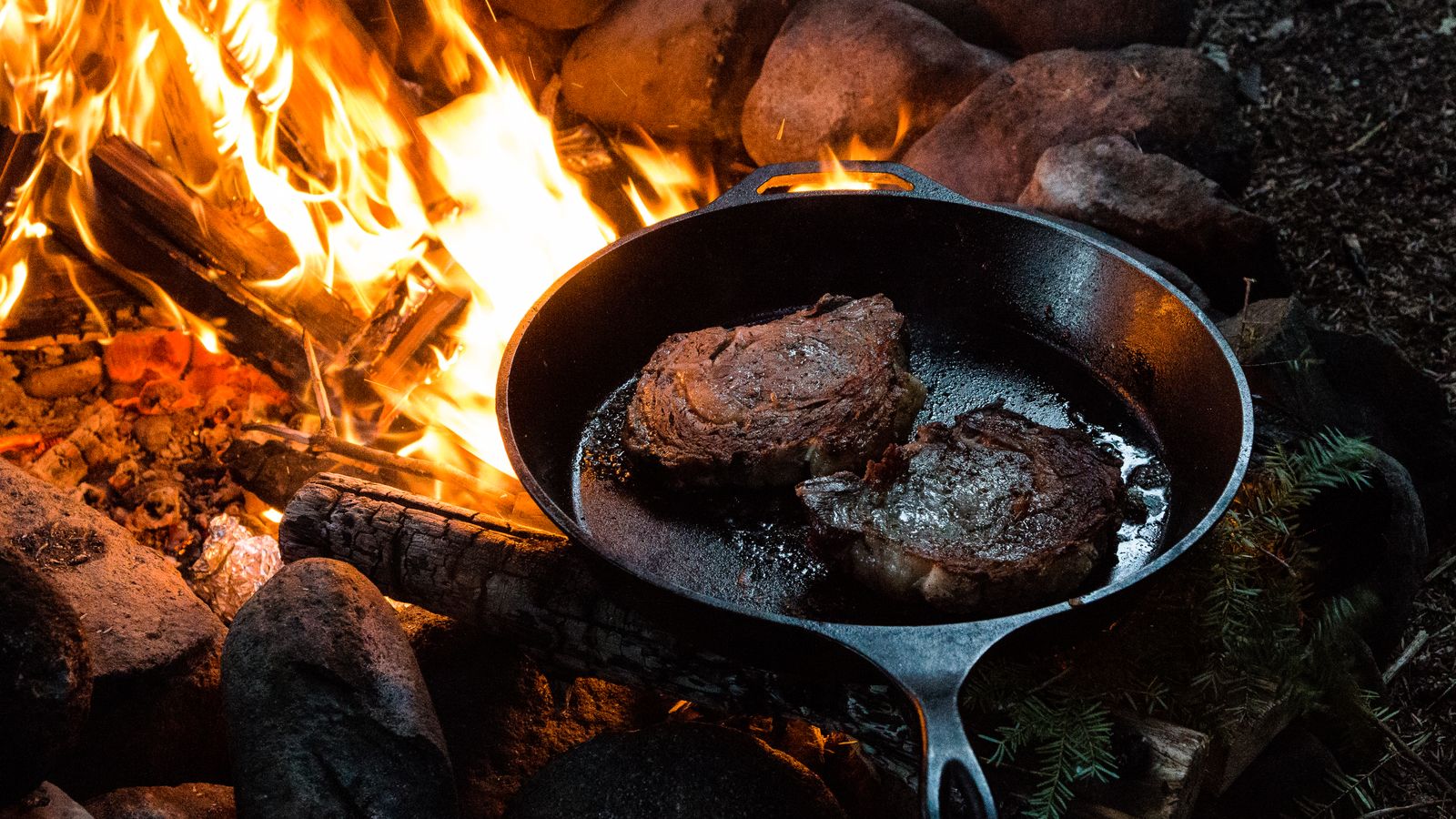
One advantage of building a strong air frying habit at home is that it’s portable. Once your household is comfortable with timing, temperatures, and cleanup, taking that routine on the road – for camping trips, RV weekends, or extended stays away from a full kitchen – becomes far less intimidating. A compact model designed for travel can keep your family’s usual meals consistent even when the setting changes.
Households that camp or travel frequently often keep a dedicated travel-sized unit separate from their main kitchen appliance, so the daily routine at home is never disrupted by packing and unpacking equipment.
Step 7: Involve the Whole Household
A routine is far more durable when more than one person can operate it. Teach older kids or partners the basics – how to set time and temperature, how to check for doneness, and how to clean the basket safely. This spreads responsibility, prevents the appliance from becoming “one person’s job,” and increases the odds it gets used consistently, even on busy days.
Consider posting a simple cheat sheet near the appliance with go-to times and temperatures for your household’s most common foods. This small step removes guesswork and makes it easy for anyone to use confidently.
Common Mistakes That Break the Routine
- Overcrowding the basket: Cramming in too much food leads to uneven cooking and disappointing results, which discourages repeat use.
- Skipping preheat when needed: Some recipes rely on a hot start for proper crisping – check your model’s guidance.
- Ignoring basket capacity for household size: A unit too small for your family leads to multiple batches and frustration; a unit too large wastes energy for solo meals.
- Not cleaning promptly: Letting grease harden makes cleanup harder and less appealing next time.
- Treating it as a novelty instead of a tool: Routines fail when the appliance is only used for “special” meals rather than everyday cooking.
Building Momentum in the First Month
The first few weeks matter most. Aim to use your air fryer at least three to four times per week during the first month, even for simple tasks like reheating or roasting vegetables. Repetition builds familiarity with your specific model’s quirks – hot spots, ideal times, and preferred temperatures – and familiarity is what eventually makes the appliance feel effortless rather than like extra work.
Track a few go-to recipes that consistently turn out well for your household, and lean on those during busy weeks. Once you have three or four reliable staples, expanding into new recipes becomes much easier because the core routine is already solid.
Frequently Asked Questions
How often should a household use its air fryer to keep the habit strong?
Three to four uses per week is a reasonable target for building a lasting routine, though even two consistent uses weekly is enough to keep the appliance in regular rotation rather than forgotten.
What size air fryer works best for a busy household?
It depends on household size and schedule. Larger families generally benefit from bigger baskets to avoid multiple batches, while households with staggered mealtimes – such as shift workers – may prioritize speed and flexibility over sheer capacity.
Can one air fryer routine work for both home and travel?
Yes, though many households find it easier to keep a full-size unit at home and a separate compact model for travel or camping, so the daily routine at home is never interrupted by packing equipment.
What’s the easiest way to keep the whole family using the air fryer consistently?
Post a simple time-and-temperature cheat sheet near the appliance, assign it a role in your weekly meal rhythm, and teach more than one household member how to operate and clean it.
Is it worth batch cooking with an air fryer on weekends?
Yes. Spending 30-45 minutes on a weekend prepping proteins or sides for the week significantly reduces weekday cooking time and keeps the appliance in steady use.
Final Thoughts
An air fryer only delivers on its promise when it becomes part of your household’s actual rhythm – not an occasional experiment. By choosing a model that fits your real schedule, giving it a permanent spot in the kitchen, stocking the right staples, and involving the whole household, you turn a countertop gadget into a genuine time-saving habit. Whether your routine centers on quick weekday breakfasts, easy weeknight dinners, or even weekend trips away from home, the same principles apply: consistency, accessibility, and a little bit of planning make all the difference.