
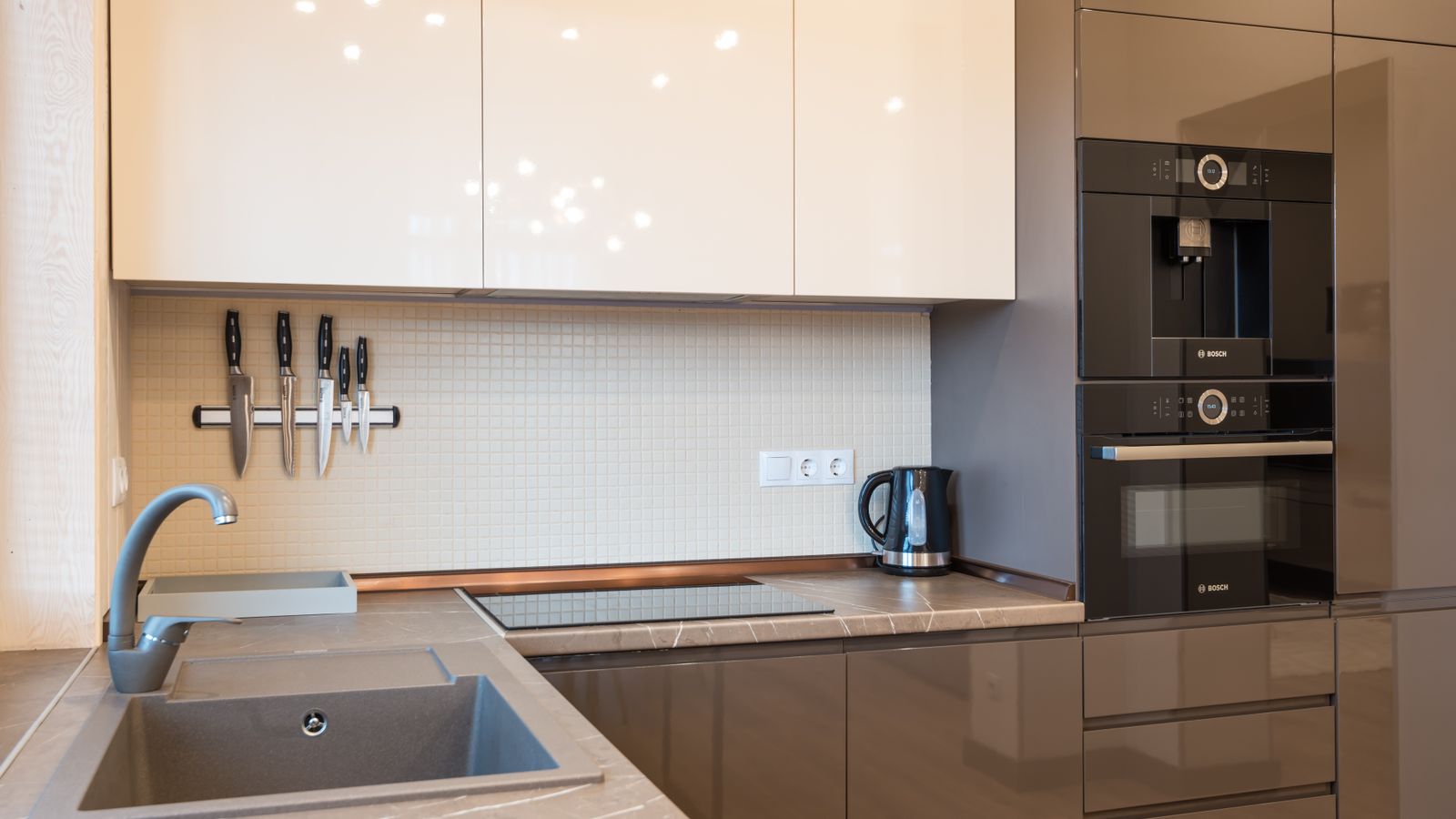
If your kitchen counter looks more like a storage unit than a workspace, it might be time for an upgrade. Air fryers, toaster ovens, blenders, and coffee makers all compete for the same few feet of space, and once cords start tangling and cabinets start overflowing, cooking stops being fun and starts being frustrating. The good news is that a handful of smart additions can turn a chaotic counter into an organized, efficient cooking zone without a full kitchen renovation.
This guide walks through the signs that your countertop setup needs an upgrade, explains how a dedicated cooking station, an appliance shelf, and a simple timer magnet each solve a different piece of the puzzle, and gives you a step-by-step approach to deciding what to buy first.
Signs It’s Time to Upgrade Your Countertop Setup
Not every kitchen needs new gear right away. But if any of the following sound familiar, your current setup is working against you rather than for you.
- You’re constantly unplugging one appliance to plug in another. If your air fryer, blender, and toaster all fight for the same outlet, you’re losing time every single day.
- Your countertop is visually cluttered. A crowded counter makes meal prep feel harder than it is, and it’s easy to knock things over when everything is packed together.
- You’ve lost track of cook times more than once. Forgetting a batch of fries in the air fryer while you’re on a phone call is a classic sign you need a better way to track time in the kitchen.
- Appliances are stacked precariously or stored in hard-to-reach cabinets. If getting your air fryer out means moving three other things first, you’ll use it less often, which defeats the purpose of owning it.
- You’ve started avoiding certain appliances because of the hassle. When convenience disappears, so does usage. A good setup should make cooking easier, not harder.
If two or more of these apply to your kitchen, it’s a strong signal that a small investment in the right accessories will pay off quickly in saved time and reduced stress.
What a Countertop Cooking Station Actually Solves
A dedicated cooking station is essentially a compact, purpose-built surface or cart that consolidates your most-used appliances into one organized zone. Instead of your air fryer living on one side of the kitchen and your toaster oven on the other, a cooking station brings them together with built-in outlets, cord management, and sometimes rolling wheels for flexibility.
The main benefits include:
- Centralized power access so you’re not hunting for outlets or using extension cords across the floor.
- Heat-resistant surfaces designed to handle appliances that get hot during use, protecting your existing countertops from scorch marks.
- Mobility in many models, letting you roll the station closer to the sink for prep or tuck it into a corner when not in use.
- Defined workflow – when your cooking appliances live in one place, your brain doesn’t have to reorient every time you start a recipe.
If you’re comparing models, it helps to look at real options side by side. A good place to start is this roundup of countertop cooking stations, which breaks down surface materials, outlet configurations, and size options for different kitchen layouts.
Why a Kitchen Appliance Shelf Belongs in Your Setup
Not every appliance needs to sit on the counter at all times. A kitchen appliance shelf gives you a designated storage spot that keeps rarely used gear accessible without permanently occupying prime counter real estate. Think of it as the difference between a closet and a pile on the floor – both technically “store” your things, but only one keeps them usable.
Appliance shelves typically offer:
- Vertical storage that takes advantage of wall space instead of eating into your workable counter area.
- Weight-rated shelving built to support heavier appliances like air fryers, stand mixers, or slow cookers without sagging over time.
- Adjustable configurations in many models, so you can resize compartments as your appliance collection changes.
- Better visibility – when appliances are displayed on an open shelf rather than buried in a cabinet, you’re more likely to actually use them.
This is especially useful in smaller kitchens where cabinet space is limited. Rather than jamming your air fryer into an already-full lower cabinet, mounting or placing a shelf nearby keeps it within arm’s reach. For a closer look at sturdy, well-reviewed options, check out these kitchen appliance shelves, which cover different weight capacities and mounting styles.
The Small Upgrade That Makes a Big Difference: Kitchen Timer Magnets
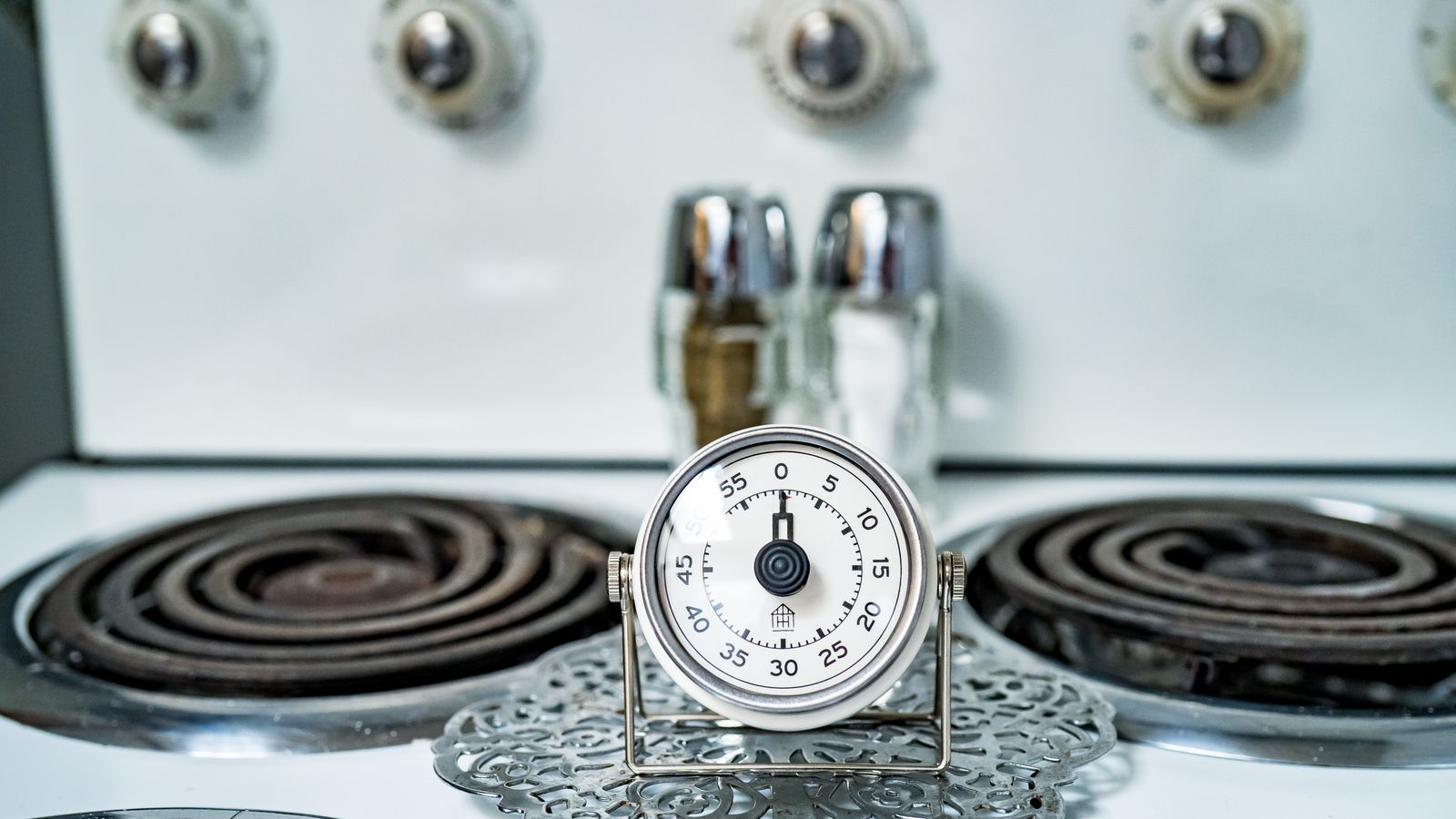
It’s easy to overlook something as simple as a timer, but a kitchen timer magnet solves a very specific and common problem: forgetting what’s cooking. Air fryers and toaster ovens often have their own built-in timers, but those alerts don’t always carry across the house, especially if you step away to fold laundry or answer the door.
A magnetic timer sticks directly to your refrigerator, range hood, or any metal surface, keeping a loud, visible countdown exactly where you’ll notice it. Key advantages include:
- Portability – you can move it wherever you’re working, not just where the appliance happens to sit.
- Louder, more attention-grabbing alarms than many built-in appliance beepers.
- Simplicity – no app, no Bluetooth pairing, just a twist dial or a couple of buttons.
- A backup system for multitasking cooks running more than one appliance at a time.
It’s a small, inexpensive addition, but it closes a real gap in most countertop setups. Browse a selection of dependable kitchen timer magnets to find one that fits your kitchen’s style and volume needs.
How to Decide What to Upgrade First: A Step-by-Step Approach
You don’t need to buy all three items at once. Use this process to prioritize based on your actual pain points.
- Audit your current counter space. Spend a day tracking how often you move appliances around, unplug things, or run out of room during meal prep. Note exactly where the friction happens.
- Identify your biggest bottleneck. Is it a lack of outlets and surface space (cooking station), a lack of storage for appliances you don’t use daily (appliance shelf), or a habit of losing track of time while multitasking (timer magnet)?
- Measure your available space. Before buying anything, measure the counter length, wall space, and clearance near outlets. This prevents ordering a cooking station or shelf that won’t actually fit.
- Start with the highest-impact, lowest-cost fix. A timer magnet is inexpensive and solves an immediate problem, making it a reasonable first purchase even if you plan to add more later.
- Add structural pieces next. If storage is your main issue, install the appliance shelf before investing in a full cooking station – it’s usually cheaper and quicker to set up.
- Invest in a cooking station once your workflow is defined. After you know which appliances you use most and how often, a cooking station lets you consolidate them permanently.
- Reassess after a few weeks. Once the new pieces are in place, revisit your counter setup and see what’s still causing friction. Upgrades often reveal the next logical step.
Tips for a Smoother Countertop Upgrade
- Group appliances by frequency of use. Daily appliances belong on the cooking station or open counter; occasional-use items belong on the shelf.
- Keep cords visible and untangled. Use cord clips or a cord tray on your cooking station to avoid a rat’s nest behind your appliances.
- Match shelf weight ratings to your heaviest appliance. Always check the maximum load before mounting anything, especially for wall-mounted shelves.
- Place your timer magnet at eye level. A timer stuck too low or too high is easy to ignore – eye level keeps it in your line of sight.
- Leave breathing room around hot appliances. Don’t crowd your air fryer or toaster oven against walls or other items; airflow matters for both safety and appliance lifespan.
Common Mistakes to Avoid
- Buying based on looks alone. A stylish cooking station that doesn’t have enough outlets or heat resistance will frustrate you daily.
- Overloading a single shelf. Stacking too many heavy appliances on one shelf tier risks damage to both the shelf and your countertops below.
- Skipping measurements. Ordering online without measuring your space is one of the most common and avoidable mistakes in any kitchen upgrade.
- Ignoring ventilation needs. Appliances that vent steam or heat, like air fryers, need clearance – don’t tuck them into a closed shelf compartment.
- Treating the timer magnet as an afterthought. It’s the cheapest item on this list, but skipping it means you’ll likely keep relying on inconsistent built-in appliance alarms.
Frequently Asked Questions
Do I need a countertop cooking station if I only have one or two appliances?
Not necessarily. If your current counter space comfortably fits your appliances with room to work, a cooking station may be more than you need. It becomes more valuable once you’re juggling three or more appliances regularly.
Can a kitchen appliance shelf hold an air fryer safely?
Yes, as long as the shelf’s weight rating meets or exceeds your air fryer’s weight, including any accessories stored alongside it. Always check the manufacturer’s listed capacity before mounting.
Is a kitchen timer magnet really necessary if my air fryer has a built-in timer?
It’s not strictly necessary, but it solves a real problem: built-in timers are easy to miss if you leave the room. A magnetic timer placed somewhere highly visible, like the fridge, acts as a reliable backup.
What’s the most cost-effective upgrade to start with?
A kitchen timer magnet is typically the cheapest and quickest upgrade, followed by an appliance shelf. A full cooking station is usually the largest investment, so it’s worth saving for last unless outlet access is your biggest daily problem.
Will these upgrades work in a small kitchen?
Yes. In fact, small kitchens often benefit the most from vertical appliance shelves and compact cooking stations, since both are designed to make efficient use of limited space.
Final Thoughts
Upgrading your countertop setup doesn’t have to mean a complete overhaul. By identifying your specific pain points, whether it’s clutter, storage, or simply losing track of time, you can choose the right combination of a cooking station, an appliance shelf, and a timer magnet to build a kitchen workspace that actually works for how you cook. Start small, prioritize based on your daily frustrations, and add pieces as your routine reveals what you need most.