
Dealing with a pet or a sick child means your carpet cleaner probably gets more use than you’d like. But once the mess is handled, what happens to the cleaning solution, the enzyme spray, or the portable spot cleaner afterward matters just as much as how you used it. Storing carpet cleaning products the wrong way can weaken their active ingredients, create safety hazards, and leave you scrambling the next time an accident happens. This guide walks through exactly how to store your carpet cleaners for vomit clean-ups so they stay effective, safe, and ready whenever you need them.
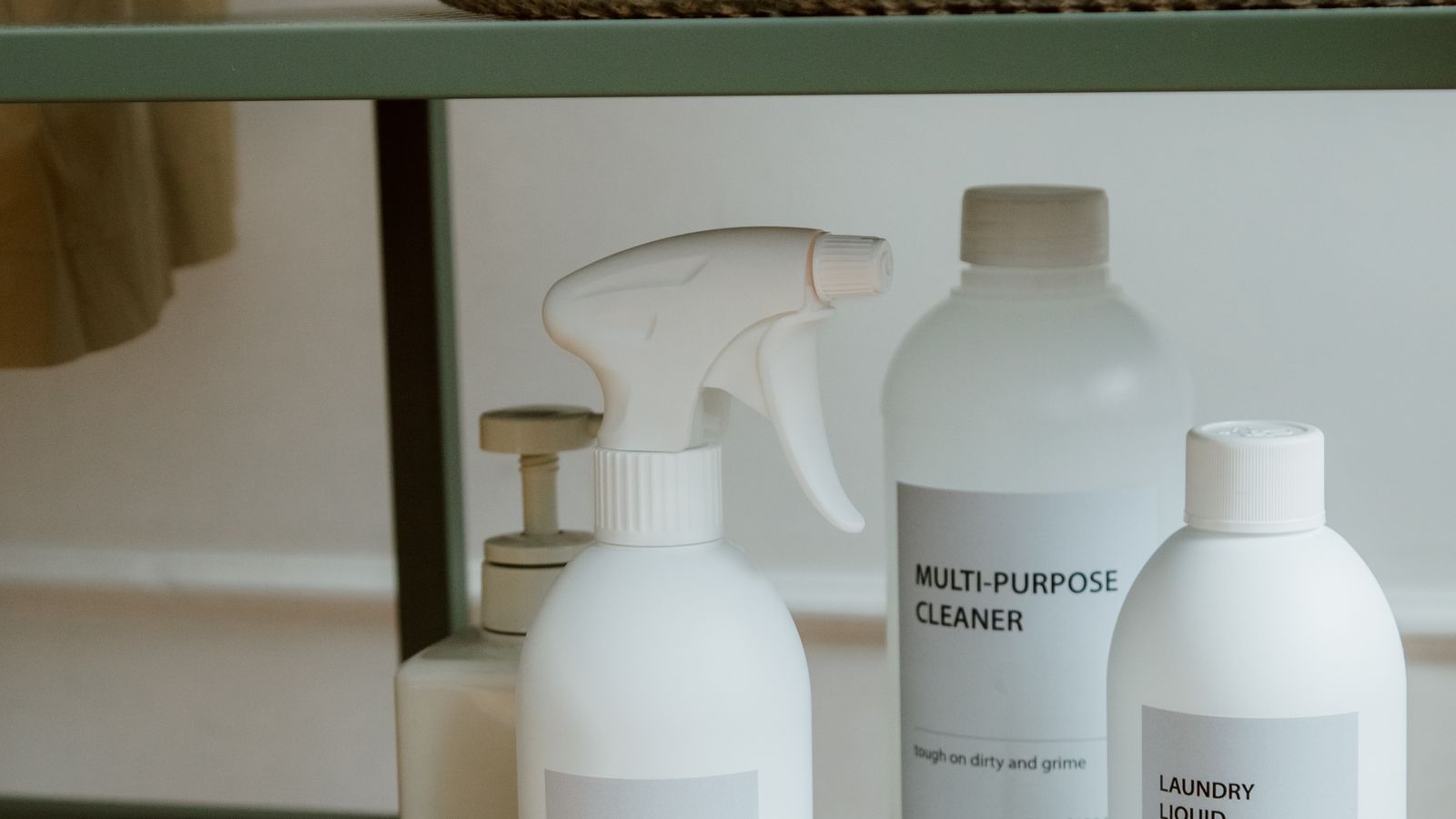
Why Proper Storage Matters
Carpet cleaners formulated for vomit and other biological messes typically rely on enzymes or oxygenated compounds to break down proteins, fats, and bacteria. These active ingredients are sensitive to heat, light, and air exposure. Store them carelessly and you risk two problems: reduced cleaning power when you actually need the product, and potential safety issues from leaking bottles or degraded chemical formulas.
Enzyme-based cleaners in particular lose potency over time once exposed to fluctuating temperatures. A bottle left in a hot garage or a freezing shed for months may still smell the same, but the enzymes inside could be far less active than when you bought it. That means a slower, less thorough clean-up right when speed matters most – during an active pet or child mess.
There’s also a household safety angle. Many carpet cleaning solutions are not meant to be mixed with other cleaning chemicals, and some are harmful if ingested by curious pets or kids. Thoughtful storage keeps these products both effective and out of harm’s way.
What You’ll Need Before You Start
- A dedicated storage bin, caddy, or shelf area for cleaning supplies
- Original bottles with intact caps and labels (avoid transferring to unlabeled containers)
- A cool, dry storage location away from direct sunlight
- Absorbent pads or a tray to catch any drips
- A permanent marker for labeling open dates, if not already printed
Before you tuck anything away, take a moment to check the condition of your current stock. Wipe down bottle exteriors, confirm caps are sealed tightly, and toss anything that’s separated, discolored, or past its expiration date. Starting with clean, sealed containers prevents residue buildup in your storage area and keeps you from second-guessing a product’s usability months later.
Step-by-Step: Storing Carpet Cleaners for Vomit the Right Way
- Choose a consistent temperature location. Aim for a spot that stays between roughly 50 and 80 degrees Fahrenheit year-round. A hall closet, laundry room cabinet, or an interior utility shelf works far better than a garage, attic, or shed exposed to seasonal swings.
- Keep bottles upright. Storing spray bottles or pour bottles on their side increases the chance of slow leaks around the cap threads, which wastes product and can damage nearby items. An upright caddy or bin keeps everything stable.
- Separate cleaning products from food storage and pet supplies. Even sealed bottles should never share shelf space with pantry items, pet food, or children’s toys. Dedicate a specific bin or shelf strictly to cleaning products.
- Shield products from direct sunlight. UV exposure breaks down active enzymes and can fade warning labels you need to read later. A closed cabinet or opaque storage bin is ideal; avoid clear bins on a sunny windowsill.
- Keep original labels and caps intact. Never decant carpet cleaning solution into a generic spray bottle without a label – you lose dilution instructions, safety warnings, and expiration information that matter during an emergency clean-up.
- Store portable spot cleaners fully dried out. If you use a compact carpet spot cleaner or extractor, empty and rinse the tank fully, then let it air dry with the lid off before sealing it back up for storage. Trapped moisture breeds mold and mildew inside the unit.
- Group by frequency of use. Keep your go-to vomit and pet-accident cleaner at the front of the storage area or in a grab-and-go caddy, while backup stock or specialty formulas (like those for crayon marks) can sit further back.
- Set a rotation reminder. Write the purchase or open date on the bottle with a permanent marker and aim to use it within the manufacturer’s suggested window, generally one to two years for enzyme formulas.
Building a Grab-and-Go Clean-Up Caddy
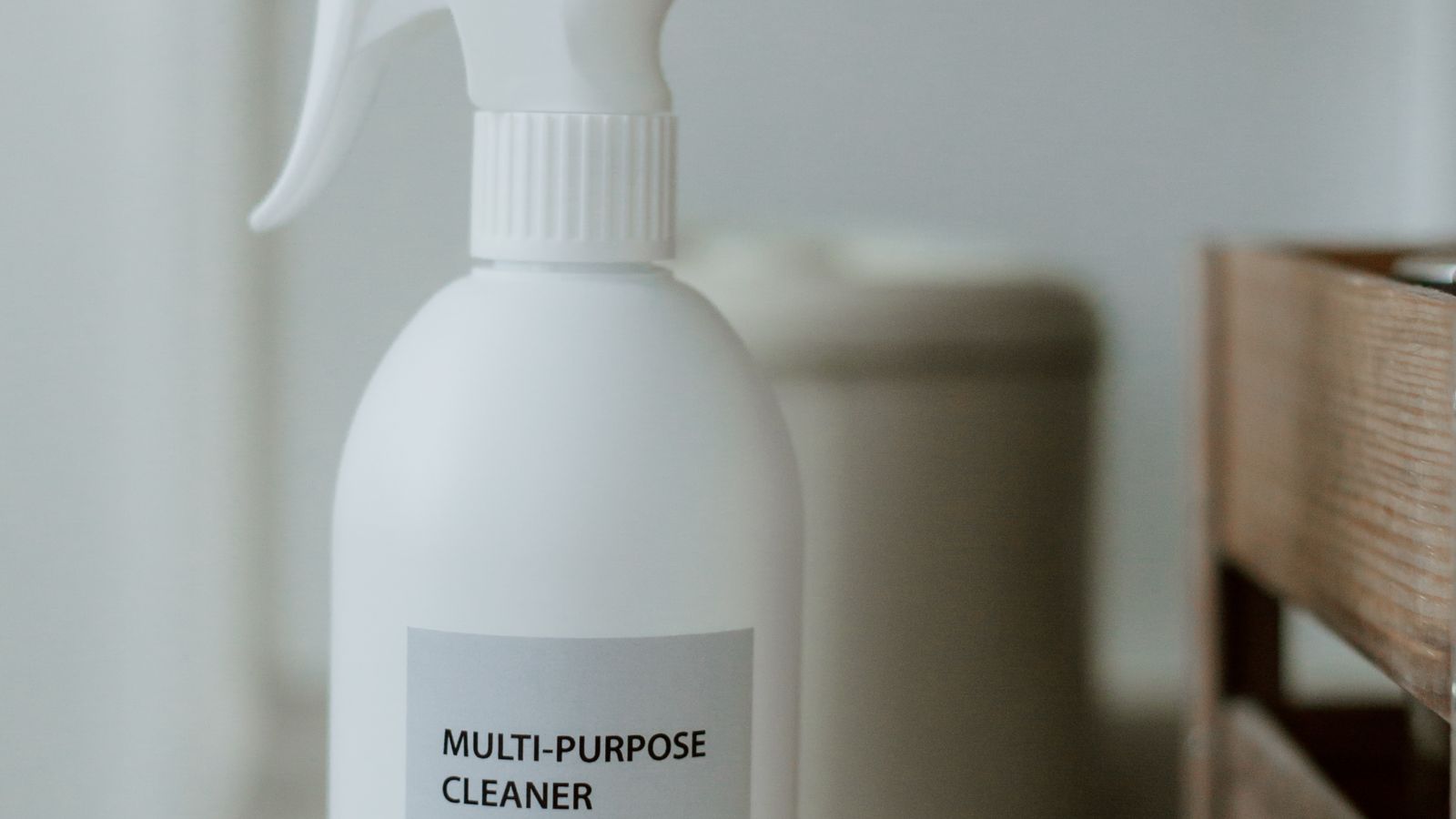
If accidents happen often in your household – think a shedding pet or a young child – it’s worth assembling a small caddy you can carry straight to the mess instead of hunting through a closet. A simple plastic tote with a handle can hold your enzyme spray, a roll of paper towels, disposable gloves, and a scraping tool for solids. Keeping this caddy stocked and stored in an easily accessible spot, like a laundry room shelf, shortens your response time and improves clean-up results since fresh stains are always easier to treat than set-in ones.
When choosing which product to keep in your caddy, it helps to start with something proven. Browsing a roundup of carpet cleaners for vomit can point you toward formulas specifically designed to break down the proteins and odors involved in this type of mess, rather than a general all-purpose cleaner that may only mask the smell.
Common Storage Mistakes to Avoid
- Storing bottles near heat sources. Water heaters, dryers, and sunny garages accelerate chemical breakdown.
- Leaving caps loose or cross-threaded. This is one of the most common causes of slow leaks and spilled product on shelves.
- Mixing storage with unrelated household chemicals. Never store carpet cleaners next to bleach or ammonia-based products, as accidental mixing can create dangerous fumes.
- Forgetting about expiration dates. An old, degraded cleaner may not fully neutralize odors or stains, leading to repeat treatments and wasted time.
- Storing a wet spot-cleaner tank. Sealing away a portable unit before it’s fully dry invites mold growth that’s difficult to remove later.
- Using unlabeled containers. Transferring cleaner to an unmarked spray bottle risks confusion and unsafe application down the line.
Storing Cleaners for Different Types of Messes
Not every carpet stain calls for the same formula, and your storage system should reflect that. A household with young kids might also keep a dedicated stock of carpet cleaners for crayon marks on hand, since wax-based stains respond better to solvent-style cleaners than to enzyme sprays meant for organic messes. Keeping these separated and clearly labeled in your storage area prevents grabbing the wrong bottle in a rush.
If you also deal with spills and stains in your vehicle, it’s worth keeping a separate, smaller stock specifically suited for upholstery. Many all-purpose carpet formulas aren’t ideal for a car’s tighter, often synthetic-blend fabric, so a look at options built for carpet cleaners for car interiors can help you choose a formula that won’t leave residue or discoloration on vehicle upholstery.
Seasonal Storage Considerations
Storage needs can shift with the seasons, especially if you keep supplies in a garage, mudroom, or unconditioned space. In winter, freezing temperatures can separate some liquid formulas or crack plastic bottles left near an exterior wall. In summer, heat and humidity accelerate both chemical breakdown and mold growth in damp spot-cleaner components. If your only available storage space is prone to temperature swings, consider relocating your most-used cleaning products indoors during extreme weather stretches, keeping only backup stock in the garage or shed.
Frequently Asked Questions
How long can I store an opened carpet cleaner bottle?
Most enzyme-based and oxygenated carpet cleaners remain effective for about one to two years after opening, provided they’re stored in a cool, dry place away from sunlight. Check the label for a specific shelf-life recommendation.
Can I store carpet cleaner in the garage?
It’s not ideal. Garages often experience wide temperature swings between summer heat and winter cold, both of which can degrade active ingredients faster than an interior closet or cabinet would.
Is it safe to store carpet cleaner near pet food or supplies?
No. Even sealed bottles should be kept in a separate area from pet food, treats, or toys to avoid any risk of accidental exposure or contamination.
Should I store a portable carpet spot cleaner with water still in the tank?
No. Always empty, rinse, and fully air-dry the tank and hose components before storing to prevent mold and mildew from developing inside the unit.
What’s the best container for organizing multiple carpet cleaning products?
A shallow plastic bin or caddy with a handle works well, since it keeps bottles upright, contains any minor drips, and makes it easy to carry your supplies directly to a mess.
Final Thoughts
Proper storage is the unsung part of carpet cleaning maintenance – it’s easy to focus on which product to buy and forget how you’ll keep it ready for next time. By storing your carpet cleaners in a cool, dry, upright spot, keeping labels intact, and separating formulas by mess type, you’ll ensure every bottle performs at its best when an accident happens. A little organization today means faster, more effective clean-ups down the road.