
A budget air fryer is one of the hardest-working small appliances in the kitchen, but it is also one of the bulkiest to live with. Between the main unit, the basket, and any extra trays, a compact air fryers under $75 can eat up more counter and cabinet space than its price tag suggests. Storing it the wrong way – crammed into a damp cabinet, stacked with heavy cookware on top, or left with a dirty basket sealed inside – shortens its life and makes it harder to reach for on a busy weeknight. This guide walks through how to prep, store, and organize your budget air fryer so it stays clean, safe, and ready to use for years.
Why Proper Storage Matters for a Budget Air Fryer
Entry-level air fryers are built to a price, which means their housings, non-stick coatings, and control panels are often a little less rugged than pricier models. That makes storage habits more important, not less. A few reasons proper storage pays off:
- Moisture control: Trapping a damp basket inside a closed unit invites mold and odors.
- Coating protection: Stacking heavy pots or pans on top of the basket can scratch non-stick surfaces.
- Cord and vent safety: Coiling the cord too tightly or blocking air vents can damage components over time.
- Everyday convenience: A fryer stored in an awkward spot is a fryer that gets used less often, which defeats the purpose of owning one.
If you are still deciding between models, it helps to know that some designs store more easily than others. Compact air fryers with wide baskets tend to be shorter and squatter, which can actually make them easier to slide onto a low shelf than a tall, narrow tower-style unit.
Before You Store It: Prep Steps
Never put an air fryer away dirty or still warm. A few minutes of prep prevents smells, rust, and residue buildup.
- Let it cool completely. Unplug the unit and let it sit for at least 30 minutes after cooking before you touch or move it.
- Remove and wash the basket and tray. Wash in warm, soapy water (or the top rack of the dishwasher if the manual allows), then dry thoroughly – trapped moisture is the number one cause of musty odors.
- Wipe down the interior. Use a damp cloth on the heating element housing and interior walls; never submerge the main unit in water.
- Check the cord. Inspect for fraying or kinks before coiling it for storage.
- Dry everything fully. Air-dry parts on a towel for at least an hour before reassembling; sealing in a warm cabinet while still damp is how mildew starts.

Step-by-Step: How to Store Your Air Fryer the Right Way
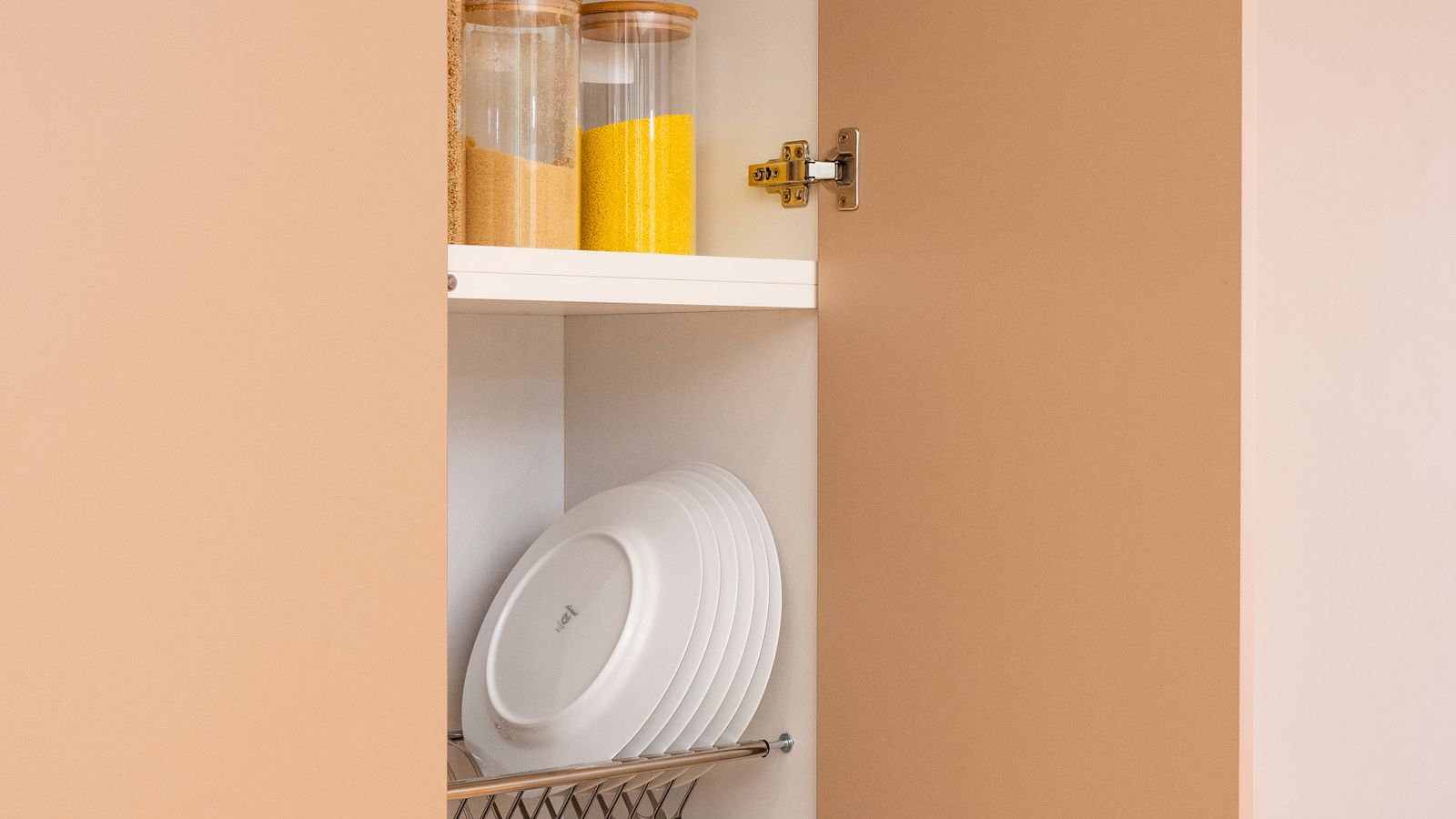
- Pick a stable, ventilated spot. A lower cabinet shelf, a pantry shelf, or a dedicated appliance garage all work well. Avoid spots directly above the stove or dishwasher where heat and steam collect.
- Leave the basket separate or vented. Store the basket resting loosely on top of the unit rather than locked inside, so trapped air can circulate and any residual moisture can escape.
- Coil the cord loosely. Use a wide loop or a velcro tie rather than wrapping the cord tightly around the body, which stresses the internal wiring over time.
- Keep it upright. Never store an air fryer on its side or upside down – this can shift internal components and damage the heating element.
- Avoid stacking anything on top. Even a lightweight cutting board resting on the lid can warp plastic housings or crack a glass viewing window over months of pressure.
- Use a dust cover if the cabinet is open. A breathable cloth cover keeps dust out of the vents without trapping moisture the way a plastic bag would.
- Store accessories together. Keep skewers, racks, and liners in a small bin or drawer next to the unit so nothing goes missing between uses.
Choosing a Storage Spot That Fits Your Kitchen

Not every kitchen has a deep cabinet to spare, and that is a big reason many shoppers choose a budget air fryer in the first place. A few layout tips:
- Corner cabinets with a lazy Susan make it easy to spin the unit into reach without lifting it over other items.
- Pull-out shelves near counter height reduce strain, since you are not bending down or reaching overhead.
- Open shelving works if you use it often enough that dust is not a concern, especially paired with a light dust cover.
- Pantry corners are useful if your kitchen cabinets are already full – just keep the fryer away from direct sunlight, which can fade plastic housings.
If you like to see your food cook without opening the basket, keep in mind that models from our roundup of air fryers with windows have a glass panel that is more prone to scratches when stored carelessly, so extra care during storage is worth the effort for those units.
Common Storage Mistakes to Avoid
- Storing it wet. Sealing a damp basket inside the unit is the fastest way to create lingering odors.
- Cramming it into a tight cabinet. Forcing the fryer between other appliances can crack plastic edges or bend the cord.
- Wrapping the cord too tightly. Repeated tight coiling stresses the wire at the point it enters the housing.
- Ignoring the vents. Blocking air intake or exhaust vents with other items can affect performance the next time you use it.
- Skipping the “cool down” step. Packing away a still-warm unit traps heat and moisture inside enclosed cabinets.
- Using a sealed plastic bag as a cover. This traps humidity rather than keeping the unit dry – a breathable fabric cover is a better choice.
Maintaining Your Air Fryer Between Storage Cycles
Good storage habits work best alongside a light maintenance routine:
- Wipe the exterior with a soft, dry cloth every few uses to prevent grease buildup.
- Check the basket coating periodically for scratches or peeling, especially if you use metal utensils.
- Empty and clean the crumb tray (if your model has one) after every few cooking sessions.
- Every couple of months, do a deeper clean of the heating element area using a soft brush to remove any grease splatter.
Frequently Asked Questions
Can I store my air fryer in the basement or garage?
It is best avoided. Basements and garages often have more humidity and temperature swings than a kitchen cabinet, which can accelerate rust on metal parts and degrade plastic seals faster.
Is it okay to store the basket inside the main unit?
Yes, as long as both pieces are completely dry first. For extra airflow, leave the basket resting on top rather than fully seated, especially if you plan to store it for more than a week or two.
How much clearance does an air fryer need in a cabinet?
Aim for at least an inch of space on each side so air can circulate and you are not forcing the unit past tight shelving, which can chip the housing over time.
Should I store my air fryer with the accessories still attached?
No – remove racks, skewers, and trays and store them separately in a small bin. Leaving them attached can put uneven pressure on the basket and make the whole unit harder to slide in and out of storage.
What is the best way to protect a compact air fryer during a move?
Wrap the main unit in a towel or bubble wrap, pack the basket and tray separately with padding between them, and keep the cord coiled loosely and secured with a twist tie so it does not tangle with other items in the box.
Final Thoughts
Storing a budget-friendly air fryer properly is a small habit that pays off in a longer-lasting appliance and a tidier kitchen. Clean and dry it fully before putting it away, give it room to breathe, and keep the cord and accessories organized nearby. If you are still shopping around or thinking about upgrading, browse our picks for air fryers under $75 to compare models that are both budget-friendly and easy to store in a compact kitchen.