
Cooking a rack of ribs in your air fryer is one of the most satisfying weeknight meals you can pull off, but the mess that comes afterward can be just as memorable for the wrong reasons. Rendered fat, sticky barbecue sauce, and stubborn smoke residue don’t just cling to the basket and pan — they can also linger inside the cooking chamber, on the heating element guard, and around the door seal if the unit isn’t cleaned and stored correctly. Left unchecked, that buildup turns into smoke on your next cook, odors that transfer to other foods, and premature wear on non-stick coatings and rubber gaskets.
This guide walks through exactly how to clean, dry, and store your air fryer after a ribs session so it stays odor-free, rust-free, and ready for the next round of low-and-slow cooking. Whether you use a basket-style unit or an oven-style model, the same core principles apply: get the grease out completely, let everything dry fully, and store the unit somewhere it can breathe.
Why Rib Grease Makes Storage Trickier Than Usual
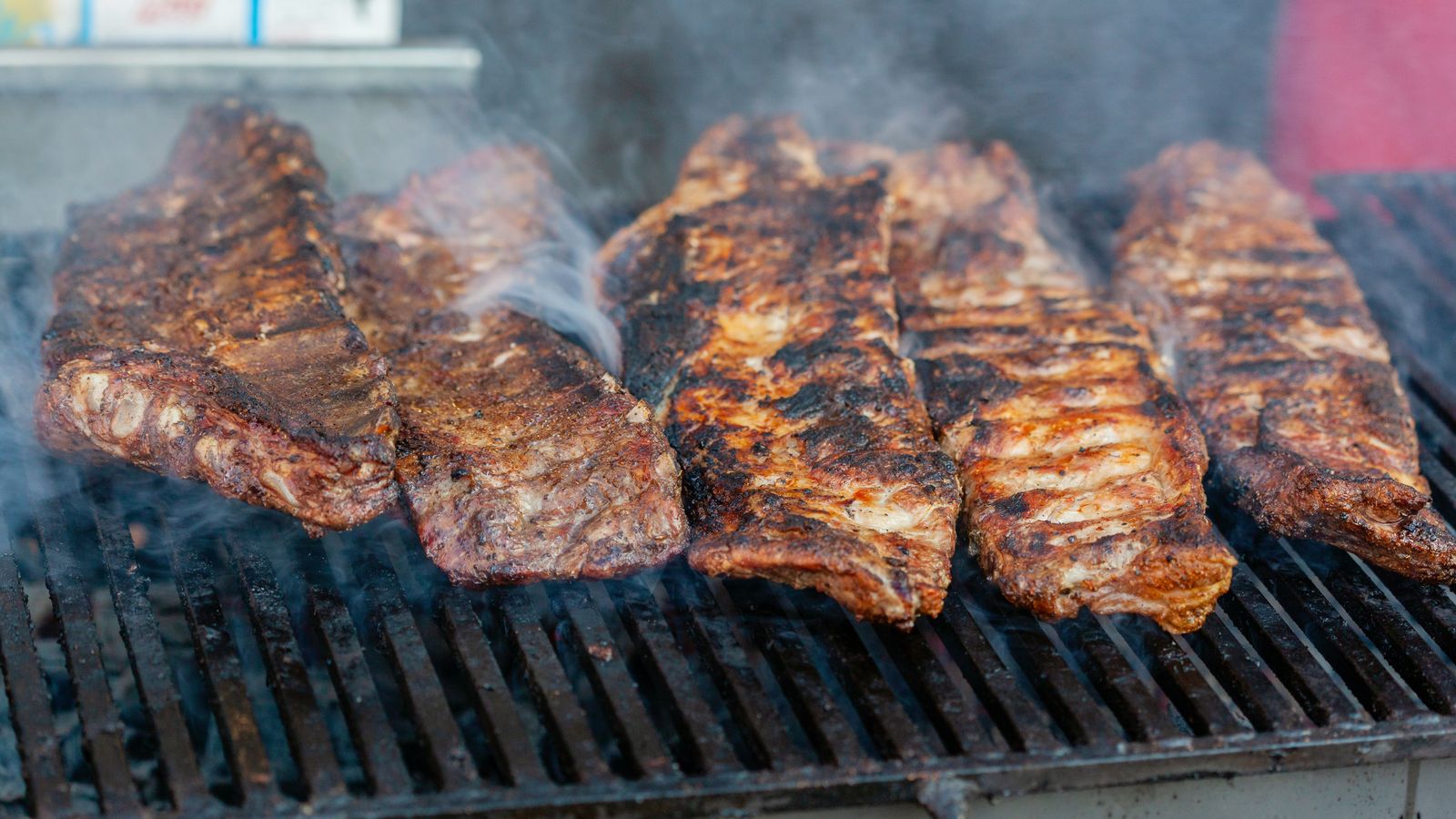
Ribs are one of the fattiest foods you’ll ever put in an air fryer. As the fat renders during cooking, it drips through the basket holes and pools in the drawer below, but a surprising amount also splatters upward and coats the interior walls, the heating coil guard, and the underside of the lid on oven-style models. Barbecue sauce adds a second layer of trouble: its sugar content caramelizes under high heat and can bake onto surfaces if the appliance isn’t cleaned promptly.
If you’re shopping for a unit specifically because you cook ribs often, it’s worth looking at models built to handle this kind of heavy, greasy cooking. Our roundup of the best air fryers for ribs highlights baskets and racks designed with grease drainage and easy-clean coatings in mind, which makes the storage routine below considerably faster every time.
What You’ll Need Before You Start
- Warm water and a few drops of dish soap
- A soft sponge or non-abrasive brush (avoid steel wool on non-stick coatings)
- Microfiber cloths or paper towels
- Baking soda for stuck-on grease or sauce residue
- A soft-bristle brush (an old toothbrush works well) for vents and corners
- A breathable storage cover or a clean, dry cabinet shelf
Gather everything before you begin so the appliance doesn’t sit half-cleaned and cooling while you hunt for supplies — grease hardens fast once it starts to cool, making it harder to wipe away later.
Step-by-Step: Cleaning and Storing Your Air Fryer After Ribs
- Unplug and let it cool. Never attempt to clean an air fryer while it’s hot. Give it 20 to 30 minutes after cooking so the basket, drawer, and interior are safe to touch and less likely to warp under sudden temperature changes from water.
- Remove the basket, tray, and any rib racks. Take out every removable part, including drip trays and skewer or rack accessories used to keep the ribs elevated. Soak these in warm, soapy water for 10 to 15 minutes to loosen rendered fat and sauce.
- Wipe down the interior chamber. Using a damp cloth, wipe the walls, heating element guard, and fan area (on models where it’s accessible) to remove grease splatter. Avoid soaking this section directly; a damp cloth or sponge is usually enough.
- Scrub stuck-on residue with baking soda. For caramelized barbecue sauce or hardened grease spots, make a paste of baking soda and water, apply it to the trouble spot, let it sit for 10 minutes, then scrub gently with a soft sponge.
- Rinse and dry every part completely. Rinse soapy parts thoroughly so no residue remains, then dry them fully with a microfiber cloth. Any lingering moisture inside the basket or drawer can lead to mildew smells or rust spots on metal components over time.
- Air-dry with the unit open for at least an hour. Leave the drawer and lid open (or the door ajar on oven-style models) so trapped humidity from the cleaning process and the rib cook itself can fully escape before you close everything up.
- Check the door seal and vents. Use a soft brush to clear grease or crumbs from vents, hinges, and rubber gaskets. A clogged vent restricts airflow on your next cook and can cause uneven results.
- Reassemble loosely, not fully sealed. Once everything is bone-dry, place the basket and tray back inside but avoid pushing the drawer in flush against the unit if it’s going into extended storage — leaving a small gap helps prevent trapped odors.
- Store in a dry, ventilated spot. Choose a cabinet or countertop location away from the stove, sink, or any source of steam and heat. Avoid stacking heavy items on top of the unit, which can warp the lid or basket over time.
- Use a breathable cover if storing on the counter. A fabric or vented cover keeps dust off without trapping residual moisture the way a sealed plastic bag would.
Storing Rib Racks and Accessories Separately
Many rib-focused air fryer setups include a metal rack or skewer accessory to keep the meat elevated for even airflow. These accessories tend to collect the most direct grease exposure, so they deserve their own quick soak-and-scrub before they go back in a drawer. Store them in a labeled container or a designated drawer separate from your everyday cooking utensils, since leftover grease residue — even after washing — can transfer a faint smoky smell to nearby items.
If you regularly cook other fatty or high-moisture foods alongside ribs, it also helps to have accessories suited to those tasks. For example, home cooks who like to prep dehydrated snacks between rib nights often keep a separate set of trays, since dried produce needs low humidity and a different rack setup than a greasy protein like ribs. Our guide to the best air fryers for dried fruit covers units with dedicated dehydrate settings and stackable racks that store neatly alongside your rib accessories without cross-contaminating flavors.
Common Storage Mistakes to Avoid
- Sealing the unit while parts are still damp. This is the single biggest cause of musty odors and rust spots on internal metal parts.
- Storing near the stove or sink. Ambient heat and humidity from cooking or dishwashing can undo your drying efforts within days.
- Skipping the vent and hinge cleanout. Grease that hardens in these tight spots is much harder to remove once it’s had days to set.
- Using abrasive scrubbers on non-stick coatings. Steel wool and harsh scouring pads scratch coatings, which then trap grease even more stubbornly on future cooks.
- Wrapping the whole unit in plastic. Plastic traps any residual moisture and odor rather than letting it dissipate, which is why a breathable cloth cover is the better choice.
- Ignoring the drip tray until the next cook. Grease left sitting in the tray for days becomes far harder to clean and can start to smell.
Keeping Your Air Fryer Ready for Multi-Food Cooking
If ribs are just one of several dishes you rotate through your air fryer, proper storage between cooks becomes even more important for avoiding flavor transfer. A unit that still smells faintly of barbecue sauce can affect the taste of lighter foods cooked afterward, like vegetables or baked goods. Thorough drying and airing out, as outlined above, solves most of this problem, but pairing your rib nights with a model that handles multiple food types cleanly also helps.
Some air fryers are specifically built with dual baskets or zone-cooking features that let you prepare two different foods without mixing smells or juices, which is worth considering if ribs share regular rotation with other meals in your kitchen. Take a look at our picks for the best air fryers for air frying two foods if you’re planning meals where ribs cook alongside sides in the same session.
Long-Term Storage Tips (Between Rib Nights or Seasons)
If you only make ribs occasionally, follow the cleaning steps above, then add a few extra precautions before tucking the appliance away for weeks or months:
- Place a small silica gel packet or a folded paper towel inside the basket to absorb any residual moisture during storage.
- Store the unit with the cord loosely coiled rather than tightly wrapped, which prevents strain on the internal wiring over time.
- Check back in every couple of weeks if it’s in long-term storage, giving it a quick wipe-down and airflow check to catch any dust or moisture buildup early.
- Keep the manual or a printed note of your favorite rib settings taped inside a nearby cabinet so you’re not hunting for cook times when you pull the unit back out.
Frequently Asked Questions
How soon after cooking ribs should I clean the air fryer?
Ideally within an hour, once the unit has cooled enough to handle safely. Grease and sauce residue are far easier to remove while still slightly warm than after they’ve fully hardened overnight.
Can I put air fryer parts in the dishwasher?
Many baskets and trays are dishwasher-safe, but always check your specific model’s manual first. Non-stick coatings can degrade faster with repeated dishwasher cycles, so hand-washing is generally gentler for long-term care.
Why does my air fryer still smell like barbecue sauce after washing?
Lingering odor usually means moisture or residue is still trapped somewhere, often in the vents, seal, or corners of the basket. Go back through with a soft brush and make sure the unit airs out fully with the drawer open before you store it.
Is it safe to store an air fryer in a cabinet right after cleaning?
Only once every part is completely dry to the touch, including seams and corners. Storing it even slightly damp in an enclosed cabinet is the most common cause of musty smells and rust spots developing over time.
Do I need special accessories to store rib racks and skewers?
A simple labeled container or drawer works fine. The main goal is keeping grease-prone accessories separate from other kitchen tools so residual smoky flavor doesn’t transfer to unrelated items.
Final Thoughts
Storing your air fryer properly after cooking ribs isn’t complicated, but it does require a bit more attention than a quick wipe-down after roasting vegetables. Rendered fat and sticky barbecue sauce need a thorough clean, complete drying time, and a well-ventilated storage spot to keep your appliance smelling fresh and performing well for years. Build these steps into your post-rib routine and you’ll avoid the smoke, odor, and wear issues that come from rushing the cleanup. And if you’re still shopping for the right setup for frequent rib nights, our linked guides above can help you find a unit built to make this whole process easier from the start.