
Dorm rooms and shared student apartments were never designed with countertop appliances in mind. Between a roommate’s belongings, a mini-fridge, textbooks, and a closet that barely fits a winter coat, finding a permanent home for your air fryer can feel like solving a puzzle every single week. Yet how you store your air fryer between uses directly affects how long it lasts, how safe your room stays, and how much stress you save yourself before finals week.
This guide walks through exactly how to store an air fryer in a small dorm or apartment setting, from cool-down and cleaning to choosing the right shelf, drawer, or closet spot, so your appliance stays safe, clean, and ready to use for every late-night snack run.
Why Proper Storage Matters in Dorms and Small Apartments
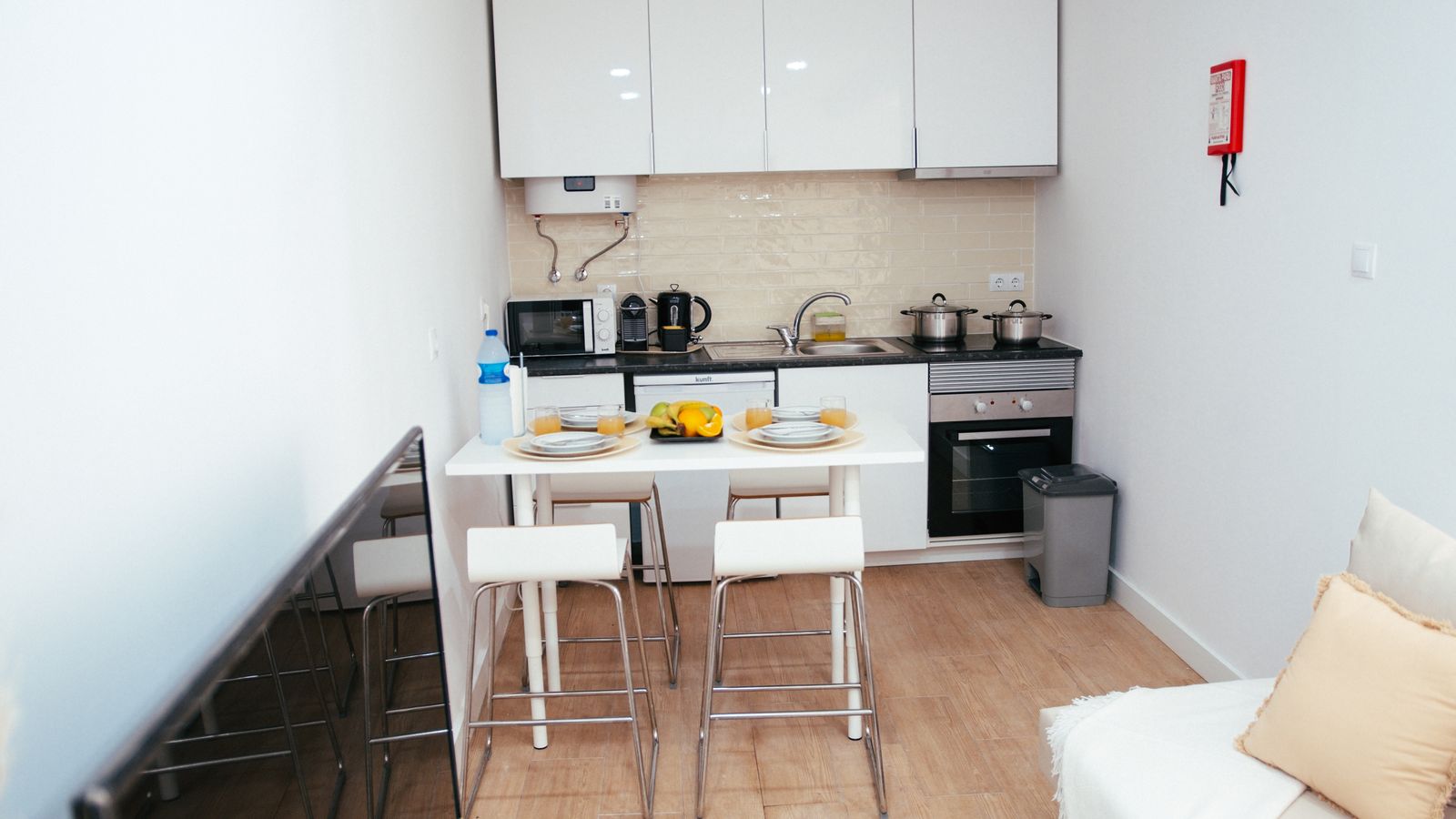
Unlike a house kitchen with plenty of cabinets and counter space, a dorm room typically gives you one small counter, maybe a two-drawer cart, and a closet you’re already sharing with clothes and school supplies. In that environment, poor storage habits create real problems fast:
- Fire and safety risk: Many dorms have strict rules about small appliances near bedding, curtains, or paper. An air fryer stored too close to flammable material, or left plugged in on a cluttered desk, is a common source of RA write-ups and actual fire hazards.
- Odor and grease buildup: A dorm room is a tight, shared-air space. An air fryer stored dirty or damp will spread lingering food smells across the whole room, not just the kitchenette corner.
- Damage from cramped storage: Cords bent at sharp angles, baskets stacked with heavy textbooks on top, or units squeezed into an overstuffed closet shelf can crack housings and damage heating elements over a single semester.
- Wasted space you don’t have: Students living in 120-200 square foot rooms cannot afford to dedicate a full shelf to an appliance that isn’t stored efficiently.
If you’re still deciding which model to bring to campus in the first place, it’s worth starting with an appliance actually built for small spaces. Our guide to the best air fryers for college students covers compact, dorm-friendly options that make storage far easier than a bulky family-sized unit.
Before You Store It: Preparation Steps
Storing an air fryer the “right way” starts well before it goes into a cabinet or closet. Skipping prep is the number one reason dorm air fryers end up smelly, greasy, or moldy by winter break.
What You’ll Need
- Dish soap and warm water (or a sink/shower access if your dorm kitchen is shared down the hall)
- A non-abrasive sponge or cloth
- A dry towel or paper towels
- A small basket, bin, or drawer organizer (optional but recommended)
- Twist tie, velcro strap, or rubber band for the cord
Cool-Down and Cleaning Checklist
- Unplug the unit immediately after use and let it sit for at least 20-30 minutes before touching the basket or interior.
- Once fully cool, remove the basket and any removable tray or crisper plate.
- Wash removable parts with warm, soapy water, or place them in a communal dishwasher if your dorm kitchen allows it.
- Wipe down the interior chamber and heating coil area with a damp cloth; never submerge the main unit in water.
- Dry every part completely with a towel. Trapped moisture is the leading cause of mold and odor in appliances stored in tight, poorly ventilated dorm closets.
- Wipe the exterior housing to remove fingerprints, splatters, and dust that attract more dust once stored.
Step-by-Step: How to Store Your Air Fryer the Right Way
Once it’s clean and completely dry, follow these steps to give your air fryer a proper, safe home in your dorm or apartment.
- Choose a stable, ventilated spot. Pick a shelf, cart, or closet spot with a flat, sturdy surface. Avoid tucking it into soft storage bins or under piles of clothing, where crushed baskets and blocked vents are common.
- Keep it away from bedding and paper. Even in storage, position the unit at least a foot from curtains, comforters, or stacks of notebooks. Many campus housing fire codes require this distance for any small kitchen appliance, plugged in or not.
- Store the basket separately if space allows. Nesting the basket back inside the main unit is fine for daily use, but if you’re storing for a longer break, letting both dry fully apart for a day first prevents trapped moisture.
- Coil and secure the cord. Loosely wrap the power cord and secure it with a velcro strap or twist tie so it doesn’t dangle, tangle with other cords, or get crushed under nearby items.
- Use a dedicated bin or shelf divider. A simple stackable bin, wire shelf, or rolling cart drawer keeps the air fryer from sliding into roommates’ items or falling off a narrow dorm shelf.
- Cover it if dust is a concern. A lightweight cloth cover or even a pillowcase over the unit prevents dust buildup in older dorm buildings with less-than-ideal ventilation, without trapping in residual moisture.
- Position for easy access, not deep storage. Since most students use their air fryer several times a week, avoid burying it behind other items. A front-facing spot on a shelf or cart drawer keeps it genuinely usable rather than “stored and forgotten.”
Best Storage Spots for Different Dorm Layouts
Traditional Dorm Room (No Kitchenette)
If cooking appliances are only permitted in a shared common kitchen, a rolling utility cart or a designated closet shelf near the door works best, since you’ll be transporting the unit back and forth. Look for a cart with a flat top shelf sized for the appliance’s footprint.
Suite-Style Dorm with a Small Kitchenette
A single open shelf or the top of a mini-fridge (once cooled and unplugged) is often the most efficient spot. Just make sure nothing flammable sits nearby and that the shelf can bear the appliance’s weight without bowing.
Off-Campus Apartment or Small Studio
With slightly more room, a lower cabinet near the stove, a pantry shelf, or a dedicated spot on a compact kitchen cart works well. If you’re setting up a first apartment kitchen from scratch, our guide to air fryers for tiny homes is a useful reference for choosing appliances that store as easily as they cook.
Common Mistakes to Avoid
- Storing it while still damp. This traps moisture inside the chamber and around the heating element, leading to musty odors and potential rust on metal components.
- Wrapping the cord too tightly around the body. Sharp, repeated bends near the plug weaken the wiring over time. Loop it loosely instead.
- Stacking heavy items on top. Textbooks or storage bins placed on the basket or lid can warp plastic components and crack non-stick coatings.
- Ignoring campus fire safety rules. Some dorms restrict where and how appliances can be stored, not just used. Check your housing handbook before assuming any shelf or closet is fair game.
- Leaving it plugged in “just in case.” Unplugging during storage protects both the appliance and your room’s limited outlets, which are often shared with chargers, lamps, and mini-fridges.
- Skipping end-of-semester deep cleaning. Before a long break, wash all removable parts thoroughly rather than storing the unit with weeks or months of residue that will make the first use back on campus unpleasant.
Packing Your Air Fryer for Breaks and Moves
College life means the air fryer often has to travel: winter break, summer storage, or a move to a new dorm room. A few extra steps prevent damage during transport:
- Clean and fully dry the unit as described above.
- Wrap the basket and any glass or ceramic trays in a towel or bubble wrap to prevent chips and cracks.
- Place the unit in a sturdy box, ideally its original packaging if you kept it, with the cord coiled and tucked to the side rather than wound around the body.
- Label the box clearly if it’s going into shared summer storage with other students’ belongings.
- Avoid storing it in a hot car, attic, or storage unit for long stretches, since extreme heat can warp plastic housings and seals.
Whether you’re packing for a semester break or setting up a new place after graduation, families and empty nesters go through a similar downsizing process. Our roundup of air fryers for empty nesters is a helpful comparison point if you’re shopping for a smaller, easier-to-store model for a future apartment or new home.
Maintaining Your Air Fryer Between Storage Periods
Good storage habits work hand in hand with regular light maintenance. A quick wipe-down after each use, rather than letting grease sit for days, keeps the appliance far easier to store cleanly. Check the basket’s non-stick coating periodically for scratches, and inspect the cord for fraying, especially if it gets moved in and out of a closet frequently. If you notice a persistent burning smell on startup after storage, unplug the unit and inspect the heating coil area for trapped food debris before using it again.
Frequently Asked Questions
Can I store my air fryer in a dorm closet?
Yes, as long as it’s fully cooled, clean, and dry, and positioned away from clothing, bedding, or paper. Check your housing guidelines, since some dorms restrict appliance storage locations for fire safety.
Is it okay to leave the basket inside the air fryer during storage?
For short-term, day-to-day storage this is fine. For longer breaks, it’s better to let both the basket and the main unit air out separately for a day first to avoid trapped moisture and odor.
How often should I deep clean my air fryer if I’m storing it frequently?
A light wipe after every use is ideal, with a deeper clean of all removable parts at least once a week during regular use, and always before any extended storage period like a school break.
What’s the best type of storage container or shelf for a dorm air fryer?
A sturdy, flat-surfaced shelf, cart drawer, or open bin sized to the appliance’s footprint works best. Avoid soft bins or stacked storage that can crush the basket or block vents.
Should I store my air fryer plugged in for convenience?
No. Unplugging during storage reduces fire risk, frees up a limited outlet, and protects the cord and internal components from unnecessary wear.
Can extreme cold or heat during a break damage a stored air fryer?
Yes. Avoid storing it in an uninsulated car trunk, attic, or non-climate-controlled storage unit for extended periods, since temperature extremes can warp plastic parts and affect seals.