
If your accessory drawer looks like a mismatched junk box of trays, lids, and racks, you are not alone. Two of the most-used pieces in that drawer are the dehydrator tray and the toaster oven cover, and when they do not match in size, material, or finish, your whole air fryer setup starts to feel disjointed. A cohesive accessory drawer is not just about aesthetics; it is about making sure every piece actually fits your machine, stacks safely, and works together instead of against each other. This guide walks you through exactly how to match an air fryer dehydrator tray with a toaster oven cover so your accessory collection functions as one coordinated system rather than a pile of odds and ends.
Why Matching Accessories Actually Matters
It is tempting to buy whatever tray or cover is cheapest or most popular, but mismatched accessories create real problems. A dehydrator tray that is slightly too large will not sit flush inside your air fryer basket, causing uneven airflow and inconsistent drying. A toaster oven cover that does not match the footprint of your unit will either sag in the middle or leave gaps that let dust and pests in. Beyond function, mismatched pieces also make storage harder: irregular shapes do not stack, so your drawer becomes a jumble instead of a tidy, grab-and-go system.
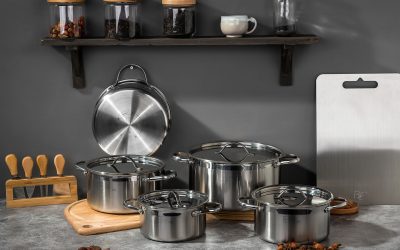
When accessories are properly matched, you get consistent cooking results, easier cleanup, and a drawer that actually closes without wrestling odd-shaped lids and racks. Think of it the way you would think about kitchenware sets – cohesion saves time and frustration every single day you cook.
Step 1: Know Your Exact Air Fryer and Toaster Oven Dimensions
Before buying or matching anything, measure your appliances. Note the interior basket diameter or width/depth of your air fryer, and separately measure the exterior width, depth, and height of your toaster oven (if it doubles as an air fryer). Round versus square baskets require completely different tray shapes, so this is the single most important step. Write these numbers down or save them in your phone so you always have them on hand when shopping.
Step 2: Choose a Dehydrator Tray Sized to Your Basket, Not Just Your Brand
Dehydrator trays are sold as universal, brand-specific, and generic multi-packs. Instead of matching by brand name alone, match by measured diameter or footprint. A tray that is 0.5 inches smaller in diameter than your basket will wobble and tip when loaded with food; one that is too large will not seat properly and can warp under heat. Look for stackable dehydrator trays made of the same material (usually stainless steel or food-grade silicone-coated mesh) so that if you eventually add more trays, they nest together instead of creating a chaotic stack. For a curated comparison of options sized for different basket types, check out these air fryer dehydrator trays before you commit to a set.
Step 3: Match the Toaster Oven Cover to the Same Material and Finish
Once your dehydrator tray is settled, turn to the toaster oven cover. The goal here is visual and material cohesion: if your tray is brushed stainless steel, choose a cover in a similar stainless or neutral fabric tone rather than a bright printed pattern that clashes. Beyond looks, the cover needs to fit your toaster oven’s exact exterior dimensions – too loose and it will slide off or let dust in; too tight and it will not go on at all. Measure twice, and always check the manufacturer’s size chart rather than guessing from a picture. Browse a range of toaster oven covers filtered by size so you can find one that lines up with your unit’s footprint and complements the rest of your drawer.

Step 4: Coordinate Smaller Accessories Around the Same Theme
Once the two anchor pieces (tray and cover) are matched, extend the same logic to smaller items in your drawer. Silicone egg molds, for example, are compact, stack neatly, and are available in muted tones that pair well with stainless trays or neutral-colored covers. Choosing accessories that share a similar color family and material makes your whole drawer feel intentional rather than accidental. If you cook eggs, muffins, or mini frittatas in your air fryer, it is worth adding a set of air fryer egg molds that fit the same basket dimensions you already measured in Step 1.
Step 5: Test the Full Stack Before You Commit to Storage
Before tucking everything into your drawer for good, do a dry run. Stack the dehydrator tray, place the toaster oven cover over the unit, and set the egg molds or other small accessories in their intended spots. Check that nothing overlaps awkwardly, that the drawer still closes, and that you can pull out any single piece without disturbing the others. This trial run catches sizing mismatches before you are mid-recipe and realize a tray does not actually fit under the basket lid.
What to Look For During the Test
- The dehydrator tray sits flat and level inside the basket with no visible gaps around the edges.
- The toaster oven cover pulls on and off smoothly without stretching or bunching at the corners.
- Stacked trays nest cleanly without wobbling when you lift the top one.
- The drawer or cabinet closes fully with everything stored in place.
Common Mistakes to Avoid
- Buying by brand loyalty instead of measurements. A tray labeled for your air fryer’s brand is not automatically the right size for your specific model number.
- Mixing incompatible materials. Combining a metal tray with a low-heat-rated cover material can lead to premature wear or even damage if surfaces touch during storage.
- Ignoring height clearance. A tray that fits the width and depth of your basket may still be too tall to allow the lid to close properly.
- Skipping the trial stack. Assuming everything will fit together without testing often leads to returns and wasted time.
- Overcrowding the drawer. Adding too many mismatched accessories “just in case” defeats the purpose of a cohesive, easy-to-use setup.
Tips for Keeping Your Accessory Drawer Cohesive Long-Term
Once you have a matched set, maintain it by replacing worn pieces with items that match your original measurements and material choices, rather than grabbing whatever is on sale. Wipe down trays and covers after each use so buildup does not warp their fit over time, and store them in the same orientation each time so you develop a consistent habit. If you upgrade your air fryer or toaster oven down the line, remeasure before buying new accessories – appliance dimensions vary more than most people expect, even within the same brand’s product lineup.
Frequently Asked Questions
Can I use a dehydrator tray from one brand with an air fryer from another brand?
Yes, as long as the tray’s diameter or footprint matches your basket’s interior dimensions. Universal trays are designed for this kind of cross-brand compatibility, but always double-check measurements rather than assuming based on brand names.
Does the toaster oven cover need to be a specific material?
Not strictly, but breathable fabric covers are generally better for preventing moisture buildup, while heavier vinyl or silicone covers offer more protection from dust and spills. Choose based on how often you use the appliance and where it is stored.
How do I know if my accessories are actually cohesive, not just similar-looking?
True cohesion means every piece fits its intended appliance correctly, stores without overlapping awkwardly, and can be swapped in and out without extra adjustment. Matching colors or materials is a bonus, but proper fit always comes first.
Should I match every single accessory in my drawer?
Not necessarily. Focus on matching the accessories you use most often, such as your dehydrator tray, toaster oven cover, and any molds or racks in regular rotation. Occasional-use items matter less for day-to-day cohesion.
What if my current dehydrator tray and cover already do not match?
Start by remeasuring your appliances and comparing those numbers against the sizing charts for new trays and covers. Replace the piece that is causing the most friction first, whether that is a poorly fitting tray or a cover that no longer seals properly, before overhauling the entire drawer at once.
Final Thoughts
Building a cohesive air fryer accessory drawer comes down to measuring carefully, matching materials thoughtfully, and testing your full setup before committing to long-term storage. A dehydrator tray and toaster oven cover that genuinely fit your appliances will save you time, reduce wear on your gear, and make everyday cooking feel far more organized. Take the extra ten minutes to measure and test – your future self reaching into a tidy, functional drawer will thank you.