

Few snacks disappear faster from a party tray than golden, gooey mozzarella sticks, but that same melted cheese is exactly what shortens the life of your air fryer if you’re not careful. Cheese that escapes its breadcrumb coating drips through the basket, hardens on the heating element, and slowly chokes the airflow your machine depends on for crispy results. If mozzarella sticks are a regular fixture in your kitchen, a little routine maintenance goes a long way toward keeping your appliance running like new for years.
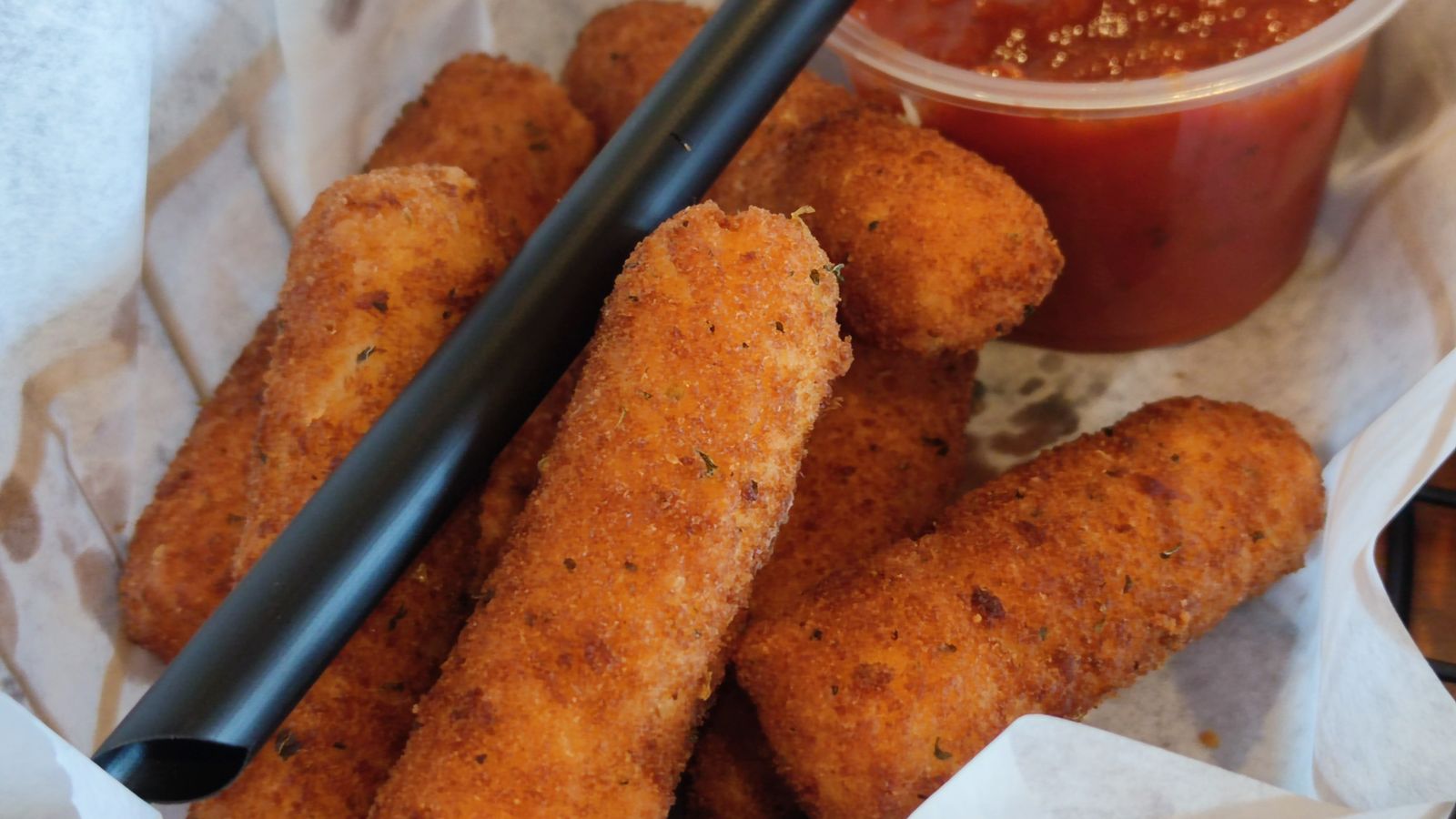
This guide walks through exactly why cheese residue is such a persistent problem, the cleaning steps that keep your basket and heating element in top shape, how to store your machine between uses, the warning signs that a part needs replacing, and the mistakes that quietly wear down even a well-built air fryers for mozzarella sticks setup.
Why Mozzarella Sticks Are Especially Hard on Your Air Fryer
Mozzarella sticks are uniquely tough on kitchen appliances because they combine three things that stress an air fryer at once: high fat content, high heat, and a breading that can crack open mid-cook. When the cheese inside softens faster than the coating can seal, it leaks out through the smallest gap and drips onto the heating element or pools at the bottom of the basket. Once that cheese hits a surface running well above 350°F, it doesn’t just sit there – it caramelizes, then carbonizes, forming a dark, sticky film that’s much harder to remove than fresh residue.
Left unchecked, this buildup does two things. First, it creates smoke and an unpleasant burnt smell on your next cook, even if you’re making something unrelated to cheese. Second, and more seriously, it can partially block the airflow vents around the heating coil, forcing the fan to work harder and the element to run hotter to compensate. Over months of frequent frying, that extra strain can shorten the lifespan of the heating element itself.
Daily and Weekly Cleaning Steps
The good news is that a consistent, simple routine prevents almost all of the damage cheese residue can cause. Follow these steps after every mozzarella stick session, and add the deeper clean weekly if you cook fried snacks often.
- Unplug and let it cool. Never clean a hot air fryer – residual heat can cause burns and can also weld any wet cheese droplets into a stronger bond with the metal.
- Remove the basket and pan immediately. Cheese hardens fast; soaking the basket in warm, soapy water for 10-15 minutes while it’s still slightly warm (not hot) makes the residue far easier to lift than if you let it sit overnight.
- Scrub with a soft brush or non-abrasive sponge. Avoid steel wool or anything that can scratch the nonstick coating, which will only give future cheese more surface area to cling to.
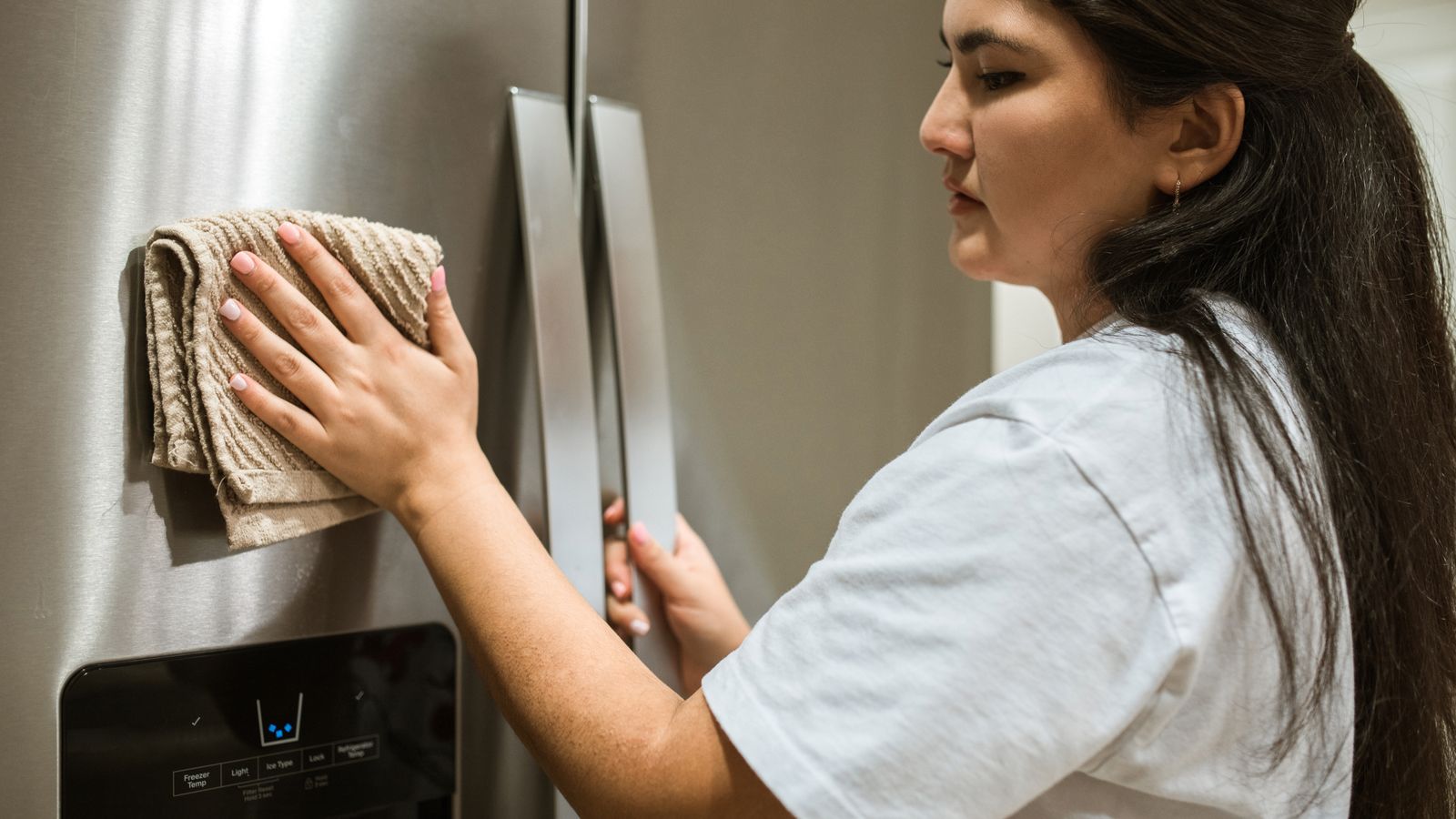
- Check the heating element with the basket removed. Look for dark, crusted spots directly above where the basket sits. Let the unit cool completely, then gently wipe the coil area with a damp cloth or a soft-bristled brush – never spray water directly onto the element.
- Wipe down the interior walls and drawer track. Grease and cheese can splatter onto the sides of the cooking chamber, not just the basket, so a quick wipe with a damp microfiber cloth prevents buildup from spreading.
- Dry everything completely before reassembling. Moisture trapped inside the unit encourages both rust on metal parts and a stale odor that can transfer to your next batch of food.
- Once a week, do a deeper soak. For baskets with stubborn caramelized cheese, a longer soak (30 minutes) in warm water with a splash of white vinegar helps break down the sugars in the residue without harsh chemicals.
Preventing Cheese Leaks in the First Place
Cleaning is only half the battle – reducing how much cheese escapes during cooking saves you time and protects the machine. Freezing mozzarella sticks solid before air frying (rather than cooking them fresh or only lightly chilled) gives the cheese less time to melt and burst through the coating before the outside crisps. A double coat of breadcrumbs, with the stick dipped in egg wash twice, also creates a stronger seal. Finally, avoid overcrowding the basket; sticks that touch each other are more likely to split open under pressure as they expand with heat.
Storage Tips Between Uses
How you store your air fryer between cooking sessions matters almost as much as how you clean it. Always store the unit with the basket fully dry and, ideally, left slightly ajar for an hour after cleaning so any trapped humidity can escape rather than condensing inside a sealed drawer. If you store the air fryer in a cabinet, make sure the exterior vents aren’t blocked by nearby items – restricted airflow while idle can trap odors and moisture around the components. For countertop storage, keep the unit away from direct stovetop grease splatter, which adds an extra layer of residue you’ll have to clean regardless of what you’re air frying.
If you’re storing the appliance for an extended period, such as between holiday gatherings, remove the basket and pan and store them separately with a paper towel between surfaces to absorb any leftover moisture.
Signs of Wear and When to Replace Parts
Even with excellent care, parts of an air fryer wear out over time, especially when they’re regularly exposed to melted cheese. Watch for these signs that it’s time to replace a component rather than keep cleaning around the problem:
- Peeling or flaking nonstick coating. Once the coating starts to chip, food (and cheese) will stick more aggressively, and small flakes can end up in your food. Replace the basket rather than continuing to use a damaged one.
- Persistent burning smell that won’t clean away. If a thorough clean of the basket and interior doesn’t eliminate a burnt-cheese smell, residue may have reached the heating element or interior walls in a spot you can’t access – this is worth checking with the manufacturer or a repair technician.
- Uneven cooking or longer cook times. If mozzarella sticks that used to crisp in 8 minutes now need 12, reduced airflow from a partially blocked element or worn fan motor could be the cause.
- Cracked or warped basket. Repeated heating and cooling cycles can warp plastic handles or crack the mesh insert; a warped basket won’t seal against the pan properly, letting drips fall directly onto the element.
- Faulty temperature control. If your fryer is consistently over- or under-cooking despite correct settings, the thermostat or sensor may be degrading – a sign the unit’s remaining years of reliable service are limited.
Common Mistakes That Shorten Your Air Fryer’s Life
A handful of habits are responsible for most of the premature wear people see with their air fryers, especially when cooking cheese-heavy foods regularly.
- Skipping the cool-down period before cleaning. Wiping a hot unit not only risks burns but can smear softened cheese deeper into crevices instead of lifting it out.
- Using metal utensils inside the basket. Scraping stuck cheese with a fork or knife scratches the nonstick coating, creating rough patches where future residue sticks even more stubbornly.
- Ignoring the heating element entirely. Many people only ever wash the basket and pan, leaving the coil area to accumulate grime for months at a time.
- Overloading the basket to save time. Cramming in extra mozzarella sticks increases the odds of splitting and cheese leakage, and it also blocks the airflow the machine needs to crisp food evenly.
- Not drying parts fully before storage. Reassembling a damp basket traps moisture that can lead to mold, odors, or rust on metal components over time.
Getting More Value From Your Air Fryer
Since a well-maintained air fryer is a genuinely versatile tool, it’s worth using it for more than just cheese-based snacks so the investment pays off across your whole week of cooking. Lean proteins are a natural next step: if you haven’t tried it yet, a good set of air fryers for chicken breasts can turn out juicy, evenly cooked meat with a fraction of the cleanup that frying in oil requires. Seafood is another category worth exploring – the same basket-and-fan design that crisps mozzarella sticks also works beautifully for flaky fillets, and dedicated air fryers for salmon guidance can help you dial in times and temperatures if you’re new to cooking fish this way.
Rotating between cheese-based snacks, proteins, and vegetables not only gets more mileage out of your appliance but also reduces how often cheese residue becomes the dominant maintenance issue, since it’s balanced out by lower-mess cooks in between.

Frequently Asked Questions
How often should I deep clean my air fryer if I make mozzarella sticks weekly?
If mozzarella sticks are a weekly habit, plan on the quick post-cook clean every single time and a deeper soak-and-scrub session at least once a week. Frequent, light cleaning is far easier than letting several sessions’ worth of cheese residue harden into a single stubborn job.
Can I put the air fryer basket in the dishwasher?
Many baskets and pans are dishwasher-safe, but always check your specific model’s manual first. Even when it’s allowed, hand-washing tends to be gentler on the nonstick coating over the long run, especially for parts that see frequent cheese exposure.
Why does my air fryer smell like burnt cheese even after cleaning?
This usually means residue has reached the heating element or an interior surface the basket doesn’t cover. Unplug the unit, let it cool fully, and gently inspect and wipe the area around the coil. If the smell persists, it may be time to consult the manufacturer about a deeper service.
Is parchment paper or a liner a good way to prevent cheese drips?
Perforated air fryer liners can help catch some drips, but they shouldn’t fully block airflow underneath food, or your mozzarella sticks won’t crisp properly. Use liners as a supplement to good cleaning habits, not a replacement for them.
How long should a well-maintained air fryer last?
With consistent cleaning and careful handling, many air fryers remain reliable for several years of regular use. Skipping maintenance – especially around cheese-heavy foods like mozzarella sticks – is one of the most common reasons an otherwise solid appliance needs early replacement.
What’s the fastest way to remove hardened cheese from the basket?
Soak the basket in warm water with a little dish soap and a splash of white vinegar for 20-30 minutes, then scrub gently with a soft brush. Avoid scraping with metal tools, which can damage the nonstick surface and make future cheese stick even more.