
If your kitchen drawer looks like an air fryer accessory graveyard, you are not alone. Between racks, skewers, extra baskets, silicone liners, and a rotisserie fork you have used exactly once, prep and serving gear has a way of multiplying far beyond what any single air fryer actually needs. Downsizing your kit is not about giving up function; it is about identifying which pieces genuinely earn their spot in the drawer and which ones are just taking up space. This guide walks you through a practical process for trimming your air fryer prep and serving kit down to the essentials, without sacrificing the versatility that made you buy an air fryer in the first place.
Why Downsize Your Air Fryer Kit in the First Place
Most people build their air fryer accessory collection reactively. You buy a new gadget every time a recipe or a social media video suggests you need one, and within a year the drawer is stuffed with single-purpose tools that rarely see daylight. A downsized kit solves several real problems at once.
- Storage space. Small kitchens simply do not have room for ten different racks and baskets.
- Cleanup time. Fewer pieces means fewer things to wash after every meal.
- Decision fatigue. When you own less, choosing the right tool for a recipe takes seconds instead of minutes of digging.
- Actual usage. Studies on kitchen tool ownership consistently show that most households use a small fraction of what they own. Trimming down forces you to keep only what performs.
The goal is not minimalism for its own sake. It is building a kit where every item does real work, ideally more than one kind of work, so you lose nothing in day-to-day cooking.
Essential vs. Skippable: Sorting Your Current Kit
Before you can downsize, you need an honest inventory. Pull everything out of the drawer and sort it into three piles: essential, multi-use, and skippable.
Essential Accessories
These are the tools that touch nearly every cooking session, regardless of what you are making.
- A reliable set of tongs for turning food without piercing it.
- At least one quality serving basket that can double as a mixing and tossing vessel. If yours is worn out or you never had one that fit your basket size well, browse air fryer serving baskets to find a size that matches your unit and doubles for tabletop serving.
- A small silicone or metal spatula for delicate items like fish or pastries.
- An instant-read thermometer, especially for meat and poultry.
Multi-Use Accessories Worth Keeping
These items earn a permanent spot because they replace two or three single-purpose tools.
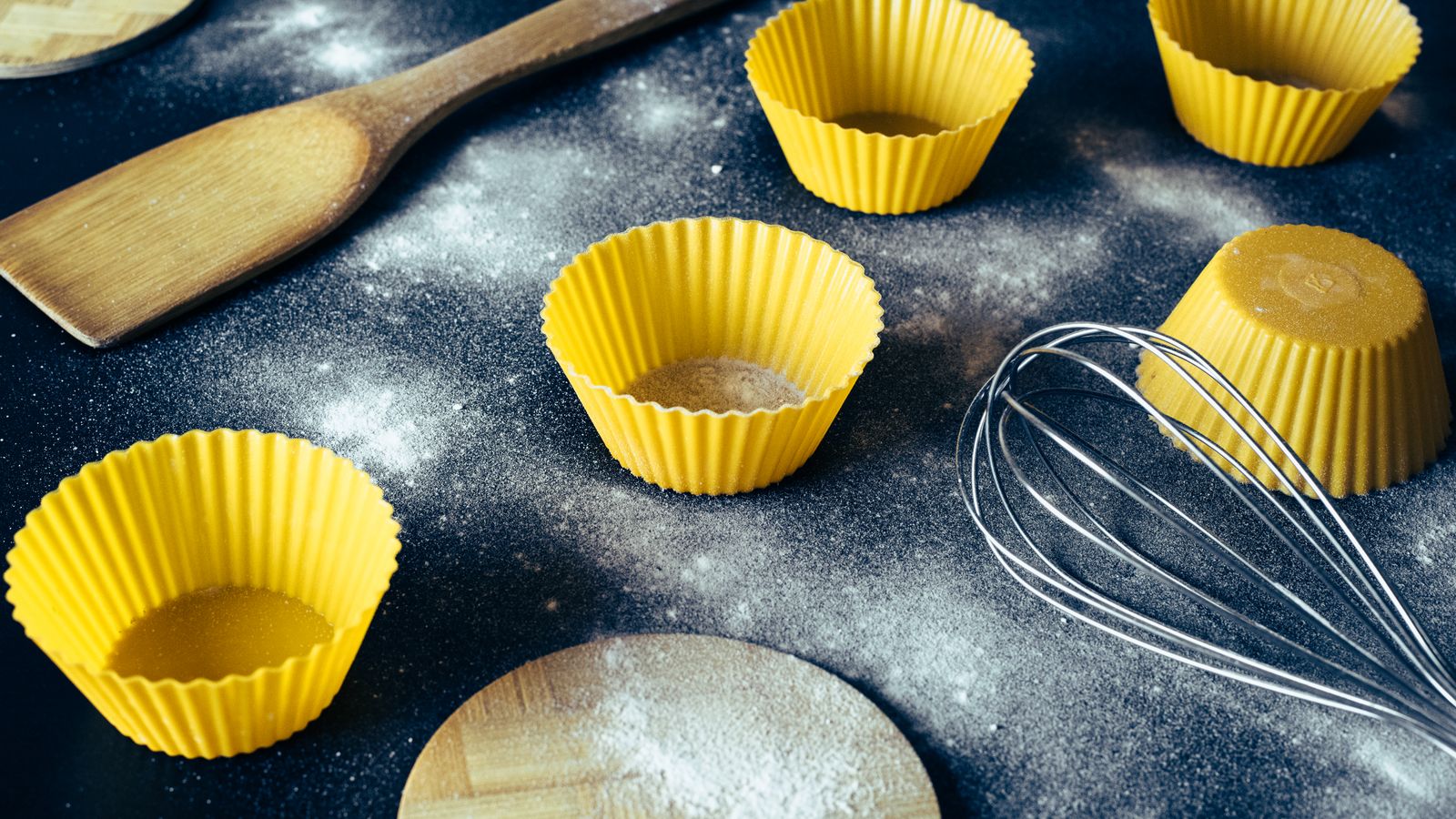
- Silicone baking cups that work for muffins, individual egg bites, portioned meatballs, and even holding sauces during cooking. A well-chosen set of air fryer baking cups can replace ramekins, cupcake liners, and small foil trays all at once.
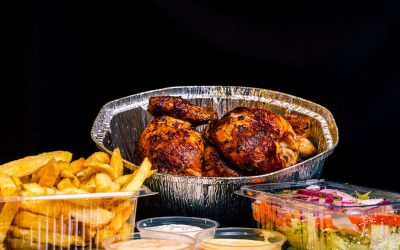
- A rotisserie fork attachment, if your air fryer supports one, since it turns your unit into a mini rotisserie oven for whole chickens and roasts. If you cook rotisserie-style meals more than occasionally, a set of air fryer rotisserie forks is worth keeping even in a downsized kit, since nothing else replicates that even, self-basting rotation.
- A flat metal rack that works for reheating, layering food for double-batch cooking, and elevating items above rendered fat.
Commonly Skippable Items
These are the pieces that sound useful in theory but rarely justify their storage footprint.
- Single-use silicone molds shaped like specific foods (donuts, eggs, tiny loaves) that only work for one recipe.
- Duplicate baskets in nearly identical sizes.
- Decorative skewers or picks that do not withstand high heat.
- Cheap plastic tongs or spatulas that warp near the heating element.
- Extra lids or covers that do not fit your current air fryer model.
How to Downsize Your Kit: A Step-by-Step Process
Once you know what falls into each category, use this process to actually shrink the drawer without second-guessing yourself later.
- Empty the drawer completely. Lay every accessory out on the counter so you can see the full scope of what you own. It is easy to forget how much has accumulated when items are stacked inside each other.
- Group duplicates together. Line up every basket, every rack, every set of tongs. If you have more than one item doing the same job, keep only the one in the best condition.
- Test the “last three uses” rule. For anything you are unsure about, ask when you last used it. If you cannot recall using it in the last three months of regular cooking, it is a strong candidate to go.
- Identify true multi-use pieces. Set aside anything that can perform two or more distinct tasks, such as baking cups that also work as sauce dishes, or a basket that doubles as a serving bowl.
- Replace worn essentials before removing anything. If your core basket or rack is scratched, warped, or has a damaged nonstick coating, replace it first so your downsized kit starts from solid, safe tools rather than tired ones.
- Set a hard item limit. Decide on a target, for example eight to ten total pieces, and stick to it. A number forces real decisions instead of vague intentions to “use it more.”
- Donate, sell, or repurpose the rest. Silicone molds and extra racks are often useful to someone just starting out with an air fryer, so consider passing them along rather than storing them “just in case.”
- Re-test your kit for a full week. Cook your normal weekly rotation using only the trimmed-down kit. If something is genuinely missing, you will notice quickly and can add it back deliberately.
Getting More Out of Fewer Accessories
The real trick to downsizing without losing function is choosing pieces that flex across multiple cooking styles. A few practical tips:
- Use baking cups not just for eggs and muffins, but as small containers for sauces, glazes, or toppings that need to warm alongside the main dish.
- Treat your serving basket as a mixing bowl for tossing vegetables in oil and seasoning right before they go into the fryer, cutting down on extra dishes.
- If you have a rotisserie fork, use it for more than whole chickens. Boneless roasts, kabobs, and even root vegetables threaded onto skewers can benefit from the same even rotation.
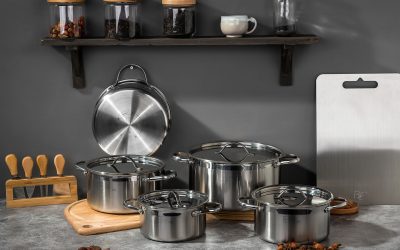
- Choose accessories in stackable shapes and matching materials so they nest together and take up less drawer space.
- Favor accessories rated for both the air fryer and the dishwasher, so cleanup does not become an argument for keeping disposable, single-use alternatives around.
Common Mistakes to Avoid
Downsizing goes wrong most often when people rush the process or apply the wrong criteria. Watch for these pitfalls.
- Removing items based on looks instead of use. A scratched-up basket that you use daily is more valuable than a pristine gadget still in its box.
- Cutting too deep too fast. If you eliminate every backup piece at once, you may find yourself scrambling mid-recipe. Trim gradually over a few cooking sessions if you are unsure.
- Ignoring size compatibility. Not every basket or rack fits every air fryer model. Confirm dimensions before keeping or replacing a piece, so you are not stuck with something that will not seat properly.
- Replacing quality tools with cheaper multi-packs. A downsized kit should still be a durable one. Buying three flimsy items to save money often costs more in replacements down the line.
- Forgetting safety-rated materials. Skip any accessory not explicitly rated for air fryer temperatures, even if it looks similar to ones that are.
Signs Your Downsized Kit Needs an Addition
A trimmed kit is not meant to be permanent or rigid. After a few weeks of cooking with fewer pieces, you may notice specific gaps.
- You keep improvising with foil or parchment because you lack a proper liner or basket insert.
- You are hand-turning food that would cook more evenly on a rotisserie attachment.
- Portioned recipes like egg bites or mini frittatas are coming out inconsistent without dedicated cups.
- You are washing your one basket multiple times per meal because you no longer have a backup for double batches.
If any of these show up repeatedly, it is a genuine signal to add one targeted piece back, not a failure of the downsizing process. The goal was never to own the fewest possible items; it was to own only the items that earn their keep.
Frequently Asked Questions
How many accessories does a minimal air fryer kit actually need?
Most home cooks can comfortably manage with eight to ten pieces: one primary basket, a backup or serving basket, a rack, a set of baking cups, tongs, a spatula, a thermometer, and optionally a rotisserie fork if you cook whole proteins regularly.
Will downsizing my kit limit what recipes I can make?
Not if you choose multi-use pieces carefully. A quality basket, a set of baking cups, and a rack cover the vast majority of air fryer recipes, from crispy vegetables to baked goods to reheated leftovers.
Should I replace old accessories or just remove them?
Replace anything that is damaged, warped, or has failing nonstick coating before removing duplicates. A downsized kit should be made up of your best tools, not simply fewer tools.
Is it worth keeping a rotisserie fork if I only use it occasionally?
If it is the only tool that lets you cook whole chickens or roasts evenly in your air fryer, it earns its space even with occasional use, since there is no simple substitute for that rotation.
How often should I revisit my downsized kit?
Check in every few months, especially after trying new recipes. Cooking habits shift, and a kit that felt complete in one season may need a small adjustment in the next.