
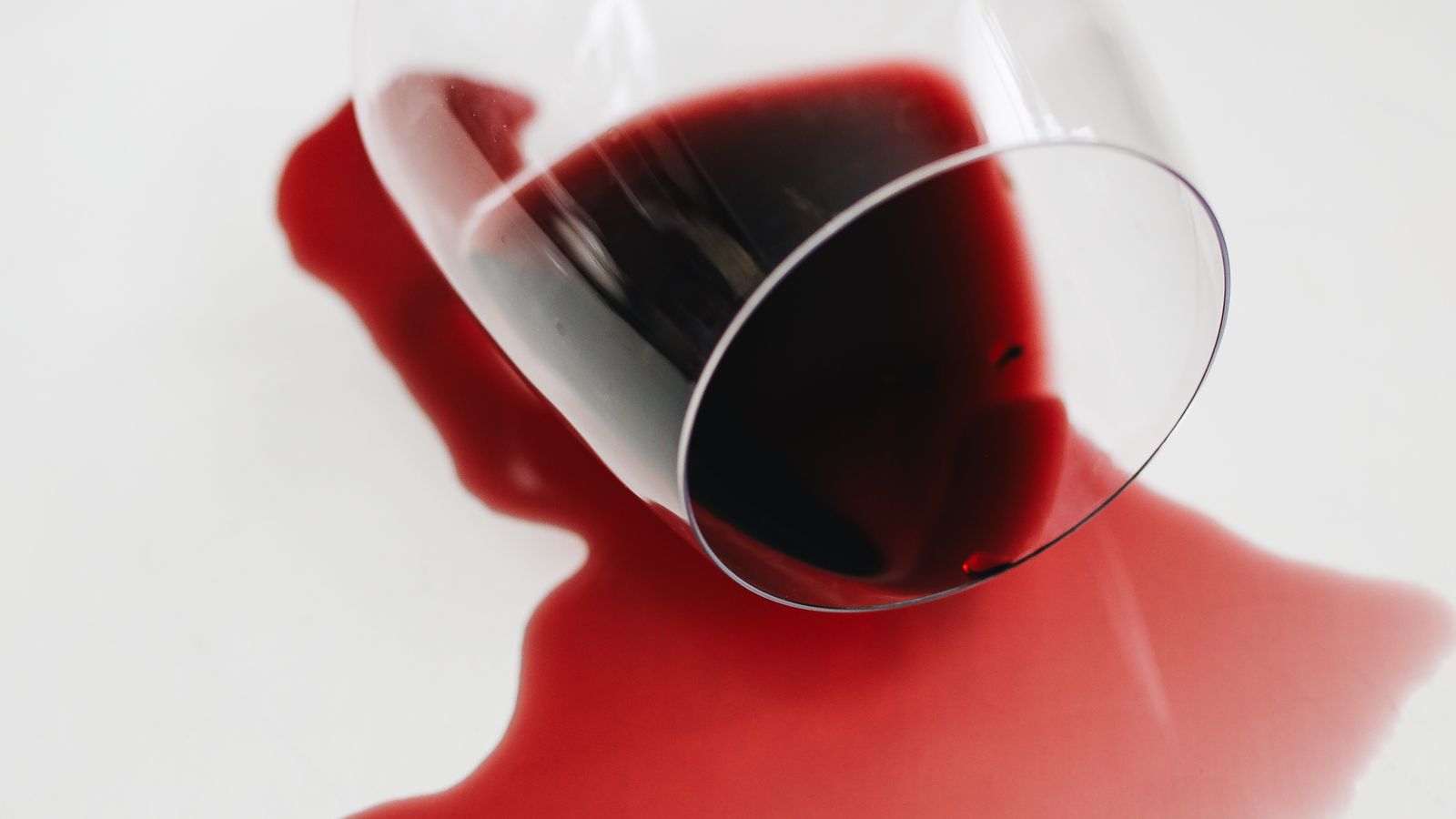
A red wine spill on carpet is one of those household emergencies that tests your reaction time, your carpet cleaner, and your patience all at once. But the bottle of carpet cleaning solution sitting under your sink or in the closet isn’t a permanent fixture – it has a shelf life, and using an old, degraded formula on a fresh wine stain can mean the difference between a spotless rescue and a stain that sets in for good. This guide walks through how long carpet cleaners for wine stains actually last, the warning signs that yours has gone bad, and a practical replacement schedule so you’re never caught reaching for a dud bottle mid-emergency.
Why Carpet Wine-Stain Cleaners Have a Shelf Life
Most carpet cleaners formulated for wine and other tannin-based stains rely on a mix of surfactants, enzymes, and oxidizing agents to break down pigment molecules before they bond permanently to carpet fibers. Each of these components degrades over time, even in a sealed bottle. Surfactants can separate from the water base, enzymes lose their catalytic activity as they denature, and oxidizers like hydrogen peroxide slowly break down into water and oxygen the moment the seal is compromised. The result is a product that looks unchanged on the shelf but performs noticeably worse on an actual stain.
Unlike a pantry item with a clear “best by” stamp, many carpet-cleaning sprays and pre-treatments only carry a manufacture date or a vague shelf-life estimate, which makes it easy to lose track of how old a bottle really is. That’s why a care and replacement routine matters more for this category of product than most people realize.
Typical Effectiveness Lifespan
As a general rule, most enzyme- or oxygen-based wine-stain removers stay fully effective for about 12 to 18 months from the date they’re opened, and roughly 2 years unopened in a sealed bottle. Simple surfactant-based sprays without enzymes or oxidizers can sometimes last a bit longer, closer to 2 to 3 years, because there’s less active chemistry to break down. Once you cross those windows, the formula doesn’t necessarily become useless overnight, but its stain-lifting power drops off steadily, and you’ll often need multiple applications to get a result that used to take one pass.
Storage conditions matter as much as the calendar. A bottle kept in a hot garage or under a sink next to a water heater will degrade faster than one stored in a cool, dry cabinet, because heat accelerates the breakdown of enzymes and oxidizing agents. If you can’t remember when you bought a bottle, treat any unlabeled or heavily discolored container as suspect and test it on an inconspicuous patch of carpet before trusting it on a fresh wine spill.
Signs Your Carpet Cleaner Has Expired or Lost Potency
Visible Separation
Give the bottle a gentle shake. If you see the liquid separating into distinct layers, or a cloudy sediment settling at the bottom that doesn’t fully reincorporate after shaking, the emulsion has broken down. This is one of the clearest visual cues that the surfactants are no longer suspended properly and won’t spread evenly across the stain.
Off or Sour Smell
Fresh carpet cleaners typically have a mild citrus, floral, or neutral chemical scent depending on the brand. A sour, rancid, or noticeably stronger chemical odor than you remember usually signals that the formula has started to break down or that bacteria have found their way into the bottle, especially in enzyme-based cleaners that contain organic material.
Reduced Foaming or Fizzing Action
Oxygen-based cleaners should fizz or foam slightly when they hit a stain – that’s the oxidizing reaction actively working on the pigment. If a product that used to bubble now goes flat and inert on contact, the active oxidizer has likely broken down and the product is mostly just water and inactive residue at this point.
Stains Take Longer to Lift or Don’t Fully Disappear
If you’re blotting the same spot for far longer than usual, applying multiple rounds of product, or noticing a faint shadow that never quite lifts even on a small, fresh spill, that’s a strong functional sign the cleaner has lost potency, regardless of how it looks or smells.
Changed Color or Consistency
A cleaner that used to be clear or light and has turned yellow, brown, or noticeably thicker or thinner than when purchased has almost certainly undergone chemical changes that affect performance.
A Practical Replacement Timeline
- Opened enzyme or oxygen-based spot removers: Replace every 12 to 18 months, or sooner if you notice separation, odor changes, or weaker performance.
- Unopened, sealed bottles: Good for up to 2 years from the manufacture or purchase date; check for a printed expiration or batch code if available.
- Simple surfactant-based sprays: Can often stretch to 2 to 3 years, but should still be spot-tested if you’re unsure of age.
- Homemade or DIY mixes (vinegar, dish soap, hydrogen peroxide blends): Mix fresh each time. Homemade solutions have no stabilizers and lose effectiveness within days, especially once hydrogen peroxide is exposed to light and air.
- Cleaners stored in fluctuating temperatures (garage, car trunk, near appliances): Shorten the replacement window by a third to account for accelerated breakdown.
Marking the purchase or opening date on the bottle with a permanent marker is a simple habit that removes all the guesswork later. It takes five seconds and saves you from wondering whether a two-year-old bottle is still trustworthy when a glass of red wine tips over onto the rug.
Storage Tips to Extend Usable Life
- Keep bottles tightly sealed and stored upright in a cool, dry cabinet away from direct sunlight and heat sources.
- Avoid storing carpet cleaners in a garage, shed, or car trunk where temperatures swing widely between seasons.
- Wipe the nozzle after each use so dried residue doesn’t clog the sprayer or introduce contamination back into the bottle.
- Never mix leftover product from different bottles or brands into one container – this can trigger unwanted chemical reactions and accelerates degradation.
- Store enzyme-based cleaners away from extreme cold as well; freezing temperatures can deactivate the enzymes permanently.
Common Mistakes to Avoid
One of the most frequent mistakes is assuming that because a bottle still sprays and looks liquid, it must still work. Effectiveness fades gradually and invisibly long before a product becomes unusable in an obvious way. Another common error is buying a single bottle of wine-stain remover “for emergencies” and letting it sit for years without ever testing it, only to discover it’s lost most of its punch the moment an actual spill happens.
People also tend to over-apply an underperforming product, soaking the carpet in multiple rounds of a weak cleaner rather than recognizing the formula itself is the problem. This can actually make things worse by over-wetting the padding underneath the carpet, which invites mold and odor issues separate from the original wine stain. If you find yourself needing three or four applications for a spill that used to come out in one, it’s time to replace the bottle rather than keep pushing more product onto the carpet.
Finally, don’t confuse a wine-specific stain remover with a general all-purpose carpet cleaner. Wine stains are tannin-based and respond best to formulas designed to target that pigment chemistry; a generic cleaner nearing the end of its own shelf life will underperform even further on this specific stain type.

When to Upgrade Rather Than Simply Replace
Replacing an expired bottle with the same product is fine if it worked well for you, but an expiring bottle is also a natural moment to reassess whether your current cleaner is still the right fit. If you’re regularly dealing with wine stains, it’s worth browsing a dedicated roundup of carpet cleaners for wine stains to see which current formulas are best suited to tannin-based spills before you restock.
It’s also worth thinking about your carpet’s material when choosing a replacement. Delicate or natural-fiber carpets need gentler formulas than synthetic ones, and if your home includes area rugs or wool pieces, a guide to carpet cleaners for wool rugs can help you avoid a product that’s too harsh for those fibers. And if your household deals with a mix of stain types beyond wine – crayon marks from kids being a classic example – a look at carpet cleaners for crayon marks can help you build out a small, well-rounded stain-fighting kit rather than relying on one aging bottle for everything.
FAQ
How often should I actually replace my wine-stain carpet cleaner?
For most opened bottles, plan on replacing every 12 to 18 months. Unopened bottles can typically last up to 2 years if stored properly. When in doubt, test on a hidden patch of carpet before relying on it for a real stain.
Can I still use a carpet cleaner past its expected shelf life?
You can, but expect reduced performance. It’s usually safe in terms of not damaging carpet, but it may take more product and more attempts to fully lift a stain, and by that point it’s often more efficient to just replace the bottle.
Does refrigerating carpet cleaner extend its life?
No. Cold storage can deactivate enzymes in enzyme-based formulas and cause some solutions to separate. Room-temperature, dry cabinet storage away from sunlight is best.
Is homemade wine-stain remover more or less durable than store-bought?
Less durable. DIY mixes using hydrogen peroxide, dish soap, or vinegar have no preservatives or stabilizers and should be mixed fresh right before use rather than stored for future spills.
What’s the fastest way to check if my bottle is still good?
Shake it and look for separation or sediment, smell it for a sour or off odor, and do a quick test dab on an inconspicuous carpet corner. If it foams weakly, smells off, or leaves a residue, it’s time for a new bottle.
Final Thoughts
A wine-stain carpet cleaner is only as good as its freshness. Treat it like any other household consumable with a real shelf life: date the bottle when you open it, store it properly, watch for the warning signs of separation, odor, or weak performance, and replace it on a predictable schedule rather than waiting for an emergency to reveal that it’s no longer up to the job. A few seconds of upkeep now means a much better chance of a full stain rescue the next time a glass of red wine finds its way onto the carpet.