
Low-oil air frying is easy on your arteries, but it is surprisingly hard on the appliance doing the work. The nonstick coating, the basket mesh, and the internal heating fan all take a slow beating every time you cook with little to no oil, because there is no thin film of fat cushioning the food against the basket surface. If you have been running your machine several times a week for meal prep, you have probably noticed the coating dulling or the basket needing a harder scrub than it used to. This guide walks through how long a dedicated low-oil air fryer typically lasts, the warning signs that it is wearing out, and the care habits that stretch its lifespan as far as possible before you need to think about a replacement.
Why Low-Oil Cooking Wears an Air Fryer Faster
Oil does more than add flavor. In a conventional fryer, a light coating of fat helps food release cleanly from the basket and slightly buffers the nonstick surface from direct abrasion. When you cook with just a spritz of oil, or none at all, food particles, breading, and starchy vegetables tend to stick and scorch onto the basket floor. Scraping that residue off with a scouring pad or a metal utensil is one of the fastest ways to strip a nonstick coating. Add in the fact that low-oil, high-fiber meal-prep staples like sweet potatoes, chickpeas, and cauliflower release sugars that caramelize and bake onto the mesh, and you have a recipe for accelerated wear compared to a machine used mostly for breaded, oil-brushed foods.
The heating element and fan also work harder in some low-oil routines, especially if you are running back-to-back batches for weekly meal prep. More cook cycles mean more thermal expansion and contraction on the basket coating, which is one of the main mechanical reasons nonstick surfaces eventually crack or flake.
Typical Lifespan of a Low-Oil Air Fryer
For a household using an air fryer two to four times per week primarily for low-oil cooking, expect a realistic working life of about 18 to 30 months before the nonstick coating and basket condition start to noticeably decline. Daily users doing meal prep for a family, or batch-cooking multiple low-oil dishes in a single sitting, often see that window shrink to 12 to 18 months. Occasional users who air fry once a week or less can reasonably expect 3 years or more from the same unit, since the coating and basket see far fewer stress cycles.
These numbers describe the basket and coating specifically, not necessarily the motor or heating element, which can outlast the coating by a wide margin in a well-built unit. That mismatch is exactly why so many people end up replacing an otherwise functional machine: the electronics still work fine, but the basket has become unusable for genuinely low-oil results.
Signs Your Air Fryer Is Due for Replacement
Coating Breakdown
The clearest signal is visible flaking, bubbling, or dulling of the nonstick surface, particularly on the basket floor and the raised ridges where food sits directly on the coating. Once you see bare metal showing through in patches, food will stick more aggressively, which defeats the entire purpose of low-oil cooking and can mean scraping off small flecks of coating along with your meal.
Persistent Sticking Even With Proper Prep
If you are still lightly misting the basket, preheating correctly, and shaking or flipping food midway through the cycle, but everything still welds itself to the surface, the coating has likely lost its nonstick properties for good. This is different from occasional sticking with very starchy foods, which is normal even on a healthy coating.
Basket and Tray Wear
Warped baskets that no longer sit flush in the drawer, mesh that has bent or separated, or a basket that rattles and wobbles are mechanical signs of fatigue from repeated heating cycles. A warped basket also disrupts airflow, which hurts the even, low-oil crisping you bought the appliance for in the first place.
Smoke, Odd Smells, or Inconsistent Results
Burnt-on residue trapped in coating cracks can produce faint smoke or a burnt smell even when nothing is currently overcooked. If food that used to come out evenly crisped now finishes unevenly, with soggy spots or burnt edges despite unchanged settings, the heating element or fan may be struggling, which points toward replacement rather than repair for most consumer models.
Care Tips That Extend the Life of a Low-Oil Air Fryer
- Use a light oil mist instead of zero oil. A very fine spritz of oil on the basket and food, even just a few sprays, dramatically reduces sticking and coating abrasion compared to fully dry cooking, while keeping the meal genuinely low-oil.
- Line the basket for sticky foods. Perforated parchment liners or a light layer of foil under starchy vegetables or marinated proteins catch drips and sugars before they bake directly onto the coating.
- Wash with soft tools only. A soft sponge and warm soapy water after each use prevents residue from hardening. Avoid steel wool, abrasive scrubbers, and metal utensils inside the basket entirely.
- Soak instead of scrub. If food has stuck, soak the basket in warm water for 15 to 20 minutes before cleaning rather than attacking it while dry.
- Let it cool before cleaning. Plunging a hot basket into cold water or rinsing it under cold water while still warm stresses the coating and the metal, accelerating warping over time.
- Avoid overcrowding. Packing the basket too full forces food to steam rather than crisp, which increases sticking and can push the fan and element to run longer and hotter than needed.
- Rotate between multiple baskets if you meal prep often. If your model supports it, using an air fryer with two separate baskets, such as those built for air frying two foods at once, spreads wear across two surfaces instead of concentrating it on one.
Common Mistakes That Shorten Lifespan
Beyond scrubbing with abrasive pads, a few habits quietly shorten the life of a low-oil air fryer. Using aerosol cooking sprays directly in the basket is one of the biggest culprits: many aerosol propellants and additives break down nonstick coatings faster than a manually applied oil mist from a pump bottle. Cooking at maximum temperature for every meal, even when a recipe does not call for it, also adds unnecessary thermal stress. Leaving the basket to air dry with food residue still stuck to it, rather than washing promptly, gives sugars and starches time to bond more firmly to the coating with each cycle. Finally, ignoring a slightly wobbly or bent basket and continuing to use it as-is tends to accelerate airflow problems and uneven cooking, hastening the point where replacement becomes necessary.
When Repair Makes Sense vs. When to Replace
If the coating is intact but you are having power or heating inconsistencies, check the power cord, outlet, and any error codes first, since a loose connection or blown fuse is a cheap fix. However, once the nonstick coating has visibly degraded, there is no practical way to re-coat a basket at home safely, and continuing to cook on bare or flaking metal is not advisable for low-oil, high-heat cooking. In that case, replacing the unit, or at minimum sourcing a compatible replacement basket if your model offers one, is the more sensible path. If you are shopping for a true low-oil-focused replacement, it is worth comparing options built specifically for that use case, such as the picks in our air fryers for low oil cooking roundup, rather than defaulting to whatever model you already own.
Choosing a Replacement for Heavy Meal-Prep Use
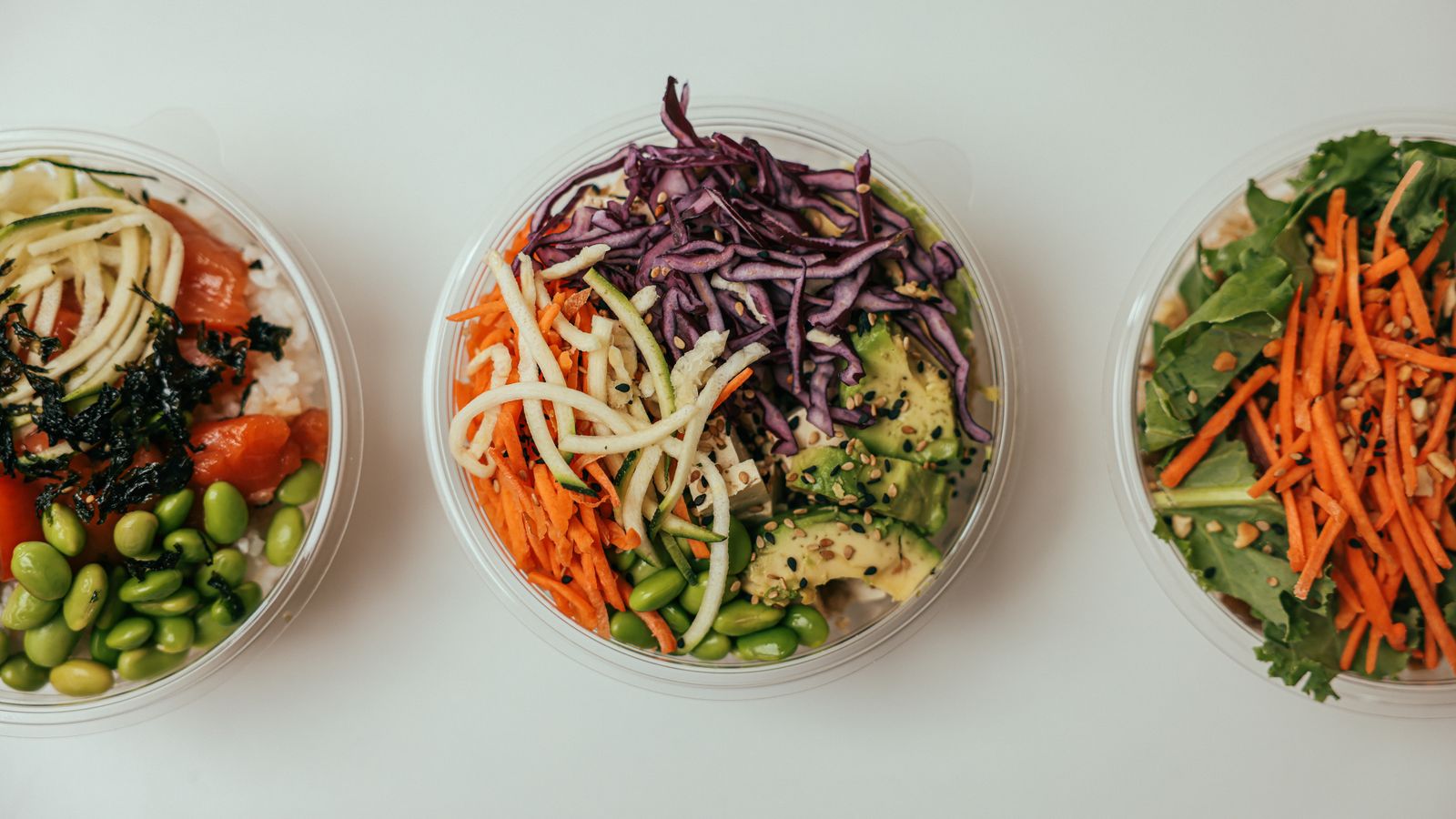
If your old unit is wearing out because you use it constantly for batch cooking, it is worth upgrading to a model built for that workload rather than replacing like-for-like. Larger baskets, dual-zone designs, and more durable coatings all help absorb the repeated stress of weekly meal prep. If most of your cooking sessions involve prepping several days of lunches or dinners at once, browsing options in our air fryers for meal prep bowls guide can point you toward a unit designed to hold up better under frequent, high-volume, low-oil use.
Frequently Asked Questions
How often should I really replace my air fryer basket?
For frequent low-oil users, plan on inspecting the basket every few months and expect to replace it, or the whole unit if the basket is not sold separately, somewhere between 12 and 30 months depending on how often you cook and how well you care for the coating.
Can I just buy a replacement basket instead of a new air fryer?
Some brands sell replacement baskets or trays separately, which is a cheaper fix if the rest of the appliance still works well. Check your model’s official parts page before assuming you need a whole new unit.
Does cooking with zero oil damage the coating faster than using a little oil?
Generally yes. A light oil mist reduces friction and sticking between food and the coating, so genuinely oil-free cooking tends to wear a nonstick surface faster than a very light-oil approach, even though both are considered low-oil cooking.
Is it safe to keep using an air fryer once the coating starts flaking?
It is best to stop using a basket once coating flakes are visibly coming off, since ingesting flaking nonstick material is not something manufacturers recommend. At that point, replacing the basket or the unit is the safer choice.
Will a more expensive air fryer last longer under low-oil use?
Not always, but higher-end models often use thicker, more durable ceramic or ceramic-hybrid coatings and sturdier basket construction, which can meaningfully extend the time before sticking and wear become a problem, especially for people who cook low-oil meals daily.