
Not every household needs the same air fryer. A couple who cooks quiet weeknight dinners for two has completely different needs than a family of six feeding hungry teenagers, and both are worlds apart from someone who hosts a monthly potluck and needs to reheat, warm, and crisp large batches of shared dishes. Building a smart “air frying routine” starter kit means matching the right capacity and features to the way your household actually eats, rather than grabbing whatever model is on sale.
This guide walks through how to think about capacity, features, and routine before you buy, so the air fryer you choose fits your table instead of forcing your table to fit the air fryer.
Why “One Size Fits All” Doesn’t Work for Air Fryers
Air fryers are marketed with a single headline number: basket capacity in quarts or liters. But that number only tells part of the story. A 3-quart basket that’s perfect for two people reheating leftovers will bottleneck a family of six trying to crisp enough chicken tenders for one meal. On the other hand, an 8-quart unit sized for a big family will sit half-empty – and cook unevenly – if it’s only ever used for two portions of vegetables.
The mistake most first-time buyers make is choosing based on price or brand reputation alone. The better starting point is asking: how many people am I feeding on a typical night, and how often do I need to cook in bulk for gatherings?
Step 1: Define Your Household’s Cooking Pattern
Before comparing models, sit down and honestly answer a few questions about your routine:
- How many people eat a hot meal in your home on a normal weeknight?
- Do you regularly cook for guests, potlucks, or extended family gatherings?
- Is counter space limited, or do you have room for a larger appliance?
- Do you batch-cook on weekends and reheat through the week?
Your answers will point you toward one (or a combination) of three household profiles: the couple, the mid-size family, and the potluck host.
Step 2: Match Capacity to Household Size
Couples and Small Households
For two people, a compact air fryer in the 2 to 4 quart range is usually plenty. These units heat up faster, use less counter space, and are easier to clean after a quick weeknight meal. If your routine is mostly reheating, roasting a small portion of vegetables, or crisping a couple of chicken breasts, a smaller basket avoids wasted energy and awkward half-empty cooking cycles. Compact models are also easier to store in smaller kitchens or apartments where counter real estate is tight. Readers furnishing a kitchen for two should start by browsing air fryers for couples to see models sized specifically for this kind of everyday routine.
Families of Five or Six
Once you’re regularly feeding five or six people, capacity becomes the priority. Look for baskets in the 6 to 8 quart range, or dual-zone models that let you cook two different foods at once without doubling your cook time. Families this size often need to prepare a full protein and a side simultaneously, so a unit with multiple racks or a large single basket that allows single-layer cooking (rather than piling food on top of itself) will produce far better, crispier results. For side-by-side comparisons built around this exact household size, see air fryers for six people.
Potluck and Gathering Hosts
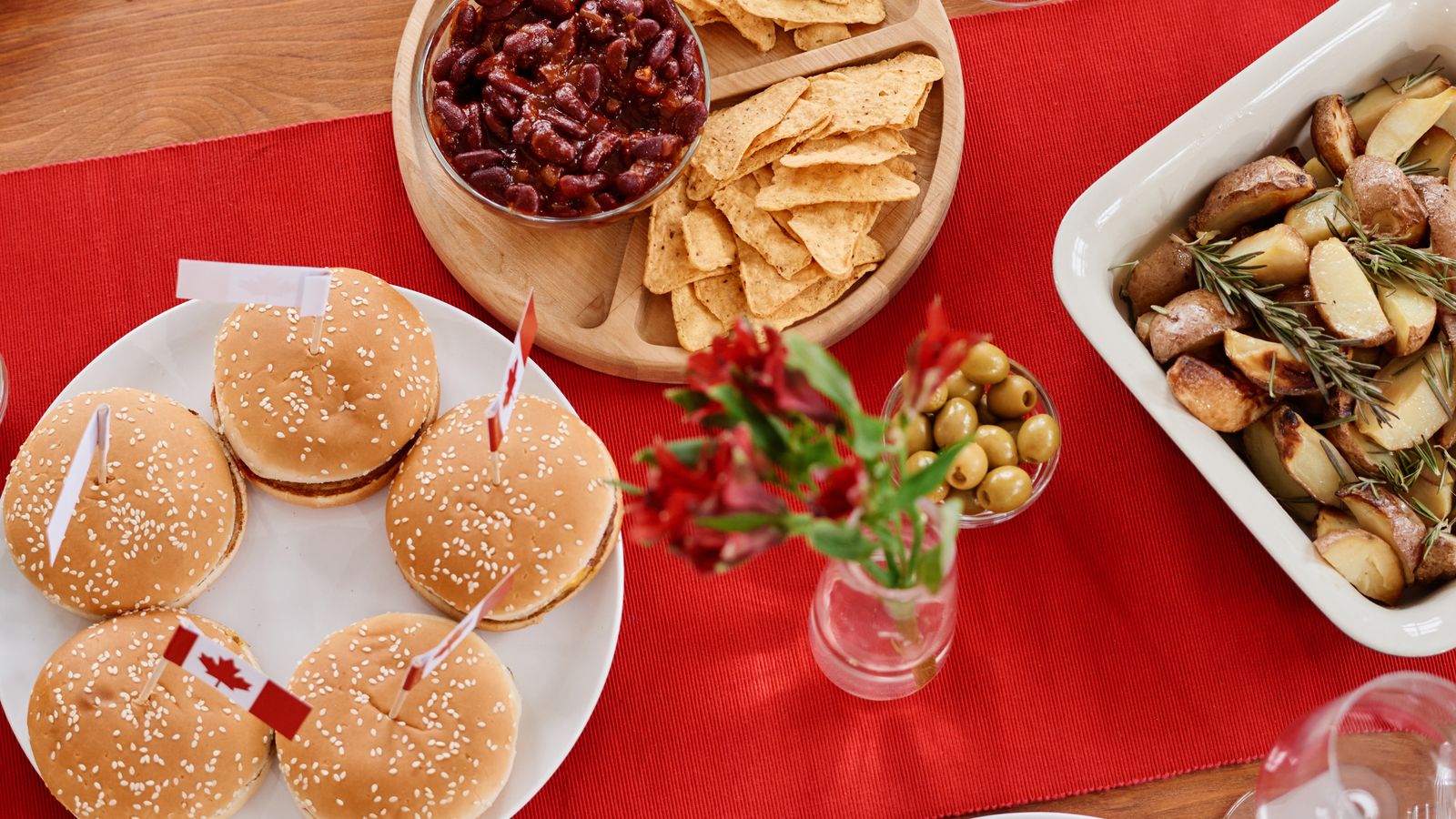
If your routine includes regularly cooking for a crowd – church potlucks, neighborhood get-togethers, holiday sides – you need an air fryer that can reheat and crisp large batches quickly without babysitting multiple rounds. This usually means the largest basket capacities available, sturdy racks for stacking, and a design that reheats without drying food out, since potluck cooking is often about refreshing pre-made dishes rather than cooking from raw. Explore air fryers for potlucks for models built around exactly this kind of high-volume, crowd-feeding use.
Step 3: Build the Rest of Your Starter Kit
Once you’ve settled on the right capacity, a few accessories make everyday cooking dramatically easier:
- Silicone or parchment liners – protect the basket coating and cut down on cleanup, especially for saucy potluck dishes.
- An oven-safe meat thermometer – ensures proteins hit safe internal temperatures without guessing, especially important when cooking for a family or a crowd.
- Extra racks or skewers – useful for stacking food in larger baskets so everything cooks evenly instead of steaming in a pile.
- A dedicated storage shelf or cart – larger potluck-capacity models are heavy and bulky; plan for where the unit lives day to day, not just where it cooks.
None of these add-ons need to be expensive, but skipping them is one of the most common reasons new air fryer owners feel frustrated with uneven cooking or sticky baskets in the first few weeks.
Step 4: Set Up a Simple Weekly Routine
A starter kit is only useful if it turns into a habit. Try building your routine around these basics:
- Weeknights: Keep a rotation of 3-4 go-to recipes (proteins, frozen vegetables, quick reheats) that match your basket size so you’re not improvising every night.
- Batch days: Pick one day a week to prep and air fry in larger batches if your household eats leftovers, then store portions for quick reheating.
- Gathering prep: If you host potlucks occasionally rather than constantly, you don’t necessarily need to own the largest unit – borrowing extra capacity or doing dishes in two rounds may be more practical than buying for a once-a-month event.
Common Mistakes to Avoid
- Buying too small “to save money.” An undersized basket means more cooking rounds, more time, and often worse texture from overcrowding.
- Buying too large “just in case.” Oversized units take longer to preheat, use more counter space, and can actually overcook small portions if you don’t adjust time and temperature.
- Ignoring single-layer cooking. Air fryers work by circulating hot air; stacking food defeats the purpose and leads to soggy, unevenly cooked results, no matter how big the basket is.
- Skipping the accessory list. Liners, racks, and a thermometer are small purchases that prevent most of the early frustration new owners report.

FAQ
Can one air fryer work for both everyday meals and occasional potlucks?
Yes, if you size up slightly. A household that mostly cooks for two or three but hosts a few gatherings a year may prefer a mid-size unit rather than the smallest compact model, so it can stretch to cover both routines without needing a second appliance.
How do I know if my basket is too small?
If you’re consistently cooking in two or three rounds to feed your household in one sitting, or food is coming out unevenly browned because it’s stacked, that’s a strong sign it’s time to size up.
Is a dual-zone air fryer worth it for a family of six?
Often yes. Dual-zone models let you cook a protein and a side at different temperatures simultaneously, which can save real time on busy weeknights compared to running one basket twice.
What’s the biggest difference between a couple’s air fryer and a potluck air fryer?
Beyond raw capacity, potluck-oriented models are generally built to reheat and crisp large pre-cooked batches efficiently, while compact couple-sized models are optimized for quick, from-raw weeknight cooking in smaller portions.
Final Thoughts
The right air fryer starter kit isn’t about finding the “best” model overall – it’s about matching capacity and accessories to how your household actually eats. Start by being honest about your typical headcount and how often you cook for a crowd, then build outward from there with the right liners, racks, and a simple weekly routine. Whether your kitchen serves two, six, or a rotating cast of potluck guests, there’s a setup that fits: browse air fryers for couples, air fryers for six people, and air fryers for potlucks to find the model that matches your table.