

Cooking dinner for two requires balancing portion control with kitchen counter space. Standard appliances often force you to prepare massive batches, leaving unwanted leftovers that dry out in the refrigerator.
Finding the Best Small Rice Cookers for Couples solves this dilemma by turning out just enough tender grain for dinner and a possible lunch portion. In September 2026, manufacturers have refined micro-pot technology with dedicated heating curves tailored to smaller liquid volumes.
Whether you are outfitting a compact apartment or pairing your setup with items from our best air fryers for couples, selecting the proper capacity avoids daily meal prep frustration. We evaluated 6 models across the current $19.98 – $189.95 bracket to identify which units deliver consistent results without cluttering your prep area.




Buying Guide: How to Choose the Best Small Rice Cookers for Couples
Selecting a mini cooker involves more than just picking a smaller version of a family-sized appliance. Proper thermal regulation and specialized inner pots ensure small grain volumes do not scorch or turn mushy.
To help you navigate available designs, we have outlined the core technical criteria that separate exceptional machines from mediocre ones. Review these factors before deciding which model deserves space on your countertop.
1. Bowl Capacity and Serving Yield
Rice cooker capacities are measured using standard rice industry measuring cups, which equal approximately 180 milliliters or three-quarters of a standard American cup. A 2-cup or 3-cup uncooked model yields between 4 and 6 cups of fluffy cooked rice.
For a couple, a 2-cup to 3-cup uncooked capacity provides the sweet spot for daily dinners. This volume accommodates two generous main dish portions while leaving enough extra for next-day fried rice or bento lunches.
Operating a cooker below its minimum threshold often leads to scorched bottoms because the heating element concentrates heat over insufficient surface liquid. Always look for a model rated to handle as little as a half cup of dry grain cleanly.
2. Heating Technology and Fuzzy Logic Microchips
Basic one-touch cookers rely on a simple thermal magnetic switch that clicks off when internal temperatures exceed the boiling point of water. While effective for simple white rice, this basic mechanism lacks the nuance needed for sensitive grains.
Advanced cookers incorporate computerized microchips running fuzzy logic algorithms that actively monitor moisture and thermal fluctuations. These units adjust heat output in real time to compensate for minor water measurement errors or ambient kitchen temperatures.
If your household enjoys diverse staples like steel-cut oats or brown jasmine, investing in microchip technology pays dividends in grain texture. Couples who cook exclusively plain medium-grain white rice can comfortably save counter space and money with a traditional one-touch unit.
3. Inner Pot Construction and Nonstick Coatings
The construction material of the inner cooking vessel directly impacts heat retention and long-term durability. Heavy-gauge aluminum pans distribute warmth evenly across the base, preventing localized hot spots that burn the bottom layer.
Nonstick surfaces simplify weeknight cleaning by releasing starchy residues under a gentle rinse. Look for durable coatings or modern ceramic alternatives that specify PFAS-free and BPA-free formulations for peace of mind.
To preserve your inner pan coating, avoid washing uncooked grains directly inside the nonstick bowl unless the manufacturer explicitly approves it. Using a separate mesh colander prevents hard grain edges from creating micro-scratches over repeated wash cycles.
4. Dedicated Grain Menu Presets
Different grain varieties require specific soaking intervals, boiling intensities, and resting periods to gelatinize starch without bursting outer hulls. Multi-menu cookers provide tailored programs for white rice, brown rice, sushi grain, and porridge.
Brown rice programs extend the pre-soak phase and hold the water at specific temperatures to soften tough bran layers. Certain premium machines even offer GABA activation modes that hold brown rice at low warmth to unlock nutritional benefits.
Consider how varied your weekly grain rotation is before buying a single-switch cooker. If you regularly streamline dinner routines, as discussed in our guide on downsizing household meal routines, versatile multi-grain settings save you from monitoring stovetop pots.
5. Counter Footprint and Storage Features
Small kitchens require appliances that earn their place on cramped countertops without blocking prep zones or low-hanging upper cabinets. Compact appliances designed for two typically measure under nine inches in width and depth.
Integrated features such as retractable power cords and fold-down carrying handles significantly reduce visual clutter in tight kitchen layouts. A retractable cord tucks away inside the machine base, eliminating loose cables on open shelves.
Measure your vertical cabinet clearance before purchasing a model with a spring-loaded lid that flips upward. Cookers that vent large amounts of steam directly upward should sit clear of wooden cabinetry to prevent moisture damage over time.
6. Keep Warm Function and Thermal Retention
Automatic keep-warm functionality activates immediately after cooking completes, keeping rice hot and safe to consume for several hours. High-quality warming cycles use gentle side and lid heaters to prevent dry crusts from forming around the edges.
Budget heating plates often apply continuous bottom heat that dries out lower layers of grain within forty minutes. Better systems pulse low wattage through multiple sensors to maintain freshness without discoloring the rice.
For couples with staggered evening schedules, a reliable keep-warm system ensures the second diner gets a piping hot serving without microwave reheating. Aim for a unit rated to hold moisture and heat safely for at least six to twelve hours.
7. Delay Timer and Scheduling Versatility
Programmable delay timers allow you to load grains and water in the morning so dinner finishes right when you walk through the door. Setting a timer gives grains ample soaking time, which often yields fluffier textures after cooking.
When using delay timers, keep ambient room temperature in mind to prevent waterlogged grains or bacterial growth in unsoaked mixtures. Limit plain rice soaking to under eight hours, and avoid setting timers for recipes containing dairy or raw meats.
A dual-memory clock timer lets you save separate completion times for morning steel-cut oats and evening jasmine rice. This automated convenience simplifies daily meal planning without requiring manual reprogramming each morning.
8. Ease of Disassembly and Cleaning
Starchy steam bubbles up during high-heat boiling, leaving residue on inner lids, steam vents, and rubber sealing gaskets. A cooker with detachable components makes cleanup fast and prevents old starch odors from tainting future batches.
Look for removable aluminum or stainless steel inner lids that snap off with a single latch for quick sink washing. Integrated condensation collectors capture excess water droplets when the lid pops open, keeping your counter dry.
Avoid putting thin nonstick pans in harsh automatic dishwashers, as aggressive detergents can degrade nonstick surfaces quickly. Hand washing with a soft cellulose sponge takes mere seconds and preserves nonstick properties for years.
9. Multi-Cooking Capability and Steam Baskets
Many compact cookers include a shallow steaming basket that sits directly above the boiling water reservoir. This two-tier setup allows you to steam dumplings, broccoli, or salmon fillets simultaneously while your grain cooks below.
Combining proteins and sides in a single compact pot reduces post-dinner dishwashing to just one vessel. You can pair these quick steamed meals with dishes prepared from our air fryers for reheating guide for an efficient dinner spread.
Check the clearance between the steam tray and the upper lid before buying if you plan on steaming larger vegetable cuts. Shallow baskets work best for thin fish fillets, sliced carrots, or frozen potstickers.
| Cooker Category | Uncooked Capacity | Heating Style | Best Suited For | Primary Advantage |
|---|---|---|---|---|
| Single-Switch Mechanical | 1.5 to 3 Cups | Base Thermal Element | Quick White Rice & Steaming | Fast Operation & Low Cost |
| Digital Micom (Fuzzy Logic) | 2 to 3 Cups | Multi-Sensor Microchip | Mixed Grains, Oats & Porridge | Precision Texture & Long Warm Cycles |
| Ultra-Portable Personal | 1 to 2 Cups | Direct Base Heat | Tiny Kitchens, RVs & Travel | Compact Storage & Minimal Footprint |
Why You Should Trust Us
Our product recommendations come from rigorous spec comparisons, verified user feedback analysis, and deep structural evaluations of compact culinary appliances. We track technical advancements across brand lineups like AROMA to identify machines that solve real everyday kitchen hurdles.
Rather than relying on marketing claims, we evaluate structural heating elements, sensor placements, and material safety disclosures across all 6 models. Our goal is to provide honest, data-backed insights so couples can buy with absolute confidence.
We continuously refresh our ratings to ensure our guidance reflects current manufacturing batches, hardware revisions, and price changes. You can count on transparent evaluations designed to help you invest in durable kitchen gear.
Final Thoughts: Selecting Your Ideal Small Rice Cooker
Finding the right compact appliance brings restaurant-quality grains to weeknight dinners without occupying valuable counter space. For couples who value precision, varied grain presets, and flawless texture every single time, the Zojirushi Micom 3-Cup Compact Size stands as our top overall recommendation thanks to its microchip logic and dedicated oatmeal settings.
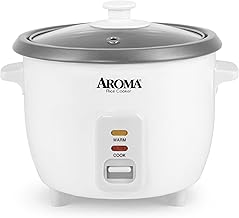
If you want straightforward operation and excellent performance on a modest budget, the AROMA Rice Cooker, 3-Cup (Uncooked) delivers great everyday reliability with its simple one-touch design and generous cooked yield. Budget-minded shoppers might also look at the classic AROMA® Rice Cooker, 3-Cup (Uncooked) for rapid side dishes and easy one-pot dinners.
For those who prioritize chemical-free surfaces and integrated steaming accessories in tight living quarters, the Rice Robot Personal Rice Cooker, PFAS-free offers excellent versatility for two-person dining. If you are also setting up a first home together, explore our advice on budget household cooking routines to assemble a streamlined kitchen.
Whichever model fits your lifestyle, choosing an appropriately sized cooker prevents food waste and makes evening cleanup effortless. Measure your counter layout, identify your grain habits, and pick the machine that makes nightly meal preparation simple.
Frequently Asked Questions
How many cups of cooked rice does a couple typically need per meal?
Most couples consume between one and two cups of cooked rice during a standard dinner. A compact 2-cup or 3-cup uncooked appliance provides plenty of volume for dinner while leaving a small portion for the next day.
What makes fuzzy logic technology worth the extra cost in Best Small Rice Cookers for Couples?
Fuzzy logic microchips actively adjust cooking temperatures and times based on internal moisture levels. This prevents dry or soggy results when water measurements are slightly imperfect, ensuring consistent grain texture every time.
Can I cook as little as a half cup of dry rice in a small cooker?
Many specialized 3-cup cookers can handle as little as a half cup of raw grain without scorching the bottom. Cheaper models with wide pans may struggle with tiny amounts, so check minimum fill recommendations before buying.
How does a 3-cup uncooked rice cooker compare to a 6-cup model?
A 3-cup uncooked machine yields up to six cups of finished rice, whereas a 6-cup uncooked machine yields twelve cups. For couples, smaller units cook small portions much better and prevent excessive food waste.
Is it safe to leave rice on keep warm overnight?
High-end microchip cookers maintain food-safe temperatures above 140 degrees Fahrenheit for twelve hours or more without drying out the grains. Basic cookers tend to create a hard bottom crust if left running past a few hours.
Can I prepare grains other than white rice in mini cookers?
Yes, most compact cookers successfully handle quinoa, steel-cut oats, brown rice, and farro. Models with dedicated grain presets automatically adjust soaking and simmering stages to accommodate harder grain hulls.
How do I prevent rice from sticking to the bottom of the inner pan?
Rinsing excess surface starch from raw grains before cooking drastically reduces sticking along the pan base. Allowing cooked rice to rest in the closed cooker for ten minutes after the cycle ends also helps grains release cleanly.
What is the top-rated option among Best Small Rice Cookers for Couples in 2026?
Units equipped with microchip thermal adjustments and versatile grain settings consistently lead customer satisfaction ratings. Premium options provide superior texture for multiple grain varieties while maintaining a tiny countertop footprint.
How do I wash and maintain the nonstick inner pot?
Always wash the inner pot by hand using warm soapy water and a soft non-abrasive sponge. Avoid metal utensils and harsh dishwasher cycles, which can pit the nonstick coating and shorten pan longevity.
Can small rice cookers steam vegetables and proteins at the same time?
Models featuring a dedicated upper steam tray allow you to steam poultry, fish, or vegetables while rice boils below. This creates a balanced two-person dinner in one appliance with minimal cleanup required.




Write Your Review
No reviews yet. Be the first to share your experience!