
Life changes, and kitchens have to change with it. Maybe the kids moved out, maybe you downsized to a smaller apartment, or maybe your countertop just got too crowded with gadgets you rarely touch. Whatever the reason, downsizing your household air frying routine does not mean giving up the crispy, low-mess cooking you have come to rely on. With a bit of planning, you can shrink your footprint, your budget, and your cleanup time while keeping every meal you actually cook on a regular basis.
Why Households Downsize Their Air Frying Setup
Downsizing rarely happens for just one reason. Understanding your own motivation makes it much easier to decide what to keep and what to let go.
- Smaller living space: A move to a condo, studio, or shared apartment often means less counter and cabinet space overall.
- Fewer people to cook for: An empty-nest household or a single-person kitchen simply does not need the same capacity as a family of five.
- Budget tightening: Running one efficient appliance instead of three overlapping ones saves on electricity and replacement parts.
- Decluttering goals: Many people are consciously trying to own fewer things and use each item more fully.
- Simplifying daily routines: Fewer appliances mean fewer manuals, fewer settings to remember, and less decision fatigue at dinnertime.
None of these reasons require you to sacrifice the meals you love. The goal of downsizing is to trim the excess, not the function.
Essential vs. Skippable: Auditing Your Current Routine
Before you get rid of anything, spend a week tracking exactly what you use. Keep a simple notepad or phone note next to your air fryer and jot down every time you use it, along with which accessory or basket size you reached for.
What Usually Stays Essential
- Your primary air fryer basket or tray, sized for your most common meal (weeknight dinners, snacks, reheating).
- A single multipurpose rack or crisper plate that handles vegetables, proteins, and reheated leftovers equally well.
- Basic cleaning tools, since a dirty appliance is a slow appliance no matter how small your kitchen is.
What Is Usually Skippable
- A second, larger-capacity unit kept “just in case” for holidays that only happen once or twice a year.
- Specialty inserts for foods you have cooked fewer than five times in the last six months.
- Duplicate accessories that do the same job as something you already own.
If you regularly cook for one or two people, a compact unit can often replace a larger family-sized model without any loss of everyday function. Households in this situation may want to look at air fryers for offices, which are built around the same small-footprint, low-noise priorities as a downsized home kitchen.
Step-by-Step: How to Downsize Without Losing Function
Follow these steps in order. Skipping ahead usually means re-buying something you just got rid of.
- Track real usage for one to two weeks. Note frequency, portion size, and which accessories you reach for. Patterns become obvious fast.
- Group your meals into three categories: daily staples, weekly regulars, and occasional specialties. Daily staples and weekly regulars are what your downsized setup must support.
- Measure your remaining counter and cabinet space. Write down the maximum footprint you can dedicate to your air fryer and its accessories.
- Choose one primary appliance sized to your daily staples, not your biggest occasional meal. It is easier to cook a small batch twice than to store an oversized unit year-round.
- Consolidate accessories. Replace three single-purpose trays with one or two multipurpose racks that cover overlapping needs.
- Set aside occasional-use items for a trial period (a box in storage, not the trash) before donating or selling them. If you truly do not miss them after two months, let them go.
- Rebuild your go-to recipe list around your new, smaller setup so shopping and meal planning stay simple.
- Reassess after 30 days. Downsizing is rarely perfect on the first pass; give yourself permission to adjust.
Multi-Use Tips to Stretch a Smaller Setup
A downsized routine works best when every accessory earns its keep. These tips help one compact appliance do the work of several.
- Cook in batches with a divider tray so two different foods finish at the same time without flavor transfer.
- Stack with a two-tier rack when your basket allows it, effectively doubling capacity for vegetables or reheating.
- Use parchment liners to run back-to-back batches without a full basket wash between rounds.
- Repurpose oven-safe ramekins for small portions of casseroles, eggs, or desserts instead of buying single-use molds.
- Keep a simple oil mister instead of multiple specialty sprays; it works for produce, proteins, and reheated items alike.
If low-oil cooking is a priority in your smaller kitchen, it is worth reviewing options built specifically around that goal. See our roundup of air fryers for low oil diets for models that make healthier everyday cooking easier without adding extra gadgets to your counter.
Handling Special-Occasion Cooking After Downsizing
The biggest hesitation people have about downsizing is worrying they will lose the ability to cook holiday meals, large batches, or specialty dishes like bacon for a crowd. In practice, most of these needs can be met without keeping a second large appliance year-round.
- Cook in rounds. A smaller basket just means running two or three batches instead of one; keep food warm in a low oven while later batches finish.
- Borrow or rent for rare events. If you truly only need extra capacity twice a year, borrowing from a family member is often more practical than storing a spare unit.
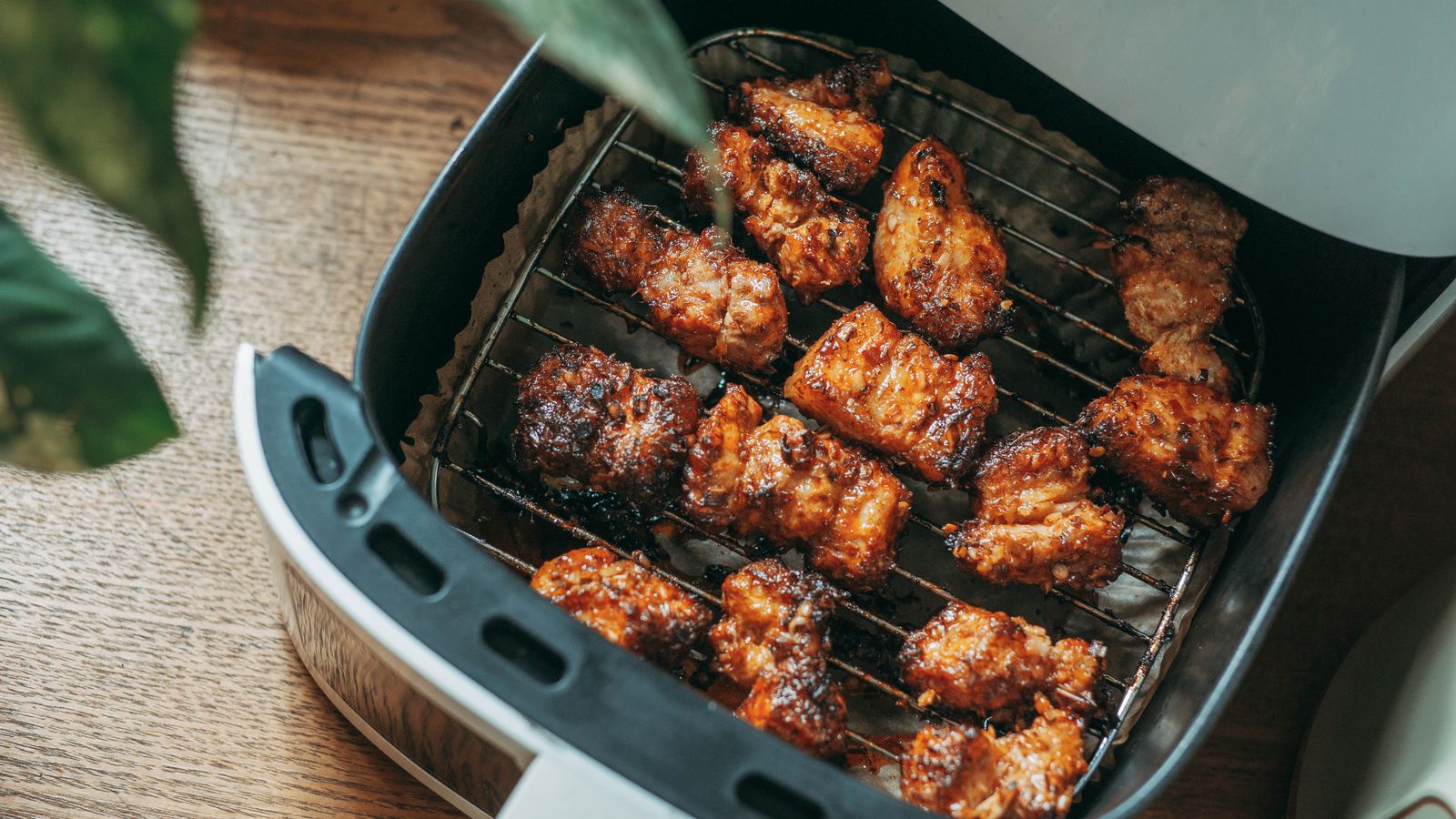
- Pick multipurpose accessories that scale up. A well-chosen rack can handle a holiday-sized batch of bacon or vegetables across a couple of rounds just as well as a bigger machine could in one.
For households that still cook a lot of bacon, sausage, or similar breakfast staples even after downsizing, it is worth comparing capacity-focused options in our guide to air fryers for bacon before deciding whether a slightly larger single unit makes more sense than keeping two appliances.
Common Mistakes to Avoid When Downsizing
- Downsizing based on price alone. The cheapest small unit is not always the most functional one; check basket depth and wattage against your real cooking habits.
- Getting rid of everything at once. Sudden, all-at-once purges often lead to re-buying items within a month. A staged approach with a trial storage period is safer.
- Choosing capacity based on rare events. Sizing your everyday appliance around a once-a-year holiday meal defeats the purpose of downsizing.
- Ignoring counter clearance and ventilation. A smaller footprint on paper does not help if the unit still needs the same air clearance behind and above it.
- Skipping the trial period. Give your new, smaller routine at least a few weeks before judging whether it truly meets your needs.
Frequently Asked Questions
How small can I go without losing everyday function?
For one or two people, a compact air fryer paired with one multipurpose rack usually covers daily staples and weekly regulars. The right size depends on your most common meal, not your largest occasional one.
Should I keep a backup appliance for emergencies?
Generally no. A backup appliance used only a few times a year takes up storage space year-round for very little benefit. Borrowing, batch-cooking, or renting for rare events is usually more efficient.
What is the easiest first step to start downsizing?
Track your actual usage for one to two weeks before removing anything. This single step prevents most of the regret people feel after a rushed downsizing decision.
Will downsizing my air fryer setup save money?
Yes, in most cases. Fewer appliances mean lower electricity use overall, fewer replacement parts to buy, and less impulse spending on specialty accessories you rarely use.
How do I know if I have downsized too much?
If you find yourself skipping meals you used to cook regularly, or running far more batches than feels reasonable, it may be worth sizing up slightly. Downsizing should simplify your routine, not restrict it.
Final Thoughts
Downsizing your household air frying routine is really about matching your equipment to your actual life, not your busiest possible day. Track what you use, keep the pieces that earn their place, and lean on multipurpose accessories to fill the gaps. Done thoughtfully, a smaller setup can feel just as capable as the one it replaced, with less clutter and less to clean.