
If you are putting together your first serious air fryer setup, the model you land on should do more than fry frozen fries. A well-rounded “starter kit” mindset means choosing an appliance that combines rotisserie capability, a stainless steel interior, and enough capacity to cook full meals for a family instead of single servings. This guide walks through why these three features work together, how to evaluate them, and how to shop smart instead of guessing.
Why These Three Features Belong Together
Most beginner shoppers pick an air fryer based on price or brand name alone, then discover a few months in that the basket is too small, the coating is scratching, or there is no way to cook a whole chicken evenly. Building a starter kit around rotisserie function, stainless steel construction, and wide capacity solves all three problems at once, because these features tend to appear together on the same class of mid-to-large air fryer ovens rather than on compact basket-style units.
Think of it less as buying three separate gadgets and more as choosing a single appliance whose feature set covers rotisserie roasting, everyday frying, reheating, dehydrating, and baking – while being durable and roomy enough that you are not replacing it within a year.
Step 1: Understand What a Rotisserie Function Actually Adds
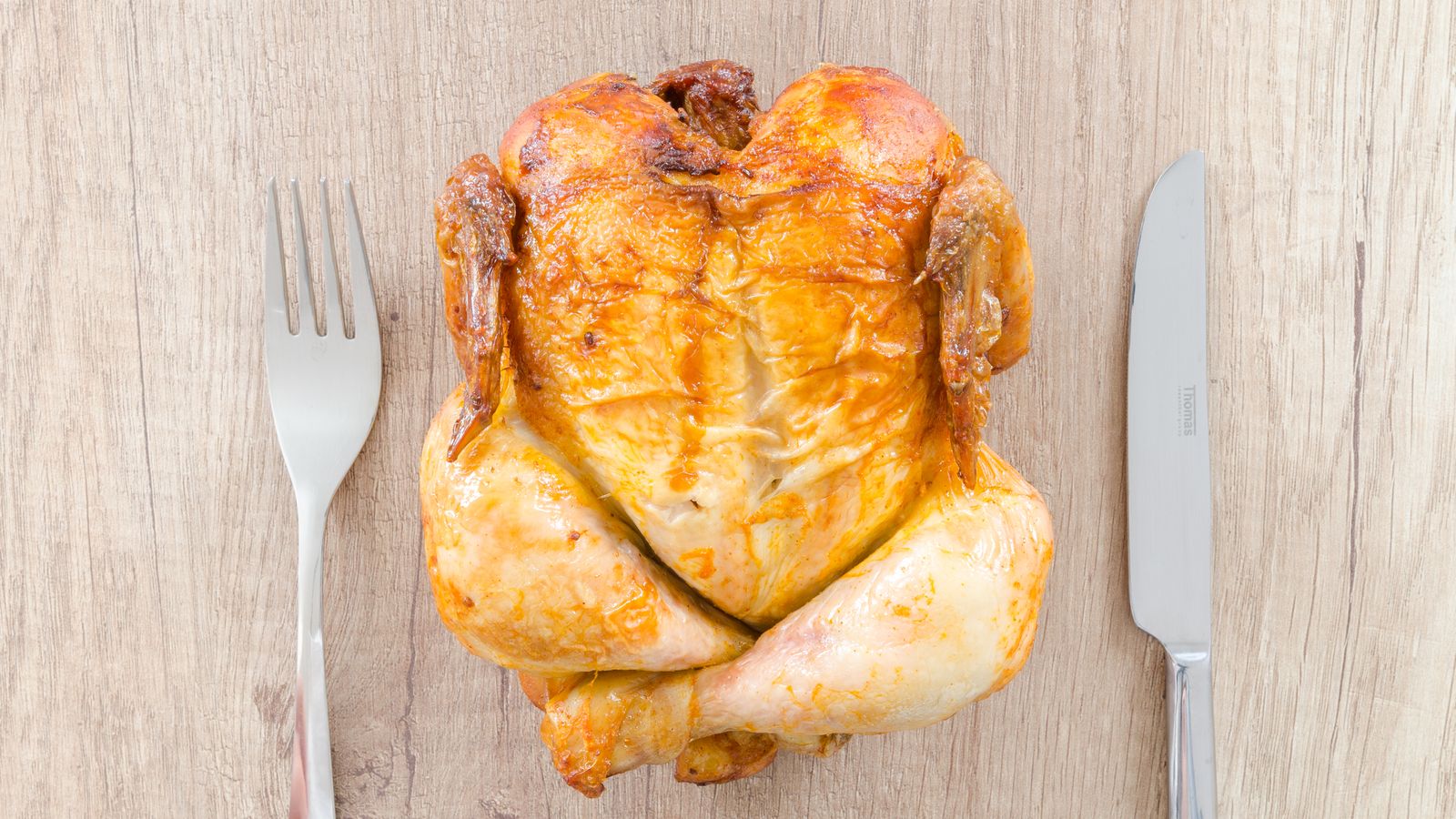
A rotisserie air fryer oven includes a motorized spit (and sometimes a rotating basket) that turns food continuously as hot air circulates around it. This self-basting motion is what produces crispy, evenly browned skin on a whole chicken, a rack of ribs, or kebabs without you flipping anything manually.
- Even browning: Constant rotation prevents the pale, soggy side you get from static racks.
- Hands-off cooking: Set the timer and temperature, then walk away instead of flipping food halfway through.
- Versatility: Most rotisserie ovens include a spit fork, a rotating basket for smaller items like wings or vegetables, and standard trays.
If you regularly cook whole poultry, roasts, or kebabs, a rotisserie function is not a novelty – it is the single biggest upgrade over a basic basket fryer. To compare models built specifically around this feature, browse the current air fryer rotisserie ovens before deciding on a unit.
Step 2: Decide Why the Interior Material Matters
The interior of an air fryer takes constant heat, oil residue, and scrubbing. Two materials dominate the market: non-stick coated metal and stainless steel.
Stainless Steel vs. Non-Stick Coating
- Durability: Stainless steel resists scratching from metal utensils and steel wool, so it holds up to years of daily use.
- No coating to wear off: Non-stick coatings can flake or degrade with high heat over time; stainless steel has nothing to peel.
- Easier deep cleaning: Stainless interiors tolerate more aggressive scrubbing after greasy cooks like rotisserie chicken or wings.
- Trade-off: Food can stick more without oil, so a light spray or brush of oil is usually recommended.
For anyone planning to run a rotisserie function often – which means more oil splatter and heavier cleanup – a stainless interior is the more sensible long-term choice. See current options among air fryers with stainless steel interiors to compare build quality and basket sizes side by side.
Step 3: Size the Capacity to Your Household
Rotisserie cooking only works well if the unit is physically large enough to hold a whole chicken or a rack of ribs while still rotating freely. This is where capacity, sometimes marketed as “wide” or “family-size,” becomes essential rather than optional.
How to Estimate the Right Size
- 1-2 people: A standard basket fryer may still be enough, but a wide oven gives more flexibility for batch cooking and leftovers.
- 3-4 people: Look for a wide air fryer oven with enough interior clearance for a 4-5 lb chicken plus a side tray.
- 5 or more, or frequent entertaining: Prioritize the largest interior footprint you can fit on your counter, along with multiple rack positions.
Also measure your counter and cabinet clearance before buying – wide air fryer ovens are considerably bigger than basket models, and vertical clearance is needed for lid or door swing. Compare footprints and interior volume among the current wide air fryers lineup to find a size that matches your kitchen and household.
Step 4: Put the Three Features Together When Shopping
Once you understand each feature individually, the shopping process becomes a short checklist rather than an overwhelming decision:
- Confirm the model has a dedicated rotisserie spit and rotating basket, not just a “rotisserie-style” fan claim.
- Check the product listing or spec sheet specifically for a stainless steel interior, since many listings only mention stainless on the exterior housing.
- Verify interior capacity in quarts or liters, and cross-check it against the size of food you actually cook (a whole chicken needs meaningfully more room than frozen fries).
- Look at included accessories – a spit fork, rotisserie basket, drip tray, and multiple rack heights add real value.
- Read cleaning instructions: dishwasher-safe stainless components save significant time after rotisserie cooks.
Common Mistakes to Avoid
- Buying on price alone: The cheapest wide air fryer often skips the rotisserie motor or uses thin, coated interiors that scratch quickly.
- Ignoring counter space: A wide oven-style air fryer can be twice the footprint of a basket model – measure before you buy.
- Skipping the manual on rotisserie weight limits: Overloading the spit can strain the motor; check the maximum poultry or roast weight.
- Assuming all “steel” interiors are the same: Some listings describe a stainless steel exterior only – read the interior material spec closely.
- Not testing basket removal: Wide, heavy trays should still be easy to lift out one-handed while wearing oven mitts.
Care and Maintenance Tips
- Let the interior cool before wiping to avoid warping non-metal parts like control panels.
- Remove the spit, forks, and rotating basket after every rotisserie cook and hand wash or run through the dishwasher if labeled safe.
- Wipe the heating element gently with a damp cloth; avoid submerging it or spraying cleaner directly on it.
- Empty the drip tray after each use to prevent smoking on the next cook cycle.
- Periodically check the rotisserie motor coupling for grease buildup, which can cause slower or uneven rotation over time.
Frequently Asked Questions
Do I need all three features, or can I start with just one?
You can start with any single feature, but combining them avoids buying twice. A rotisserie function without enough interior room is nearly unusable for whole poultry, and a wide basket without a durable stainless interior wears out faster under frequent rotisserie use.
Is a stainless steel interior harder to clean than non-stick?
Not necessarily – it typically needs a light oil spray to prevent sticking, but it tolerates scrubbing and steel wool that would damage a non-stick coating, making it easier to fully clean after greasy rotisserie cooks.
How much bigger is a wide air fryer oven compared to a basket model?
Wide air fryer ovens are generally built more like a countertop oven than a basket fryer, with significantly more interior volume and a larger overall footprint, so it is worth measuring your counter space before buying.
Can I run a rotisserie chicken and a side dish at the same time?
Many wide, oven-style air fryers include multiple rack positions, allowing you to rotisserie a chicken on the center spit while roasting vegetables on a lower tray, provided the unit has enough clearance and wattage to maintain temperature.
What is the biggest sign it’s time to upgrade from a basic basket air fryer?
If you find yourself cooking in multiple batches, wishing you could roast a whole chicken, or noticing the non-stick coating wearing thin, that is the clearest signal to move up to a rotisserie-capable, stainless steel, wide-capacity model.