
If your commercial cleaning crews are still relying on mismatched, hand-me-down backpack sprayers, you are probably losing money every single shift. The wrong tank leaks, the wrong pump clogs on thicker solutions, and the wrong harness leaves techs sore by lunchtime. Standardizing your fleet on the right backpack sprayers for cleaning is one of the simplest ways to cut chemical waste, speed up jobs, and keep your team comfortable through long shifts. This guide walks through exactly what to look for and how to build a fleet that performs consistently across every account.
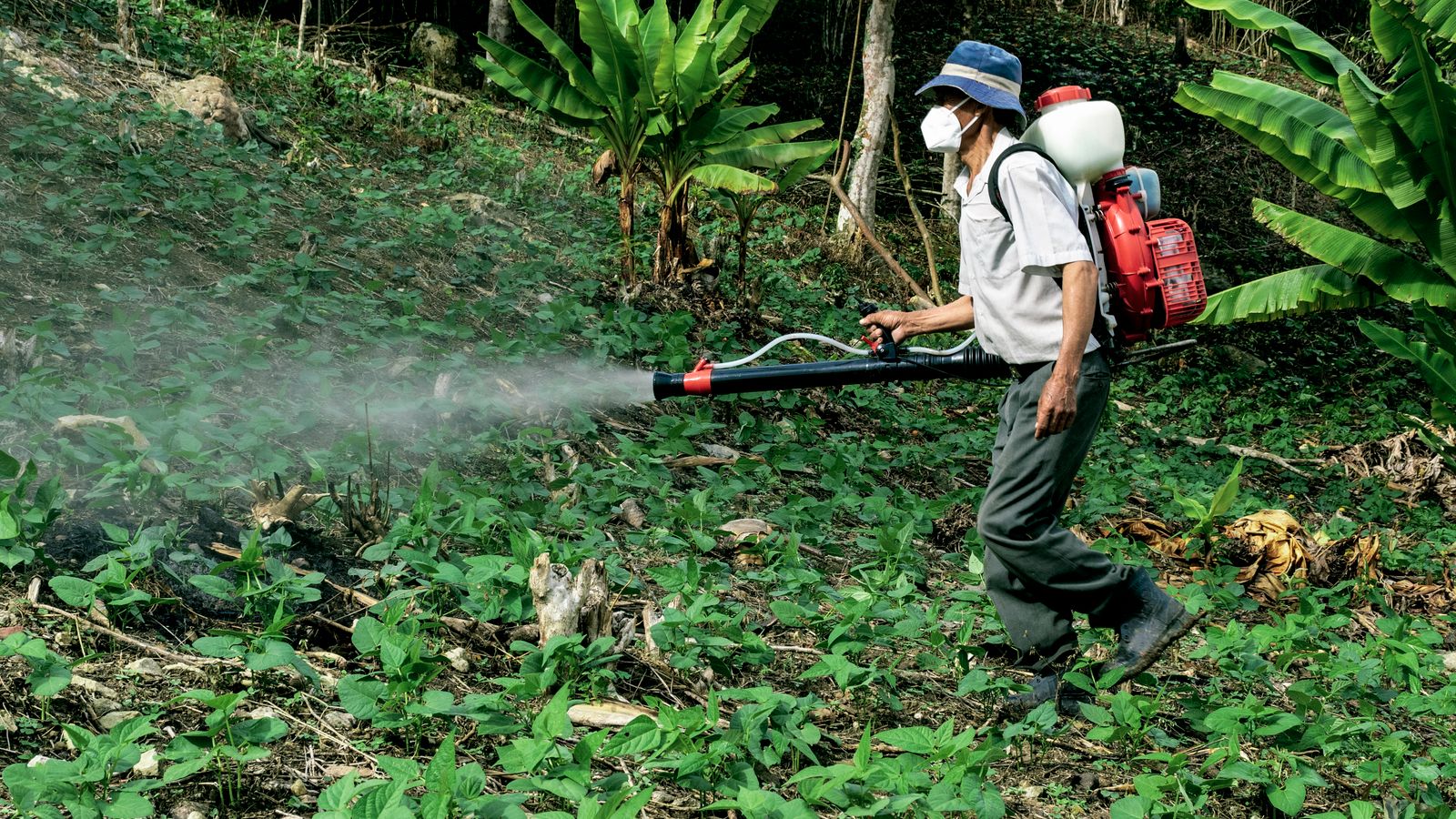
Why Fleet Standardization Matters
A commercial cleaning fleet is only as reliable as its weakest piece of equipment. When every technician carries a different sprayer, training becomes inconsistent, replacement parts stop being interchangeable, and it gets harder to diagnose why one crew finishes a route in half the time of another. Standardizing on one or two proven backpack sprayer models across your fleet means:
- Faster onboarding, because new hires only learn one system.
- Cheaper repairs, since gaskets, wands, and nozzles are interchangeable between units.
- More predictable chemical usage and dilution ratios job to job.
- Less downtime, because you can keep a shared stock of spare parts.
Before you buy a pallet of sprayers, though, you need a clear picture of the criteria that actually matter for commercial use, not just the specs that look good on a retail listing.
Key Selection Criteria for Commercial Backpack Sprayers
1. Tank Size and Fleet Capacity
Backpack sprayer tanks commonly range from 2 to 5 gallons. For most janitorial and disinfecting routes, a 4-gallon tank strikes the best balance between refill frequency and comfortable carry weight when full. Larger properties or exterior work (parking structures, dumpster corrals, building exteriors) may justify a 5-gallon unit, but remember that a full 5-gallon tank can weigh over 40 pounds, which adds fatigue over an 8-hour shift. Match tank size to your average job size, not your largest job – you can always send a second sprayer for outlier accounts.
2. Chemical Compatibility
This is the single most important spec for a commercial cleaning operation, because your crews will run everything from neutral disinfectants to degreasers and encapsulation carpet-cleaning solutions through the same equipment. Look for sprayers with:
- Viton or EPDM seals instead of basic rubber, which degrade quickly with solvents and acidic cleaners.
- Polyethylene tanks rated for a wide chemical-resistance range, clearly listed by the manufacturer.
- Brass or stainless nozzles for solutions that would corrode standard plastic tips over time.
If your crews regularly run encapsulation cleaning solutions on carpets, it is worth reviewing our roundup of encapsulation cleaners alongside your sprayer purchase, since some formulations are more viscous and put extra strain on cheaper pump seals.
3. Pump Type and Pressure Consistency
Piston pumps generally deliver higher, more consistent pressure and hold up better to daily commercial use than diaphragm pumps, which are lighter but wear faster under constant cycling. For fleets running multiple jobs per day, prioritize:
- Continuous-spray or pressure-regulated pumps that don’t require constant re-pumping mid-task.
- Adjustable pressure settings so techs can switch between a fine mist for disinfecting and a wider stream for rinsing.
- A pump lever positioned for comfortable use with either hand, since most techs will be spraying for extended stretches.
4. Comfort and Ergonomics
Techs wearing an uncomfortable sprayer for hours will slow down, take more breaks, or develop repetitive strain injuries – all of which cost your business. When evaluating comfort, check for:
- Padded, adjustable shoulder straps with a sternum or waist strap to distribute weight off the shoulders.
- A contoured tank back panel that sits close to the body without pressing directly on the spine.
- A total loaded weight your average technician can carry comfortably for a full route.
If your teams also handle steam-based sanitizing on hard surfaces, pairing backpack sprayers with the right dry vapor steamers lets you split heavier disinfecting jobs between chemical and no-chemical methods, which can reduce strain on both your sprayers and your crews.
5. Durability and Warranty
Commercial-grade sprayers should carry at least a one-year warranty and use UV-stabilized plastic that won’t crack after months of being tossed in and out of service vehicles. Ask suppliers directly about typical failure points – cracked tank fittings and worn pump gaskets are the most common commercial complaints, so a sprayer with a reinforced tank collar and replaceable gasket kit will save you money long-term.
How to Choose the Right Sprayer: Step-by-Step
- Audit your current jobs. List the chemicals, average job size, and surface types your crews handle weekly.
- Group jobs by chemical demand. Separate light-duty disinfecting routes from heavy-duty degreasing or encapsulation carpet work – these may need different seal materials.
- Set a target tank size. Choose the smallest tank that covers your typical route without excessive refills.
- Shortlist 2-3 models that match your chemical compatibility and pump requirements, favoring options built specifically for commercial use rather than homeowner-grade lawn sprayers.
- Field-test with your crew. Have two or three technicians run each shortlisted sprayer on a real job and report on comfort, pressure consistency, and ease of refilling.
- Standardize your order. Once you’ve picked a winner, buy in bulk from the same model line so parts and training stay consistent across the fleet.
- Stock spare parts. Keep extra gaskets, nozzles, and pump seals on hand so a single worn part never takes a sprayer out of rotation for days.
Maintenance Tips to Extend Sprayer Life
- Rinse tanks and wands with clean water after every shift, especially after acidic or solvent-based chemicals.
- Store sprayers upright with lids loosely closed to prevent residual pressure buildup and seal warping.
- Inspect gaskets and O-rings monthly; replace at the first sign of cracking rather than waiting for a leak mid-job.
- Keep a maintenance log per unit so you can spot patterns – a sprayer needing frequent repairs may be nearing the end of its service life.
- Train techs to never leave concentrated chemical sitting in the tank between shifts, which accelerates seal degradation.
Common Mistakes to Avoid
- Buying homeowner-grade sprayers to save money. Consumer models are not built for daily, multi-shift use and will fail faster, costing more in replacements than the commercial-grade upgrade would have.
- Ignoring chemical compatibility charts. Running the wrong chemical through incompatible seals is the #1 cause of premature pump failure.
- Mixing sprayer models across the fleet. This creates a logistics headache for parts, training, and troubleshooting.
- Skipping field testing. A sprayer that looks great on paper can still feel awkward or heavy in real-world use – always test before bulk ordering.
- Overlooking tank size for the wrong reason. Bigger isn’t always better; an oversized tank that’s rarely filled to capacity just adds unnecessary weight to every shift.
Frequently Asked Questions
How many backpack sprayers should a cleaning fleet keep on hand?
A common rule of thumb is one primary sprayer per technician, plus a small buffer of spares (roughly 10-15% of your fleet size) to cover units that are being cleaned, repaired, or rotated out of service.
Can I use the same sprayer for disinfectants and degreasers?
Only if the sprayer’s tank and seals are explicitly rated for the full chemical range you plan to run through it. If your crews regularly switch between very different chemical types, it’s often safer and more efficient to dedicate separate units to each use case.
What tank size is best for most commercial routes?
A 4-gallon tank is the most versatile choice for the majority of commercial cleaning routes, offering enough capacity to limit refill stops without becoming too heavy to carry comfortably for a full shift.
How often should backpack sprayers be replaced?
With proper maintenance, a commercial-grade sprayer can last several years. Watch for warning signs like inconsistent pressure, visible tank cracking, or gaskets that no longer hold a seal even after replacement – these usually signal it’s time to retire the unit.
Do I need different nozzles for different cleaning tasks?
Yes. A fine-mist nozzle works best for disinfecting and sanitizing, while a wider fan or stream nozzle is better suited for rinsing and heavier degreasing applications. Keeping a couple of nozzle types in your parts stock lets techs adapt to different tasks with the same sprayer body.
Final Thoughts
Choosing the right backpack sprayer isn’t just about picking a big tank and calling it done – it’s about matching pump type, chemical compatibility, and ergonomics to the actual jobs your fleet runs every day. Standardizing on a proven, commercial-grade model reduces downtime, simplifies training, and keeps your technicians comfortable through long routes. Start by auditing your current jobs, field-test a shortlist with your crew, and build your fleet around the model that performs best in real conditions – not just on a spec sheet.