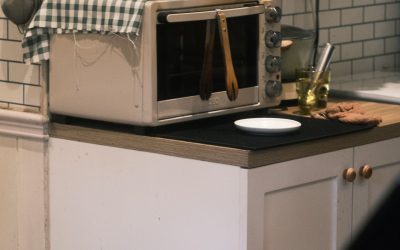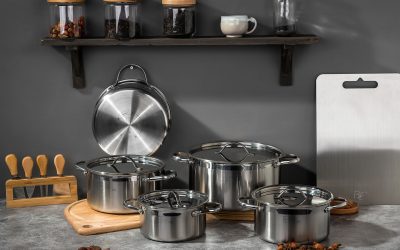

Cooking on a gas stove in a small kitchen is a balancing act. You want pans that heat evenly over an open flame, but you also need cookware that stacks neatly, stores in a shallow cabinet, and doesn’t turn a compact countertop into an obstacle course. Picking the wrong set can leave you juggling oversized pots you can barely lift out of a crowded cupboard, while the right set makes every meal easier to cook and every kitchen easier to live in.
This guide walks through exactly what to look for when choosing cookware for a gas stove in a small space, from burner compatibility and base material to stacking design and storage tricks. By the end, you’ll know how to build a compact, high-performing cookware collection that fits your kitchen instead of fighting it.
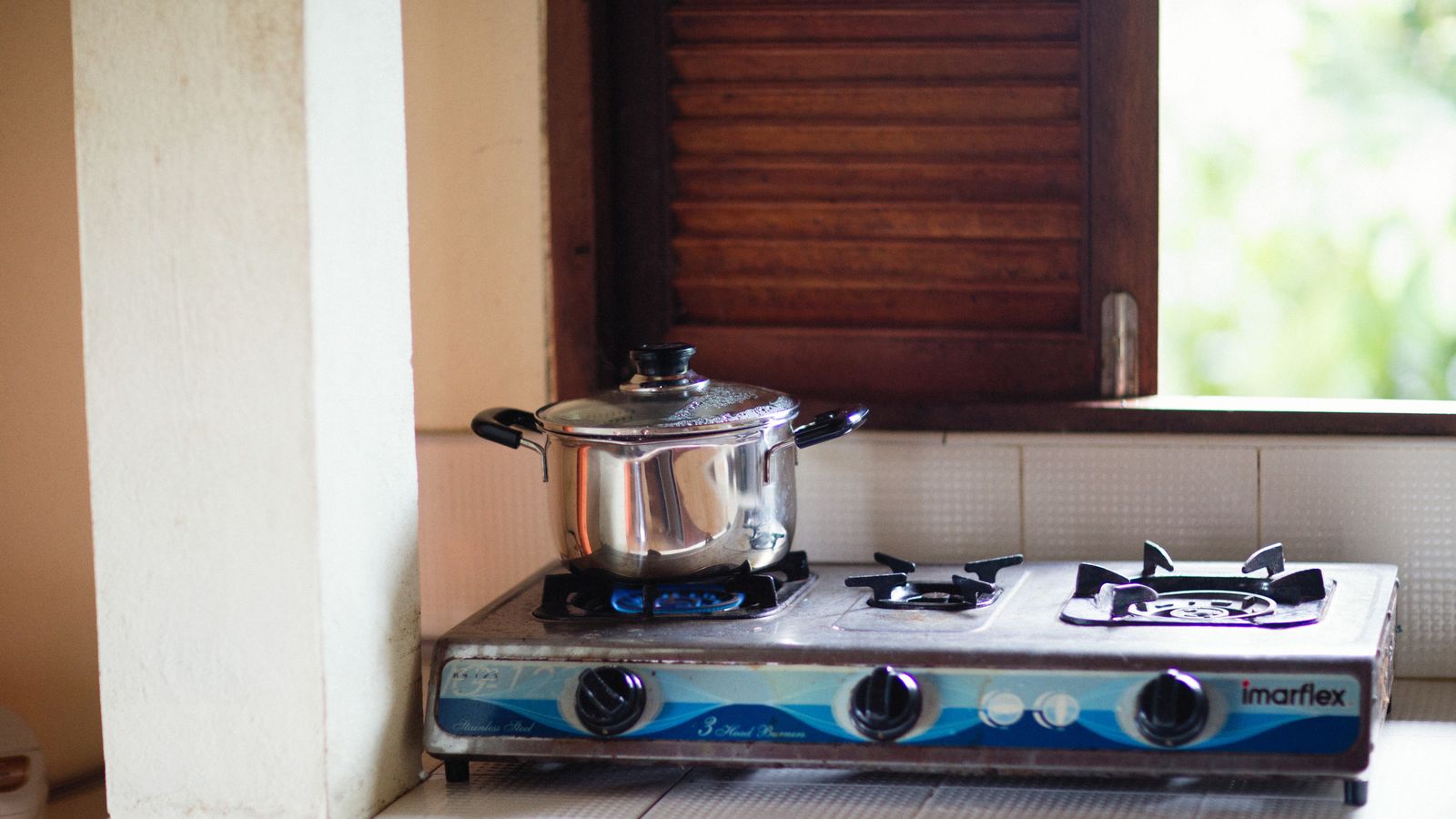
Why Small Kitchens Need a Different Cookware Strategy
Standard advice on buying cookware usually assumes you have plenty of cabinet space, a large stovetop, and room to store a 10-piece set with lids stacked to the side. In a small kitchen, none of that holds. Cabinets are shallow, drawers are narrow, and counter space near the stove is often shared with a drying rack or a cutting board. That means your cookware has to earn its place twice: once by cooking well on the gas burner, and once by fitting into a limited footprint without becoming clutter.
Gas stoves add another layer to consider. Unlike flat electric or induction cooktops, gas burners produce an open flame that wraps around the base and lower sides of a pan. That makes base material, wall thickness, and handle design more important than they might be on other cooktops, especially when you’re trying to get consistent results from smaller, lighter cookware.
Key Selection Criteria for Gas Stove Cookware in Small Spaces
1. Base Compatibility with Open Flame
Gas flame heats the bottom and lower sides of a pan simultaneously, so cookware with a flat, moderately thick base performs best. Overly thin bases can scorch food and warp over time, while extremely thick bases take longer to heat and add unnecessary weight in a kitchen where every pound matters when you’re lifting pots in and out of a low cabinet. Look for cookware described as suitable for gas cooktops specifically, since some cookware designed primarily for induction can be too heavy or too tall for comfortable stovetop use.
2. Size Before Piece Count
A 12-piece set sounds like a great deal until you realize half the pans are duplicates in sizes you’ll never use, and all of them need somewhere to live. In a small kitchen, prioritize the specific sizes you actually cook with: a small saucepan for sauces and reheating, a medium sauté pan for everyday meals, and one or two larger pots for pasta or soups. A tighter, well-chosen set of 5 to 7 pieces almost always serves a small kitchen better than a sprawling collection.
3. Stackability and Nesting Design
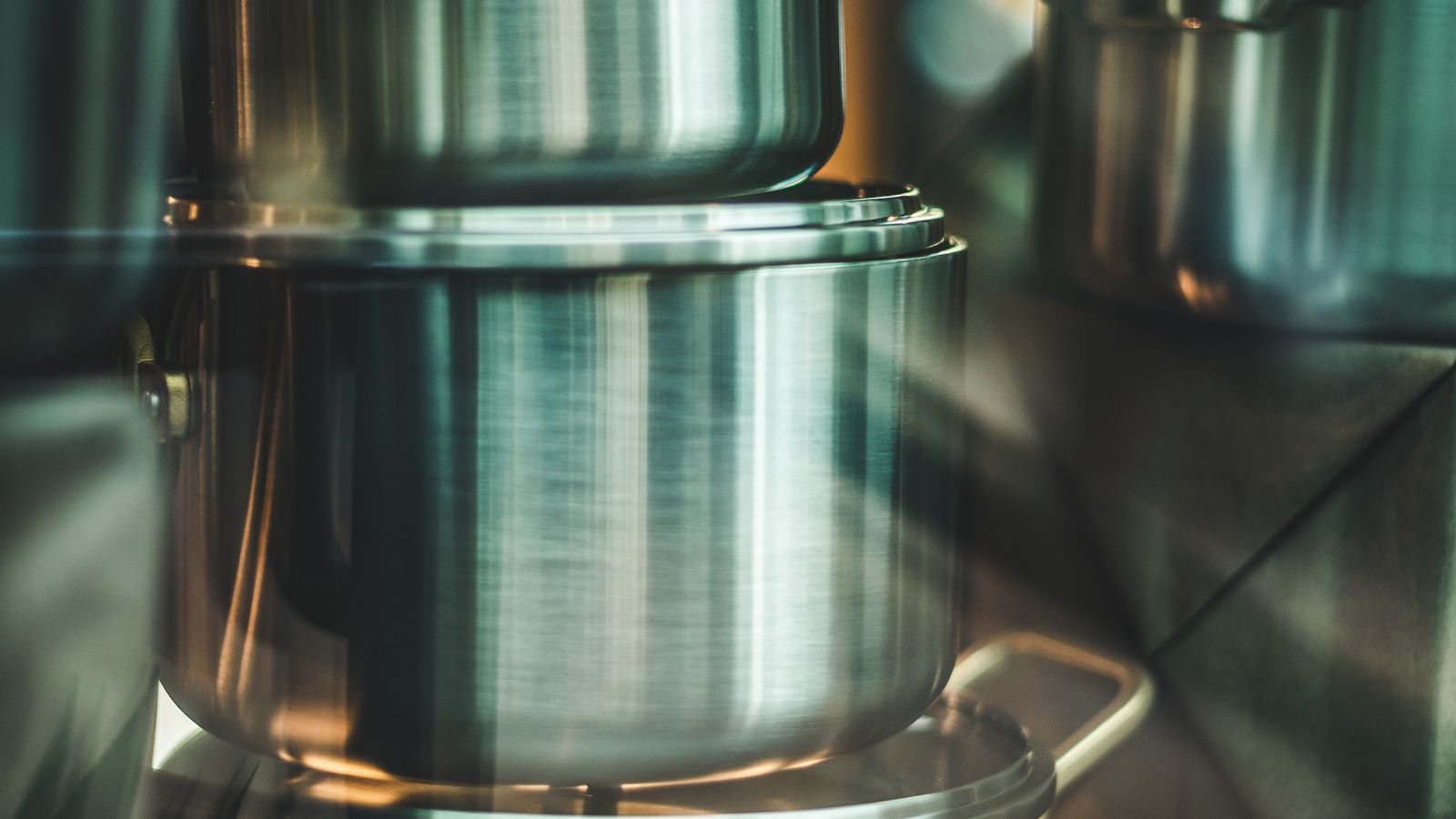
Some cookware lines are built with sloped sides or matching diameters specifically so pans and lids nest inside one another. This can cut your storage footprint dramatically compared to sets with straight-walled pans that only stack loosely. When shopping, check whether the manufacturer highlights nesting or space-saving storage as a feature, and picture how the pieces will actually sit in your cabinet before buying.
4. Lightweight but Durable Material
Lightweight cookware is easier to lift, pour from, and store on a high shelf, but it shouldn’t come at the cost of durability. Materials like hard anodized aluminum offer a good middle ground: they’re noticeably lighter than heavy stainless steel or cast iron, yet still resist warping and scratching under regular gas stove use. If you’re comparing options, a set of hard anodized cookware sets is worth reviewing for exactly this balance of weight and toughness.
5. Handles That Work in Tight Quarters
In a small kitchen, pan handles can bump into cabinets, other burners, or a neighboring pot on a crowded stovetop. Look for handles that stay cool, are riveted securely, and don’t extend excessively far from the pan body. Compact, ergonomic handles make it easier to maneuver cookware safely in a tighter cooking space.
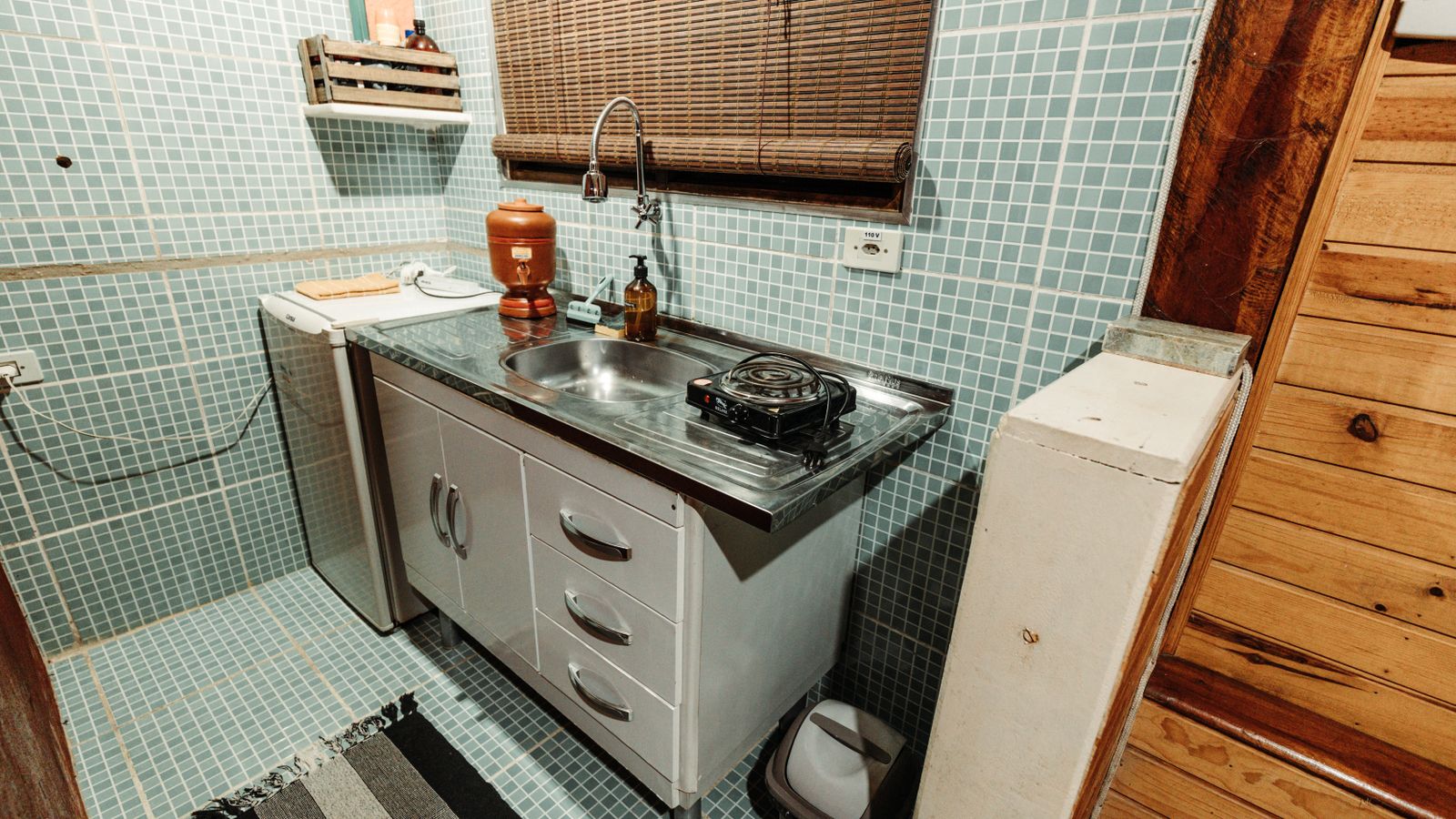
How to Choose the Right Cookware: Step by Step
- Measure your storage space first. Before browsing any cookware, measure the cabinet, drawer, or shelf where pots and pans will live. Note the height, width, and depth so you can rule out pieces that simply won’t fit.
- List the meals you cook most often. Write down your five most common dishes and note what size pan or pot each one needs. This keeps you from buying pieces you’ll rarely use.
- Check gas stove compatibility. Confirm the base is rated for gas cooktops and has a flat, stable bottom that won’t wobble on the burner grate.
- Compare weight, not just price. Pick up the cookware if possible, or check listed weight specs online. Choose the lightest option that still meets your durability needs.
- Prioritize nesting or stacking design. Favor sets explicitly designed to stack or nest, since this is what actually saves cabinet space long-term.
- Decide between an open-stock build or a set. If your needs are very specific, buying individual pieces may serve you better than a full set. If you want a cohesive, budget-friendly starting point, browse cookware sets under $100 to see what’s available without overspending.
- Look at lid strategy. Universal lids that fit multiple pan sizes reduce the number of separate pieces you need to store, which is especially valuable in tight cabinets.
- Read gas-stove-specific reviews. General cookware reviews don’t always address open-flame performance. For a curated comparison built around gas cooktops, see this guide to cookware for gas stoves.
Smart Storage Tips for Small-Space Gas Stove Cooking
- Hang lighter pans on a wall rail or hooks near the stove to free up cabinet space entirely.
- Store lids vertically in a slotted organizer instead of stacking them loosely on top of pans.
- Use the oven or a rarely-used lower drawer for occasional-use pieces like a stockpot.
- Choose cookware in matching or nesting diameters so pieces stack without wasted gaps.
- Keep only your most-used two or three pans within easy reach; store the rest slightly further away.
Common Mistakes to Avoid
- Buying a large set for the sake of a deal. Extra pieces you never use still take up space you don’t have.
- Ignoring pan height. Tall stockpots can be surprisingly hard to fit under a cabinet or shelf; measure vertical clearance, not just width.
- Choosing decorative handles over functional ones. Oversized or protruding handles look nice in photos but are awkward in a tight cooking space.
- Overlooking base thickness for gas heat. A base that’s too thin can scorch food quickly over an open flame, leading to uneven cooking.
- Forgetting about lid storage. Lids are often the real space hog; plan for them before you buy.
Frequently Asked Questions
What size cookware is best for a small gas stove kitchen?
Focus on mid-sized pieces you’ll use daily: an 8-to-10-inch sauté pan, a 2-to-3-quart saucepan, and one larger pot around 5 to 6 quarts for pasta or soup. This trio covers most everyday cooking without overwhelming a small cabinet.
Is lightweight cookware durable enough for regular gas stove use?
Yes, as long as the material is chosen well. Hard anodized aluminum, for example, is significantly lighter than traditional stainless steel while still standing up to daily gas stove cooking, scratching, and repeated heating cycles.
Do I need a full cookware set, or can I buy pieces individually?
Either approach can work. A set is often more budget-friendly and ensures matching, stackable pieces, but buying open stock lets you choose exactly the sizes you need without duplicates. If budget matters most, comparing options under a set price point can help you decide quickly.
Can any cookware be used on a gas stove?
Most cookware materials work on gas, but flimsy or warped bases perform poorly over an open flame. Always check that a product is explicitly listed as gas-stove compatible before buying, especially with budget or induction-first cookware lines.
How can I save cabinet space with pots and pans?
Choose nesting or stackable designs, use universal lids, hang lightweight pans on rails, and resist buying more pieces than your actual cooking habits require. A smaller, well-chosen set almost always saves more space than a large discounted bundle.
Final Thoughts
Choosing cookware for a gas stove in a small space comes down to being intentional: pick pieces sized for your real cooking habits, prioritize flat, gas-compatible bases, and favor lightweight materials that stack or nest efficiently. A focused, well-fitted set will serve you better every single day than an oversized collection that never quite fits in the cabinet. Start by browsing dedicated options for cookware for gas stoves, and narrow your choice from there based on size, weight, and storage fit.