
Buying a new air fryer sounds simple until you actually start comparing models. Prices range from budget baskets under $60 to countertop ovens well past $250, and the “right” price depends almost entirely on what you plan to cook. If your daily menu leans heavily on quick breakfast toast, hearty baked potatoes, and snackable roasted nuts, you don’t need to shop the whole market – you need a budget built around those three jobs. This guide walks through a simple, repeatable way to set a realistic air fryer budget based on your actual menu, not on whatever model happens to be on sale.
Why Your Menu Should Drive the Budget, Not the Other Way Around
Most shoppers set a budget first (“I want to spend under $100”) and then try to force-fit a machine to their cooking habits. That backwards approach is why so many people end up with an air fryer that burns toast, dries out potatoes, or scorches nuts. A smarter process starts with your menu: list the three or four foods you’ll cook most often, then figure out which air fryer features actually matter for those foods, and only then decide how much to spend.
For a menu built around toasting bread, baking potatoes, and roasting nuts, the good news is that none of these tasks require an expensive flagship model. But each does have a few non-negotiable requirements that separate a $50 basket fryer that struggles from a $120-$150 machine that handles all three with ease.
What Each Menu Item Actually Needs
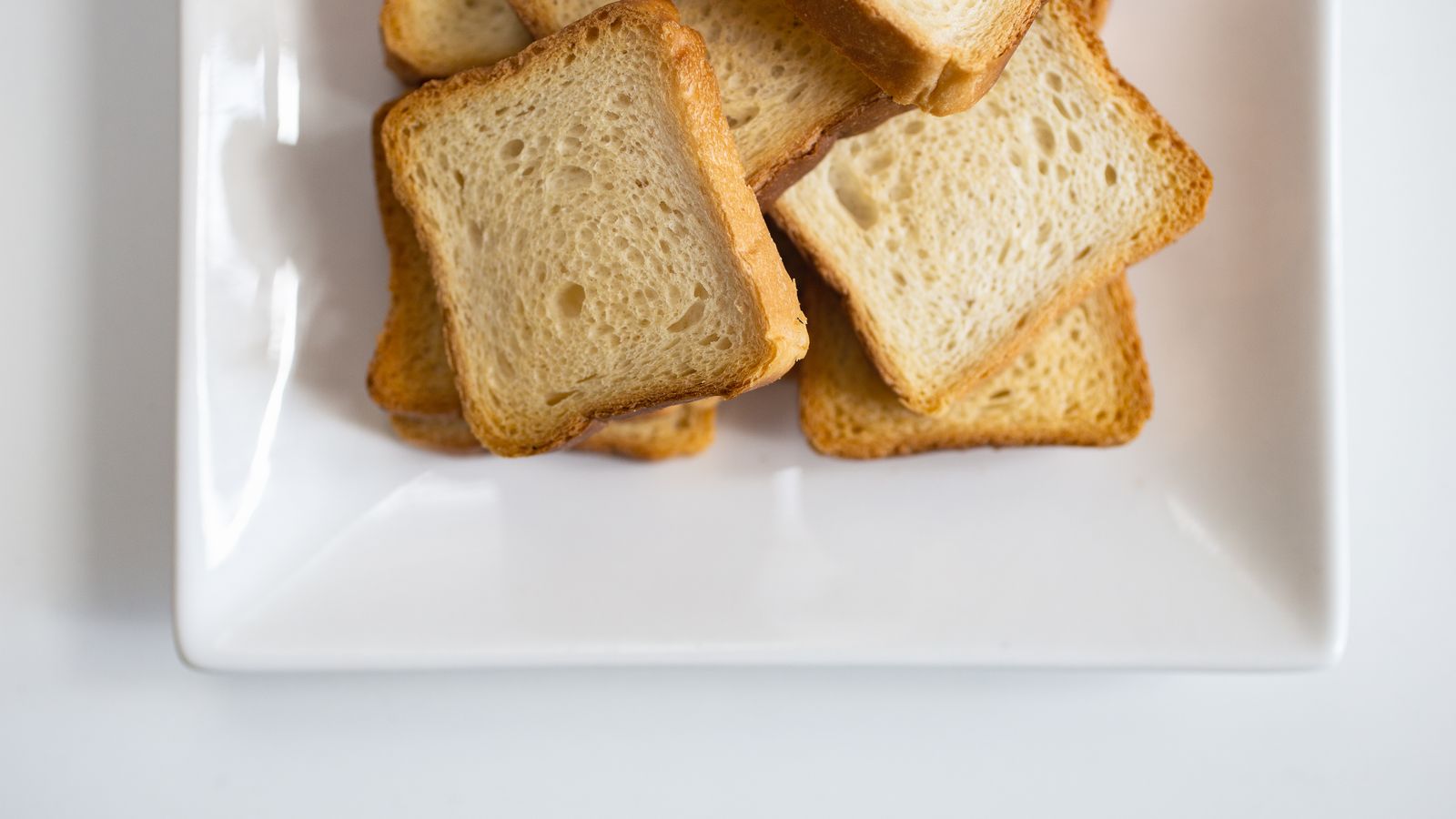
Air Fryers for Toasting Bread
Toast needs even, fast top-down heat and a rack or tray that keeps bread flat so it doesn’t fold over on itself mid-cook. Basket-style fryers can work, but bread slices tend to slide around unless the basket has a flat insert. If toast is a daily habit, it’s worth looking at models purpose-built for the job – see our roundup of air fryers for toasting bread for machines with wide, flat trays designed specifically for even browning.
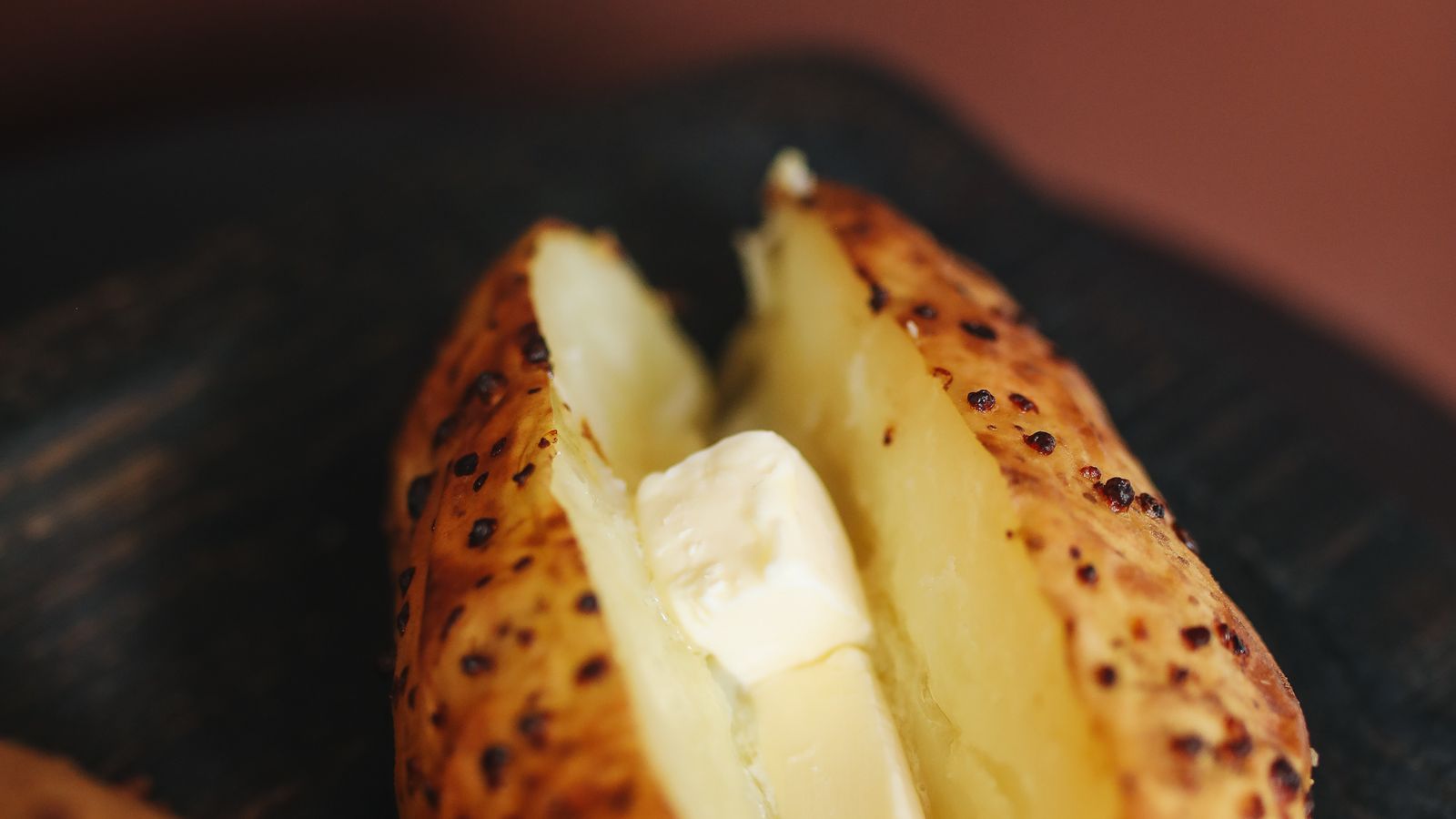
Air Fryers for Baking Potatoes
Baked potatoes need consistent heat circulation around a dense object for 35-50 minutes, plus enough basket depth to fit two or three medium potatoes without stacking. A cramped 2-quart basket will force you to bake potatoes one at a time, which defeats the purpose of a fast countertop appliance. Our guide to air fryers for baking potatoes highlights models with the capacity and steady airflow this task demands.
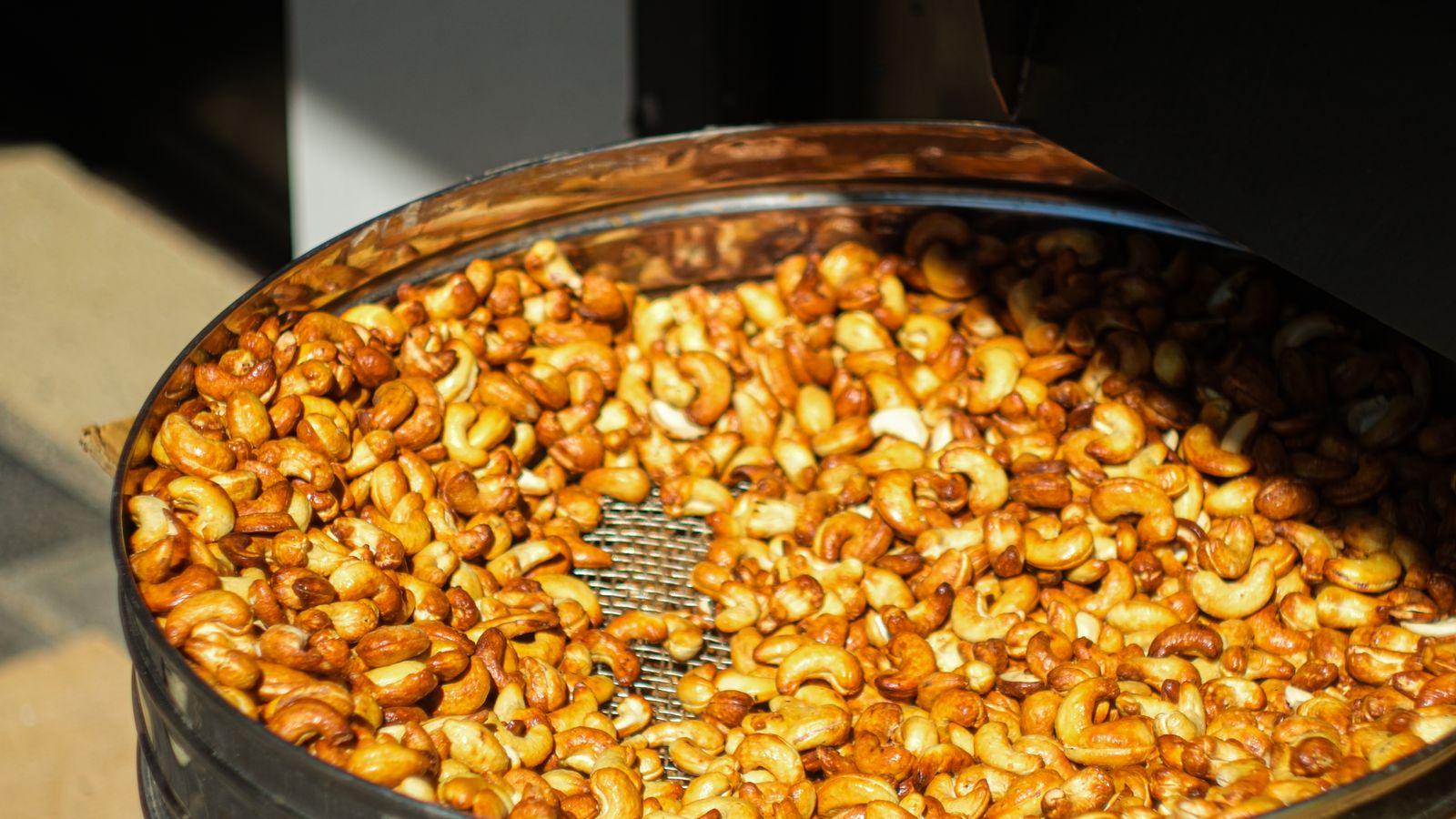
Air Fryers for Roasted Nuts
Nuts are the opposite challenge – they’re small, cook fast, and burn easily if the temperature isn’t precise or if hot air isn’t distributed evenly across the basket. A machine with reliable low-temperature settings (300°F and below) and a shake reminder is far more forgiving. Check our picks for air fryers for roasted nuts if snacking is a regular part of your routine.
The Three Budget Tiers Explained
Entry Tier: Roughly $50-$80
At this price you’ll typically get a single flat basket, one or two preset programs, and a manual dial or basic digital display. These machines can toast bread and roast a small batch of nuts reasonably well, but baking a full-size potato may take longer than advertised because airflow is less consistent. This tier suits a single person or couple who cooks in small batches and isn’t picky about exact timing.
Mid Tier: Roughly $90-$150
This is the sweet spot for a three-item menu like toast, potatoes, and nuts. Expect a larger basket (4-6 quarts), more precise temperature control in 5-degree increments, and often a second rack or tray for toasting. Fan placement is usually better engineered here, which matters for even nut roasting and potato skins that crisp without drying out the inside.
Premium Tier: $160 and Up
Premium air fryer ovens add multiple racks, rotisserie or dehydrate functions, and app-based controls. For a menu focused specifically on toast, potatoes, and nuts, this tier is often overkill – you’re paying for features (rotisserie, large-format baking) that a three-item breakfast-and-snack menu won’t use. Only step up here if you also plan to cook full meals, family-size batches, or want the fryer to double as a small oven.
How to Set Your Budget: A Step-by-Step Process
- Rank your menu items by frequency. If toast happens daily but roasted nuts happen once a week, prioritize toasting performance over nut-specific features.
- List your household size. A household of one or two rarely needs more than a 4-quart basket; three or more people baking potatoes together should look at 6 quarts or larger.
- Identify your two must-have features. For this menu, that’s usually “flat toasting surface” and “basket deep enough for two potatoes.” Everything else is a bonus.
- Set a floor and a ceiling. Based on the tiers above, a realistic range for a toast-potato-nut menu is $80-$150. Treat anything below $80 as a compromise on capacity, and anything above $150 as paying for extras you may not use.
- Compare two or three specific models within that range. Use the linked buying guides above to shortlist actual products that match your ranked features rather than browsing everything on the market.
- Leave 10-15% of your budget for accessories. A toast rack, silicone liners, or a second basket insert often costs $10-$20 and meaningfully improves results for all three foods.
Cost-Saving Tips Without Sacrificing Performance
- Buy during major sales windows (holiday weekends, end-of-season clearance) when mid-tier models often drop into entry-tier pricing.
- Prioritize basket depth and even airflow over touchscreen displays or app connectivity – those extras add cost without improving toast, potatoes, or nuts.
- Consider a slightly larger basket than you think you need; undersized baskets force multiple batches, which increases both cook time and electricity use over time.
- Check whether a model’s included accessories (toast rack, extra basket) would otherwise be an added purchase – bundled accessories can offset a higher sticker price.
Common Budgeting Mistakes to Avoid
- Buying the cheapest basket fryer for a multi-food menu. Entry-tier machines often can’t hold two potatoes and a full batch of nuts without multiple rounds.
- Overspending on features you won’t use. Rotisserie spits and dehydrate settings add cost but rarely help with toast, potatoes, or nuts specifically.
- Ignoring wattage and preheat time. A lower-wattage unit may take noticeably longer to reach toasting or nut-roasting temperatures, adding hidden time cost to every use.
- Not accounting for counter space. A larger-capacity, better-value model is only a good deal if it actually fits your kitchen – measure before you buy.
Sample Budget Breakdown
Here’s how a $120 mid-tier budget might realistically break down for this specific menu:
- $95-$105 – the air fryer itself, chosen for flat-tray toasting capability and a 5-quart-plus basket for potatoes.
- $10-$15 – a toast rack or silicone tray insert if not included.
- $5-$10 – a small stainless steel scoop or shaker basket for nuts, which makes mid-cook shaking easier and reduces burnt batches.
This kind of breakdown keeps you focused on the actual cooking tasks rather than chasing the lowest possible sticker price or the most feature-packed machine on the shelf.
Frequently Asked Questions
Do I need a separate air fryer for each menu item?
No. A single mid-tier air fryer with a flat toasting surface and a basket of at least 4-5 quarts can comfortably handle toast, baked potatoes, and roasted nuts. Separate specialty appliances are only worth considering if you’re cooking large volumes of one item daily.
Is it worth paying extra for a model marketed specifically for toasting?
If toast is a daily habit, yes – a flat tray or dedicated toast rack noticeably improves evenness compared to a standard round basket. If toast is occasional, a standard basket with a flat insert accessory is usually enough.
How much basket capacity do I need for potatoes?
Plan on roughly 1.5-2 quarts of capacity per medium potato if you want them to cook evenly without stacking. A household regularly baking two or three potatoes at once should look at 5-6 quart baskets or larger.
What temperature range matters most for roasting nuts?
Look for a model that can hold steady, precise settings in the 300°F-325°F range. Nuts scorch quickly at higher heat, so precision matters more than the fryer’s maximum temperature.
Should I wait for a sale before buying?
If your current appliance still works, it’s usually worth waiting for a seasonal sale, since mid-tier models frequently drop 20-30% during major shopping events. If you need a replacement immediately, use the budget ranges above as a guide rather than waiting indefinitely for a discount.