
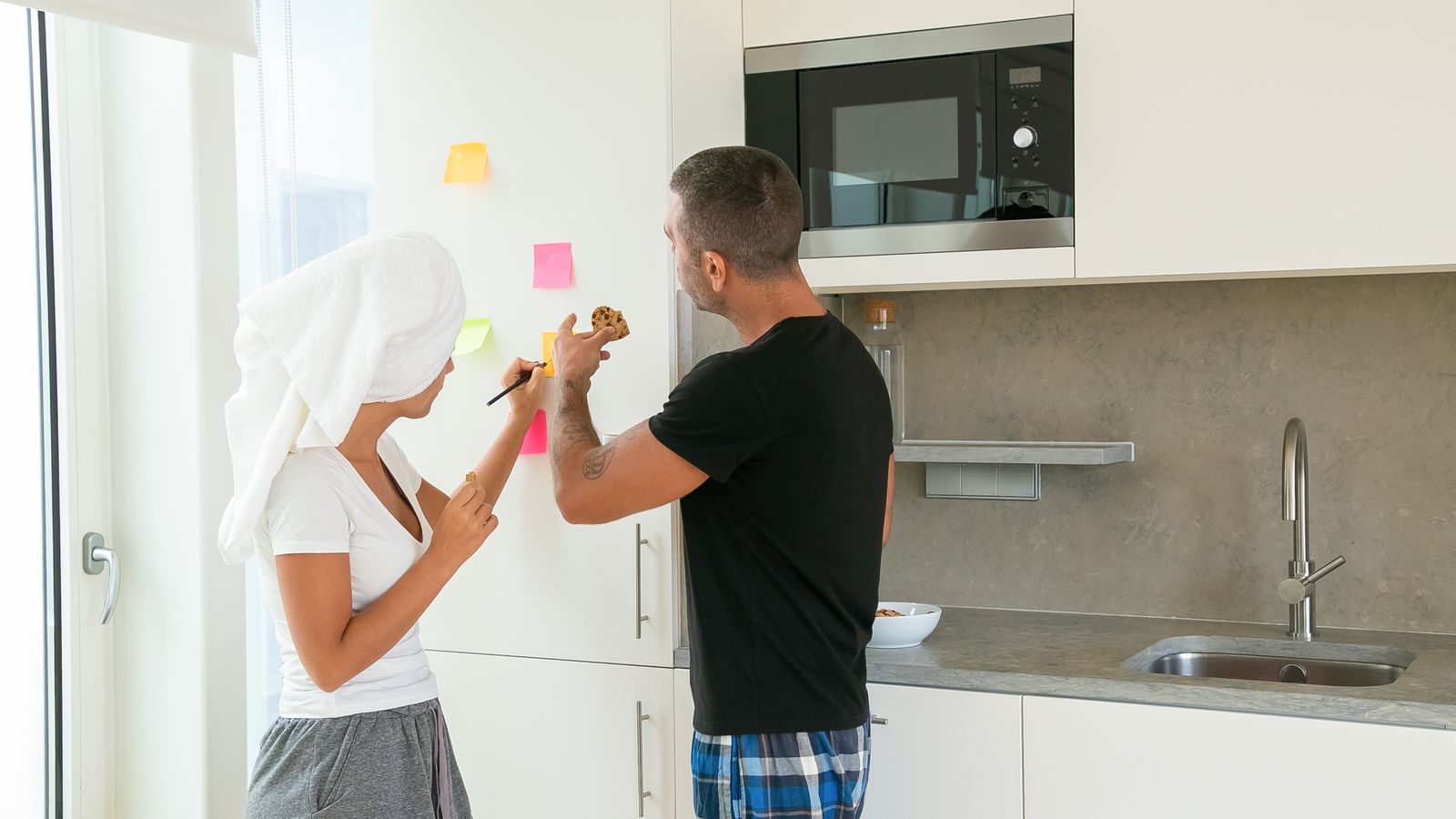
Every household has its own rhythm in the kitchen, and that rhythm changes dramatically depending on who is cooking and why. A newly married couple juggling two schedules, two sets of food preferences, and a brand-new kitchen has very different air frying needs than a retiree who is cooking smaller portions, watching sodium intake, or simply wants a simpler routine after decades of family-sized meals. Organizing your household air frying routine around your actual life stage — not a generic meal-prep template — is the difference between an appliance that gathers dust and one that becomes the workhorse of your kitchen.
This guide walks through how to build a sustainable, repeatable air frying routine whether you are just starting out together or settling into a quieter, more deliberate pace of cooking. The goal is not to give you a rigid schedule to copy, but a framework you can adapt to your household’s size, appetite, and energy level.
Why Life Stage Should Shape Your Air Frying Routine
It is tempting to think an air fryer is just an air fryer — put food in, press a button, take food out. But the way a household actually uses one depends heavily on daily patterns. Newlyweds are often cooking for two, balancing different work schedules, and still discovering each other’s food preferences. Retirees, on the other hand, frequently prioritize simplicity, portion control, and easy cleanup over speed or variety.
Building your routine around your real life stage means fewer wasted ingredients, less appliance clutter, and a cooking habit that actually sticks. A routine designed for a family of five will feel overwhelming for a couple of two, and a routine built for batch-cooking enthusiasts will feel unnecessarily complicated for someone who just wants dinner on the table in twenty minutes.
Step 1: Take Inventory of Your Household’s Cooking Patterns
Before you touch a single basket or tray, spend a few days simply observing how your household already cooks. Ask yourself:
- How many meals per week actually get cooked at home versus ordered in or eaten out?
- Are meals eaten together, or does each person eat on a staggered schedule?
- Is the priority speed, health, portion size, or minimal cleanup?
- Does your current air fryer size match your typical portion needs?
Newlywed households often discover they are cooking two separate small meals instead of one shared one, simply because nobody has set a routine yet. Retiree households often find they are still cooking family-sized portions out of habit, long after the need for that volume has passed. This inventory step reveals where the mismatch is happening.
Step 2: Choose the Right Air Fryer for Your Stage of Life
Once you understand your actual cooking patterns, match your equipment to them rather than the other way around. A couple just starting out usually benefits from a mid-capacity basket model that can handle two generous portions without heating a giant oven-style unit for a small meal. If you are outfitting a first shared kitchen, it is worth browsing options built specifically with that stage in mind, such as this curated roundup of air fryers for newlyweds, which focuses on models sized and priced for two-person households just getting started.
Retirees, meanwhile, often do best with simpler control panels, lighter baskets that are easier to lift, and capacities suited to smaller portions rather than large batch cooking. A dedicated guide to air fryers for retirees highlights models chosen for ease of use, readable displays, and manageable weight — all details that matter more as daily convenience becomes the priority.
If your household is also dealing with a smaller kitchen or a rental with limited counter space, it is worth cross-referencing models that are compact enough to store easily. A guide to air fryers for renters is a useful reference point for anyone furnishing a first apartment together or downsizing into a smaller retirement home.

Step 3: Build a Weekly Rhythm, Not a Rigid Schedule
Once you have the right appliance for your household, the next step is establishing a loose weekly rhythm rather than a strict meal-by-meal schedule. Rigid plans tend to collapse the first week something unexpected comes up. Instead, try organizing your week into a few repeatable categories:
- Anchor meals: Two or three go-to dinners that both people already know how to prepare and enjoy, such as air-fried chicken thighs or roasted vegetables.
- Flex meals: One or two nights left open for trying something new or using up leftover ingredients.
- Low-effort nights: A night reserved for something extremely simple, like reheating or a quick frozen item, so the air fryer routine never feels like a burden.
- Prep windows: A short block of time, ideally the same time each week, dedicated to washing and portioning vegetables or proteins so weeknight cooking takes minutes rather than an hour.
Newlywed households often benefit from assigning these categories to specific days so both partners know what to expect. Retiree households frequently find it easier to simplify further, repeating the same two or three anchor meals with small variations rather than chasing constant novelty.
Step 4: Organize Your Kitchen Around the Routine
A routine only works if the physical kitchen supports it. Store your air fryer somewhere it can stay out on the counter if you use it daily — appliances that get tucked away in a low cabinet quietly get used less often, no matter how good the intentions were. Keep frequently used accessories, such as liners, skewers, or a favorite seasoning blend, in a drawer within arm’s reach of the appliance.
For newlywed households, this is also a good time to agree on a simple division of labor: who preps, who cooks, who cleans the basket. Small agreements like this prevent the appliance from becoming a source of friction rather than convenience. For retirees, organizing the kitchen around ease of access matters more than division of labor — consider storing the basket pre-lined and ready to go, and keeping frequently cooked items, like frozen vegetables or pre-portioned proteins, at eye level in the freezer.
Step 5: Build a Simple Rotation of Recipes
Rather than hunting for a new recipe every night, build a small rotating library of five to eight air fryer meals your household genuinely enjoys. Write them down, even informally, on a card taped inside a cabinet or in a shared notes app. Rotating a known set of meals reduces decision fatigue dramatically, which is one of the biggest reasons cooking routines fall apart in the first place.
Newlyweds should treat the first few months as a discovery period: try new combinations, note which ones both people liked, and gradually narrow down to the keepers. Retirees often already know their preferences well, so the priority shifts to simplifying favorite dishes for one or two air fryer batches instead of full family-sized cooking.
Common Mistakes to Avoid
- Buying an air fryer that is the wrong size for your household. Too large wastes energy and counter space; too small forces multiple batches and adds time to every meal.
- Overcomplicating the routine early on. A complicated meal-prep system rarely survives more than a couple of weeks. Start simple and add complexity only if you actually want more variety.
- Ignoring cleanup time. A routine that looks efficient during cooking but leaves a sink full of dishes will not last. Choose accessories and recipes that keep cleanup quick.
- Not communicating the plan. In two-person households, routines fail fastest when only one person knows what the plan actually is.
- Sticking with outdated portion habits. Retirees especially should periodically reassess whether the amount they are cooking still matches what actually gets eaten.
Adjusting the Routine Over Time
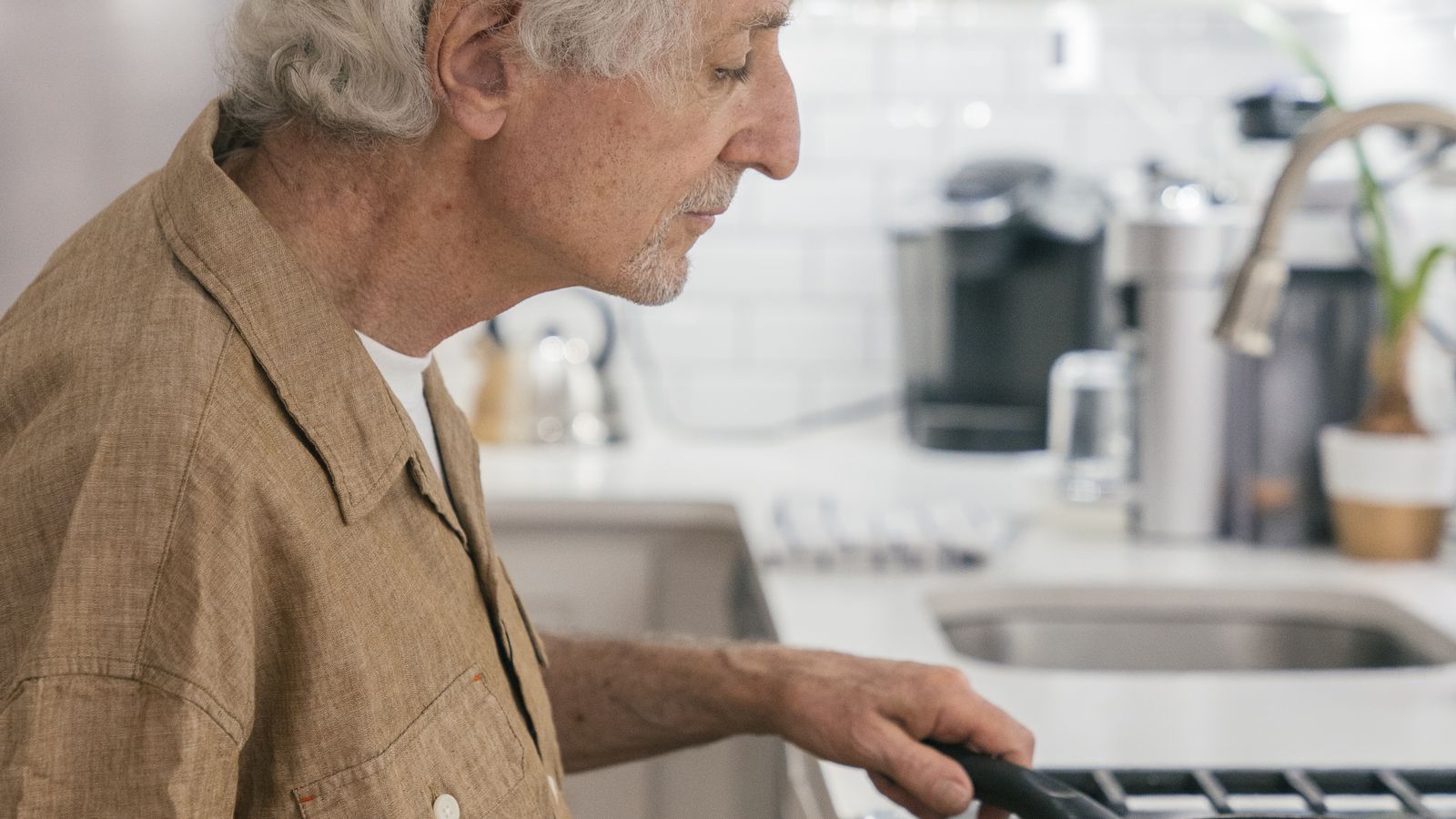
No routine should stay static forever. Revisit your household’s air frying rhythm every few months, especially after a change in schedule, health needs, or living situation. Newlywed households often find their routine shifts as work schedules settle in or as one partner takes on more of the cooking. Retiree households may find their needs change with mobility, appetite, or simply a desire to simplify further.
The easiest way to check whether your routine is working is to ask a simple question at the end of each week: did the air fryer make dinner easier, or did it become one more thing to manage? If the answer trends toward the latter, it is worth revisiting your equipment, your recipe rotation, or your kitchen setup rather than assuming the appliance itself is the problem.
Frequently Asked Questions
How often should a two-person household use an air fryer each week?
There is no single right answer, but most newlywed households find a rhythm of four to five air fryer meals per week works well, leaving a couple of nights for other cooking methods or eating out.
What size air fryer is best for a retiree cooking mostly for one or two people?
Smaller to mid-capacity baskets are usually sufficient and easier to lift and clean. Prioritize simple controls and lighter accessories over large capacity.
How can newlyweds avoid arguing over kitchen routines?
Agree early on a simple, informal division of tasks — who preps, who cooks, who handles cleanup — and revisit it after the first month once you both know what actually feels fair.
Should retirees switch to a different air fryer if their needs change?
Yes. If mobility, appetite, or health needs shift, it is worth reassessing whether the current appliance’s size, weight, and controls still fit daily use comfortably.
What is the easiest way to keep an air frying routine consistent long-term?
Keep the recipe rotation small, store the appliance somewhere accessible, and revisit the routine periodically rather than trying to plan every meal from scratch each week.
Final Thoughts
An air frying routine works best when it is built around how your household actually lives, not an idealized version of meal planning. Whether you are furnishing a first shared kitchen or simplifying decades of cooking habits into something easier to manage, the same principles apply: match the equipment to your real needs, build a flexible rhythm instead of a rigid schedule, and revisit the plan as life changes. Start small, keep it realistic, and the routine will naturally become second nature.