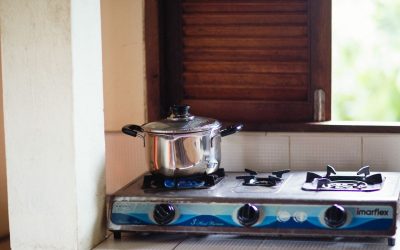

Why One Air Fryer Rarely Covers Every Occasion
Most households settle on a single air fryer and expect it to handle everything from a quick weeknight snack to a full holiday spread. In practice, that rarely works. A compact unit sized for two people is perfect for reheating leftovers or crisping a couple of chicken breasts, but it becomes a bottleneck the moment you need to feed a table of relatives during the holidays. On the other hand, a large-capacity holiday fryer sitting on the counter every single day is oversized, slower to preheat for small portions, and awkward to store. The smartest approach is to match two air fryers to two different use cases so your household always has the right tool for the meal in front of you.
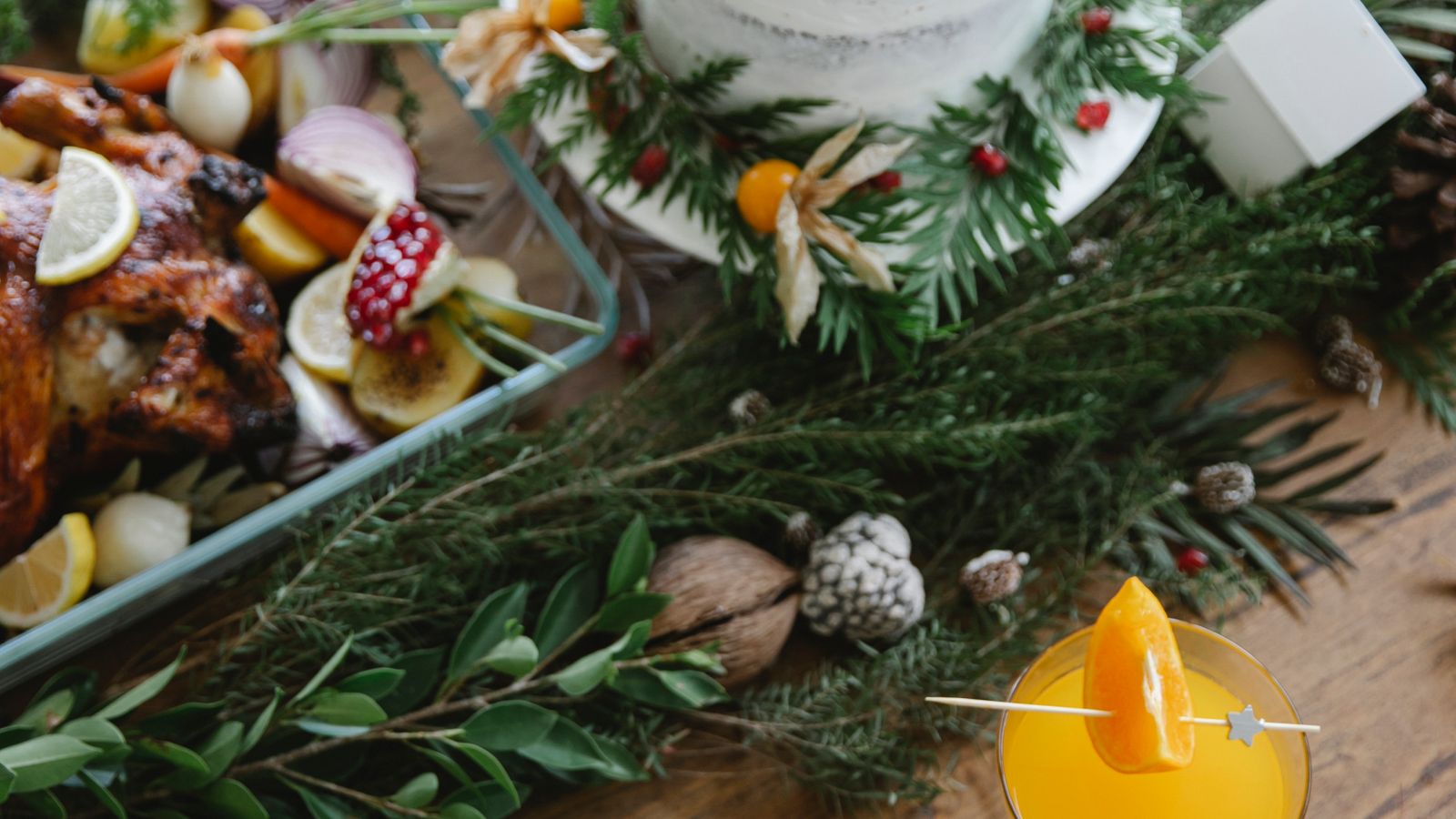
This guide walks through how to think about pairing an everyday, two-person air fryer with a larger holiday-capacity model, so the two appliances work together instead of competing for counter space. We will cover capacity math, wattage and cook-time differences, storage logistics, and a step-by-step matching process you can follow before you buy.
Step 1: Define Your Two Distinct Cooking Occasions
Before comparing baskets and wattage, separate your air frying needs into two clear categories:
- Everyday cooking: breakfast items, small dinners for one or two people, reheating, and quick snacks.
- Holiday and gathering cooking: larger cuts of meat, multiple side dishes, batch-cooked appetizers, and cooking for six or more guests.
Writing these two scenarios down helps you resist the urge to buy one “do everything” fryer that ends up doing neither job particularly well. Households that keep a dedicated small unit and a dedicated large unit consistently report smoother routines than those trying to stretch one appliance across both extremes.
Step 2: Size the Everyday Unit for Two People
For daily use, a 2-to-4-quart basket or a small dual-zone model is usually enough. It preheats faster, uses less counter depth, and cooks smaller portions more evenly without leaving food spread too thin across a large tray. If you and a partner are cooking chicken thighs, a couple of salmon fillets, or a batch of vegetables most nights of the week, this is the size range to shop from. For a curated comparison of models built specifically for this scenario, see this roundup of air fryers for two people, which highlights units with the right footprint and basket depth for small households.
Step 3: Size the Holiday Unit for Peak Capacity
Your holiday fryer should be sized around your busiest cooking day of the year, not your average week. Think about the largest turkey breast, the biggest batch of stuffing balls, or the most side dishes you would ever need to rotate through in one sitting. Multi-basket or extra-large single-basket models in the 8-to-12-quart range (or dual-zone models with a combined large capacity) tend to handle holiday volume without forcing you to cook in five or six separate batches. Because this unit is used only occasionally, it is worth prioritizing capacity and versatility over compactness. A dedicated resource on air fryers for holiday cooking breaks down which models are built for larger cuts of meat and multi-dish rotations.
Step 4: Match Wattage and Preheat Time to Each Use Case
Smaller everyday fryers typically run in the 1400 to 1700 watt range, which is plenty for quick, small-batch cooking and keeps preheat times short. Larger holiday fryers often run higher wattage or use dual heating elements to maintain consistent temperature across a bigger basket. When shopping, check that your holiday model’s wattage is proportionate to its capacity; an oversized basket paired with underpowered heating elements will cook unevenly and take much longer than expected, which is the last thing you want when you are also managing a stovetop and oven at the same time.
Step 5: Plan for Batch Cooking During Gatherings
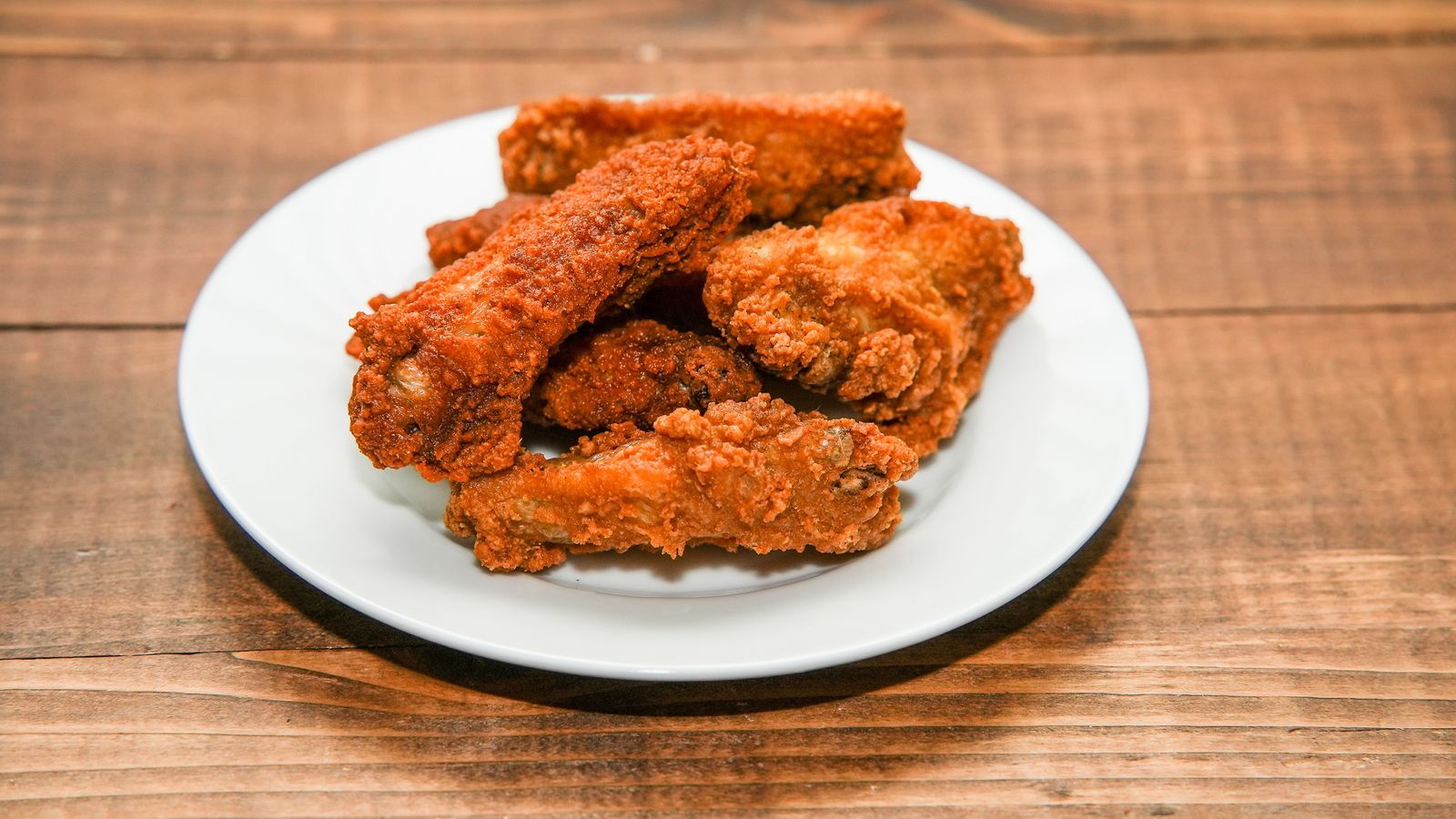
Even a large-capacity holiday fryer will sometimes need to run multiple batches, especially for appetizers like wings, which are a staple at holiday gatherings and game-day spreads alike. Plan your cook order so items that hold heat well (roasted vegetables, stuffing balls) go first, and items best served immediately (wings, other crispy appetizers) go last. If wings are a regular part of your gathering menu, it is worth reviewing options built specifically for larger batches; this guide to air fryers for batch wings covers baskets designed to crisp a full batch evenly without constant shaking or restacking.
Step 6: Think Through Storage Before You Buy
A cohesive two-fryer routine only works if both appliances have a realistic home in your kitchen. Consider:
- Counter space for the everyday unit, since it should stay accessible for daily use.
- Cabinet, pantry, or garage storage for the larger holiday unit, since it will spend most of the year off the counter.
- Weight and handles on the larger model, since it needs to be lifted in and out of storage several times a year.
- Cord length and outlet placement near your prep area, especially for the larger unit if it will be used for extended, multi-batch sessions.
Mapping this out before you buy prevents the common mistake of purchasing a holiday-sized fryer that has nowhere practical to live for the other eleven months of the year.
Step 7: Build a Simple Rotation Routine
Once both fryers are in the house, set a light routine so the household actually uses them as intended:
- Default to the everyday, two-person unit for all regular meals and snacks.
- Bring out the holiday unit only for gatherings, meal-prep marathons, or when cooking for four or more people.
- Clean and store the holiday unit promptly after each use so it is ready without a scramble before the next gathering.
- Keep both baskets and accessories labeled or stored together so nothing gets mismatched between units.
This kind of simple division keeps both appliances earning their keep instead of one gathering dust while the other gets overworked.
Common Mistakes to Avoid
- Buying one oversized fryer “to be safe.” A single large unit used daily wastes energy, takes longer to preheat for small meals, and dominates counter space unnecessarily.
- Underestimating holiday capacity. Guessing on the low end forces last-minute batch cooking during the busiest meal of the year.
- Ignoring wattage when comparing capacity. A bigger basket without proportionate power leads to uneven, slower cooking.
- Skipping the storage plan. A great holiday fryer with nowhere to store it tends to end up sold or abandoned within a year.
- Forgetting batch-friendly accessories. Racks, skewers, and multi-layer trays make a real difference when cooking wings or sides for a crowd.
Everyday Fryer vs. Holiday Fryer at a Glance
Use this quick comparison when narrowing down your two purchases:
- Capacity: Everyday unit: 2-4 quarts. Holiday unit: 8-12 quarts or large dual-zone.
- Frequency of use: Everyday unit: daily. Holiday unit: occasional, high-volume.
- Priority: Everyday unit: speed and footprint. Holiday unit: total capacity and consistent heating.
- Storage: Everyday unit: countertop. Holiday unit: cabinet or pantry between uses.

Frequently Asked Questions
Do I really need two separate air fryers?
Not every household does, but if your everyday cooking is consistently small-batch and your holiday cooking is consistently large-batch, two purpose-built units will outperform a single compromise model on both occasions.
Can a dual-zone air fryer replace both units?
A dual-zone model can bridge the gap for medium households, but very large holiday cooking volumes (a big cut of meat plus several sides) often still exceed what a dual-zone countertop unit comfortably handles in one pass.
How much capacity do I need for a holiday gathering?
As a rough guide, plan for roughly one to one and a half quarts of basket capacity per adult guest when air frying is your primary cooking method for a dish, then round up to account for side dishes and appetizers like wings.
What is the biggest mistake people make when matching two fryers?
Choosing based on price alone rather than actual use frequency. It is usually better to spend more on the everyday unit you will use constantly and treat the holiday unit as an occasional-use investment sized strictly for peak demand.
Should I buy both fryers at the same time?
Not necessarily. Many households buy the everyday unit first, live with it for a season, and then purchase the holiday unit once they have a clear sense of their actual peak-capacity needs.
Final Thoughts
A cohesive air frying routine is not about owning the single “best” air fryer, it is about owning the right pair for how your household actually cooks throughout the year. By sizing an everyday unit for two people, sizing a second unit specifically for holiday volume, matching wattage to capacity, and planning storage before you buy, you avoid both the frustration of an undersized daily fryer and the clutter of an oversized one. Review the linked guides above to compare specific models built for each occasion, and choose the pairing that fits your kitchen, your guest list, and your storage space.