
A well-stocked accessory drawer can turn a basic air fryer into a much more versatile kitchen tool, but it is easy to overspend on gadgets you will barely touch. The good news is that the three accessories most owners actually reach for again and again – a dedicated cleaning brush, a skewer rack, and a silicone liner – are also some of the cheapest things you can buy for your air fryer. This guide walks through how to shop for these items on a tight budget, what each one really does, and the order in which you should buy them so your money goes toward the tools you will use most.
Why Build an Accessory Drawer in the First Place
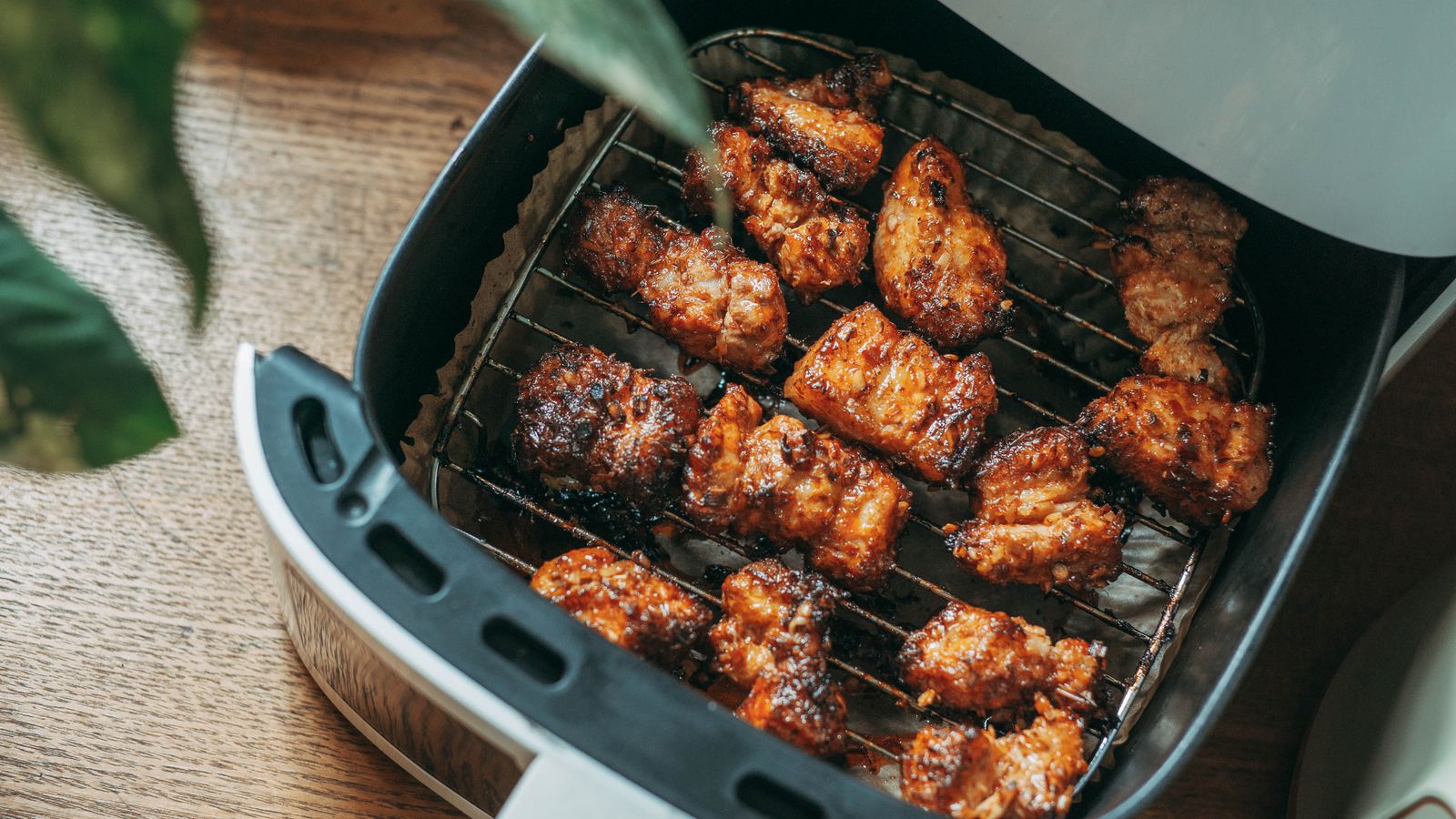
Air fryers are simple machines, but the right accessories fix the small annoyances that come with daily use: stuck-on grease, food that slides around the basket, and skewers that do not fit standard racks. A modest accessory drawer solves these problems without adding much cost or clutter. The goal on a budget is not to buy every gadget on the market – it is to buy the two or three items that solve real, recurring problems in your own cooking routine.
Before you shop, take a week to notice what actually annoys you about your air fryer. Is cleanup the worst part? Do you wish you could cook skewers or make more food fit at once? Does food stick to the basket no matter how much you spray it? Your answers should drive your shopping list, not the other way around.
What Each Accessory Actually Does
Air Fryer Cleaning Brush
A dedicated cleaning brush is built with stiff, heat-resistant bristles shaped to reach into the mesh holes and corners of an air fryer basket, where a sponge or dish rag cannot get grease and crumbs out. Most are silicone or nylon, dishwasher safe, and cost only a few dollars. If you cook fatty foods like wings, bacon, or breaded items often, a cleaning brush is the single highest-value accessory you can own, because it saves the basket’s non-stick coating from being scratched by metal utensils or steel wool.
Air Fryer Skewer Rack
A skewer rack is a small metal frame that holds wooden or metal skewers upright or angled inside the basket, so kebabs, satay, and vegetable skewers cook evenly on all sides instead of lying flat and browning unevenly. It also lets you cook more skewers at once by using vertical space instead of just the basket floor. This accessory is worth buying only if you actually cook skewered foods with any regularity – otherwise it will sit unused in a drawer.
Silicone Air Fryer Liner
A silicone liner is a reusable, heat-safe mat or basket insert that sits between your food and the basket. It reduces sticking, catches drips, and cuts down on scrubbing, all without the waste of disposable parchment liners. Because it is reusable and dishwasher safe, it pays for itself quickly compared to buying paper liners every week, and it protects the non-stick coating from scratches over time.
Priority Order for a Tight Budget
If you can only buy one or two accessories right now, shop in this order:
- Cleaning brush first. Every air fryer owner deals with cleanup, and a brush is usually the cheapest item on this list. It has universal, everyday value regardless of what you cook.
- Silicone liner second. This is the accessory with the fastest payback period, since it replaces ongoing purchases of disposable liners and reduces basket scrubbing on nearly every meal.
- Skewer rack last. Buy this only once you know you cook skewered meals often enough to justify a single-purpose accessory. It is the most niche of the three.
This order maximizes how often you will actually use what you buy, which matters more on a budget than getting everything at once.
Step-by-Step: How to Shop Smart for Each Accessory
- Check your basket size and shape first. Measure your air fryer basket’s diameter and depth before buying anything. A liner or rack sized for a different model will not sit flat and can restrict airflow.
- Confirm heat resistance ratings. Any silicone liner or brush bristle should be rated for at least 450°F. Cheaper off-brand liners sometimes list lower thresholds, so read the product description carefully rather than assuming.
- Look for dishwasher-safe materials. This is the easiest way to save time long term and is standard on nearly every silicone or nylon accessory, so avoid anything that requires hand-washing only.
- Compare reviews for the specific accessory type, not the brand. A brand that makes excellent cleaning brushes is not guaranteed to make a great skewer rack. Evaluate each accessory on its own merits.
- Buy from sellers with clear return policies. Because sizes and materials vary a lot between listings, being able to return a poor fit protects your budget.
- Start with one of each, not multiples. Test a single cleaning brush, one liner, and one skewer rack before buying backups or upgrades, even if bundle pricing looks tempting.
Budget Tips That Actually Save Money
- Buy silicone liners in multi-packs rather than one at a time – the per-unit price usually drops significantly, and you will want a spare while one is in the wash.
- Skip specialty “air fryer branded” versions of generic kitchen tools when a standard silicone brush or mat of the right size does the same job for less.
- Watch for accessory bundles that pair a liner and brush together, which are often cheaper than buying the same two items separately.
- Avoid accessories with metal components unless they are explicitly rated as non-abrasive; scratched non-stick coatings shorten the life of your air fryer basket and cost more to replace than any accessory.
Common Mistakes to Avoid
- Buying the wrong size liner. A liner that is too large can block the air fryer’s vents and hurt cooking performance; always size down slightly rather than up.
- Choosing a skewer rack before checking basket depth. Some racks are too tall for compact or drawer-style baskets and will prevent the basket from sliding in properly.
- Ignoring bristle material on cleaning brushes. Stiff plastic bristles can scratch non-stick coatings over time; silicone bristles are gentler and just as effective for most stuck-on residue.
- Overbuying before testing fit. Resist bundle deals for accessories you have not tried yet – a mismatched set does not save money if half of it goes unused.
Where to Compare Options
Once you know which accessory fits your cooking habits, it helps to compare specific models side by side rather than guessing from a single listing. Our detailed roundups make this easier:
- For cleanup-focused shoppers, see our picks for the best air fryer cleaning brushes, compared on bristle material, handle length, and dishwasher safety.
- If skewered meals are a regular part of your menu, check out our guide to the best air fryer skewer racks, which covers fit across common basket sizes.
- For an easy way to cut down on sticking and scrubbing, browse our comparison of the best silicone air fryer liners, including heat ratings and basket compatibility.
Frequently Asked Questions
Do I need all three accessories to get value from an air fryer?
No. Most owners get the most everyday value from just a cleaning brush and a silicone liner. A skewer rack is only worth adding if skewered foods are a regular part of your cooking.
Are cheap, off-brand accessories safe to use?
Generally yes, as long as the listing clearly states a heat rating of at least 450°F and food-grade silicone or nylon materials. Skip listings that do not specify these details.
Will a silicone liner reduce how crispy my food gets?
It can slightly reduce crisping on the bottom surface compared to cooking directly on the basket, since it limits some airflow contact. Many liners are perforated specifically to minimize this effect, so look for a perforated design if crispiness is a priority.
How do I know if a skewer rack will fit my air fryer?
Measure the internal diameter and depth of your basket, then compare it to the rack’s listed dimensions before buying. When in doubt, choose a rack with adjustable or collapsible arms, which tend to fit a wider range of basket sizes.
How often should I replace a silicone liner or cleaning brush?
Replace a liner once it becomes discolored, warped, or develops tears, and replace a cleaning brush once its bristles flatten or fray and stop reaching into basket mesh effectively. Both are inexpensive enough to swap out well before they become a hygiene concern.