
A good pair of heat resistant gloves is one of the hardest-working tools in your kitchen. They protect your hands from scorching air fryer baskets, hot grill grates, and sizzling cast iron, but only if you take care of them properly between uses. Toss them in a junk drawer or leave them draped over a hot stovetop, and you can quietly wreck the very insulation that keeps your hands safe. Storing your gloves correctly is not just about tidiness – it directly affects how long they last and how well they protect you.
In this guide, you will learn exactly why storage matters, how to prepare your gloves before putting them away, a simple step-by-step storage routine, and the common mistakes that quietly shorten the life of even the best heat resistant gloves.
Why Proper Storage Matters for Heat Resistant Gloves
Heat resistant gloves are built from specialized materials – silicone shells, aramid fibers (like Kevlar or Nomex), quilted cotton linings, or a combination of these. Each material has a specific way it breaks down over time, and how you store the gloves plays a big role in how fast that happens.
Material Degradation
Silicone gloves are flexible, but folding them tightly for long periods or storing them near direct heat sources can cause the material to crack or lose its grip texture. Fabric-based gloves with aramid fiber lining can absorb moisture from damp storage spots, which weakens the fibers and reduces their heat resistance over time. Even the stitching that holds layers together can loosen if gloves are crammed into a tight space repeatedly.
Cleanliness and Hygiene
Gloves come into contact with food, grease, and hot surfaces constantly. If you store them while still damp or greasy, that residue can attract bacteria, trap odors, and even become a fire hazard the next time you use them near a heat source. Proper storage always starts with proper cleaning.
Readiness When You Need Them
A glove that is folded, twisted, or shoved into an awkward spot takes longer to grab and put on – which matters when you are pulling a hot basket out of the air fryer. Organized storage means your gloves are always within reach, in good shape, and ready to protect your hands the moment you need them.
Before You Store: Preparation Steps
Do not skip this stage. A few minutes of prep before storage will noticeably extend the life of your gloves.
- Let them cool completely. Never store gloves immediately after handling something hot – trapped heat can degrade lining and encourage moisture buildup.
- Check the care label. Some gloves are machine washable, while others should only be spot-cleaned by hand. Silicone gloves can usually be wiped down with a damp cloth and mild soap.
- Clean off grease and food residue. Use a damp cloth with a small amount of dish soap for fabric gloves, or warm soapy water for silicone ones. Rinse thoroughly if the material allows it.
- Dry fully before storing. Air-dry gloves flat or hung up, away from direct sunlight, until there is no dampness left in the lining or seams.
- Inspect for damage. Look for thinning fabric, exposed stitching, or cracked silicone. Gloves showing wear should be replaced rather than stored for future use, since compromised insulation can fail exactly when you need it most.
How to Store Your Heat Resistant Gloves: Step-by-Step
- Choose a dry, cool location. Pick a spot away from your stovetop, oven, or air fryer exhaust vent. Storing gloves too close to a heat source defeats the purpose of protecting the material in the first place.
- Use a dedicated hook or hanging loop. Many heat resistant gloves include a small fabric loop specifically for hanging. Mount a hook near your prep area so gloves hang freely without folding or crushing the insulation.
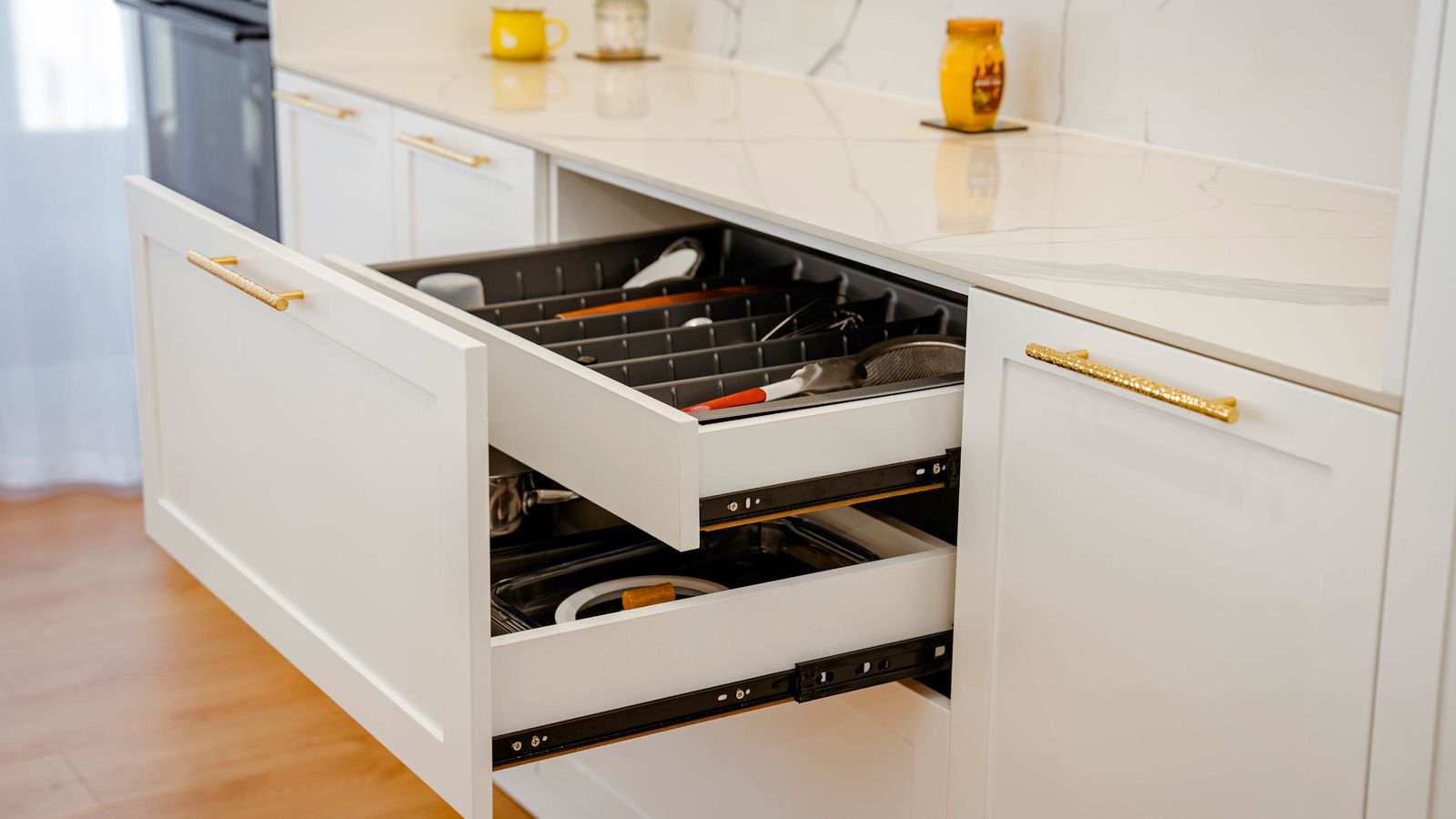
- Alternatively, use a drawer with separation. If you prefer drawer storage, keep gloves in their own compartment or a small drawer divider so they are not squished under heavier cookware.
- Keep pairs together. Store both gloves side by side so you are never searching for a missing match mid-cook. A small storage basket or bin works well for this.
- Avoid stacking heavy items on top. Weight from pots, pans, or other tools compresses the insulating layers over time, reducing their heat resistance.
- Rotate gloves if you own more than one pair. This gives each pair time to fully air out and reduces daily wear on a single set.
- Store near – but not on – your cooking station. Keeping gloves within arm’s reach of your air fryer or stovetop, alongside items like your pot holder sets, makes them easy to grab quickly without exposing them to heat when not in use.
Smart Storage Tips
- Use a labeled bin for kitchen linens. Group your gloves with other heat-related textiles like pot holders and trivets so everything has one obvious home.
- Add silica gel packets to drawers in humid climates to help control moisture and prevent mildew from developing in fabric linings.
- Keep a second pair near your reading or recipe station. If you use a recipe tablet holder at your counter, storing a spare pair of gloves nearby keeps you from walking away from a hot appliance mid-step.
- Avoid plastic storage bags for long-term storage. Sealed plastic can trap residual moisture and lead to mildew, especially with fabric-lined gloves.
- Wash on a regular schedule. Even without visible stains, gloves used several times a week benefit from a wash roughly every few weeks to remove built-up oils and odors.
Common Storage Mistakes to Avoid
- Hanging gloves directly above a stovetop. This exposes them to residual heat and grease splatter every time you cook, accelerating wear.
- Storing them while still damp. Moisture trapped inside the lining is one of the fastest ways to damage insulation and encourage odor or mold.
- Balling them up tightly. Compressing silicone or fabric gloves into a small ball for extended periods can cause permanent creasing and cracking.
- Leaving them on the counter indefinitely. Loose gloves collect dust, spills, and crumbs, meaning you are handling contaminated gloves the next time you cook.
- Ignoring visible wear. Continuing to use and store gloves with thinning spots or exposed stitching is a safety risk, not just a storage issue.
How Storage Habits Extend Glove Lifespan
Small, consistent habits make the biggest difference. Gloves that are cleaned promptly, dried fully, and hung or stored in a dedicated spot away from heat and moisture will maintain their protective qualities far longer than gloves tossed carelessly into a drawer after every use. Think of glove storage the same way you think about caring for other kitchen tools – a few extra seconds after each use pays off in durability and safety over months of regular cooking.
Frequently Asked Questions
Can I hang heat resistant gloves near my oven or air fryer?
It is best to hang them nearby but not directly above or beside a heat source. Residual heat, steam, and grease splatter can degrade the material faster than normal use would.
How often should I wash my heat resistant gloves?
If you use them several times a week, aim to wash or wipe them down roughly every few weeks, and immediately after any spill or grease exposure. Always check the manufacturer’s care instructions first.
Is it okay to store gloves in a plastic bin?
A plastic bin is fine as long as the gloves are completely dry before being placed inside and the bin is not sealed airtight, which can trap moisture.
What is the biggest mistake people make when storing these gloves?
Putting them away while still damp or greasy. This single habit does more to shorten glove lifespan than almost anything else, since trapped moisture weakens insulating fibers over time.
Should I keep more than one pair of heat resistant gloves?
Yes, if you cook frequently. Rotating between two pairs reduces daily wear, gives each pair time to fully dry out, and ensures you always have a backup ready when one pair is being washed.
Final Thoughts
Storing your heat resistant gloves correctly is a simple habit that protects both your safety and your investment. Clean them after use, let them dry fully, keep them away from direct heat, and give them a dedicated spot near your cooking station. With a consistent routine, a quality pair of gloves – paired with reliable pot holder sets – will stay in great shape and keep your hands protected cook after cook.