
A grill plate is one of the most useful accessories you can add to an air fryer, giving you those crave-worthy sear marks on steaks, chicken, and vegetables without firing up an outdoor grill. But between uses, that same nonstick or cast-iron insert can warp, scratch, rust, or pick up stale odors if it is tossed carelessly into a drawer. Storing your air fryer grill plate the right way protects the coating, keeps your kitchen organized, and makes sure the accessory is ready to go the next time you want restaurant-style grill marks at home.
This guide walks through exactly how to clean, dry, and store your grill plate so it lasts for years, plus the mistakes that quietly shorten the life of even the best cookware.
Why Proper Storage Matters
Grill plates, whether nonstick, ceramic-coated, or cast iron, are more delicate than they look once you factor in daily kitchen wear. Stacking them carelessly with other pans, storing them while still damp, or wedging them into a tight cabinet can lead to:
- Scratched nonstick coatings from metal utensils or contact with other cookware.
- Warping if the plate is stored while still hot or under uneven pressure.
- Rust spots on cast-iron or carbon-steel plates that were not fully dried before storage.
- Lingering odors from oil residue that was not properly cleaned before the plate was put away.
A few extra minutes of care after each use can add years to the life of the accessory, which matters if you invested in one of the sturdier air fryer grill plates on the market.
What You Will Need
Before you start, gather a few basic supplies. None of this is specialized equipment, and most kitchens already have everything on hand:
- Warm water and mild dish soap
- A soft sponge or non-abrasive brush (avoid steel wool on nonstick surfaces)
- A microfiber towel or dish towel for drying
- Paper towel and a small amount of cooking oil (for cast-iron or carbon-steel plates)
- A dedicated storage spot: a shallow drawer, a vertical rack, or a cabinet shelf with room to lay the plate flat
- Optional: a soft protective liner, felt pan protector, or the original packaging sleeve
How to Store Your Air Fryer Grill Plate: Step-by-Step
- Let the plate cool completely. Never move a hot or warm grill plate directly into storage. Rapid temperature changes can warp thin metal plates and can also damage nonstick coatings over time. Give it at least 20-30 minutes on a heat-safe surface after removing it from the air fryer.
- Clean off food residue right away. Once cool, wash the plate with warm water, a small amount of dish soap, and a soft sponge. Avoid abrasive scouring pads on nonstick or ceramic-coated surfaces, since they create tiny scratches that trap grease and reduce nonstick performance over time. For stuck-on residue, soak the plate for 10-15 minutes before wiping.
- Dry it thoroughly, inside and out. This is the step most people skip, and it is the most important one for preventing rust and odor. Towel-dry the plate, then let it air-dry upside down on a rack for a few minutes to make sure no moisture is trapped in ridges or grooves.
- Season cast-iron or carbon-steel plates if needed. If your grill plate is bare cast iron or carbon steel rather than nonstick-coated, wipe a very thin layer of cooking oil across the cooking surface with a paper towel before storing it. This creates a protective barrier against moisture and rust.
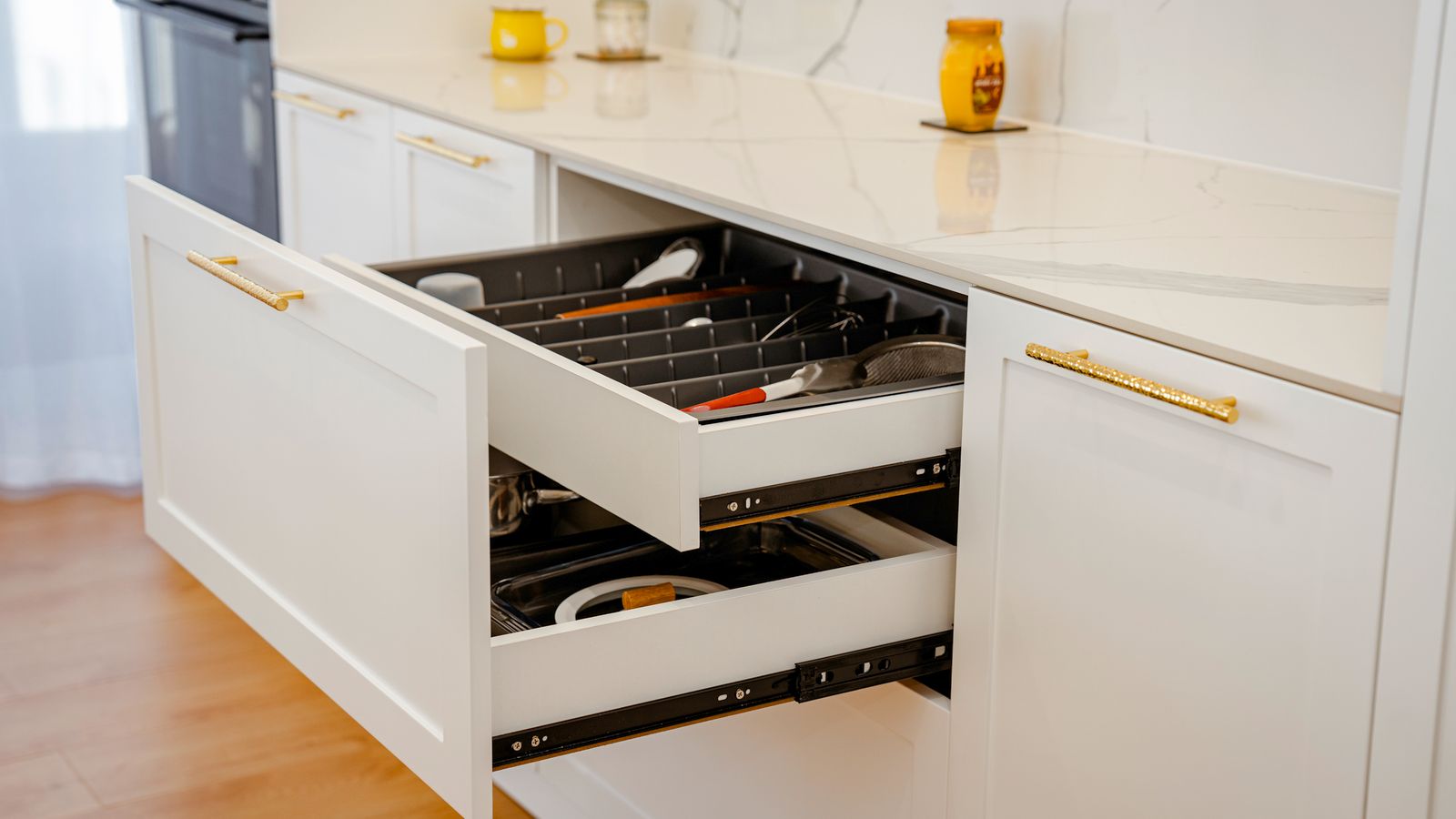
- Choose a storage location with enough clearance. Grill plates store best lying flat, either alone or with a protective liner between them and other cookware. A shallow kitchen drawer, a vertical pot-and-pan rack, or a dedicated shelf all work well. Avoid cramming the plate into a stack of mismatched pans where it can get scratched or bent.
- Add a protective layer between stacked cookware. If drawer or shelf space is tight and you must stack the grill plate with other pans, place a soft cloth, felt pan protector, or even a folded paper towel between each layer to prevent metal-on-metal contact.
- Keep it away from moisture and humidity. Avoid storing the plate near the sink, dishwasher, or in a damp under-cabinet area. Consistent humidity is one of the leading causes of rust on cast-iron and carbon-steel accessories.
- Store it near your air fryer or rotisserie accessories. Keeping the grill plate in the same general area as your other cooking accessories, such as your air fryer rotisserie kits, makes it far more likely you will actually use it regularly instead of forgetting it exists in the back of a cabinet.
Smart Storage Ideas for Small Kitchens
Not every kitchen has a spare drawer to dedicate to a single accessory. If counter and cabinet space is limited, consider these options:
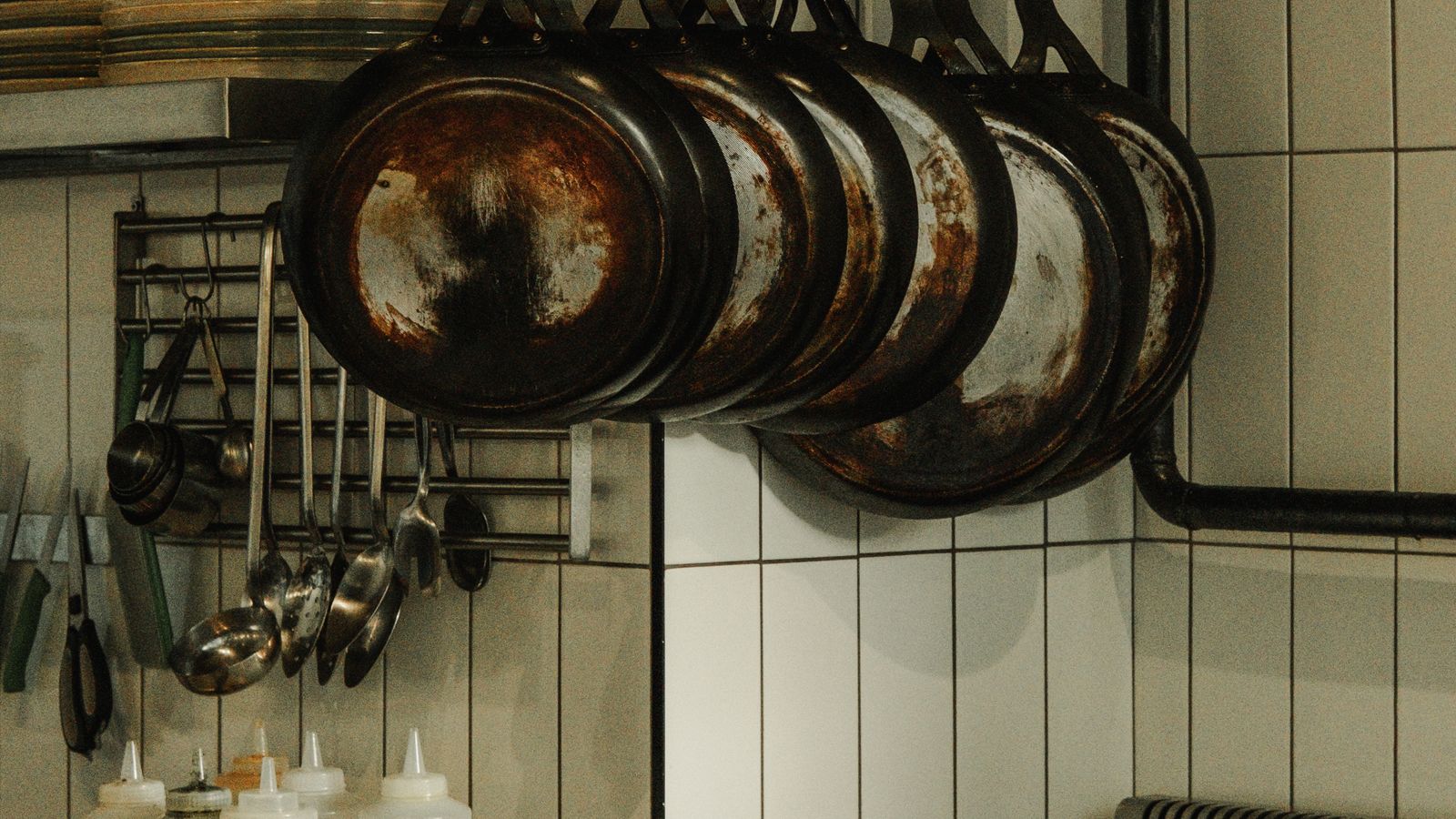
- Vertical dividers: A simple wire or bamboo divider turns a deep cabinet into vertical slots, letting you slide the grill plate in on its edge without it touching other pans.
- Repurposed oven racks: Some cooks use a spare wire rack turned on its side as an improvised vertical organizer. If you are shopping for a rack specifically for this purpose, a well-built option from a list of reliable oven racks can double as sturdy cookware storage.
- Over-the-door racks: Mounted inside a pantry or cabinet door, these give you a dedicated flat slot without using shelf space.
- Original packaging: If your grill plate came with a protective sleeve or box, reusing it keeps the plate dust-free and prevents scratches when stored alongside other cookware.
Common Storage Mistakes to Avoid
- Putting it away while still damp. Even a small amount of trapped moisture can cause rust spots on cast-iron or carbon-steel plates within days.
- Stacking it directly under heavy pots. The added weight and pressure can warp thin nonstick plates or chip ceramic coatings.
- Using metal scouring pads during cleaning. These strip away nonstick coatings far faster than a soft sponge, shortening the plate’s usable life.
- Storing near heat sources. A cabinet directly above the stove or oven can subject cookware to repeated temperature swings, which is hard on nonstick coatings over time.
- Forgetting to season bare metal plates. Skipping the light oil wipe-down on cast-iron or carbon-steel plates is one of the fastest ways to end up with surface rust.
How Often Should You Deep Clean Your Grill Plate?
A quick wash after every use is enough for day-to-day maintenance, but it is worth giving your grill plate a deeper clean every few weeks, especially if you cook fatty foods like burgers or sausages regularly. Soak the plate longer, scrub gently along the ridges where grease tends to build up, and inspect the coating for any early signs of wear. Catching a small scratch or thin spot early lets you adjust your cooking habits, such as using more oil or a silicone-tipped utensil, before the damage spreads.
Frequently Asked Questions
Can I stack my grill plate with other air fryer accessories?
You can, but always place a soft cloth or felt liner between the grill plate and anything stacked on top of it. Direct metal-on-metal contact is one of the most common causes of scratched nonstick coatings.
Is it safe to store a grill plate in the air fryer basket?
It is fine for short-term storage between uses, but it is not ideal long term since it keeps the basket occupied and can trap moisture in a confined space. A dedicated drawer or rack with airflow is a better long-term solution.
My grill plate has surface rust. Is it ruined?
Not necessarily. Light surface rust on cast-iron or carbon-steel plates can often be scrubbed off with a bit of steel wool and warm water, then reseasoned with a thin layer of oil. Deep pitting or rust that has spread across most of the surface is harder to reverse and may mean it is time to replace the plate.
Should I oil a nonstick-coated grill plate before storing it?
Generally no. Nonstick and ceramic coatings do not need seasoning the way bare cast iron does, and adding oil before storage can leave a sticky residue. Simply clean, dry thoroughly, and store.
How do I know when it’s time to replace my grill plate instead of keeping it in storage?
If the nonstick coating is flaking, the plate is visibly warped, or rust keeps returning no matter how well you dry and season it, it is time to browse a new one. Proper storage extends a grill plate’s life significantly, but it will not make a badly worn accessory perform like new again.
Final Thoughts
Storing your air fryer grill plate correctly is a small habit that pays off every time you reach for it. Let it cool, clean it thoroughly, dry it completely, and give it a dedicated spot away from moisture and heavy cookware. Whether you keep it in a shallow drawer, a vertical rack, or alongside your other air fryer accessories, a little consistency in how you store it will keep your grill plate performing well and looking good for years of weeknight dinners and weekend cookouts.