
If your kitchen counter is barely big enough for a coffee maker, a full-size air fryer can feel like a bad roommate: bulky, loud, and always in the way. But going small doesn’t mean giving up crispy fries, golden wings, or reheated leftovers. The trick is matching the appliance’s capacity and footprint to how you actually cook, not to the marketing photo of a family of six sharing a giant basket. This guide walks through the real challenges of cooking small batches in a small kitchen, the specs that matter most, and a step-by-step process for picking a machine you won’t regret.
Why Small-Batch Cooking in Small Spaces Is Its Own Challenge
Cooking for one or two people in a studio apartment or a tiny galley kitchen isn’t just “the same thing, but less.” It comes with a distinct set of trade-offs that larger households rarely think about.
Counter Space Is the Real Constraint
In many small kitchens, counter space is more precious than the appliance’s price tag. A 6-quart air fryer that looks reasonable in a showroom photo can swallow a third of your usable counter, crowd out your cutting board, and leave no room for a kettle or toaster. When you’re shopping, the footprint (width and depth) often matters more than the capacity number printed on the box.
Small Batches Need Precision, Not Just Power
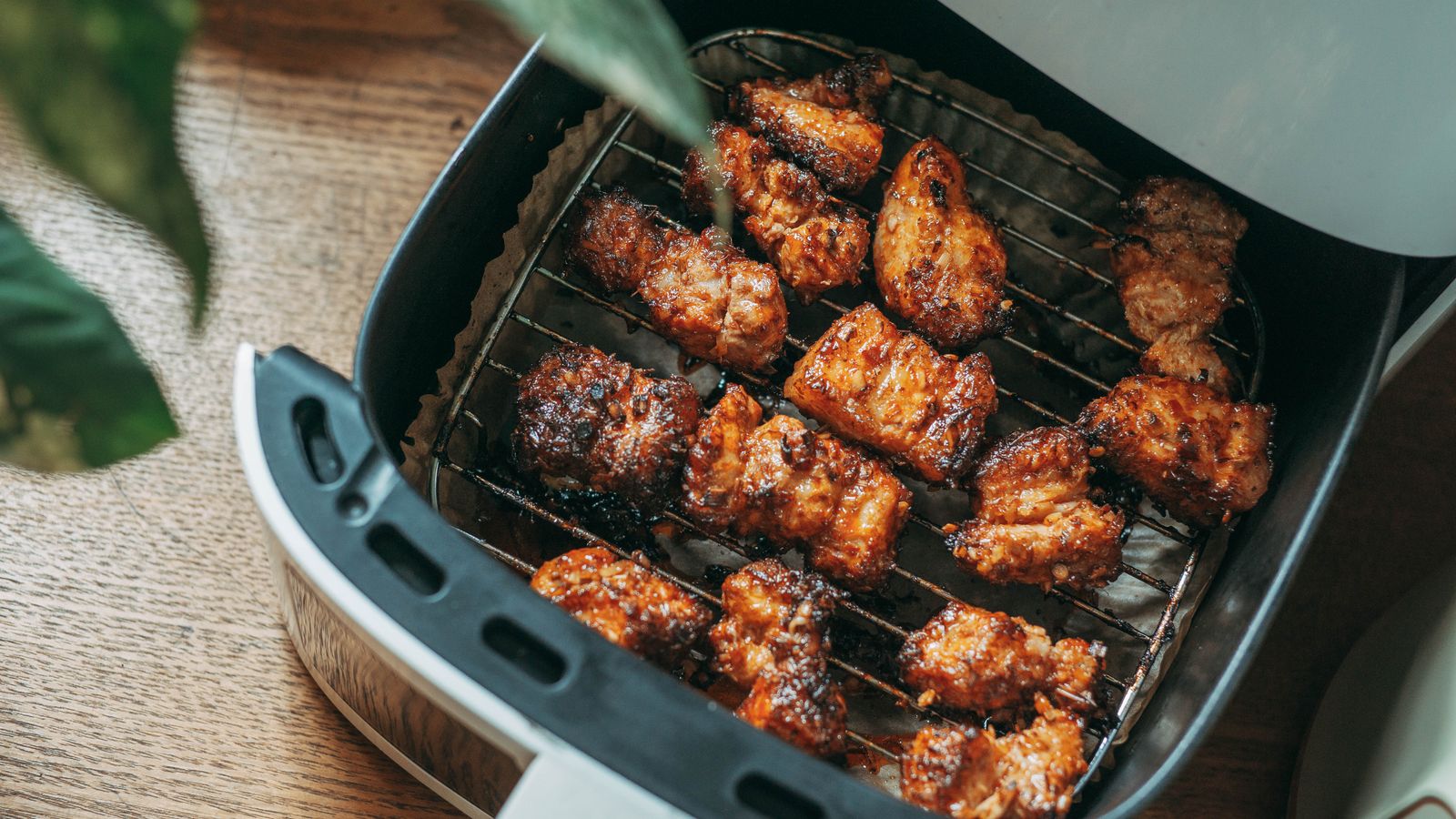
Cooking a single chicken breast or a handful of fries in an oversized basket often leads to uneven results – food shifts around, hot air circulates unevenly, and thin items overcook at the edges while staying pale in the middle. Compact baskets and drawers designed for smaller portions tend to concentrate heat more efficiently over a smaller surface area, giving you more consistent, crisp results for one or two servings.
Storage and Noise Matter More Than You’d Think
In a small space, an appliance that needs to be unplugged and put away after every use is a burden. Weight, handle design, and cord length all affect how easily you can tuck it into a cabinet. Fan noise is also amplified in a compact apartment where the kitchen, living room, and workspace are often the same room.
Selection Criteria: What Actually Matters for Small Batches and Small Spaces
Once you understand the challenges, the shopping criteria become much clearer. Here’s what to prioritize.
Capacity: Aim for 2-4 Quarts
For one person, a 2-3 quart basket is usually plenty. For two people or the occasional guest, 3.5-4 quarts strikes a good balance between real cooking capacity and a manageable footprint. Anything larger tends to defeat the purpose of “small space” shopping unless you genuinely batch-cook for the week.
Footprint and Shape
Look at width and depth, not just capacity in quarts. Tall, narrow cylindrical models often take up less counter real estate than wide oval or rectangular baskets, even at similar capacity. If you have a shallow counter or need to slide the unit under an upper cabinet, measure your available space before you buy.
Basket Design for Even Small-Batch Results
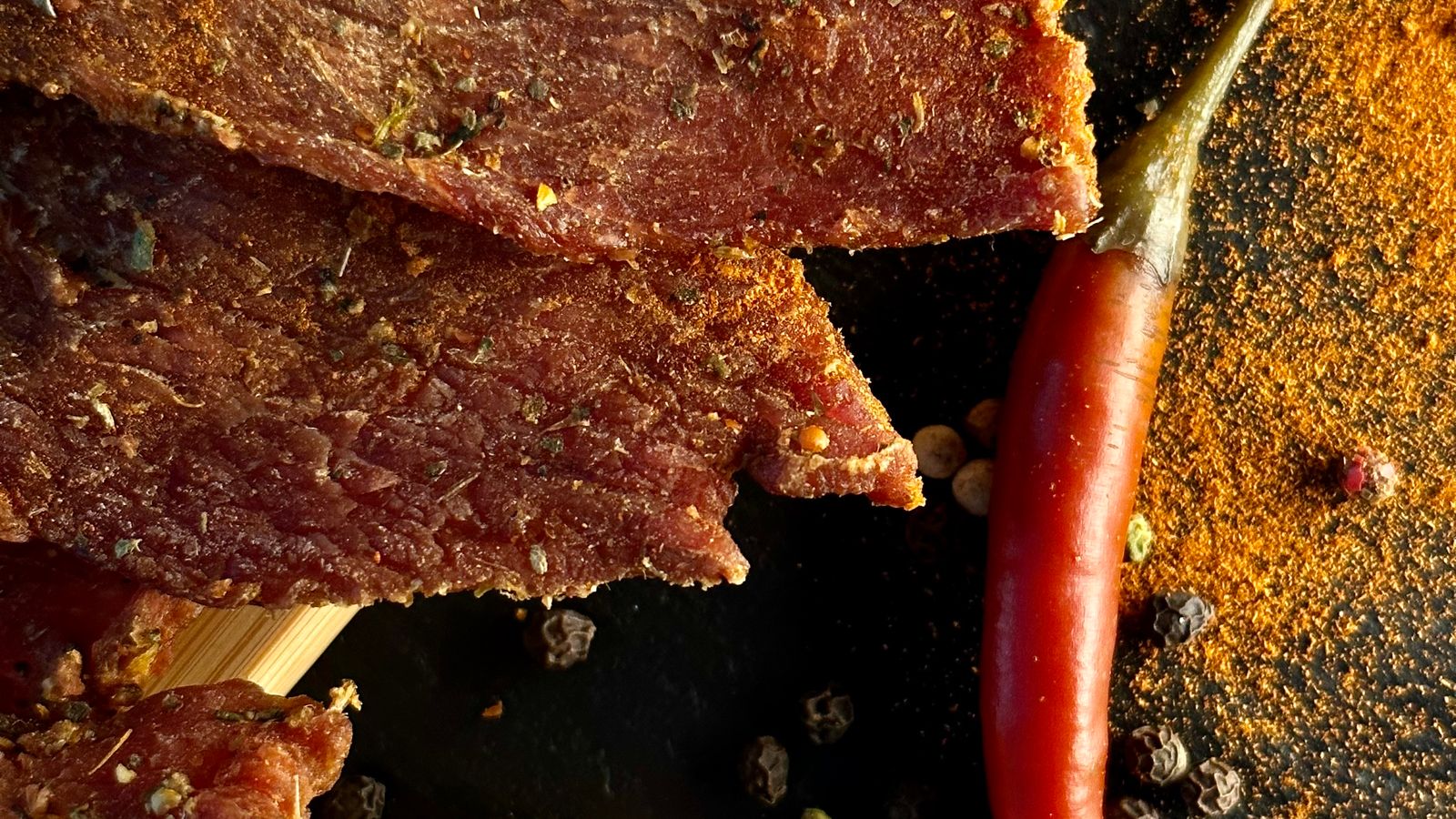
A basket with a slightly smaller diameter concentrates hot air more effectively around a small portion of food, which helps with crisping thin cuts of meat, small batches of vegetables, or jerky-style dehydrating. If you plan to make dried snacks, look for models with a wide temperature range down to around 120-140°F, since that low-heat range is what makes air fryers for jerky genuinely useful rather than just a basket that only fries.
Preset Versatility Without Bulk
Many compact models now include presets for baking, reheating, and dehydrating in addition to standard frying. If you enjoy baking small loaves or rolls at home, it’s worth checking whether the unit’s basket or tray shape can accommodate a small baking pan – some of the better air fryers for bread use a slightly deeper or squarer basket that still keeps a compact footprint.
Ease of Cleaning
Smaller kitchens usually mean smaller sinks and less dish-drying space. A dishwasher-safe basket and a non-stick coating that doesn’t require heavy scrubbing will save real time and counter clutter over months of daily use.
How to Pick the Right Air Fryer: Step-by-Step
- Measure your available space first. Use a tape measure on the actual counter spot, cabinet shelf, or pantry corner where the appliance will live, both in use and in storage. Write down the maximum width, depth, and height you can spare.
- Decide how many people you’re really cooking for. Be honest about whether you cook solo most nights or occasionally host a second person. This determines whether 2-quart or 4-quart capacity makes more sense.
- List the foods you cook most often. If frozen snacks and reheating leftovers make up 80% of your usage, prioritize a simple, compact basket model. If you want to branch into dehydrating snacks, prioritize a wide low-temperature range and check out dedicated air fryers for jerky for reference on what specs matter.
- Compare basket shape, not just quart size. Two models with the same capacity can have very different footprints. A tall, narrow basket often fits better on a small counter than a wide, shallow one.
- Check the control panel type. Simple dial controls tend to be more compact and often cheaper than large touchscreen panels, which can add unnecessary bulk for a single-serving appliance.
- Confirm it’s easy to store. Look at the weight and whether the handle or shape makes it comfortable to lift in and out of a cabinet. A lighter, more compact unit is easier to make part of your daily routine instead of leaving out permanently.
- Review real small-batch curated picks. Rather than sorting through every listing yourself, start from a shortlist built specifically for portion control, like these air fryers for small batches, and narrow down from there based on your space and feature priorities.
Tips for Getting the Most Out of a Compact Air Fryer
- Don’t overcrowd the basket. Even in a small unit, food needs space for hot air to circulate. Cook in two short batches rather than piling everything in at once.
- Shake or flip halfway through. Compact baskets cook fast, so a quick shake at the midpoint helps small portions crisp evenly on all sides.
- Preheat briefly for crispier results. A two- to three-minute preheat on small units can noticeably improve texture on items like fries or wings without adding much to total cook time.
- Use parchment liners or trays for baking. If you’re using your air fryer for small loaves or rolls, a properly sized liner keeps batter contained and makes cleanup faster.
- Store it where you’ll actually use it. An appliance buried at the back of a cabinet gets used less. If counter space allows even a small dedicated spot, you’ll reach for it more often.
Common Mistakes to Avoid
- Buying based on capacity alone. A 5-quart machine that barely fits your counter isn’t a win just because it has a bigger number on the box.
- Ignoring the low end of the temperature range. If you want to dehydrate snacks, a unit that can’t drop below 200°F won’t work well for that purpose, no matter how good it is at frying.
- Skipping the footprint measurement. It’s easy to fall for a good price online and discover later that the unit doesn’t fit under your cabinets or beside your sink.
- Overloading a small basket. Cramming a family-sized portion into a compact basket leads to soggy, unevenly cooked food and defeats the purpose of buying a precision small-batch appliance.
- Choosing style over practicality. A sleek design is nice, but if the basket shape doesn’t suit your actual cooking habits, you’ll be disappointed within a few weeks.
Frequently Asked Questions
What size air fryer is best for one or two people?
A 2- to 4-quart capacity is generally ideal for single servings or small households. It’s large enough to cook a real portion without overcrowding, while staying compact enough for tight counters and cabinets.
Can a small air fryer still make crispy food?
Yes, and often more evenly than a larger unit used for a small portion. A properly sized basket concentrates hot air more effectively around less food, which usually results in more consistent crisping.
Is a compact air fryer good for dehydrating snacks like jerky?
Many compact models handle light dehydrating well if they offer a low-temperature setting, typically in the 120-140°F range. If dehydrating is a priority, check the temperature range carefully before buying, or look at dedicated jerky-focused options.
Do smaller air fryers cook faster than larger ones?
Often, yes. Less interior volume means the unit reaches temperature faster and hot air reaches the food more directly, which can shave a few minutes off cook times compared with a larger basket cooking the same portion.
How do I know if an air fryer will actually fit my kitchen?
Measure your intended counter spot or storage shelf before shopping, including height clearance if it will sit under a cabinet. Compare those measurements against the product’s listed width, depth, and height rather than relying on capacity in quarts alone.
Final Thoughts
Picking the right air fryer for small batches and small spaces comes down to matching real measurements and real cooking habits to the spec sheet, rather than chasing the biggest basket on the shelf. Start by measuring your space, get honest about how many servings you actually cook, and prioritize basket design and temperature range over raw capacity. With those priorities in place, browsing a curated list of air fryers for small batches becomes a much faster, more confident process – and you’ll end up with a machine that earns its spot on your counter instead of gathering dust in a cabinet.