
Cooking in a compact kitchen means every inch of counter and cabinet space matters, and an oversized accessory can turn a simple dinner into a game of Tetris. If your air fryer already eats up half your counter, the last thing you want is a tray that won’t fit your drawers, your dishwasher, or your storage shelf. Picking the right air fryer tray for a small space is about more than just capacity – it’s about dimensions, stackability, material, and how well the tray works with the appliance you already own.
This guide walks through exactly what to check before you buy, so you end up with a tray that fits your kitchen instead of fighting it.
Why Small Kitchens Need a Different Approach to Trays
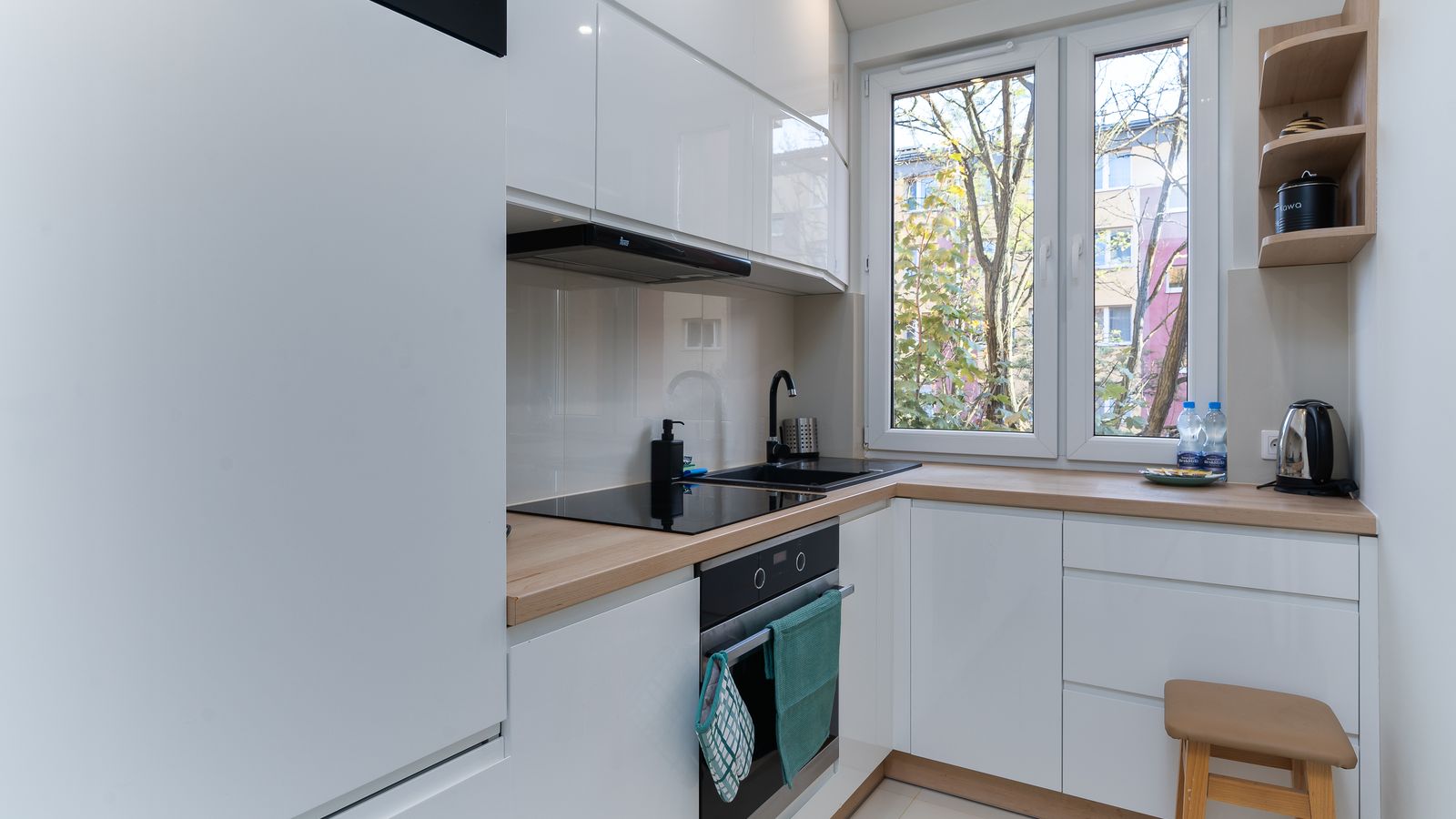
In a full-size kitchen, an extra tray or two barely registers. In a studio apartment, a galley kitchen, or a dorm room, every accessory competes for the same handful of drawers and shelves. A tray that’s slightly too wide can jam a drawer shut, and a tray that doesn’t nest with your existing basket wastes vertical space you don’t have.
Small-space cooks also tend to own compact air fryers – often 2 to 4 quart models – which means standard trays sized for 8-quart ovens simply won’t fit inside the basket at all. Before you shop, you need to know your appliance’s exact interior dimensions, not just its overall capacity rating.
Key Criteria for a Compact Air Fryer Tray
1. Interior Basket Dimensions, Not Just Capacity
Two air fryers with the same quart rating can have very different basket shapes – one round, one square, one deeper than it is wide. Measure the diameter or width and depth of your basket before shopping, and compare it against the tray’s listed dimensions rather than relying on the “fits most air fryers” claim printed on the packaging.
2. Stackability
Look for trays designed to stack inside one another or inside your existing basket. Nesting trays, tiered racks, and flat trays that slide into a single drawer slot all help you store more accessories in less space. Avoid bulky, single-purpose trays with handles or feet that prevent stacking.
3. Material and Weight
Lightweight stainless steel and silicone trays are easier to store upright in narrow gaps between cabinets, while heavier cast pieces need a dedicated flat shelf. Silicone trays in particular can be rolled or folded flat, which is a real advantage if your storage space is limited to a single drawer.
4. Multi-Purpose Design
A tray that doubles as a baking pan, dehydrator rack, or grill mat lets you replace two or three single-use accessories with one item. In a small kitchen, versatility often matters more than having the “perfect” tray for every recipe.
5. Dishwasher and Cleaning Convenience
If your kitchen doesn’t have room for a large drying rack, prioritize trays that are dishwasher-safe or that clean up quickly by hand. A tray that needs to air-dry on the counter for hours adds to the clutter you’re trying to avoid.
Step-by-Step: How to Choose the Right Tray
- Measure your air fryer’s interior basket – width, depth, and height – with a tape measure rather than trusting marketing dimensions.
- Identify your storage spot – a drawer, a shelf, or a hook – and measure that space too, so you know the tray will actually fit once you’re done cooking.
- Decide what you’ll actually cook most often. If it’s mainly reheating and roasting vegetables, a simple flat tray covers most needs. If you bake or dehydrate regularly, look at multi-tier or perforated options.
- Compare materials based on your cleanup routine – dishwasher-safe stainless steel or silicone if you want low-maintenance care, or an anodized aluminum tray if you prioritize even heat distribution.
- Check compatibility with replacement parts. If your current basket is worn or warped, it may be worth pairing a new tray purchase with one of the air fryer replacement baskets designed for compact models.
- Browse curated options rather than guessing – a roundup of tested air fryer trays can save you from buying a tray that turns out to be too large once it arrives.
- Test the fit before committing to a routine. Place the tray inside the basket and in your storage spot before you build recipes around it.
Tips for Making the Most of a Small-Space Tray Setup
- Use vertical storage – a slim tray can often be stood on its edge in a narrow gap between the fridge and a cabinet.
- Choose one multi-purpose tray instead of three specialized ones if drawer space is tight.
- If you also use a toaster oven alongside your air fryer, coordinating accessories can help – pairing your setup with one of the toaster oven covers keeps dust off stacked appliances and protects trays stored on top of the unit.
- Label or color-code trays if you own more than one size, so you’re not unstacking the whole pile to find the right one.
- Hang lightweight silicone trays on a hook rather than storing them flat, freeing up drawer space entirely.
Common Mistakes to Avoid
- Buying by capacity alone. A tray rated for “6-8 quart” fryers may still be physically too wide for your specific basket shape.
- Ignoring handle clearance. Some trays have raised handles that prevent the basket lid or drawer from closing fully.
- Overbuying accessories. Stockpiling every tray shape available leads to more clutter, not more convenience, in a small kitchen.
- Skipping the material check. Non-stick coatings can wear out faster under daily use in a heavily used single-tray setup, so choose a durable material if you’ll rely on it often.
- Forgetting to measure your storage space. A tray that fits the basket perfectly but not your drawer just creates a new clutter problem.

Frequently Asked Questions
What size tray works best for a small air fryer?
For compact 2-4 quart air fryers, look for trays under about 8 inches in diameter or width. Always confirm against your specific basket’s interior measurements rather than the fryer’s overall footprint.
Can I use one tray for multiple cooking tasks?
Yes. Flat perforated trays work well for roasting, reheating, and light baking, making them a practical single-tray solution for kitchens without room for a full accessory set.
Is silicone or stainless steel better for small spaces?
Silicone is lighter, flexible, and easier to tuck into a drawer, while stainless steel is more durable and better for high-heat cooking. Choose based on your available storage and how often you cook.
Do I need a different tray if I switch air fryer brands?
Possibly. Basket shapes vary by brand and model, so always re-measure before assuming a tray that fit your old unit will fit a new one.
How do I store trays if I don’t have a spare drawer?
Consider hanging lightweight trays on a hook, standing them upright in a narrow cabinet gap, or nesting them inside your air fryer basket itself when not in use.
Quick Checklist Before You Buy
- Have you measured the interior width, depth, and height of your air fryer basket, not just its rated capacity?
- Do you know exactly where the tray will be stored once it’s clean – a specific drawer, hook, or shelf?
- Does the tray stack with or nest inside your existing basket rather than needing its own separate storage spot?
- Is the material easy to clean given your kitchen’s limited counter and drying space?
- Could one multi-purpose tray replace two or three single-use accessories you were considering?
Running through this checklist takes a couple of minutes but saves you from the common small-kitchen problem of accumulating accessories that never quite fit anywhere. It’s also worth revisiting your existing setup periodically – accessories that worked when you first bought your air fryer may no longer suit your current basket if you’ve since upgraded the appliance itself.
Final Thoughts
Choosing the right air fryer tray for a small kitchen comes down to precise measurements, smart material choices, and picking accessories that do double duty. Take the time to measure both your appliance and your storage space before buying, and favor stackable, lightweight designs over bulky single-purpose trays. With the right tray, even the smallest kitchen can cook like a much bigger one.