
If your kitchen counter has slowly filled up with a compact air fryer oven, a toaster oven air fryer, and maybe even a countertop model with a broil setting, you are not alone. Air fryer technology has splintered into so many overlapping formats that most home cooks end up owning two or three appliances that all promise the same crispy results. The real challenge isn’t buying more gear – it’s organizing the feature set you already have so each appliance earns its counter space and gets used for the job it does best.
This guide walks through how to evaluate your current air fryer lineup, decide which features actually matter to your cooking habits, and build a simple system for storing, rotating, and choosing between your compact air fryer oven, toaster oven air fryer, and any broil-capable unit you own.
Why Organizing Your Feature Set Matters
Countertop space is one of the most contested resources in any kitchen. When multiple air fryer appliances sit side by side without a clear plan, three problems tend to show up:
- Duplicate functions. A compact air fryer oven and a toaster oven air fryer often overlap heavily – both roast, both toast, both air fry – so without a plan you end up using whichever one is closest instead of the one best suited to the meal.
- Wasted counter real estate. Large multi-function units take up significant footprint. If you’re not using every feature regularly, that space could go toward prep area or a second appliance you actually reach for daily.
- Slower decision-making. Standing in front of two or three similar-looking machines and trying to decide which one to use adds friction to weeknight cooking.
A little organization solves all three. Once you know exactly what each appliance is for, you stop hesitating and start cooking.
Know What Each Appliance Type Actually Does
Before you can organize a feature set, you need a clear picture of what each category brings to the table.
Compact Air Fryer Ovens
These are small countertop ovens with air-frying capability built in, usually with a front door instead of a pull-out basket. They tend to offer more even airflow around larger food items, multiple rack positions, and often a rotisserie or dehydrate setting. Because they’re designed to be space-efficient, they’re a strong choice for smaller kitchens or apartment counters. If you’re deciding whether this format fits your space, the roundup of compact air fryer ovens breaks down the top-rated models by footprint and capacity.
Toaster Oven Air Fryers
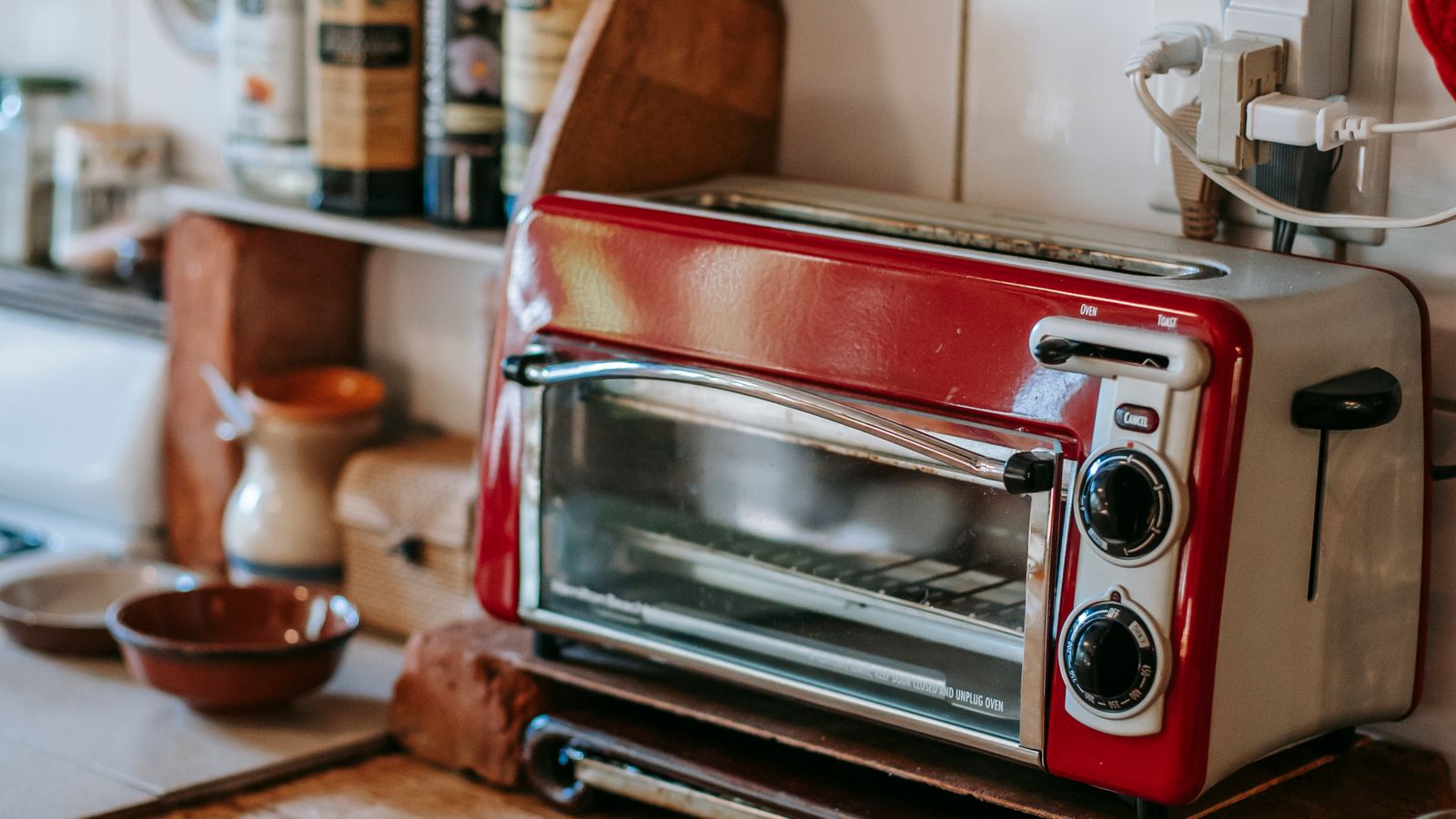
This category blends a traditional toaster oven with air-frying functionality, giving you toast, bake, broil, and air fry in one unit. They’re the most versatile single appliance for a kitchen that wants to cut down on machine count, since they can replace a standalone toaster, a small oven, and an air fryer basket. For a closer look at which models balance versatility with reliable air frying, check the guide to toaster oven air fryers.
Broil-Capable Air Fryers
Not every air fryer includes a true broil setting, but the ones that do add real value for finishing dishes – melting cheese, crisping skin, or browning the top of a casserole after air frying. If browning and finishing touches matter to your cooking style, it’s worth comparing options in the list of air fryers with broil settings.
Step-by-Step: Organizing Your Air Fryer Feature Set
Step 1: Audit What You Own
List every air-frying appliance currently in your kitchen, along with its core features (basket vs. door style, capacity in quarts or liters, presets, broil setting, rotisserie, dehydrate). Note how often you actually use each one in a typical week. This audit almost always reveals at least one appliance that’s underused.
Step 2: Identify Feature Overlap
Compare your list side by side. If your compact air fryer oven and toaster oven air fryer both offer air frying, toasting, and baking, you have genuine overlap. Decide which unit handles which task going forward – for example, the toaster oven air fryer for breakfast items and quick reheating, the compact air fryer oven for larger dinner batches like a whole chicken or a tray of vegetables.
Step 3: Assign a Primary Role to Each Appliance
Give each machine one clear job so you’re not choosing between them every time you cook:
- Compact air fryer oven – main air frying and roasting for weeknight dinners and larger batches.
- Toaster oven air fryer – breakfast, snacks, reheating leftovers, and small single-serving meals.
- Broil-capable unit (if separate) – finishing touches, melting cheese, or browning tops after the main cook.
Once each appliance has a defined role, decision fatigue disappears – you already know which one to reach for.
Step 4: Set Up a Counter Zone for Daily-Use Appliances
Keep only the one or two appliances you use most on the counter, ideally near an outlet and away from the stovetop’s heat and grease. Everything else can be stored in a nearby cabinet or on a rolling cart, ready to pull out when needed.
Step 5: Create a Simple Storage System for Less-Used Units
For appliances used only occasionally – like a rotisserie-focused compact oven brought out for weekend cooking – store them with their accessories (racks, trays, rotisserie forks) bundled together in a bin or on a labeled shelf. This prevents the scramble of hunting for a missing basket right before dinner.
Step 6: Build a Simple Decision Rule
Write yourself a one-line rule for each common meal type, such as: “Frozen snacks and toast → toaster oven air fryer. Family-sized dinners → compact air fryer oven. Anything needing a browned top → broil setting.” Stick it on the inside of a cabinet door until it becomes second nature.
Tips for Keeping the System Working Long-Term
- Revisit your audit every few months. Cooking habits change with the seasons – a rotisserie feature might get more use around the holidays, for example.
- Clean and store accessories immediately after use. Racks, crumb trays, and rotisserie parts get lost fastest when they’re set aside “for later.”
- Match appliance size to typical batch size. If you’re consistently overloading a smaller basket, that’s a sign your compact air fryer oven should take over that task.
- Use vertical storage. A stackable shelf riser inside a cabinet can double your storage for flat trays and racks without adding counter clutter.
Common Mistakes to Avoid
- Keeping every appliance on the counter “just in case.” This clutters your workspace and makes cleaning harder without adding any real convenience.
- Buying a new appliance instead of reassigning an existing one. Before purchasing another unit, check whether one of your current appliances already covers the feature you’re missing, like a broil setting.
- Ignoring capacity mismatches. Using a small toaster oven air fryer to cook a large family meal leads to uneven results and longer cook times – that’s a job for a larger compact air fryer oven.
- Not labeling accessories. When trays and racks from different appliances get mixed together, it’s easy to grab the wrong size and damage food or the unit itself.
Frequently Asked Questions
Do I really need both a compact air fryer oven and a toaster oven air fryer?
Not necessarily. If your household mostly cooks single servings or breakfast items, a toaster oven air fryer alone may cover your needs. Larger households or anyone who batch-cooks regularly will likely benefit from also having a compact air fryer oven for bigger capacity.
What if my current air fryer doesn’t have a broil setting?
A dedicated broil-capable model can fill that gap without replacing your existing appliances. It’s worth adding only if you frequently want a browned or crisped top on finished dishes.
How much counter space should I dedicate to air fryer appliances?
Aim to keep only your one or two most-used appliances on the counter permanently. Everything else can live in a cabinet or on a cart and still be within easy reach.
How often should I reassess my appliance lineup?
A quick review every few months is usually enough, especially after a change in routine, a new recipe habit, or a seasonal shift in what you’re cooking most.
Final Thoughts
Organizing your air fryer feature set isn’t about owning fewer appliances – it’s about knowing exactly what each one is for so your kitchen runs smoothly. By auditing what you have, assigning clear roles to your compact air fryer oven, toaster oven air fryer, and any broil-capable unit, and setting up a simple storage system, you’ll spend less time deciding and more time cooking. If you’re still filling gaps in your lineup, the linked guides above are a good starting point for finding the right model for each role.