
Shopping for an air fryer used to mean picking a basket size and a wattage. Today it also means deciding what kind of cooking you actually want to do – because two very different feature sets now get marketed under the same “air fryer” umbrella. A dual-basket air fryer is built to cook two different foods at two different settings at the same time, while an air fryer set up for roasting nuts is judged on gentler, more even heat that won’t scorch delicate ingredients. Confusing the two categories is one of the most common reasons buyers end up disappointed with their purchase.
This guide walks through what each type of air fryer actually offers, the practical differences that matter in daily use, and a simple decision process to help you land on the right one before you buy.
What a Two-Basket Air Fryer Is Designed For
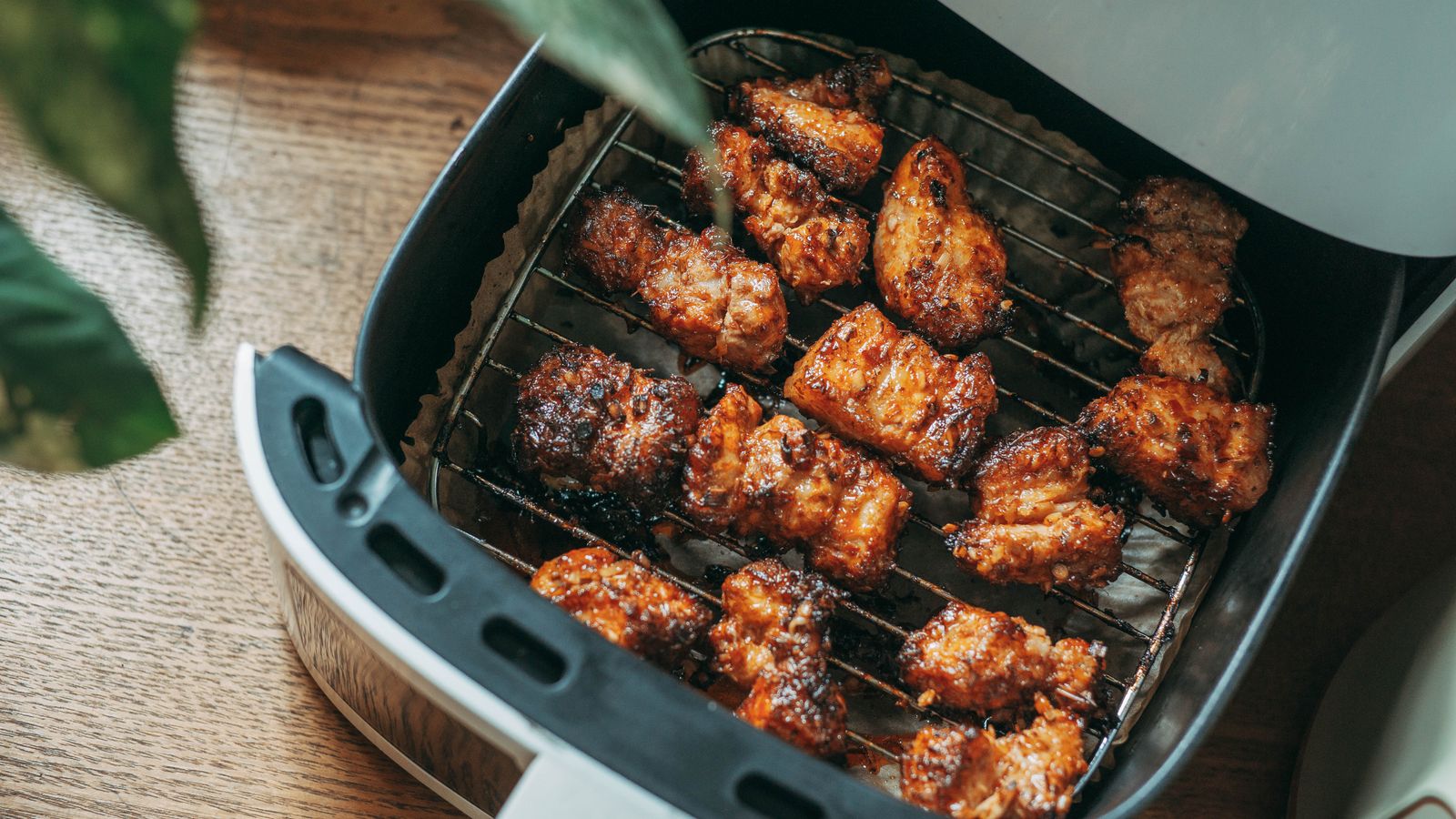
A two-basket (or dual-zone) air fryer has two separate cooking compartments, each with its own heating element, fan, and controls. That means you can run chicken wings at 400°F in one basket while roasting vegetables at 375°F in the other, and have both finish at the same time thanks to a “match cook” or “sync finish” function found on most models.
The appeal is speed and convenience for households cooking more than one dish per meal. Instead of air frying a protein, waiting, then air frying a side separately, you cook both in parallel. The tradeoff is that each basket is smaller than a single large-capacity fryer, so very bulky items – a whole chicken, a large batch of fries for a crowd – may not fit as easily in either compartment.
If your typical cooking routine looks like “protein plus side” on a weeknight, this category solves a real, recurring problem. If you mostly cook one dish per meal or batch-cook in bulk, the dual-zone advantage matters less.
What an Air Fryer for Roasted Nuts Needs to Offer
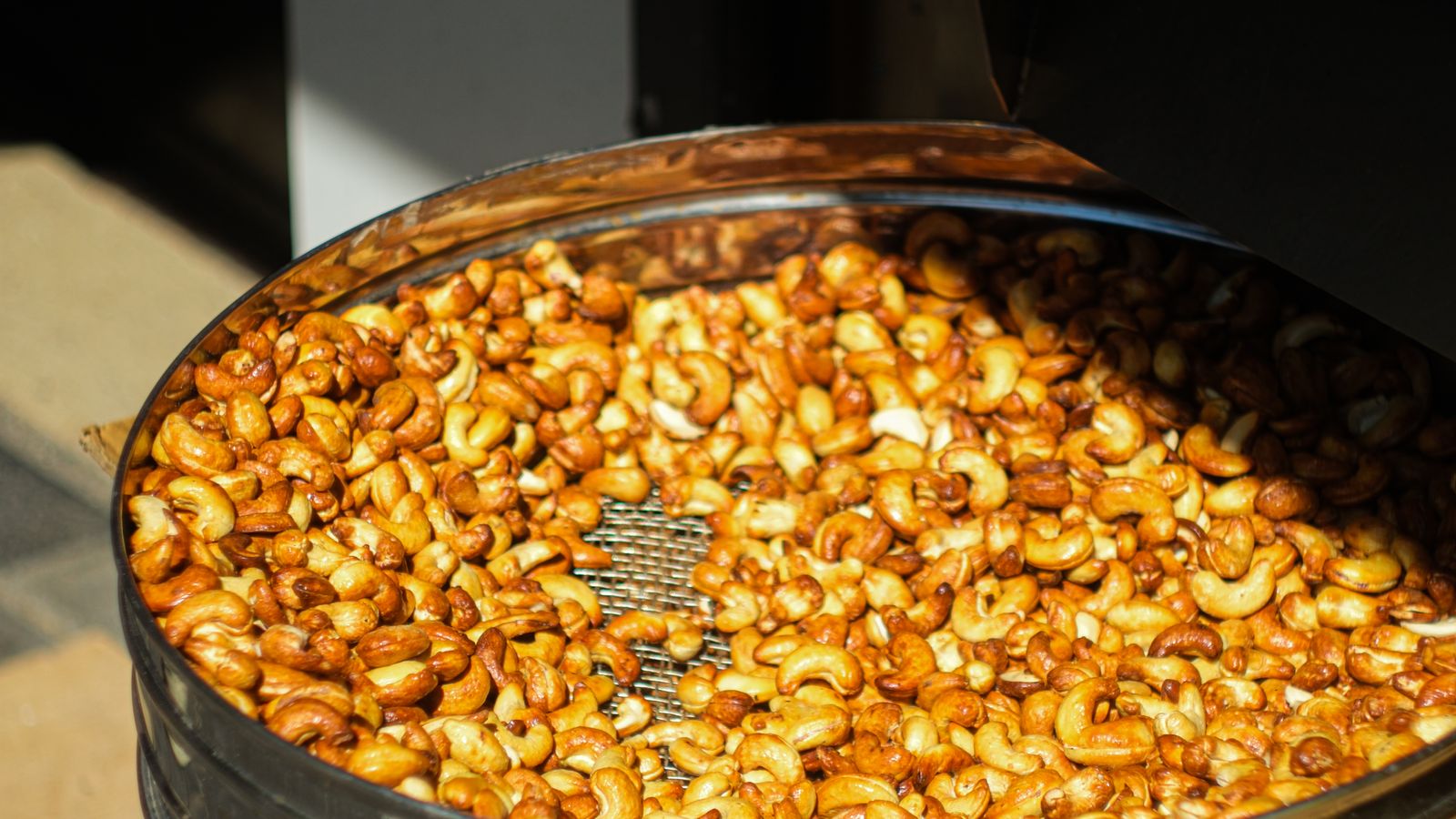
Roasting nuts in an air fryer is a different challenge than crisping frozen fries or reheating leftovers. Nuts have a high oil content and a thin surface, which means they go from golden to burnt in a narrow window. The features that matter here are:
- Precise, low-temperature settings – ideally adjustable in 5-10°F increments in the 300-325°F range, since most nut roasting happens well below typical fry temperatures.
- Gentle, even airflow – a fan that circulates air without blasting small, lightweight pieces around the basket or into the heating element.
- A see-through window or quick-check lid – nuts need frequent visual checks, and losing heat by opening a drawer repeatedly slows the process and dries results unevenly.
- Small-batch capacity – a shallow basket lets nuts roast in a single layer, which is what produces even color and prevents steaming.
Models marketed specifically toward snack roasting, dehydrating, or delicate baking tend to have finer temperature control than general-purpose fryers built primarily for speed-frying frozen foods.
The Core Differences That Actually Matter
On paper, both are “air fryers,” but the engineering priorities pull in different directions:
Temperature Range and Control
Dual-basket models are usually optimized for the higher end of the range – 375°F to 450°F – because that’s where fries, wings, and frozen foods perform best. Fine control at the low end (below 325°F) is sometimes an afterthought. A dedicated roasting-friendly fryer usually has smoother low-temperature control, which is exactly what nuts need.
Airflow Strength
Dual-zone fryers often use stronger fans to hit high temperatures fast and crisp food in each compartment independently. That strong airflow can scatter light ingredients like nuts, seeds, or shredded coconut. A gentler fan setting, or a model that lets you dial down fan speed, is more forgiving for roasting.
Basket Depth and Layer Thickness
Two-basket units divide total capacity between compartments, which can actually help with nuts (smaller batches, thinner layers) – but only if the baskets are shallow enough. Deep, narrow baskets meant for stacking fries will bury nuts in an uneven pile.
Monitoring and Interruption
Because nuts need to be checked and shaken every few minutes, a fryer with a fast-reheat recovery time and an easy-to-open drawer matters more for roasting than for a two-zone dinner routine, where each basket typically runs undisturbed for the full cycle.
How to Decide Which One You Need: A Step-by-Step Process
- List your three most common air fryer meals. If two of them involve cooking a protein and a side simultaneously, weight your decision toward a dual-basket model.
- Think about snack and pantry habits. If you regularly roast your own nuts, seeds, or small-batch granola, prioritize fine low-temperature control and a shallow basket over dual-zone convenience.
- Check the stated minimum temperature. Anything that can’t comfortably go below 300°F in usable increments will make nut roasting harder, regardless of how many baskets it has.
- Consider counter space and household size. Dual-basket units are physically larger. If space is tight and you rarely cook two dishes at once, a single-basket model with a wide temperature range may serve both purposes better.
- Decide if you need both. Some households genuinely use both – a dual-zone fryer for weeknight dinners and a smaller single-basket unit reserved for snacks and roasting. That’s a reasonable setup if your kitchen has room for it.
- Match your decision to real listings. Once you know your priority, compare current air fryers for two baskets at once against dedicated air fryers for roasted nuts to see how the temperature ranges and basket depths actually compare model to model.
Tips for Getting Good Results From Either Type
- Preheat briefly (2-3 minutes) before adding food, even for low-temperature nut roasting – a cold basket slows the first few minutes and leads to uneven color.
- Shake or stir nuts every 3-4 minutes rather than waiting until the timer ends; they carry residual heat and keep browning after you pull them out.
- When running a dual-basket fryer, choose foods with similar total cook times for the sync-cook feature, or start the longer item a few minutes ahead manually.
- Line baskets with a light coat of oil spray for nuts to help even browning, but avoid pooling oil, which causes smoking at lower temperatures too.
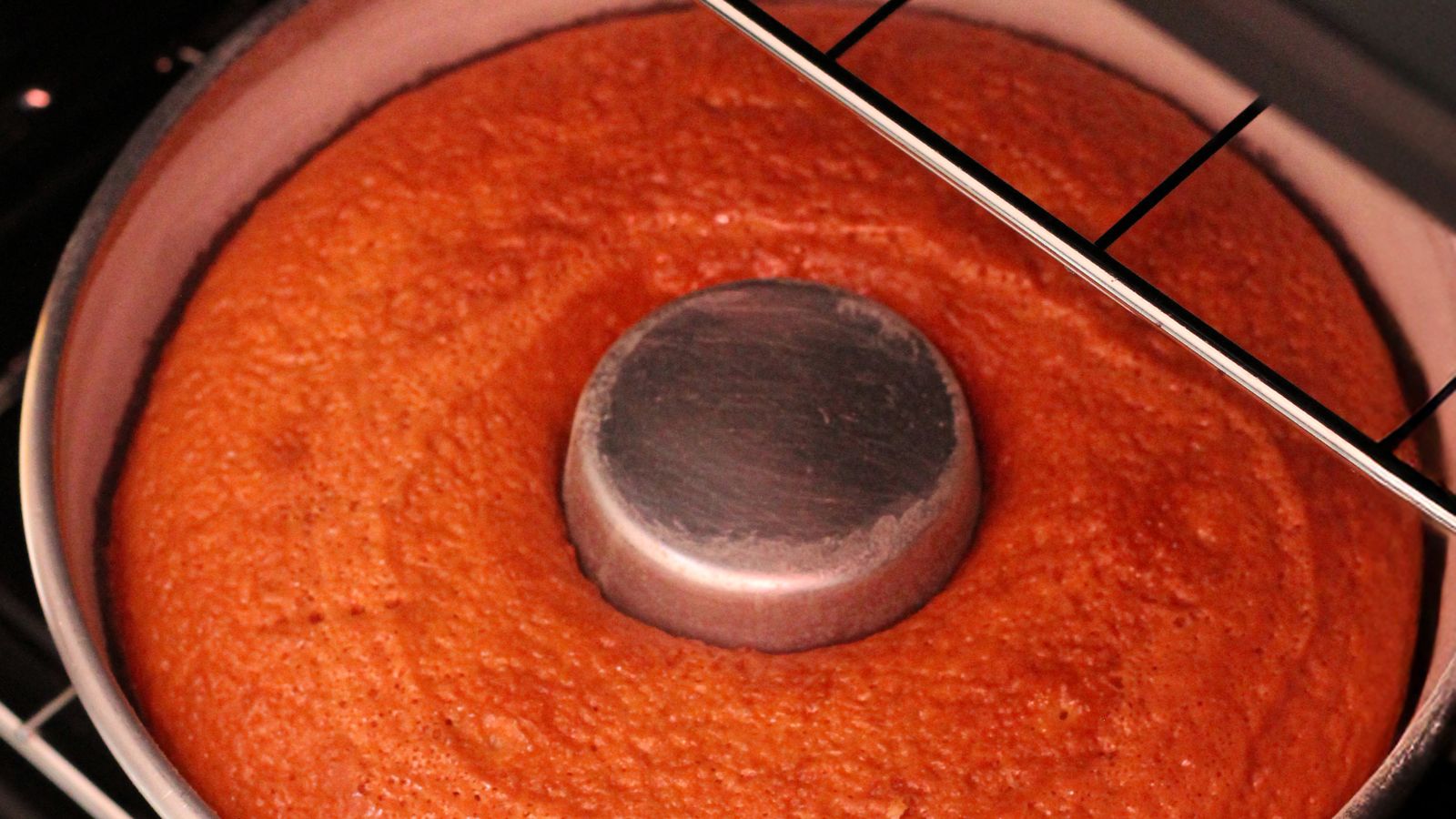
- If you bake as well as roast, a fryer with a stable low-to-mid range is also worth checking against options built for delicate items like cakes – see air fryers for cakes for models known to hold gentle, even heat.
Common Mistakes to Avoid
- Assuming more baskets means more control. A second compartment adds convenience for parallel cooking, not necessarily finer temperature precision – check the actual temperature increments before assuming it’s more versatile.
- Roasting nuts at fry-standard temperatures. Running nuts at 375°F or higher because “that’s what the fryer defaults to” is the single most common cause of burnt batches.
- Overfilling either basket. Crowding defeats the purpose of air circulation in both use cases – food steams instead of crisping or roasting evenly.
- Ignoring basket depth for small ingredients. A deep basket built for stacking fries will let nuts pile up and roast unevenly no matter how good the temperature control is.
- Buying based on capacity alone. Total quart capacity tells you little about temperature precision, fan gentleness, or basket shape – the details that actually decide whether nuts or cakes turn out well.
Frequently Asked Questions
Can a dual-basket air fryer roast nuts well?
Often yes, especially if one of its two zones supports a low enough temperature and gentle airflow. Check the minimum temperature setting for each zone individually, since some dual-zone models only optimize one basket for low-heat cooking.
Do I need two separate air fryers?
Not necessarily. Many single-basket air fryers with a wide temperature range handle both weeknight dinners and occasional nut roasting reasonably well. Two units make more sense only if you frequently need both functions at the same time.
What temperature is best for roasting nuts in an air fryer?
Most nuts roast well between 300°F and 325°F for 6-10 minutes, with shaking every few minutes. Delicate nuts like pine nuts or slivered almonds do best nearer the lower end of that range.
Will a fryer built for two baskets work for baking a cake?
It can, provided the compartment has stable, even low-heat performance and enough headroom for a cake pan. If baking is a regular priority rather than an occasional use, a model built with baking in mind will generally give more consistent rise and browning.
Is basket capacity or temperature range more important?
For roasting and baking, temperature range and control matter more than raw capacity. For cooking two dinner components at once, dual-zone capacity and independent controls matter more. Decide based on which you do more often, then compare listings that match that priority.
Final Thoughts
Neither a two-basket air fryer nor a nut-roasting-friendly air fryer is objectively “better” – they’re built around different everyday habits. If your kitchen routine centers on cooking two dishes at once, the dual-zone convenience will save real time each week. If you snack-roast nuts, seeds, or small batches often, precise low-temperature control and a shallow basket will matter far more than a second compartment. Use the decision steps above to identify your actual priority, then compare real models against that priority rather than against a generic feature checklist.