

A carpet brush works harder than almost any other cleaning tool in your home. Every pass across the floor grinds grit, pet hair, and dirt into stiff bristles that were never designed to last forever. Yet most people keep using the same worn-out brush for years, long after it has stopped actually lifting dirt from the carpet fibers. Knowing when to retire your carpet brush — and how to care for it in the meantime — can make the difference between a genuinely clean carpet and one that only looks tidy on the surface.
This guide walks through how long a typical carpet brush lasts, the specific signs that tell you it is time for a replacement, and the simple habits that can stretch its useful life. Whether you use a stand-alone scrub brush, a carpet rake, or the brush attachment on a vacuum, the same wear patterns apply.
How Long Does a Carpet Brush Actually Last?
There is no single expiration date stamped on a carpet brush, because lifespan depends heavily on how often it is used and what it is used on. That said, most household carpet brushes fall into a few general categories:
- Handheld scrub brushes used weekly for spot cleaning or pet hair removal typically hold up well for several months of regular use before the bristles start losing their shape.
- Carpet rakes made with stiffer nylon tines tend to last longer because the material resists bending, but the tips can still round off with heavy use.
- Vacuum brush rolls and attachments wear faster than stand-alone brushes because they spin under motor power and pick up abrasive grit constantly.
As a rough rule of thumb, a brush used a few times a week on light debris can last well over a year, while one used daily on heavily soiled carpet, entryways, or after pet accidents may need replacing in a matter of months. The material matters too — natural bristle brushes tend to soften and fray faster than synthetic nylon or polypropylene bristles, which hold their stiffness longer but can still wear down with abrasive dirt.
Signs Your Carpet Brush Needs to Be Replaced
Rather than tracking a strict calendar, it is more reliable to watch for physical signs that the brush is no longer doing its job. A worn brush does not just look tired — it actively fails to clean the way it should, which can leave dirt and allergens trapped deep in the carpet pile.
Bristle Wear and Fraying
Look closely at the tips of the bristles. New bristles are typically straight, uniform, and slightly pointed or squared off. Once a brush has seen significant use, the bristle tips often split, fray, or become noticeably softer. Frayed bristles have far less surface tension, so they glide over dirt instead of digging it out of the carpet fibers.
Deformation and Bent Bristles
Bristles that have permanently bent to one side, flattened, or curled are a clear sign of structural fatigue. This usually happens when a brush is stored improperly (bristle-side down) or used with heavy pressure over a long period. A deformed brush cannot maintain even contact across the carpet surface, leaving streaky, inconsistent results.
Reduced Stiffness
Press the bristles against your palm. If they feel noticeably softer or more flexible than when the brush was new, the material has broken down at a structural level. Soft, floppy bristles simply cannot agitate carpet fibers enough to release embedded dirt, dust, and pet dander.
Visible Debris Buildup That Won’t Rinse Out
If hair, lint, and grime are packed so deeply into the base of the bristles that washing or picking no longer clears it, the brush has likely reached the end of its useful life. Trapped debris at the base can also harbor bacteria and odor, which defeats the purpose of cleaning in the first place.
Reduced Cleaning Performance
Sometimes the clearest sign is simply that the brush is not working anymore. If you notice more visible dirt left behind after brushing, more static cling, or that pet hair seems to spread rather than lift away, the bristles have likely lost their grip.

A General Replacement Timeline
While every household is different, these general intervals can help you plan ahead rather than waiting for a brush to fail completely:
- Light, occasional use (touch-ups, small spills): replace roughly once a year, or sooner if bristles feel stiff or brittle.
- Regular household use (weekly spot cleaning, pet owners): replace every six to nine months as bristle wear accelerates.
- Heavy or daily use (entryways, high-traffic homes, frequent deep cleaning): replace every three to six months, since bristles degrade much faster under constant friction.
If you use a brush for both carpet and upholstery, keep in mind that switching between surfaces can wear bristles unevenly, so inspect the tool more often rather than relying purely on a fixed schedule.
Care Tips to Extend the Life of Your Carpet Brush
A little routine maintenance goes a long way toward keeping bristles firm and effective for longer.
- Rinse after use. Run the brush head under warm water to flush out trapped dirt and hair before it dries and hardens at the base of the bristles.
- Remove tangled hair regularly. Use a comb or seam ripper to pull out wrapped hair and fibers so bristles are not pulled out of shape.
- Let it air dry bristle-side up. Storing a wet brush bristle-down encourages warping and bends the tips permanently.
- Avoid excessive pressure. Let the bristles do the work rather than pressing hard, which speeds up fraying and flattening.
- Keep it away from heat sources. Direct sunlight or placing a brush near a heater can make synthetic bristles brittle over time.
- Deep clean occasionally. A mix of warm water and a small amount of mild detergent, followed by a thorough rinse, helps remove oils and residue that plain water misses.
Common Mistakes That Shorten a Carpet Brush’s Lifespan
Even well-intentioned cleaning habits can accidentally wear out a brush faster than necessary. Watch out for these common missteps:
- Using the wrong brush for the job. Stiff bristles meant for low-pile carpet can bend or snap when forced against thick, high-pile rugs, and vice versa.
- Skipping regular cleaning. Letting dirt and oils build up at the bristle base accelerates fraying and can trap odors.
- Storing it in a damp spot. Leaving a brush in a closed cabinet while still wet encourages mildew and softens bristle material.
- Ignoring early warning signs. Continuing to use a visibly worn brush not only cleans poorly but can also push dirt deeper into carpet fibers instead of lifting it out.
- Using harsh chemicals to clean the brush. Strong solvents can degrade bristle material faster than dirt alone would.
When a Worn Brush Signals a Bigger Carpet Care Upgrade
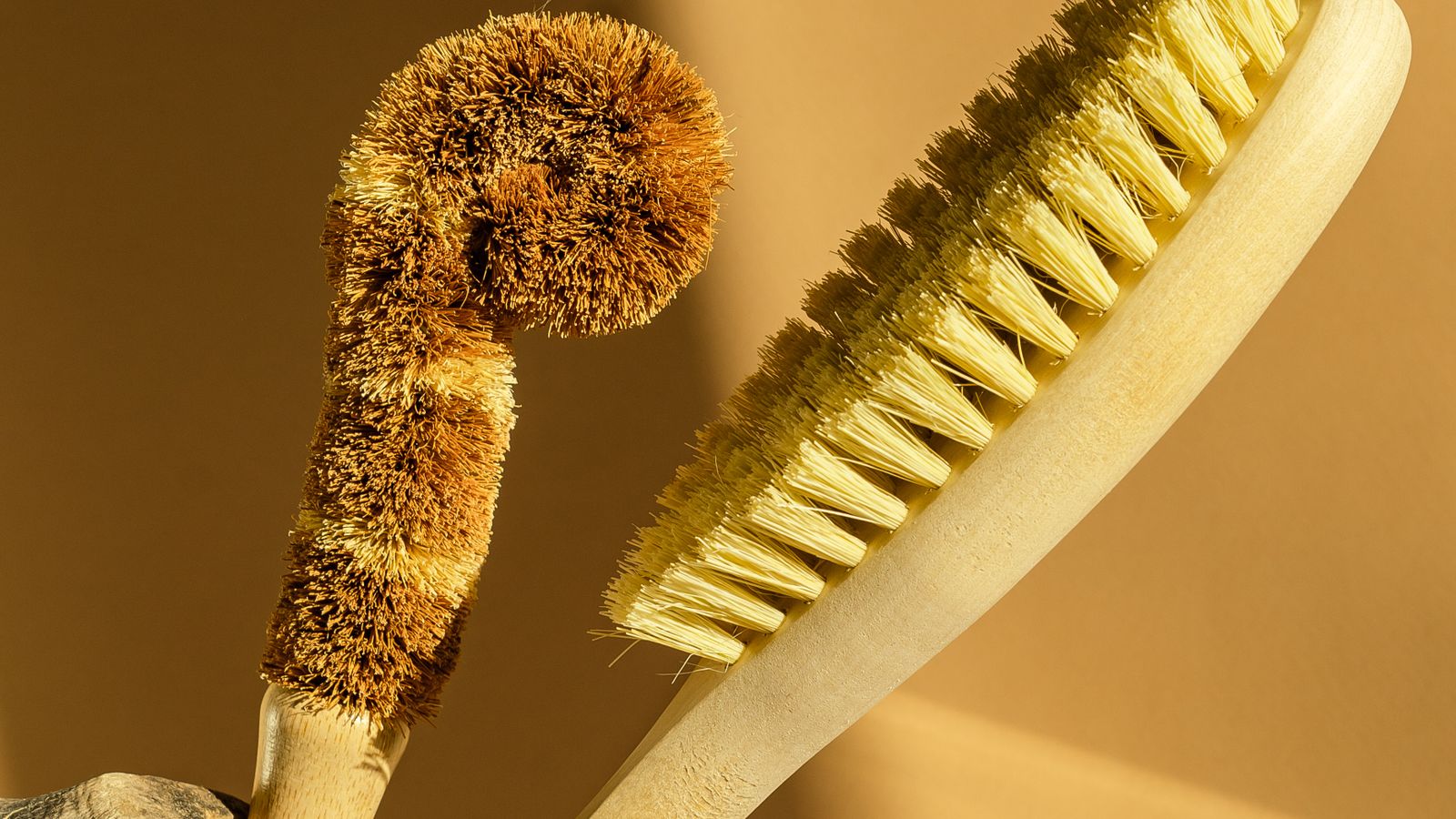
Replacing a carpet brush on schedule is only one part of a healthy carpet care routine. If you are noticing that dirt keeps reappearing quickly after cleaning, it may be worth pairing a fresh brush with the right supporting tools. A quality set of carpet brushes designed for your specific pile type can make routine maintenance far more effective than sticking with a single all-purpose brush.
It also helps to think beyond the brush itself. Applying a good carpet protector after cleaning can reduce how quickly dirt and stains work their way back into the fibers, which in turn reduces how hard your brush has to work and how fast it wears out. And after any wet cleaning session, using one of the best carpet drying fans speeds up drying time, which helps prevent the damp conditions that can cause mildew and bacteria buildup in both the carpet and your cleaning tools.
Frequently Asked Questions
How do I know if my carpet brush is too worn to use?
If the bristles are frayed, bent out of shape, noticeably soft, or no longer lifting visible dirt from the carpet, it is time to replace it. A quick visual and touch inspection every few months is usually enough to catch these signs early.
Can I repair a carpet brush instead of replacing it?
Minor issues like trapped hair or light residue can be cleaned out, restoring some performance. However, once bristles are physically bent, frayed, or softened, there is no reliable way to restore their original stiffness, and replacement is the better option.
Does the type of carpet affect how often I should replace the brush?
Yes. Low-pile, dense carpet tends to wear bristles down faster because of the tighter friction, while high-pile or shag carpet is gentler on bristles but can trap more hair and debris that shortens the brush’s effective life in other ways.
Is it worth buying a more expensive carpet brush for longer life?
Often, yes. Higher-quality bristle materials and sturdier construction tend to resist fraying and bending longer than budget options, which can offset the higher upfront cost over time.
Should I use different brushes for different rooms?
If you have both heavily trafficked areas and lower-traffic rooms, using a dedicated brush for entryways or high-traffic zones can help distribute wear more evenly and extend the overall life of your carpet care tools.
Final Thoughts
A carpet brush is a small tool with an outsized impact on how clean your floors actually get. Paying attention to bristle condition, following a sensible replacement timeline, and building a few simple care habits into your routine will keep your brush performing at its best. When the bristles finally do wear out, treat it as an opportunity to reassess your whole carpet care setup, from the brush itself to protective treatments and drying tools, so every part of the process works together to keep your carpets looking their best for longer.