
Air fryers with broil settings pack a second heating mode into one appliance, giving you the crackling, browned finish of a broiler alongside everyday air frying. That extra element and the higher temperatures it reaches mean these units work a little harder than a standard air fryer, and that raises a fair question: how long can you expect a broil-capable air fryer to last, and when is it actually time to replace one rather than keep patching it up?
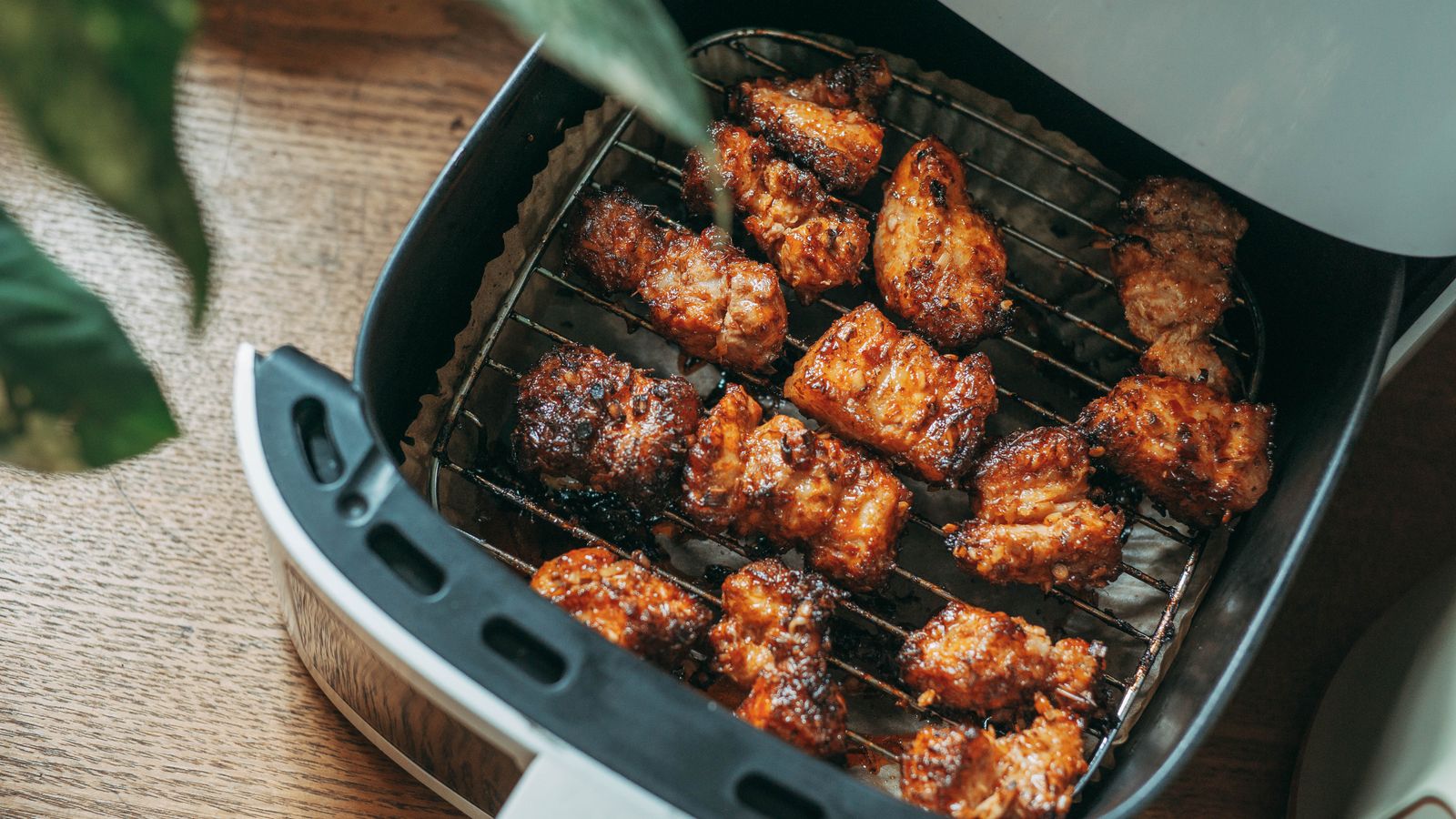
This guide walks through the realistic lifespan of a broil-equipped air fryer, the warning signs that its heating element or fan is wearing out, a practical replacement timeline, and the care habits that help you get the most years out of the unit you already own.
How Long Does an Air Fryer with a Broil Setting Typically Last?
Most air fryers with a broil function last somewhere between 2 and 5 years of regular use, though the range depends heavily on how often the broil element is engaged. Broiling runs at higher temperatures than standard air frying, often 450°F or above, which puts extra thermal stress on the heating coil, the internal wiring, and the fan motor that keeps air circulating past that coil.
Households that broil a few times a week alongside regular air frying tend to land toward the shorter end of that range, closer to 2 to 3 years before performance noticeably declines. Households that reserve the broil setting for occasional use, sticking mostly to standard air frying, often stretch the same appliance to 4 or 5 years or longer. Build quality matters too: units with heavier-gauge heating elements, better ventilation, and metal internal components generally outlast lighter, budget-focused models under the same broil workload.
Signs Your Broil-Setting Air Fryer Is Wearing Out
Because a broil element runs hotter and cycles on and off more aggressively than a standard air fry setting, wear tends to show up in specific, recognizable ways before the unit fails outright.
Uneven or Weak Broiling
If food that used to brown evenly now comes out patchy, with some spots crisped and others still pale, the heating element is likely degrading. A failing coil can lose sections of its heat output, or the reflector plate around it can warp, both of which create uneven heat distribution that no amount of shaking or repositioning food will fix.
Longer Preheat and Cook Times
A broil element that once hit temperature in a couple of minutes but now takes noticeably longer is a sign the coil is losing efficiency. This often shows up as recipes that used to finish in 8 minutes now taking 12 or more to reach the same level of browning.
Unusual Fan Noise
Grinding, rattling, or a fan that suddenly runs louder than it used to usually points to bearing wear or debris buildup inside the fan housing. Broiling pushes the fan harder because it needs to keep circulating air against more intense heat, so fan wear often becomes noticeable on broil-capable models before it would on a basic air fryer.
Burning Smells or Visible Element Discoloration
A persistent burning or metallic smell, especially one that isn’t tied to grease buildup you can clean, can indicate the heating element’s coating is breaking down. Dark discoloration, bubbling, or flaking on the coil itself is a clear visual cue that the element is failing and should not be ignored.
Inconsistent Power or Error Codes
Digital models that intermittently shut off mid-broil, throw error codes, or fail to reach the selected temperature are showing signs that internal components, often the thermostat or control board, are struggling to keep up with the demands of the broil cycle.
Replacement Timeline: When to Repair vs. Replace
Not every issue means the whole appliance needs to go. Use this rough timeline to decide what to do at each stage.
- Under 2 years, isolated issue: If the unit is still relatively new and you’re seeing just one symptom, such as a slightly slower preheat, clean the heating element and fan area thoroughly before assuming it’s failing. Buildup alone can mimic early wear.
- 2 to 4 years, multiple symptoms: If you’re noticing two or more of the signs above together, such as uneven broiling paired with fan noise, the appliance is likely nearing the end of its practical life. At this stage, weigh repair cost (if the model is still supported) against the price of a new unit.
- Over 4 years, consistent problems: Once a broil-capable air fryer is past the 4-year mark and showing persistent issues, replacement is almost always the more practical choice. Replacement heating elements and fan motors for air fryers are rarely sold as consumer parts, and labor plus parts often approach the cost of a new appliance.
- Any age, safety concerns: Burning smells that don’t resolve with cleaning, exposed wiring, a housing that feels hot to the touch outside the vents, or a unit that trips your circuit breaker should be retired immediately regardless of how old it is.
If you’re shopping for a replacement, it’s worth comparing current air fryers with broil settings rather than assuming your next unit needs to match your old one feature for feature – broiling technology and element durability have improved across recent generations.
Care Tips to Extend the Life of a Broil-Capable Air Fryer
A few consistent habits can meaningfully delay the wear patterns described above.
- Clean the heating element after every broil session. Grease that splatters up onto a hot coil during broiling bakes on quickly and is harder to remove the longer it sits, and residue buildup insulates the element, forcing it to work harder to reach temperature.
- Let the unit cool completely before wiping it down. Cleaning a hot element with a damp cloth can cause thermal shock that leads to premature cracking or warping.
- Use broil sparingly for delicate or high-fat foods. Fatty foods like bacon or wings tend to splatter more under intense broil heat, accelerating both element grime and fan debris.
- Keep the intake and exhaust vents clear. Restricted airflow forces the fan motor to work harder, which shortens its lifespan, particularly during high-heat broil cycles.
- Avoid overloading the basket during broil mode. Crowded food blocks airflow and can cause the element to overheat locally as it tries to compensate for cooler pockets.
- Check the power cord and plug periodically. Because broiling draws more current, worn cords or loose plugs are more likely to overheat under that additional load.
If fan noise is a recurring frustration even on a relatively healthy unit, it may also be worth looking at air fryers with quiet fans for your next purchase, since fan design varies significantly between models and directly affects both noise and long-term durability.
Common Mistakes That Shorten a Broil-Setting Air Fryer’s Life
- Skipping regular cleaning of the coil area. This is the single most common cause of premature element failure on broil-capable models.
- Using metal utensils that scrape or nick the element or reflector. Even small scratches can create hot spots that degrade the coil faster.
- Running broil mode for extended periods on low-quality units. Budget models often aren’t engineered for sustained high-heat cycles, so relying on broil as a primary cooking mode can wear them out well ahead of schedule.
- Ignoring early warning signs. Continuing to use a unit that smells off or shows visible element damage risks a more serious failure, and in some cases a safety hazard.

Budget-Friendly Replacement Options
If your current unit is nearing the end of its life and you’re working within a tighter budget, you don’t need to spend a premium to get reliable broil performance. Several compact and mid-range models offer solid heating elements and dependable fans without a high price tag. Browsing air fryer ovens under $200 is a practical starting point if you want broil capability alongside standard air frying without overspending on features you won’t use.
Frequently Asked Questions
Can I repair the heating element myself instead of replacing the whole air fryer?
In most cases, no. Air fryer heating elements are rarely sold as standalone replacement parts for consumer repair, and opening the unit yourself can void any remaining warranty or create a safety risk. If the appliance is still under warranty, contact the manufacturer first.
Does using the broil setting more often really shorten the appliance’s lifespan?
Yes. Broil mode runs at higher temperatures and cycles the heating element more intensely than standard air frying, which accelerates wear on the coil, fan motor, and internal wiring over time.
Is a slightly weaker broil a sign I need a new unit right away?
Not necessarily. Try a thorough deep clean of the heating element and fan area first, since buildup alone can reduce broil performance. If cleaning doesn’t restore even browning, the element itself is likely degrading.
How often should I deep clean the broil element?
For frequent broil users, a thorough cleaning every one to two weeks helps prevent grease buildup from insulating the coil. Occasional broil users can typically clean less often, closer to once a month, as long as the unit is wiped down after each use.
What’s the biggest safety red flag to watch for?
A persistent burning smell that doesn’t go away after cleaning, or visible discoloration and flaking on the heating element, are the clearest signs that it’s time to stop using the unit and consider a replacement.
Final Thoughts
A broil-equipped air fryer earns its keep by giving you two cooking modes in one appliance, but that versatility comes with extra wear on the heating element and fan over time. Watching for uneven browning, unusual noise, longer preheat times, and burning smells will tell you long before the unit fails whether you’re looking at a cleaning fix, a repair decision, or a genuine replacement. With consistent cleaning and mindful use of the broil setting, most units will comfortably reach the 3 to 5 year mark, and when it is finally time to move on, there are dependable options at nearly every budget to take its place.