
A good air fryer thermometer is one of the cheapest ways to guarantee perfectly cooked chicken, crispy fries, and safe leftovers every single time. But like any kitchen tool exposed to repeated heat cycles, it does not last forever. Knowing when your probe or dial has drifted out of accuracy – instead of trusting a device that is quietly lying to you – can be the difference between a juicy dinner and a dry, overcooked one (or worse, undercooked poultry that never reached a safe internal temperature).
This guide breaks down exactly how long an air fryer thermometer typically lasts, the warning signs that tell you it is time for a replacement, and how to extend its life with proper care.
How Long Does an Air Fryer Thermometer Actually Last?
There is no single answer, because “air fryer thermometer” covers several different tools with very different lifespans. Here is a realistic breakdown by type.
Analog (Dial) Thermometers
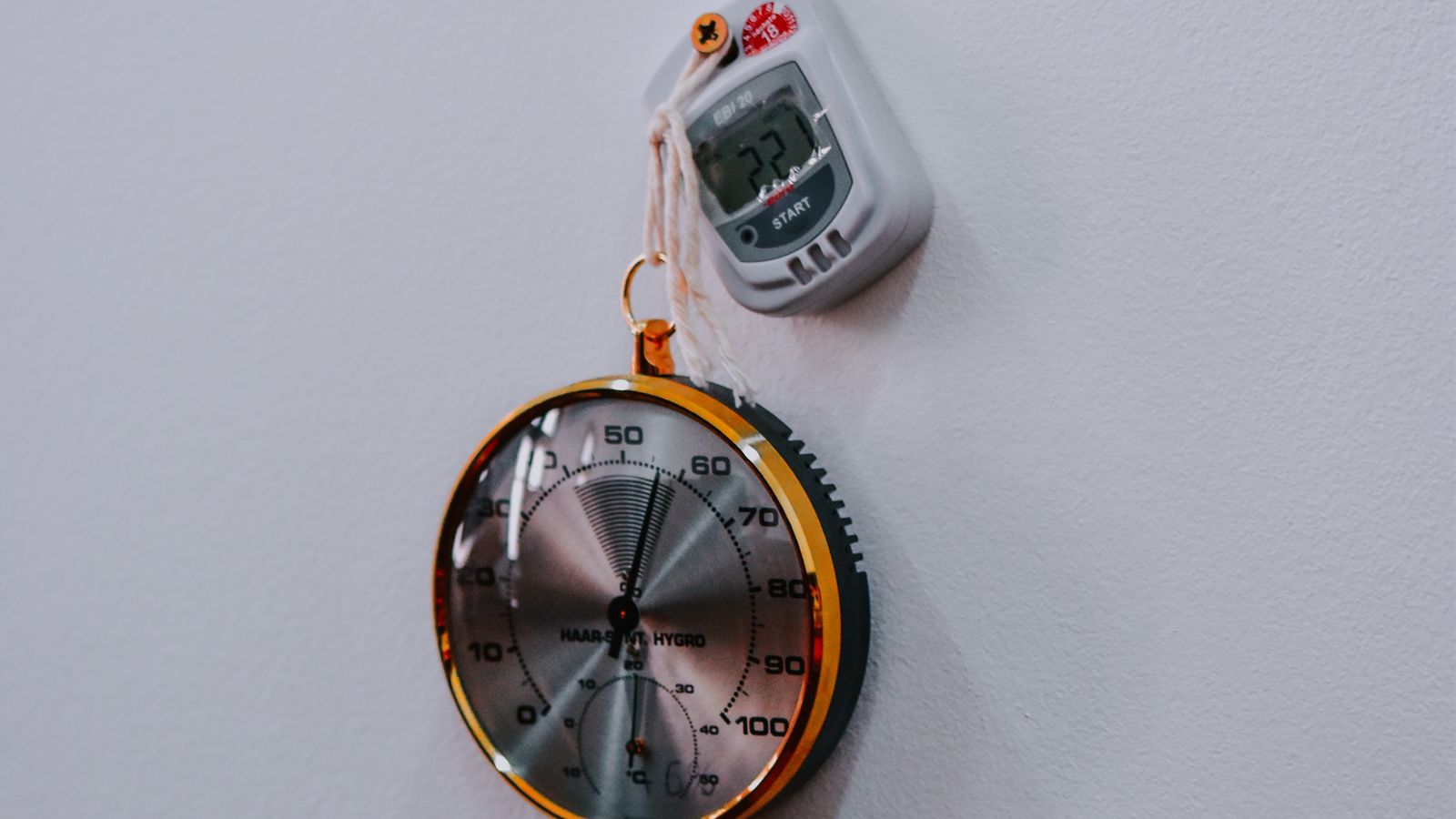
Analog dial thermometers use a coiled bimetallic strip that expands and contracts with heat. This mechanical design is durable but drifts out of calibration gradually. With regular use, expect a reliable lifespan of roughly 1 to 3 years before the dial starts reading noticeably high or low. Dropping it, exposing it to extreme heat swings, or storing it carelessly with other utensils can shorten that window considerably.
Digital Probe Thermometers
Digital probes with a wired or wireless display rely on a battery-powered sensor and a small circuit board. The electronics themselves can last 2 to 5 years, but the probe tip is the weak point – repeated insertion into hot food, air fryer baskets, and dishwashing cycles wears down the sensor and the probe’s water-resistant seal. Battery life is separate and usually needs replacing every 6-12 months depending on use.
Instant-Read Thermometers
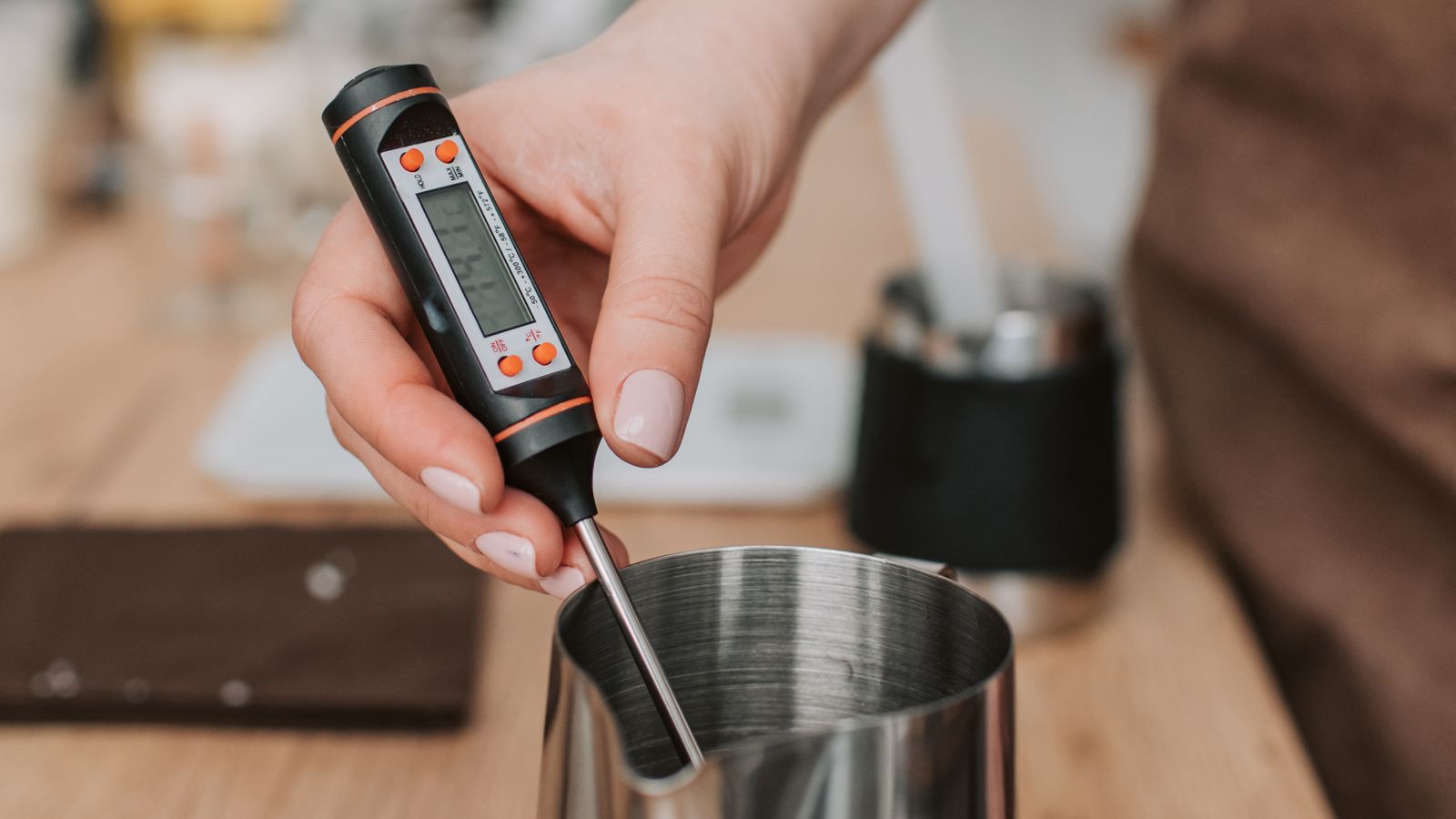
These handheld digital units are built for quick spot checks rather than constant probing. With light home use, they typically last 3 to 5 years. Because they are not left inside the air fryer during cooking, they experience less thermal stress than built-in probes, which helps them last longer overall.
Smart / Bluetooth Thermometers
Wireless smart thermometers add a Bluetooth or Wi-Fi chip on top of a standard probe. These tend to have the shortest realistic lifespan – around 2 to 4 years – since connectivity hardware and rechargeable batteries degrade faster than a simple analog dial.
Signs Your Air Fryer Thermometer Needs Replacing
Do not wait for your thermometer to fail completely – most units fail slowly and silently. Watch for these warning signs.
- Inconsistent readings: If you test the same piece of food twice in a row and get two different temperatures, the sensor or dial mechanism is no longer stable.
- Slow response time: A healthy digital probe should register a stable reading within 2-5 seconds. If it now takes 15-20 seconds or the number keeps climbing without settling, the sensor is degrading.
- Failed ice water test: Submerge the probe tip in a glass of ice water (32°F / 0°C is the benchmark). If it reads more than 2 degrees off, the thermometer needs recalibrating or replacing.
- Cracked or foggy display: Condensation trapped inside a digital display usually means the seal has failed, which also means moisture may be reaching the internal circuitry.
- Bent or discolored probe: A warped probe tip will not sit flush inside meat or air-fried cuts, giving inaccurate hot-spot readings.
- Dial that won’t reset to zero: On analog models, if the needle no longer returns to 32°F after calibration, the internal spring has lost its tension permanently.
- Frequent battery drain: A digital unit that eats through batteries every few weeks often has a failing circuit board drawing excess current.
Recommended Replacement Timeline
As a general rule of thumb, follow this replacement schedule based on how often you use your air fryer:
- Daily/frequent users (5+ times per week): Replace analog dials every 12-18 months; replace digital probes every 18-24 months.
- Regular users (2-4 times per week): Replace analog dials every 2 years; replace digital probes every 2-3 years.
- Occasional users (once a week or less): Analog dials can often last close to 3 years; digital probes can stretch to 4-5 years with proper storage.
These are guidelines, not hard rules – always trust the accuracy tests above over a calendar date. A thermometer that still passes the ice water test at the 3-year mark is fine to keep using; one that fails at 8 months should be replaced immediately.
How to Extend the Life of Your Thermometer
Small habits make a big difference in how long your thermometer stays accurate.
- Let it cool before cleaning. Plunging a hot probe into cold water causes thermal shock that can crack the internal sensor over time.
- Hand wash, don’t submerge digital displays. Wipe the probe with warm soapy water and a soft cloth; avoid soaking the display housing even on “water-resistant” models.
- Store it in a protective sleeve or case. Tossing a bare probe into a drawer with other metal tools is the fastest way to bend the tip or scratch the display.
- Calibrate monthly. Use the ice water method (or boiling water at 212°F / 100°C at sea level) once a month to catch drift early.
- Remove batteries during long storage. If you will not use a digital thermometer for several weeks, remove the batteries to prevent corrosion from leaks.
- Keep it away from the heating element. Avoid resting the probe directly against the air fryer’s coil or basket wall during cooking – direct contact with the hottest point accelerates wear.
- Protect a silicone air fryer liner from puncture marks. If you use liners to catch drips, insert the probe gently rather than jabbing through the material repeatedly, which can also dull the probe tip faster.
Common Mistakes That Shorten a Thermometer’s Lifespan
- Leaving the probe inside during preheating. Preheat cycles often run hotter and longer than the actual cook, adding unnecessary thermal stress to the sensor.
- Using it as a stirring tool. Twisting or prying with the probe tip bends the metal and throws off future readings.
- Ignoring a failed calibration test. Continuing to use a thermometer that fails the ice water test “because it’s probably close enough” is how undercooked chicken happens.
- Storing it loose in a drawer. Without a sleeve, the tip gets nicked and the display gets scratched within months.
- Skipping battery checks. A dying battery can cause a digital thermometer to display a false reading rather than simply shutting off.
When It’s Time to Buy a New One
If your current thermometer is failing the accuracy tests above, or if you are assembling your air fryer setup from scratch, it is worth comparing the latest air fryer thermometers rather than settling for whatever is cheapest at the store. Look for models with fast response times, a wide temperature range, and a probe rated for repeated high-heat use. Pairing a reliable thermometer with a good air fryer cover to keep dust off your unit between uses is a simple way to protect your whole setup and get more consistent results meal after meal.
Frequently Asked Questions
How often should I calibrate my air fryer thermometer?
Once a month for regular users, or before any high-stakes cook (like a holiday turkey breast in the air fryer) is a smart habit. The ice water test takes less than a minute.
Can I fix a thermometer that reads a few degrees off?
Many digital and analog models have a small calibration nut or reset button. Check the manufacturer’s instructions – if the offset is consistent and small (within 2-3 degrees), recalibration usually restores accuracy. If the reading is wildly inconsistent, replacement is the safer choice.
Is it safe to keep using a thermometer that’s a few years old?
Age alone is not disqualifying – accuracy is what matters. A well-cared-for thermometer that still passes the ice water test can keep working accurately well past its “typical” lifespan window.
Do cheaper thermometers wear out faster than premium ones?
Generally yes. Budget analog dials often use thinner bimetallic strips that lose tension sooner, and budget digital probes tend to have less durable waterproof seals, making them more prone to moisture damage and drift.
Should I replace the batteries or the whole unit first?
Always try a fresh battery first if you notice a dim display, slow response, or erratic readings. If the problem persists after a battery swap, the sensor or circuit board itself has likely failed and it’s time to replace the thermometer.
What is the single best habit for making a thermometer last longer?
Monthly calibration checks combined with proper dry storage in a protective sleeve solves the majority of premature failures – most thermometers die from mechanical damage and drift going unnoticed, not from simple old age.