

Finding everyday footwear that fits comfortably over supramalleolar orthoses can feel like an overwhelming challenge for parents and adults alike. Standard off-the-shelf sneakers rarely provide the vertical interior depth or wide entry angles necessary to accommodate rigid plastic bracing. Our updated September 2026 guide analyzes 7 top-rated options from trusted makers like Memo, Friendly Shoes, BILLY Footwear and more to eliminate daily dressing struggles and restore walking confidence.
When shoes are too tight across the instep or lack sufficient midfoot volume, they create uncomfortable pressure points that compromise skin integrity and gait mechanics. Choosing footwear specifically engineered for orthotic integration ensures that the corrective brace functions as intended by physical therapists. Exploring supportive lifestyle options in our health and family collection provides useful context for selecting supportive daily gear.
Modern adaptive designs incorporate innovative features like wrap-around zippers, extended hook-and-loop straps, and dual removable insoles that make sliding into shoes effortless. This comprehensive guide reviews the Best Shoes for SMO Braces to help you find the ideal match for school, therapy sessions, and everyday active living.




Key Buying Criteria for the Best Shoes for SMO Braces in 2026
1. Interior Depth and Removable Footbeds
Adequate internal vertical depth is the single most critical structural requirement when selecting footwear for supramalleolar orthotics. SMO braces wrap around the heel and seat beneath the foot, which immediately lifts the foot higher inside the shoe cavity. Without extra vertical clearance, the upper material presses downward against the dorsal foot bones, creating painful friction sores.
Removable insoles are essential because taking out the standard factory liner instantly creates valuable internal volume without requiring excessive length. Premium adaptive shoes frequently feature dual-layer removable insoles, allowing you to customize the cavity depth for single-brace or bilateral wearers. Always verify that a shoe has a fully removable footbed rather than a glued-down liner before making your selection.
As a practical rule of thumb, seek out shoes engineered with explicit extra-depth construction rather than simply purchasing three sizes too long. Buying excessively long standard shoes moves the sole flex point past the natural ball of the foot, creating dangerous tripping hazards. Removing the internal insole provides the necessary vertical clearance while keeping the shoe length proportionate to the wearer.
2. Wide Entry Portals and Zipper Access
The entry mechanism dictates how easily a rigid brace slides into the shoe without crushing the heel counter or pinching toes. Standard athletic sneakers feature fixed tongue gussets that restrict the opening and fight against the rigid edges of an orthosis. Adaptive footwear solves this morning struggle by expanding the entry portal dramatically.
Full wrap-around zippers and rear-entry heel portals allow the shoe upper to peel open completely, exposing the entire footbed for drop-in placement. Rear-zipper mechanisms allow the foot to slide straight backward rather than forcing the toes downward at an unnatural, steep angle. This effortless entry preserves the structural shape of the heel and minimizes resistance during dressing.
When inspecting zipper systems, look for durable pull rings and protective interior fabric flaps that prevent zipper teeth from catching on socks. Smooth gliding zippers with reinforced perimeter stitching provide dependable long-term performance under continuous tension. Review our dedicated adaptive product guides for helpful maintenance advice on keeping closure mechanisms operating smoothly.
3. Extended Width and Forefoot Clearance
Supramalleolar braces stabilize the ankle joint while adding noticeable lateral bulk around the midfoot and forefoot perimeter. Standard medium-width shoes squeeze the outer edges of the plastic shell, which translates into uncomfortable lateral compression against the foot. A wide or extra-wide base provides the lateral clearance needed to house the brace comfortably.
Anatomical, rounded toe boxes allow the toes to spread naturally inside the orthotic shell without bunching against the front sidewalls. Narrow, pointed sneaker profiles force the plastic edges of the brace against the fifth metatarsal, leading to red marks and skin irritation. Generous forefoot volume accommodates natural foot growth and dynamic orthotic movement.
Always verify whether the manufacturer provides dedicated wide sizing or expandable midfoot panels before ordering. If a wearer requires a brace on only one foot, adjustable wide designs maintain bilateral balance across both shoes. Ensuring proper lateral clearance prevents premature seam splitting along the shoe upper.
4. Adjustable Strap Length and Secure Closures
A dependable fastening system is necessary to lock the brace securely against the footbed during walking, running, and physical therapy. When an SMO brace occupies internal volume, standard hook-and-loop straps are often too short to reach across the instep. Dedicated adaptive models feature extended straps specifically designed to bridge the extra girth of orthotics.
Customizable straps with trimmable segments allow users to cut away excess strap length once the desired fit is established. Multiple strap points distribute closure tension evenly across the instep rather than concentrating pressure in a single band. This even distribution prevents numbness and pressure hotspots over dorsal foot nerves.
Hybrid closures combining functional laces with side or wrap-around zippers offer the best of both worlds. You can adjust the laces once to establish the ideal custom tension and use the zipper for fast everyday entry. This dual-closure approach ensures consistent support throughout active school or work days.
5. Outsole Traction and Stability
Individuals who wear SMO braces often work through balance challenges and require solid ground contact on diverse surfaces. Slick or overly rigid plastic outsoles can slide unpredictably across wet sidewalks, polished indoor tiles, or gym floors. High-grade thermoplastic rubber outsoles deliver the dependable traction needed to prevent accidental slips.
Effective tread patterns feature multidirectional grooves placed strategically at the heel strike and forefoot push-off zones. Non-marking rubber compounds ensure that children can engage in school sports without leaving dark scuffs on gymnasium floors. Durable rubber compounds also resist uneven wear caused by irregular gait patterns or toe-dragging.
A broad outsole footprint under the midfoot prevents the shoe from rolling inward or outward during stance transitions. Look for flat, stable sole perimeters rather than aggressive curved profiles that diminish ground contact area. A stable outsole works in tandem with the orthotic brace to reinforce balance.
| Shoe Feature | Primary Orthotic Benefit | Target User Profile |
|---|---|---|
| Dual Removable Footbeds | Creates vertical depth and customizable cavity space | Wearers needing extra volume for thick SMO shells |
| Full Wrap-Around Zippers | Allows flat drop-in entry without heel crushing | Toddlers, kids, and adults with limited hand dexterity |
| Thermoplastic Heel Counter | Keeps the orthotic brace aligned upright in the shoe | Children developing initial walking stability and gait mechanics |
| Extra-Long Fastening Straps | Spans wide instep profiles without popping loose | Active wearers requiring adjustable, secure midfoot hold |
| Slip-Resistant TPR Outsoles | Provides multidirectional grip across smooth surfaces | Everyday school, playground, and physical therapy use |
6. Heel Counter Rigidity and Collar Height
The internal heel counter provides the structural backbone that holds the orthosis securely aligned within the footwear chassis. A soft, collapsible heel allows the rigid plastic brace to shift laterally during movement, diminishing the corrective benefits of the orthotic. A stiff, reinforced heel counter cradles the brace and maintains proper calcaneal alignment.
Mid-top and high-top collar heights offer superior integration with supramalleolar orthoses compared to ultra-low sneaker silhouettes. A higher collar covers the top rim of the SMO brace, preventing the plastic edge from snagging on pants or scraping against furniture. Padded ankle collars also cushion the skin from direct contact with the hard orthotic edge.
Test the rear of the shoe by pressing firmly against the heel cup with your thumb to ensure it does not collapse easily. If the heel structure folds under light pressure, it will not withstand the daily demands of a rigid orthosis. Sturdy heel construction protects both the footwear frame and the user from instability.
7. Upper Material Flexibility and Breathability
Rigid plastic orthotic braces naturally trap heat and perspiration against the lower leg and foot throughout the day. Dense non-porous synthetic materials can exacerbate sweat accumulation, leading to skin chafing and unwanted odors. Breathable engineered mesh uppers and perforated natural leathers facilitate continuous airflow around the brace.
The upper materials must also offer sufficient tensile flexibility to conform smoothly over high instep contours without pinching. Flexible textile panels accommodate the bulky contours of dynamic braces while retaining structural shape over time. Reinforced synthetic overlays placed at high-stress areas shield soft mesh sections from internal friction.
Sensory-friendly, smooth interior linings are especially valuable for young children who are sensitive to internal seam friction. Seamless interior designs minimize the risk of blister formation where the brace edge meets the shoe lining. Choosing flexible, breathable uppers ensures dependable comfort in all climates and seasons.
8. Internal Abrasion Resistance and Durability
Rigid polypropylene braces create continuous friction against the inner walls and footbeds of footwear during walking cycles. Standard shoe linings can wear through within a matter of weeks, exposing internal seams and structural plastics. Footwear engineered for orthotics utilizes reinforced abrasion-resistant linings built to withstand continuous internal rubbing.
Reinforced toe bumpers and wrap-around rubber guards protect the exterior from rapid scuffing during therapy exercises and floor play. Children wearing SMO braces frequently drag their toes or brush their inner shoe borders together while learning new movement patterns. Heavy-duty perimeter stitching prevents the outsole from separating under torsional stress.
Selecting footwear constructed with durable textiles, genuine suede accents, or supple natural leathers provides substantial long-term value. Replacing worn-out sneakers every few weeks becomes frustrating and disrupts ongoing physical therapy progress. Durable construction guarantees that the shoe retains its protective support across months of demanding use.
9. Lightweight Construction and Sole Flexibility
Orthotic braces add noticeable weight to the feet, which can tire out developing muscles during long days of school or therapy. Pairing a heavy plastic orthosis with bulky, dense footwear leads to leg fatigue and inefficient walking patterns. Lightweight footwear design reduces energy expenditure, encouraging longer periods of active play.
The outsole must strike an optimal balance between stable support and natural forefoot flexibility at the metatarsal break. An overly rigid sole forces an unnatural wooden gait, while an excessively flimsy sole fails to support the orthosis. Engineered flex grooves in the forefoot promote a smooth, natural heel-to-toe stride.
Discovering reliable gear choices across our featured product archives helps families make informed decisions about durable household essentials. Lightweight EVA foam midsoles paired with targeted rubber pods offer shock absorption without excess bulk. A balanced sole construction gives brace wearers the confidence to step forward effortlessly.
Why You Should Trust Us
Our review process relies on rigorous objective data analysis, orthotic compatibility metrics, and verified engineering standards. We evaluate internal cavity dimensions, closure durability, upper flexibility, and outsole traction ratings across 7 leading adaptive footwear models. We maintain complete editorial independence and do not accept paid manufacturer promotions when shortlisting these products.
We analyze feedback from physical therapists, orthotists, and parents who navigate the daily challenges of fitting shoes over corrective braces. By evaluating real-world zipper performance, sole durability, and insole adaptability, our recommendations reflect genuine everyday performance. This data-driven approach ensures you receive practical, transparent guidance for your footwear needs.
Final Thoughts
Selecting the right footwear for supramalleolar orthoses turns daily dressing from a stressful battle into a smooth, simple routine. Our top overall recommendation for young children is the See Kai Run Dean Adapt II, which features an APMA-accepted design, removable dual insoles, and an extra-long adjustable strap. Its rugged rubber outsole provides outstanding traction for developing walkers while maintaining flexible, lightweight comfort.
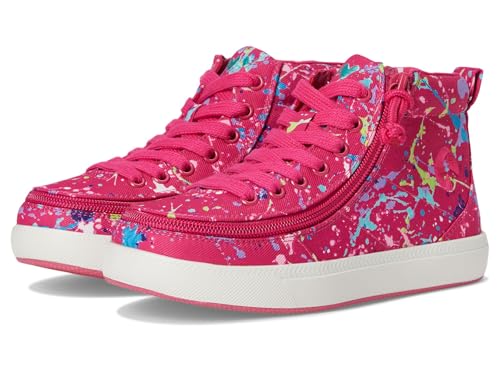
For parents seeking unmatched drop-in accessibility and classic styling, the BILLY Footwear, Unisex, Classic Lace represents our best value pick. Its wrap-around zipper allows the entire front upper to fold open flat for effortless foot placement. Older children who require expanded internal depth will benefit from the generous volume of the BILLY Footwear Unisex Billy Classic DR High II.
Adults requiring sophisticated aesthetics paired with deep orthotic clearance can rely on the Excursion Calla Lily Women’s Shoe (Size 5) and the Excursion Woodshop Men’s Shoe (Size 9). Both models incorporate patented rear-entry access and dual-density memory foam footbeds that eliminate heel friction completely. For early toddlers needing supportive footwear for corrective guidance, the Memo Bambi First Walking Supportive SMO Brace-Like provides therapeutic leather craftsmanship.
Remember to measure your brace dimensions with socks on before selecting your final size for the most accurate fit. You can explore our wide array of home and lifestyle guides in the health and family category for further practical wellness recommendations. Choosing properly structured adaptive shoes empowers brace wearers with comfort, independence, and daily stability.
Frequently Asked Questions
What makes a shoe compatible with an SMO brace?
An orthotic-compatible shoe features extra vertical depth, a wide toe box, and a removable footbed to house the brace shell. It also includes wide entry openings such as wrap-around or rear zippers that allow the braced foot to slide in without crushing the heel counter.
How many sizes up should I buy for Best Shoes for SMO Braces in 2026?
Most dedicated adaptive shoes only require ordering one size up from the wearer’s measured foot length when worn with an orthotic. If you purchase non-adaptive shoes, you may need to go up one to two sizes and choose wide widths, but removing the factory insole is always recommended first.
Can regular sneakers be worn over supramalleolar orthotics?
Standard sneakers can occasionally fit over low-profile braces if they feature removable insoles and wide-width options. However, standard sneakers often wear out quickly along internal seams and make daily insertion difficult compared to specialized adaptive footwear.
Why are removable insoles so important for orthotic footwear?
Removing the factory insole creates instantaneous vertical depth inside the shoe cavity to accommodate the plastic base of the brace. This prevents excess downward pressure on the top of the foot and avoids the need to purchase excessively long shoes.
Are high-top shoes better than low-top shoes for SMO braces?
High-top shoes provide better coverage over the top edge of the brace, preventing the plastic trim from catching on clothing or irritating the skin. They also provide added lateral stability around the ankle collar that complements the corrective function of the orthosis.
How do I prevent my child from tripping while wearing adaptive shoes?
Ensure that the shoe is not excessively long by focusing on extra-depth and wide-width designs rather than sizing up several numbers. A shoe that matches the foot length closely allows the forefoot sole to flex at the natural metatarsal break point during walking.
What is the difference between AFO and SMO shoe requirements?
SMO braces extend just above the ankle bones, requiring extra depth and midfoot width, whereas AFO braces extend up the calf and require taller shaft openings. Most shoes designed for AFO compatibility easily accommodate the slightly lower profile of SMO braces.
How durable are adaptive zipper systems for daily school wear?
Quality adaptive brands use heavy-duty nylon or metal zippers with reinforced stitching engineered for high-frequency daily use. Keeping the zipper track free of dirt and pulling the slider smoothly along the track ensures long-lasting operation throughout the school year.
Should I purchase wide or extra-wide widths for SMO braces?
Wide or extra-wide widths are strongly recommended because the plastic walls of the brace widen the footprint across the midfoot and heel. Choosing wider widths prevents pressure hotspots against the fifth metatarsal and avoids seam tearing along the shoe perimeter.
How can I keep feet cool inside plastic orthotic braces?
Select shoes made with breathable engineered mesh uppers and pair them with moisture-wicking seamless orthotic socks. Ventilated upper materials allow heat to escape from the shoe cavity, reducing sweat accumulation and skin irritation during active play.







Write Your Review
No reviews yet. Be the first to share your experience!