

Developers, cybersecurity researchers, and IT professionals frequently need isolated environments to test code, simulate networks, and run alternate operating systems. Running hypervisors like VMware Workstation, VirtualBox, or Hyper-V on mobile hardware demands careful attention to system architecture. Choosing the right device prevents sluggish guest performance and frustrating hardware bottlenecks during intensive development workflows.
In September 2026, our hardware breakdown covers 7 mobile workstations designed to handle heavy virtualization tasks. Modern system requirements have evolved rapidly with the introduction of hybrid core architectures, dense memory packages, and ARM-based silicon. You can check our comprehensive hardware guides to see how modern workstation standards impact day-to-day productivity.
Navigating hardware specifications requires balancing total core count against thermal constraints and system memory limits. Finding the Best Laptop Specs for Hosting Virtual Machines means focusing on dedicated resources rather than basic peak speeds. This guide outlines the exact component thresholds needed to sustain multiple simultaneous virtual machines without dropping system stability.

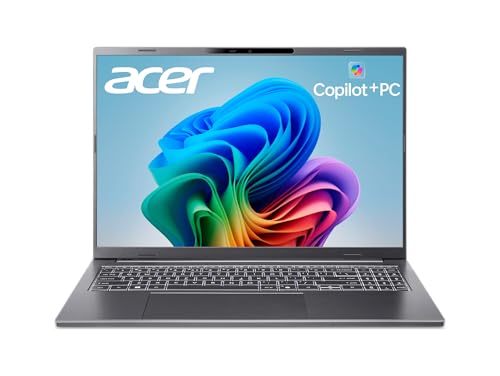


System Memory Capacity and Bandwidth
System memory represents the most critical constraint when provisioning local virtual environments. Every active guest operating system requires a dedicated slice of uncompressed physical memory allocated directly from the host pool. If your host runs out of physical memory, it resorts to aggressive disk swapping, which slows the entire platform to a crawl.
For entry-level testing involving a single lightweight Linux distribution, 16GB of system memory is the baseline threshold. Professional setups running enterprise Windows Server instances, nested hypervisors, or multi-node Kubernetes clusters demand 32GB or more. High-speed LPDDR5x or DDR5 modules running above 5600MHz also ensure that data transfers between virtual CPUs and memory remain responsive.
When evaluating memory specifications, always verify whether the memory is soldered or user-upgradeable via standard expansion slots. Soldered LPDDR5x memory delivers incredible bandwidth but locks you into your initial purchase capacity indefinitely. If you plan to expand your virtual lab over time, prioritize laptops with accessible expansion slots.
Processor Core Allocation and Thread Count
Modern hypervisors assign logical threads directly to virtual processors within each guest container. Processors with high core and thread counts allow you to run several background services alongside your primary desktop without stuttering. A processor equipped with at least 8 to 16 physical cores provides ample overhead for complex lab topologies.
Hybrid CPU designs combine performance cores with efficiency cores to balance high-intensity operations and background processing. Intel Core Ultra processors manage background virtualized tasks smoothly by routing routine host services to low-power islands. You should ensure your hypervisor of choice properly recognizes and schedules workloads across these asymmetric core configurations.
A reliable rule of thumb is to maintain a two-to-one ratio of virtual CPUs to physical threads for standard testing workloads. Heavy database indexing or active compiling inside a guest machine requires a strict one-to-one thread mapping. Investing in high-thread processors prevents guest operating systems from competing over scarce compute cycles.
Solid-State Storage Speed and Disk Capacity
Virtual machine disk images generate significant amounts of concurrent input and output operations. Traditional storage drives or slow flash storage quickly choke when multiple guest operating systems read and write simultaneously. Installing your virtual disks on a high-speed PCIe Gen4 NVMe solid-state drive eliminates boot delays and snapshot lag.
A standard desktop operating system image consumes between 30GB and 60GB of storage before installing specialized developer tooling. Allocating space for snapshots, base templates, and project files means a 512GB drive fills up rapidly. Upgrading to a 1TB or 2TB drive provides the necessary breathing room for multiple concurrent environments.
Look for drives featuring high random read and write IOPS rather than just peak sequential throughput figures. Virtual machines execute thousands of small file accesses per second during routine package installations and updates. Fast NVMe drives ensure snapshot generation and state restorations complete in seconds rather than minutes.
CPU Architecture Compatibility and Instruction Sets
Processor architecture dictates what types of guest operating systems your machine can run natively. Traditional x86 processors from Intel and AMD offer universal binary compatibility with decades of enterprise virtualization software. Modern ARM-based processors offer superior battery efficiency but require ARM-compatible operating system images or dynamic binary translation layers.
Running x86 virtualization on an ARM chip requires software emulation, which introduces a noticeable hit to computational performance. If your daily workflow relies heavily on legacy x86 enterprise appliances or specialized Windows binaries, an Intel-powered workstation remains optimal. ARM chips excel when running native ARM Linux kernels, mobile application emulators, or lightweight microservices.
Review our technical hardware overview section to understand platform architecture tradeoffs across mobile machines. Selecting the matching architecture for your target deployment environment avoids unnecessary emulation overhead. Native execution always yields the lowest latency and highest host stability.
Hardware Virtualization Extensions and BIOS Controls
Hardware-assisted virtualization extensions allow hypervisors to execute guest instructions directly on the physical processor. Technologies such as Intel VT-x, AMD-V, and Extended Page Tables reduce the overhead associated with software-based virtualization. Without these hardware features enabled in the system firmware, hypervisors cannot spin up 64-bit guest environments.
Nested virtualization is another vital feature for advanced engineers building cloud labs or container nodes. This technology allows you to run a hypervisor inside a virtual machine, enabling tools like Docker and WSL2 within guest operating systems. Enterprise-grade laptops with robust BIOS menus provide straightforward controls for enabling these low-level virtualization switches.
Always check whether the manufacturer provides comprehensive firmware updates and allows direct access to virtualization toggles. Some consumer laptops lock virtualization settings behind restricted firmware, which limits advanced hypervisor capabilities. Business-oriented laptops generally expose full hardware controls necessary for seamless hypervisor configuration.
Thermal Design and Sustained Cooling Performance
Hosting multiple virtual machines generates continuous CPU and memory activity over extended working periods. Thin laptop chassis can struggle to dissipate heat efficiently, resulting in thermal throttling and reduced clock frequencies. A dual-fan thermal architecture with dedicated copper heat pipes prevents performance degradation during heavy stress testing.
Thermal throttling causes intermittent micro-stutters inside guest systems, leading to dropped network packets and slow application response times. Choosing a laptop with an engineered vapor chamber or high-efficiency cooling pipes maintains consistent performance under heavy compute loads. Keeping operating temperatures low also prolongs the operational lifespan of internal memory and SSD controllers.
When shopping for a portable virtualization workstation, look for models that emphasize sustained wattage over brief boost bursts. A laptop that maintains a steady 35W to 45W package draw performs better over hours of testing than one that throttles quickly. Quiet fan profiles also keep your workspace comfortable during intensive simulation tasks.
Display Workspace and Multi-Monitor Connectivity
Managing multiple guest desktops and terminal windows simultaneously requires generous screen real estate. A 16-inch display with a 16:10 aspect ratio provides extra vertical room for source code and terminal windows. High-resolution panels, such as 2.8K OLED or WUXGA displays, render sharp text that reduces eye fatigue during long sessions.
External display connectivity is equally crucial when expanding your virtual lab to a multi-monitor workstation. Laptops equipped with dual USB4 or Thunderbolt ports allow you to connect multiple high-resolution external monitors using a single cable. This connectivity lets you keep your host system on one screen while running distinct virtual machines across external displays.
Integrating multiple screens into a modern home workspace setup increases overall productivity and debugging speed. Verify that the integrated graphics chip supports hardware output across your desired number of external displays. Standardizing on versatile digital video outputs simplifies lab management significantly.
Network Interface Throughput and Wireless Standards
Virtual machines often function as virtual routers, firewalls, and network servers that generate heavy local traffic. High-bandwidth wireless networking, such as Wi-Fi 6E or Wi-Fi 7, ensures rapid data movement across isolated virtual subnets. A dedicated physical RJ-45 Gigabit Ethernet port provides the most reliable, jitter-free connection for enterprise lab simulations.
Virtual bridging and host-only adapters rely on clean network drivers to pass packets without dropped connections. Advanced wireless chipsets offload packet processing from the main CPU, ensuring low latency during high-volume transfers. If a laptop lacks a built-in Ethernet jack, high-speed USB4 connectivity allows low-latency external network adapters to fill the gap.
Before purchasing, consider your local network architecture and how many virtual bridge connections you plan to establish. Consistent bandwidth prevents synchronization errors between virtualized database nodes and client instances. Reliable networking hardware forms the foundation of realistic multi-node lab environments.
Battery Endurance and Power Delivery Options
Virtualization workloads draw substantial power from the host battery, which drains mobile cells much faster than basic web browsing. Laptops equipped with high-capacity 70Wh or larger batteries provide the endurance needed to run virtual labs during commutes. Power-efficient processors and intelligent energy scheduling help maximize your unplugged operational window.
Fast charging protocols, such as USB-C Power Delivery with high-wattage GaN adapters, let you recharge quickly between working sessions. Universal USB-C charging allows you to carry a single compact charger that powers both your laptop and auxiliary developer peripherals. This convenience keeps your mobile laboratory ready for action wherever you choose to work.
Check whether the laptop allows custom battery charge thresholds through its management utility to preserve cell health. Keeping a plugged-in laptop capped at eighty percent charge prevents battery swelling during continuous workstation duty. Durable battery health protects your mobile investment over years of heavy daily use.
Operating System Edition and Security Features
The underlying host operating system plays a central role in hypervisor performance and administrative control. Windows 11 Pro includes native access to Hyper-V, Windows Sandbox, and advanced remote desktop server features out of the box. Home editions lack these built-in virtualization components, requiring third-party tools or paid operating system upgrades.
Hardware security features like TPM 2.0 and biometric fingerprint readers protect your host environment and stored virtual disks. Full-disk encryption with BitLocker safeguards sensitive client data and proprietary source code inside guest images. Choosing a business-tier operating system configuration saves setup time and guarantees broad hypervisor compatibility.
Explore our review of consumer technology appliances and computing hardware to match operating system features with your daily workflow. Pre-configured enterprise licenses remove setup friction when provisioning complex virtualization software. Starting with a business-ready platform ensures maximum flexibility for all engineering scenarios.
| Hardware Metric | Entry-Level Lab | Recommended Balanced Spec | Power User / Enterprise Lab |
|---|---|---|---|
| Processor Cores | 8 Cores / 8 Threads | 10 to 14 Cores / 16 Threads | 16 Cores / 22 Threads |
| System Memory | 16GB LPDDR5 / DDR4 | 32GB DDR5 (5600MHz+) | 32GB to 64GB LPDDR5x (7500MHz) |
| Storage Speed & Type | 512GB PCIe Gen3 / Gen4 NVMe | 1TB PCIe Gen4 NVMe SSD | 1TB to 2TB High-IOPS PCIe Gen4 NVMe |
| Host Operating System | Windows 11 Home / Linux | Windows 11 Pro 64-bit | Windows 11 Pro / Enterprise Hypervisors |
| Networking Ports | Wi-Fi 6 + USB-C | Wi-Fi 6E + RJ-45 Gigabit Ethernet | Wi-Fi 7 + Dual USB4 / Thunderbolt 4 |
Why You Should Trust Us
Our hardware analysis relies on structured technical specifications, architectural assessments, and verified component configurations. We examine real-world thermal designs, memory bandwidth limits, and processor core allocations across leading manufacturers. By analyzing how different hypervisors interact with mobile hardware, we provide objective recommendations based entirely on technical merit.
We track developments across Intel, AMD, and Qualcomm platforms to identify the Best Laptop Specs for Hosting Virtual Machines in 2026. Our evaluation framework categorizes systems across entry-level, balanced, and professional performance tiers without vendor bias. We maintain strict editorial independence, evaluating specifications against the practical demands of virtualization engineers.
Continuous data updates ensure our guide reflects current hardware releases, firmware revisions, and component availability. We refresh our comparative metrics regularly to ensure that shoppers receive accurate guidance in September 2026. This disciplined, data-driven approach gives you the clarity needed to choose reliable mobile hardware for any virtualization task.
Final Thoughts
Selecting the right machine requires aligning hardware resources with your specific virtualization goals and daily workflow complexity. For engineers seeking a complete balance of processing power, memory headroom, and enterprise reliability, the Lenovo ThinkPad E16 Gen 3, 16″ WUXGA serves as our best overall recommendation. Its 32GB of DDR5 memory, Core Ultra processor, and dedicated Ethernet port deliver exceptional stability for multi-node lab deployments.
If you require maximum portability without sacrificing core compute performance, the GEEKOM GeekBook X14 Pro Laptop represents an outstanding specialized pick. Featuring an ultra-lightweight magnesium chassis, a 2.8K OLED display, and a 16-core Intel processor, it easily handles demanding mobile labs. It gives travelling professionals uncompromised computing power inside a remarkably thin footprint.
Shoppers working within strict budget limits while needing robust multitasking capabilities should look at the Lenovo Laptop V15, Intel Core 7-240H, 32GB DDR5 as the best value option. Packing 32GB of memory and a 10-core processor, it delivers generous host headroom without requiring premium enterprise pricing. You can discover additional setup strategies across our comprehensive hardware guides to optimize your developer workspace.
Investing in balanced specifications ensures that your host operating system and guest virtual machines run smoothly for years to come. Prioritizing memory capacity and multi-core CPU performance creates an agile mobile environment capable of tackling any simulation workload. Choose the configuration that best matches your testing requirements and enjoy seamless hypervisor performance on the move.
Frequently Asked Questions
How much RAM is ideal for hosting virtual machines on a laptop?
A baseline of 16GB allows you to run one or two lightweight virtual machines alongside host applications. Upgrading to 32GB provides the necessary buffer for running enterprise Windows servers, database instances, and nested container labs simultaneously without disk swapping.
Can ARM-based laptops run standard x86 virtual machines?
ARM-based laptops can only run x86 operating systems through complex software emulation, which significantly reduces execution performance. For native performance and complete hypervisor compatibility, x86 virtual machines must run on x86 processors from Intel or AMD.
What is the Best Laptop Specs for Hosting Virtual Machines in 2026 for professional developers?
Professional virtualization setups in 2026 require a 14-core or 16-core processor paired with at least 32GB of DDR5 memory and 1TB of NVMe PCIe Gen4 storage. This combination guarantees low latency, fast snapshot operations, and responsive guest performance during demanding simulations.
Why does solid-state drive speed matter so much for virtual machines?
Virtual machines continuously perform concurrent input and output tasks that can easily saturate slow storage drives. Fast PCIe Gen4 NVMe solid-state drives prevent disk bottlenecks, allowing quick guest operating system boots and instant snapshot creation.
Is a dedicated GPU necessary for running virtual machines on a laptop?
Most routine development and network simulation virtual machines rely solely on CPU rendering and do not require a dedicated graphics card. A dedicated GPU is only necessary if you plan to do GPU pass-through for 3D modeling, video rendering, or machine learning workloads inside the guest system.
What is nested virtualization and do modern laptops support it?
Nested virtualization allows you to run a hypervisor inside an already virtualized guest operating system, which is essential for Docker or WSL2 workflows. Most modern Intel and AMD mobile processors support nested virtualization when the feature is enabled in system firmware.
Does Windows 11 Pro offer advantages over Windows 11 Home for virtualization?
Windows 11 Pro includes the built-in Microsoft Hyper-V hypervisor, Windows Sandbox, and BitLocker drive encryption for securing virtual machine images. Windows 11 Home lacks these native management utilities, requiring third-party hypervisors or paid license upgrades.
How does thermal throttling affect virtual machine performance?
When a laptop overheats, the processor automatically reduces clock speeds to lower temperatures, which causes stuttering across all active virtual machines. Investing in laptops with robust multi-pipe or vapor chamber cooling systems ensures sustained computational performance over extended lab sessions.
How many CPU cores should I allocate to each virtual machine?
Lightweight Linux distributions generally run smoothly with two virtual cores, whereas modern Windows guest systems perform best with four virtual cores allocated. You should always reserve at least two physical cores for the host operating system to maintain overall desktop responsiveness.
Are dual external monitors supported for multi-VM multitasking?
Modern laptops with USB4 or Thunderbolt ports easily drive two or more high-resolution external displays without performance issues. You can review our comprehensive hardware guides to explore optimal docking configurations for multi-screen virtualization labs.








Write Your Review
No reviews yet. Be the first to share your experience!