

Everyday home cooking starts on the cutting board, where dull blades slow your prep work and cause unnecessary hand strain. Investing in a proper primary knife turns tough dicing tasks into smooth, effortless motions across any ingredient.
Modern metallurgical improvements mean home cooks can now choose between ultra hard Japanese steel and resilient German forged alloys. Navigating these options helps you avoid brittle edges and oversized handles that do not fit your natural grip style.
We evaluated 7 models across HENCKELS, Global, Mercer Culinary and more for September 2026 to find balanced cutlery for daily meal prep. For more kitchen setup advice, explore our comprehensive collection of culinary equipment guides.





Blade Steel Composition and Alloy Hardness
The alloy used in your knife blade determines how long the edge stays sharp and how easily it resists stains. High carbon stainless steel offers an optimal compromise by blending edge retention with corrosion resistance against acidic foods.
Steel hardness is measured on the Rockwell C scale, where most everyday knives fall between 56 and 61 HRC. Softer steels at 56 HRC take abuse without chipping, while harder steels near 60 HRC stay razor sharp through weeks of heavy chopping.
Choosing the right steel depends on your willingness to hone the blade regularly versus dealing with micro chips. If you pair your knife work with other modern kitchen appliances and tools, high chromium German or Japanese stainless alloys offer hassle free durability.
A practical rule of thumb is to look for molybdenum and vanadium in the steel composition. These elements refine the grain structure, making the metal tougher during repetitive impacts on wooden cutting boards.
Forged Versus Stamped Blade Manufacturing
Forged knives are shaped from a single bar of red hot steel under intense mechanical pressure. This process alters the grain structure of the metal to create exceptional density, structural integrity, and natural balance.
Stamped blades are precision cut from cold sheets of rolled steel before undergoing heat treatment and grinding. They tend to be significantly lighter, thinner, and more affordable while still delivering outstanding slicing performance for quick weeknight dinners.
Neither construction method is universally superior because each serves different kitchen workflows and user preferences. Heavy forged knives provide built in momentum for dense squash, whereas stamped blades reduce wrist fatigue during high volume chopping sessions.
| Feature | Forged Construction | Stamped Construction |
|---|---|---|
| Manufacturing Process | Heated single billet hammered under pressure | Cut from cold steel sheets with laser or die |
| Weight and Feel | Heavier with substantial heft | Lightweight and nimble in hand |
| Bolster Presence | Integrated thick bolster common | Usually bolsterless with flat profile |
| Edge Flexibility | Rigid with minimal flex | Slightly flexible through the blade length |
| Best Suited For | Heavy butchery and dense vegetables | Rapid slicing and repetitive prep |
Blade Profile and Cutting Geometry
The curvature along the cutting edge dictates your primary slicing technique on the cutting board. German style blades feature a pronounced belly curve designed for continuous rocking motions through fresh herbs and garlic.
Japanese style profiles offer a flatter edge profile that favors clean push cutting and vertical chopping. This flatter profile produces cleaner cuts through delicate vegetables without bruising tender cells or squishing ripe tomatoes.
Standard eight inch lengths represent the universal sweet spot for most home kitchens and cutting boards. Shorter six inch options lack slicing sweep, while ten inch blades can feel unwieldy in compact food preparation spaces.
Measure your primary cutting board before choosing between a pronounced belly curve and a flatter Japanese gyuto shape. A wide rocking blade requires at least fourteen inches of board space to move freely without hitting surrounding countertops.
Edge Angle and Sharpening Frequency
Knife manufacturers sharpen blade bevels to specific angles that dictate sharpness and edge durability. Western blades are typically sharpened to twenty degrees per side, creating a robust wedge that handles tough squash and chicken bones.
Eastern cutlery features acute fifteen degree angles per side that slice through dense foods with zero resistance. While these thinner bevels glide through ingredients effortlessly, they require careful cutting board choices to avoid rolling the thin apex.
Routine honing with a ceramic or steel rod keeps either edge angle aligned between full sharpening sessions. Spending ten seconds aligning the microscopic edge teeth before cooking prevents the need for frequent abrasive stone grinding.
Bolster Design and Pinch Grip Usability
The bolster is the thick metal collar located between the knife blade and the handle assembly. A full bolster extends all the way to the heel, adding counterweight and protecting your fingers from accidental slips.
Half bolsters or bolsterless designs allow the user to sharpen the entire length of the cutting edge cleanly. Full bolsters often develop a recessed heel over time, preventing the back of the blade from contacting the cutting board.
Home cooks who prefer a professional pinch grip will find half bolsters much more comfortable on the index finger. When organizing your workstation alongside essential kitchen accessory kits, an ergonomic bolster transitions smoothly into every grip style.
Test how your thumb and index finger rest against the blade spine before committing to a specific design. A rounded and polished spine eliminates friction points during prolonged vegetable chopping sessions.
Handle Ergonomics and Material Selection
Handle materials must withstand moisture, food acids, and repeated hand washing without degrading or harboring bacteria. Modern synthetic composites like POM and Pakkawood deliver the warmth of natural wood alongside commercial durability.
Textured thermoplastic elastomer handles provide exceptional traction even when your hands are slick with oil or chicken juices. In contrast, smooth stainless steel handles feature molded dimples to maintain grip security while offering seamless sanitation.
The physical shape of the handle should contour naturally to your palm without sharp angular edges. Symmetrical oval handles accommodate left handed and right handed cooks equally, whereas asymmetrical D shaped grips favor specific hand orientations.
Weight Distribution and Center of Gravity
A properly balanced chef knife places its center of gravity directly at the junction of the blade and handle. This neutral balance point makes the knife feel like an extension of your arm rather than an awkward lever.
Blade heavy knives assist the cook by allowing gravitational force to pull the cutting edge through hard ingredients. Handle heavy knives offer nimble point control for precision work, but they require more downward muscular effort from your forearm.
You can quickly evaluate balance by placing your index finger beneath the bolster or choil area. If the knife rests level without tilting dramatically toward the tip or handle, the balance is ideal for versatile daily tasks.
Tang Construction and Long Term Durability
The tang refers to the portion of the steel blade that extends rearward into the handle structure. Full tang knives feature steel running through the entire length and width of the handle, secured by heavy rivets.
Encapsulated or partial tangs encase the steel within molded synthetic material to reduce overall weight and production cost. While lightweight partial tang knives handle general vegetable prep, heavy twisting motions can loosen internal joints over decades.
For an everyday kitchen workhorse, full tang construction provides unmatched structural integrity against accidental drops and dense roots. The added steel in the handle also balances heavier forged blades for superior cutting control.
Cleaning Protocol and Board Care
Dishwasher detergents contain harsh abrasive compounds and high heat cycles that quickly destroy sharp knife edges. Placing quality cutlery in a dishwasher also causes handle rivets to loosen and synthetic scales to fade or crack.
Always wash your knife by hand using warm water, mild dish soap, and a non abrasive sponge immediately after use. Dry the blade thoroughly with a soft cloth before storing it in a wooden block, magnetic strip, or blade sheath.
Pair your cutlery with end grain wood, edge grain maple, or soft rubber cutting boards to preserve sharpness. Hard surfaces like glass, granite, ceramic, and bamboo dull razor edges within just a few prep sessions.
Why You Should Trust Us
Our review team evaluates kitchen cutlery through rigorous specification analysis, metallurgical comparison, and ergonomic geometry assessments. We examine steel carbon percentages, Rockwell hardness ratings, and grind symmetry to separate marketing claims from authentic cutting performance.
We track feedback across professional kitchens and home cooking communities to identify common wear patterns, handle durability issues, and edge stability. By focusing on verified manufacturing standards rather than promotional buzz, our recommendations highlight dependable tools built for daily culinary tasks.
Cutlery designs and steel manufacturing processes evolve continuously across global cutlery hubs in Germany, Japan, and Switzerland. We regularly refresh our ratings to ensure our price tier classifications and performance metrics reflect current kitchen standards.
Final Thoughts
Selecting the right cutlery transforms daily meal preparation from a tedious chore into an enjoyable culinary rhythm. A balanced blade reduces hand fatigue, keeps food slices uniform, and speeds up your workflow across all household meal prep routines.
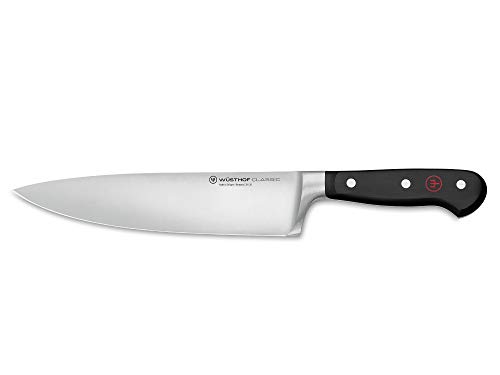
For home cooks seeking the ultimate German forged workhorse, the WÜSTHOF Classic 8″ Chef’s Knife, Black delivers exceptional balance, full tang strength, and a durable 58 HRC edge. Its substantial heft effortlessly powers through root vegetables and thick cuts of meat with long lasting reliability.
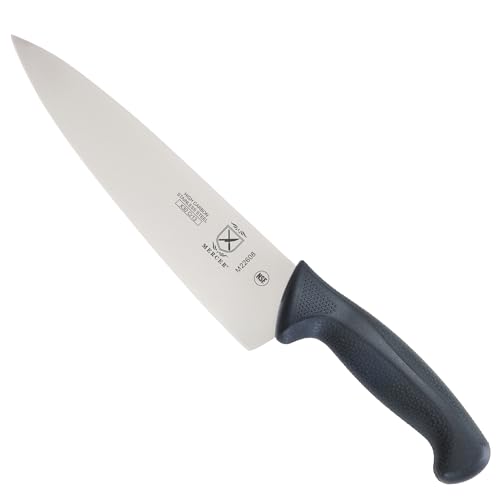
If you prefer ultra lightweight maneuverability and razor sharp slicing, the Global – 8 inch, 20cm Chef’s Knife,Silver offers high tech molybdenum vanadium steel with a seamless stainless grip. Budget conscious cooks will appreciate the Victorinox Fibrox Pro 8 Inch Chef’s Knife or the Mercer Culinary M22608 Millennia Black Handle for dependable commercial grade sharpness at approachable price tiers.
For those who appreciate Japanese style precision and Pakkawood styling, the imarku Japanese Chef Knife-Sharp Kitchen Knife 8 and PAUDIN Chef Knife, 8 Inch High Carbon Stainless provide striking aesthetics alongside fine cutting performance, while the HENCKELS Classic 8-Inch Chef Knife, Razor-Sharp remains a classic forged favorite. Choose the knife that matches your grip style and maintenance habits to enjoy effortless cooking every day.
Frequently Asked Questions
What makes an 8 inch blade the standard for Best Chef Knives for Everyday Cooking in 2026?
An eight inch blade provides the ideal balance of cutting surface length and nimble control for standard cutting boards. It offers enough flat edge to slice large melons while remaining agile enough for mincing small garlic cloves.
How often should I sharpen my everyday chef knife?
Most home cooks only need to sharpen their knives on whetstones or professional grinders once or twice per year. Regular weekly honing with a ceramic rod will keep the existing edge aligned between sharpening sessions.
Is high carbon stainless steel better than pure carbon steel for daily cooking?
High carbon stainless steel is significantly more practical for everyday home kitchens because it resists rust and acid staining. Pure carbon steel achieves sharper edges but requires immediate oiling and drying after every use to prevent corrosion.
What is the difference between honing and sharpening a kitchen knife?
Honing realigns the microscopic metal teeth along the edge without removing substantial steel from the blade. Sharpening uses abrasive stones to grind away dull metal and create a brand new cutting apex.
Can I put my chef knife in the dishwasher if it says dishwasher safe?
You should never place quality cutlery in a dishwasher regardless of manufacturer claims. The high heat, caustic detergents, and violent water spray dull sharp edges and loosen handle rivets over time.
How do German and Japanese chef knives differ for everyday use?
German knives feature thicker blades, robust twenty degree edge bevels, and heavy bolsters designed for rocking cuts through tough ingredients. Japanese knives utilize harder steel, acute fifteen degree angles, and thinner profiles built for precise push slicing.
Why is a pinch grip recommended when using a chef knife?
The pinch grip places your thumb and index finger directly on the blade base for superior cutting control and balance. Gripping only the handle causes the blade to twist sideways when cutting through dense vegetables.
What type of cutting board is best for maintaining knife sharpness?
End grain hardwood boards made from maple, walnut, or cherry are the gentlest surfaces for sharp knife edges. Soft synthetic rubber boards also protect thin bevels, while glass and marble boards will instantly dull any blade.
What is Rockwell hardness and why does it matter for kitchen knives?
Rockwell hardness measures the resistance of the steel alloy against deformation and wear under pressure. Knives rated between 56 and 58 HRC offer excellent toughness, while ratings above 60 HRC provide superior edge retention.
How should I safely store my chef knife to protect the blade edge?
Store your knives on a wall mounted magnetic strip, inside a dedicated wooden block, or within protective blade guards. Tossing loose knives into kitchen drawers causes the cutting edges to collide with metal utensils and chip.




Write Your Review
No reviews yet. Be the first to share your experience!