

Morning routines demand speed, consistency, and exceptional taste without the hassle of a manual coffee setup. Choosing from the Best Automatic Espresso Machines transforms your kitchen into a private coffee bar capable of brewing cafe quality drinks at the push of a button. Modern bean to cup units eliminate the mess of separate grinding and tamping while delivering balanced extraction right into your favorite mug.
Finding the right machine can feel overwhelming when balancing grinder types, milk systems, and maintenance requirements. Many shoppers regret buying units that require complicated daily teardowns or lack the temperature stability needed for balanced flavor. Our guide explores the 7 top options for September 2026 to help you identify the perfect model for your daily caffeine habits.
Whether you crave velvety flat whites, bold double shots, or simple iced americanos, modern technology makes customization effortless. We have analyzed the leading machines across the home appliances space to highlight reliable engineering and user friendly operation. This deep dive ensures you invest in an appliance that fits your counter space, palate, and morning schedule.



Grinder Technology and Burr Materials
Freshly ground beans are the foundation of any rich espresso with a dense layer of golden crema. Super automatic machines rely on integrated conical or flat burrs to crush whole beans uniformly before every single extraction. Ceramic burrs prevent heat buildup during grinding, which protects delicate bean aromatics from scorching before water touches them.
Steel burrs offer exceptional durability and razor sharp precision, though they can transfer slight heat during continuous back to back cycles. When evaluating grinder specifications, look for machines offering at least five to twelve distinct grind adjustment settings. A finer grind slows extraction to boost body and intensity, while a coarser setting prevents over extraction in lighter roasts.
A practical rule of thumb is to start at a medium grind setting when seasoning a brand new machine. If your espresso flows too fast and tastes sour, adjust the burr one click finer while the grinder is actively running. For more advice on countertop equipment setups, explore our detailed kitchen guides.
Automated Milk Frothing vs Manual Steam Wands
Milk texturing determines whether your morning cappuccino has dense foam or a silky microfoam ideal for lattes. Fully automatic machines generally offer either integrated carafes with automated froth channels or traditional pannarello steam wands. Tube free automated systems mix air and milk at high speed inside a chamber to dispense foam directly into the cup.
Integrated milk carafes provide unmatched convenience for busy households that prioritize fast one touch beverage delivery. However, traditional steam wands grant greater manual control over microfoam texture and milk temperature for specialty recipes. If multiple people in your household drink plant based milks, automated systems with adjustable density settings produce superior results with oat or almond milk.
Always examine the cleaning procedure for any milk delivery mechanism before making your final selection. Systems that feature snap off parts without internal tubes can be rinsed clean under a tap in just seconds. In contrast, complex internal tubing requires frequent chemical flushes to avoid sour milk residue and bacterial growth.
Pump Pressure and Extraction Stability
Espresso extraction requires controlled water pressure to pull aromatic soluble oils and flavors from finely packed coffee grounds. Most domestic automatic machines utilize 15-bar vibration pumps to deliver steady force through the brew chamber during the cycle. While 9 bars is the standard brewing pressure at the puck, a 15-bar pump provides the necessary headroom to overcome resistance.
Advanced brewing algorithms regulate flow rates to create a gentle pre-infusion step that evenly saturates the grounds. Pre-infusion prevents channeling, which occurs when pressurized water finds cracks in the coffee puck and creates bitter, uneven extraction. Temperature stability during this pressurized phase is equally vital for balancing bright acidity and sweet chocolate undertones.
As a rule of thumb, consistent extraction produces a golden hazelnut crema that holds its shape for at least two minutes. If your espresso lacks crema or pours watery, the pump might be struggling against an incorrect dose or stale whole beans. Checking for pulse extraction technology can significantly elevate shot quality by pulsing water through the grounds in rapid bursts.
Customization, Drink Presets, and User Profiles
Modern coffee lovers rarely drink just one style of beverage throughout the entire day. Top tier machines include extensive menus ranging from ristretto and cortado to long black and iced coffee recipes. Dedicated user profiles allow multiple household members to store their preferred strength, liquid volume, and milk ratios permanently.
Look for machines that provide step by step visual sliders for adjusting aroma strength and water temperature. The ability to add an extra shot to milk drinks without increasing the milk volume is another essential feature for heavy coffee drinkers. Intuitive touchscreen interfaces make toggling between subtle adjustments effortless during early morning routines.
When programming drinks, calculate your preferred liquid output by weight rather than brew time alone. A standard single espresso typically measures around 30 milliliters, while a double shot yields roughly 60 milliliters of liquid. Having independent control over milk foam duration ensures your latte macchiato maintains the correct layering every single morning.
Water Filtration and Descaling Maintenance
Water makes up more than ninety-eight percent of every cup of coffee you brew. Mineral scale buildup from hard water is the leading cause of internal component failure in automatic espresso equipment. Proprietary ion exchange filters purify incoming water while preventing calcium deposits from adhering to internal thermo-blocks and boiler tubes.
High quality filtration systems allow you to brew thousands of cups before requiring a full descaling cycle. Machines equipped with automatic cleaning prompts guide you through preventative maintenance routines directly on the digital display. Removable brew groups allow for weekly rinsing under lukewarm water to eliminate lingering coffee oils and loose grounds.
Always test your tap water hardness using the test strips included with your new machine. Setting the machine to the correct hardness baseline ensures accurate descaling reminders before damaging mineral scale accumulates. Maintaining pristine internal lines preserves brew temperature consistency and keeps your morning coffee tasting vibrant.
Bean Hopper Versatility and Capacity
The bean hopper stores your whole roasted beans and feeds them directly into the grinding chamber above the brew unit. Standard hoppers hold between seven and ten ounces of beans, which accommodates several days of regular household brewing. Airtight rubber seals around the hopper lid are essential to protect roasted beans from oxygen, humidity, and ambient kitchen heat.
Dual hopper systems or interchangeable hoppers allow you to switch effortlessly between different roasts without emptying the container. This versatility lets you brew a bold dark roast in the morning and switch to decaf beans in the evening. A dedicated bypass chute for preground coffee is another valuable feature when hosting guests who request decaffeinated drinks.
Never store more than three days worth of beans in the hopper to ensure peak freshness and crema production. Keep reserve whole beans in an opaque, airtight canister stored in a cool cabinet away from direct sunlight. This simple storage discipline prevents natural coffee oils from turning rancid on the hopper walls.
Display Interface and Ease of Operation
Interacting with your espresso machine should be seamless and pleasant, even before your first sip of caffeine. Modern interfaces range from simple tactile LED buttons to brilliant high resolution color touchscreens with full graphics. Clear iconography helps you navigate recipe parameters, maintenance schedules, and custom user profiles without consulting an instruction manual.
Smartphone connectivity via dedicated mobile applications unlocks recipe inspiration, troubleshooting guides, and remote brewing capabilities. Companion apps also provide notifications when water reservoirs run low or when the waste grounds container requires emptying. While app control is convenient, reliable onboard buttons remain the primary way you will interact with the machine daily.
When evaluating screen designs, ensure the display is positioned at an ergonomic angle that remains visible under bright under-cabinet lighting. Responsive touch controls reduce the time required to brew morning drinks when preparing multiple cups in a hurry. You can discover more high performance appliances for your kitchen in our home and living section.
Countertop Footprint and Noise Levels
Kitchen counter space is prime real estate, making machine dimensions and ergonomics critical considerations. Standard super automatic machines stand between fourteen and sixteen inches tall, requiring adequate clearance beneath standard wall cabinets. Front-loading water reservoirs and front-access grounds bins eliminate the need to pull the heavy machine forward during daily maintenance.
Grinding whole beans and pumping pressurized water inherently generate mechanical sound in the kitchen. Advanced acoustic dampening and silent grinding mechanisms reduce operational noise by up to forty percent compared to older designs. Quieter operation ensures you can prepare early morning drinks without waking sleeping family members or housemates.
Measure your available counter depth and overhead cabinet height before selecting a specific model. Allow at least two inches of side clearance for ventilation and easy removal of the side-mounted brew group during weekly cleaning. Factoring in compact layouts helps keep your kitchen workspace tidy, much like choosing appliances in our compact appliance guide.
Feature Comparison Across Automatic Coffee Systems
| Feature Focus | Entry Level Tier | Mid-Range Tier | Premium Flagship Tier |
|---|---|---|---|
| Grinder Material | 100% Ceramic or Steel | Multi-Setting Ceramic | Professional Aroma Grinder |
| Milk System | Classic Steam Wand / Basic Auto | Tubeless LatteGo Carafe | Integrated Dual Foam System |
| Drink Presets | 4 to 5 Basic Recipes | 6 to 12 Preset Selections | 18 to 20+ Specialty Presets |
| User Profiles | Single Default Memory | 2 to 4 Custom Profiles | 4+ Profiles with Extra Shot |
| Cleaning Protocol | Manual Rinse Prompts | AquaClean Filter Prompts | Automated Self-Clean Cycles |
Understanding these tier distinctions allows you to balance your daily brewing ambitions with your budget constraints. Moving up to mid-range and flagship models primarily increases drink variety, silent operation, and personalized user profile memory. Choosing the right tier ensures you never overpay for complex features you will not use every morning.
Why You Should Trust Us
Our review process relies on systematic data analysis and deep technical evaluation of domestic espresso hardware. We examine structural engineering, grinder precision, hydraulic pump ratings, and heating systems across all leading industry brands. By analyzing manufacturer schematics, verified operational parameters, and real world performance data, we deliver unbiased purchasing guidance.
We evaluate each machine against essential benchmarks including temperature consistency, extraction uniformity, frothing efficiency, and cleaning complexity. We categorize models by functional capability, maintenance demands, and overall build durability to serve different household needs. Our ongoing evaluation tracks software updates, hardware revisions, and long term reliability indicators across the coffee appliance market.
We do not accept sponsored placements or promotional compensation from appliance manufacturers to ensure complete editorial independence. Our priority is helping you find reliable kitchen hardware that delivers excellent coffee day after day without unexpected maintenance headaches. You can explore more appliance evaluations across our comprehensive product review index.
Final Thoughts
Investing in one of the Best Automatic Espresso Machines elevates your daily coffee routine with cafe level precision and unmatched speed. The right machine balances flavorful extraction with low maintenance designs that fit seamlessly into busy modern households. Choosing a model that matches your favorite milk recipes and household volume ensures long term brewing satisfaction.
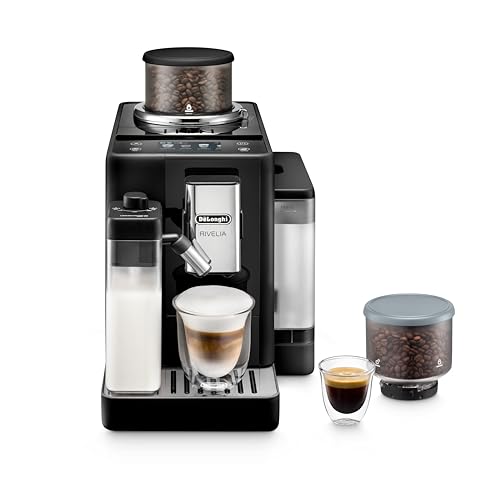
For coffee enthusiasts seeking premium extraction, the Jura E6 Platinum 15465 represents the ultimate high end selection. Its pulse extraction process and professional aroma grinder deliver rich espresso shots with exceptional depth of flavor. If you value versatile bean switching and modern touch controls, the De’Longhi Rivelia Automatic Espresso Machine is a standout performer with dual interchangeable hoppers.
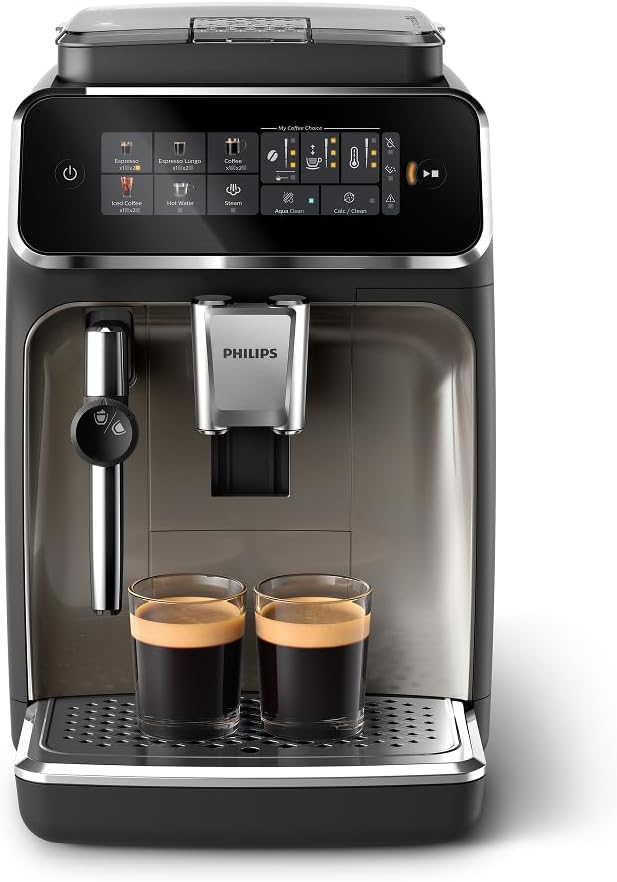
Shoppers seeking outstanding value and hassle-free cleanup should consider the PHILIPS 2300 Series Fully Automatic Espresso as a top daily choice. Its tubeless LatteGo system produces silky microfoam in seconds while remaining dishwasher safe. For expanded preset options, the Philips 5500 Series Fully Automatic Espresso and the Philips 3200 Series Fully Automatic Espresso provide versatile drink menus.
Budget conscious buyers will also appreciate the balanced features of the Philips 3300 Series Fully Automatic Espresso and the Philips 3300 Series Fully Automatic Espresso. Both units offer quiet grinding, straightforward controls, and reliable extraction for everyday brewing. Check our complete collection of expert guides for more recommendations on upgrading your kitchen.
Frequently Asked Questions
How do the Best Automatic Espresso Machines differ from manual espresso machines?
Automatic espresso machines grind whole beans, measure the dose, tamp the coffee puck, and extract espresso automatically at the press of a button. Manual machines require you to grind beans separately, distribute grounds into a portafilter, tamp manually, and time your own extraction. Super automatic models prioritize speed, consistency, and minimal cleanup for daily morning brewing.
What is the top rated feature to look for in Best Automatic Espresso Machines for 2026?
The most important feature is a high precision grinder paired with stable temperature management and an intuitive milk frothing system. Machines with ceramic burrs and easy to clean milk carafes provide the best balance of longevity and beverage quality. Choosing a unit with adjustable aroma settings ensures your morning cup matches your exact taste preferences.
How often do I need to clean the brew group on an automatic espresso machine?
Removable brew groups should be taken out and rinsed under warm tap water once every week to prevent coffee oil buildup. Machines with non-removable brew units utilize automated cleaning cycles with specialized detergent tablets once every few hundred cups. Keeping the brew chamber clean ensures consistent water flow and prevents bitter aftertastes.
Can I use oily or dark roast coffee beans in super automatic grinders?
Very oily dark roast beans can coat internal grinder burrs and hopper chutes with sticky residue over time, leading to potential blockages. Medium to medium-dark roasts with a dry surface are ideal for ensuring smooth bean feeding and consistent grinding. If you prefer oily dark roasts, clean your hopper and run grinder cleaning pellets regularly.
What is the main benefit of ceramic burrs over steel burrs in coffee machines?
Ceramic burrs do not conduct heat as rapidly as steel during the grinding process, preventing the coffee grounds from heating up before brewing. They are also extremely hard and resistant to dulling over thousands of brewing cycles. This ensures uniform particle size distribution for smooth, well balanced espresso extraction.
How many drink recipes do modern automatic espresso machines typically offer?
Entry level automatic machines usually provide four to five essential presets such as espresso, regular coffee, cappuccino, and hot water. Advanced mid-range and flagship models feature anywhere from twelve to over twenty hot and iced specialty coffee recipes. Many models also allow you to save personalized ratios in dedicated user profiles.
Do automatic espresso machines require a dedicated water line connection?
Most residential super automatic machines use an integrated removable water reservoir rather than a plumbed water line. This allows you to position the machine anywhere on your countertop without requiring professional plumbing installation. Removable water tanks also make refilling and installing water filters simple and convenient.
How does the AquaClean filter reduce descaling frequency in modern machines?
Ion exchange water filters remove calcium and heavy metals before water enters the heating thermo-block, preventing mineral scale buildup. When filters are replaced promptly according to machine notifications, you can brew up to five thousand cups without a full descale. This filtration also purifies water to ensure clean coffee taste.
Can Best Automatic Espresso Machines froth plant based milks like oat or almond milk?
Yes, modern automatic milk systems and steam wands handle barista blend oat, almond, and soy milks effectively. Barista formulated plant milks contain stabilizing proteins that create rich, creamy microfoam similar to dairy milk. Choosing a machine with adjustable foam density lets you dial in the texture for non-dairy drinks.
What is pre-infusion and why is it important for espresso extraction?
Pre-infusion is the process of gently wetting the tamped coffee puck with low pressure water before full extraction begins. This initial soak allows the coffee grounds to expand evenly, eliminating air pockets and preventing pressurized channeling. The result is a richer, more uniform extraction with balanced acidity and full body.



Write Your Review
No reviews yet. Be the first to share your experience!