
Building out a commercial cleaning fleet is exciting, but it’s also where a lot of small operators overspend before they’ve earned their first steady contract. Between a truck mount carpet extractor, a bonnet cleaning machine, and a wet vacuum squeegee, you’re looking at three very different price points, three different skill curves, and three different jobs on your invoice. The trick isn’t buying everything at once – it’s sequencing your purchases so each new tool pays for itself before the next one arrives. This guide walks through a practical, budget-first approach to assembling your equipment fleet without draining your working capital.
Why Sequencing Matters More Than Budget Size
New cleaning business owners often ask “how much should I spend on equipment?” when the better question is “what order should I buy things in?” A fleet built in the wrong order leaves you with idle capital tied up in machines you can’t yet fill a schedule for. A fleet built in the right order lets each piece of equipment generate the revenue that funds the next purchase. That’s the core budgeting principle behind everything below: buy what pays for itself fastest first, and let cash flow – not a wish list – dictate your next move.
Before you spend a dollar, get honest about what kind of jobs you’re actually booking. A carpet-cleaning-only route has very different equipment priorities than a fleet servicing retail floors, restaurants, or property management contracts. Map your next 90 days of expected work, then match equipment to that reality rather than to what looks impressive on a website.
Step 1: Start With the Highest-Frequency Tool
For most residential and light-commercial carpet cleaning routes, that’s a portable or truck mount carpet extractor. If your leads are already coming in for carpet jobs, this is your anchor purchase – everything else in the fleet supports it. Shopping on a budget doesn’t mean buying the cheapest unit available; it means buying the smallest unit that reliably completes the jobs you already have booked.
- List your last 20 completed or quoted jobs and note square footage and soil level.
- Match that data against extractor specs (water lift, vacuum recovery, heating capability) rather than marketing claims.
- Compare portable units against a full truck mount setup – portables cost less upfront and can move between multiple part-time vehicles.
- Factor in installation, plumbing, and vehicle prep costs for truck mount systems; these are often left out of the sticker price.
- Check financing or lease-to-own terms – many equipment dealers offer 0% short-term plans that preserve your cash reserve.
Once you’ve narrowed the field, compare finished, ready-to-buy options in our roundup of truck mount carpet extractors, which breaks down units by price tier and job volume.
Step 2: Add Speed Equipment Once Volume Justifies It
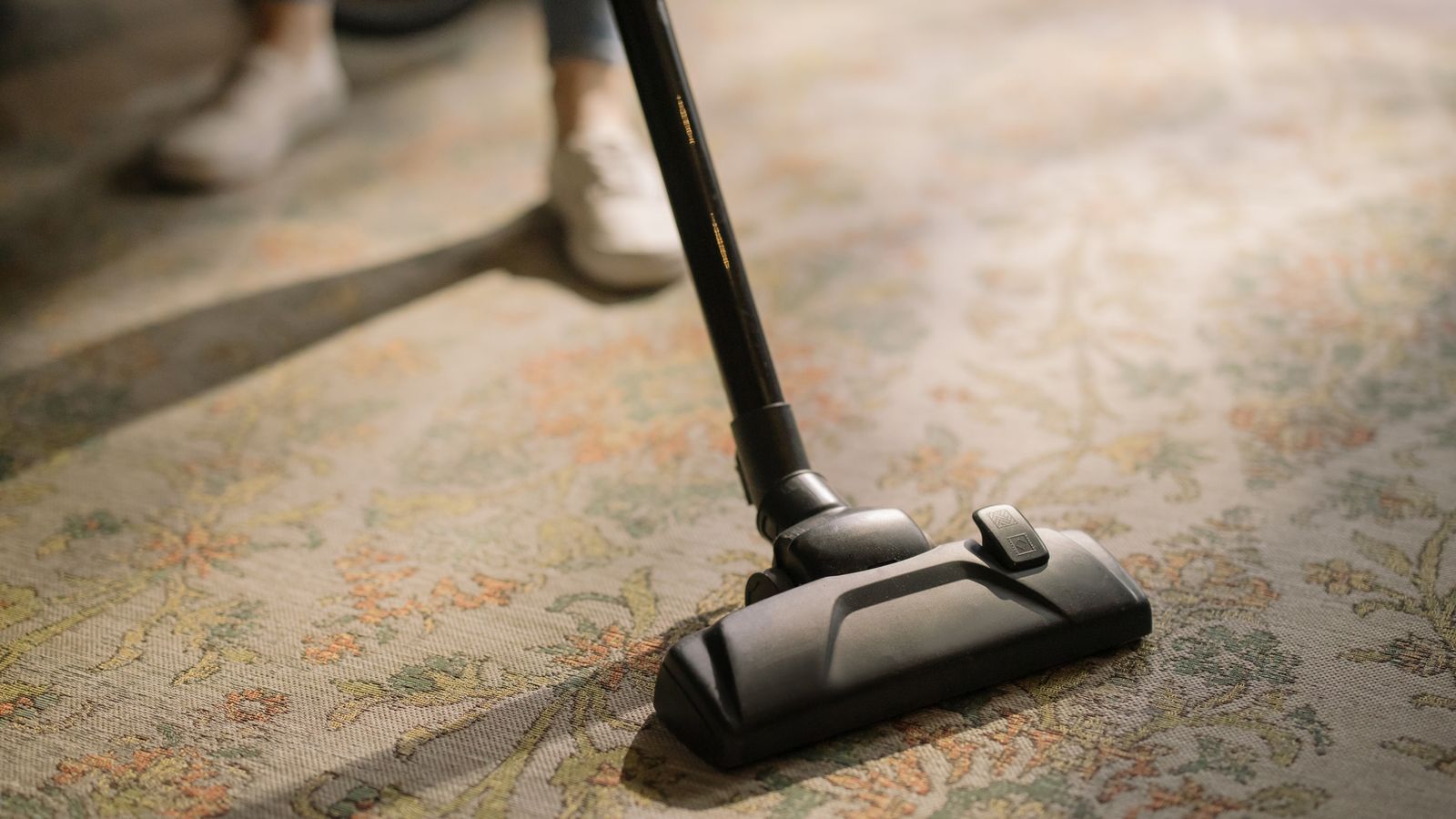
A bonnet cleaning machine is a speed tool, not a starter tool. It’s designed to knock out light-to-moderate soil on commercial carpet fast – think office suites, hotel corridors, and retail floors on maintenance contracts – but it doesn’t replace deep extraction. Buying one too early usually means it sits in the van while you keep hand-scrubbing spots with a portable extractor.
The right signal to buy a bonnet machine is a recurring commercial account that needs fast turnaround between business hours, not a one-off deep clean. If you’re bidding on maintenance contracts (weekly or biweekly light cleans across multiple properties), a bonnet machine dramatically cuts labor time per stop, which is exactly where its cost pays back fastest.
- Confirm you have at least one recurring commercial account before buying – this is a volume tool, not a one-job tool.
- Choose a machine with interchangeable pad sizes so it works across different chair, hallway, and open-floor layouts.
- Budget separately for bonnet pads and cleaning solution – these are recurring consumable costs, not one-time.
- Weigh rotary vs. cylindrical drive systems against the flooring types in your actual contract mix.
When you’re ready, compare models sized for small crews in our guide to bonnet cleaning machines.
Step 3: Fill the Gap With a Wet Vacuum Squeegee
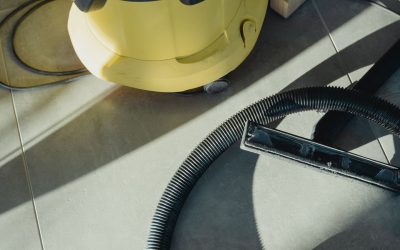
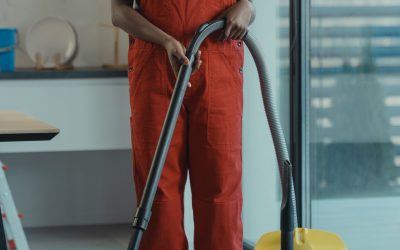
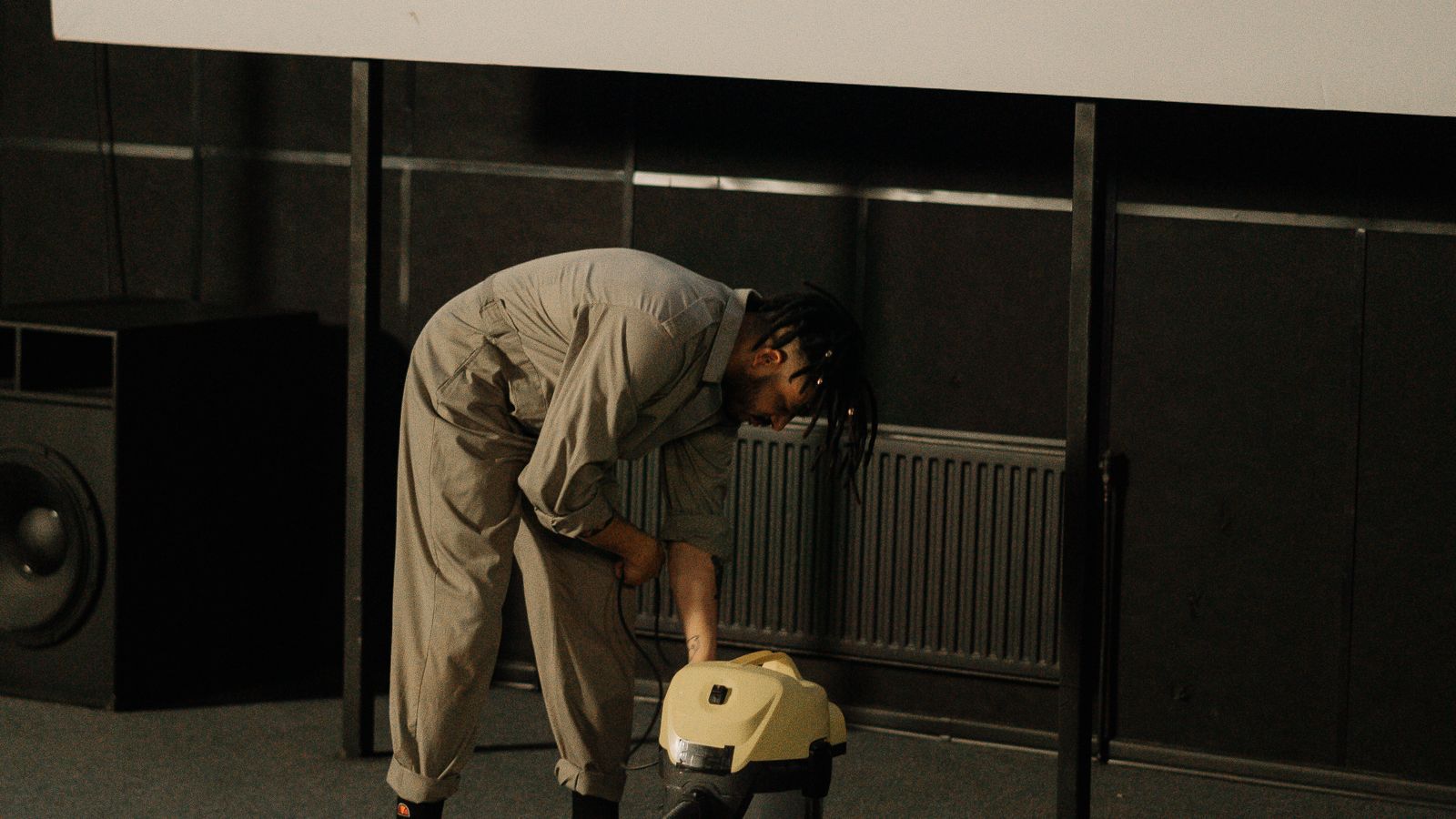
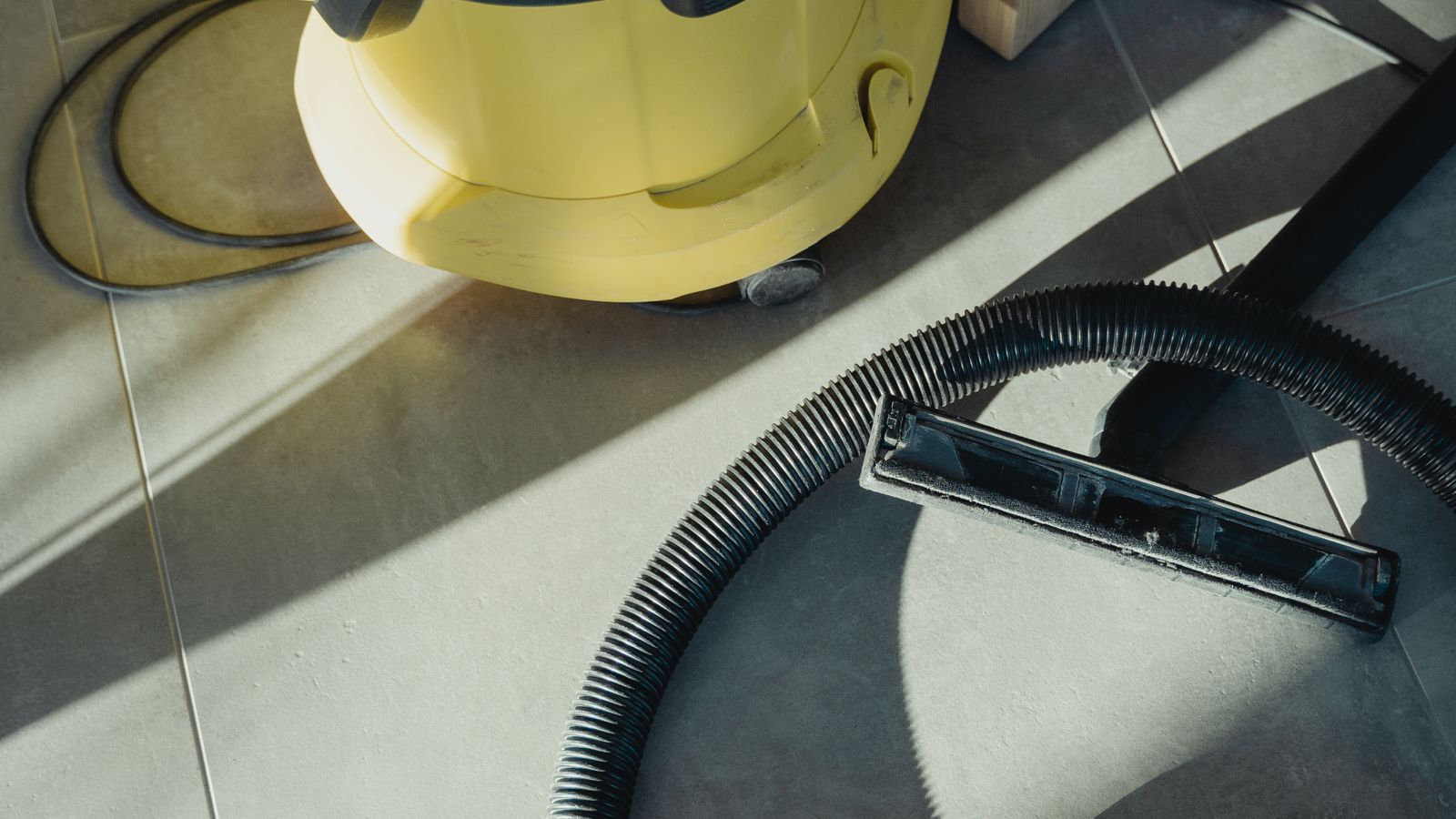
The most commonly underbudgeted tool in a cleaning fleet is the wet vacuum squeegee – a compact wet-pickup unit used for hard floor water recovery, spill response, and post-mopping cleanup on tile, vinyl, and sealed concrete. It’s inexpensive relative to the other two machines, but it’s what lets you say yes to hard-floor and mixed-surface contracts without turning down work or renting equipment last minute.
Because it’s the lowest-cost item on this list, it’s tempting to buy it first “just in case.” Resist that. Buy it when you have a specific hard-floor job or contract that needs it – otherwise it’s capital sitting unused while your carpet-focused tools are still paying themselves off.
- Confirm tank capacity matches your largest single hard-floor job (measured in square feet, not guesswork).
- Check cord length and hose reach against the largest single room you regularly service.
- Prioritize models with easy-empty tanks – crew time lost to awkward dumping adds up fast on repeat routes.
- Consider battery/cordless options only if your contracts include areas without convenient outlet access.
See sized-for-crew options in our comparison of wet vacuum squeegees.
Building a Realistic Purchase Timeline
A workable budget-conscious rollout usually looks like this: extractor first (funded by savings or a modest loan), bonnet machine second (funded by extractor revenue once commercial contracts start landing), and wet vacuum squeegee third (funded as soon as a hard-floor job appears on the books, since it’s the smallest outlay of the three). This isn’t a rigid formula – adjust it to match the work that’s actually walking through your door – but it keeps you from financing a full fleet before you have the contracts to support it.
Set a simple rule for yourself: don’t buy the next machine until the current one has covered its own cost through completed jobs. This keeps your fleet growth tied directly to revenue instead of optimism.
Budgeting Tips That Actually Move the Needle
- Buy refurbished or open-box for your first extractor. Reputable equipment dealers often sell demo units at a meaningful discount with a shortened warranty – a reasonable trade-off while you’re proving out your route.
- Separate consumables from capital equipment in your budget. Pads, solution, hoses, and filters are ongoing costs that get missed when people only budget for the machine itself.
- Price maintenance before you buy, not after. A cheaper machine with expensive, hard-to-find replacement parts often costs more over two years than a pricier, well-supported one.
- Negotiate bundled service agreements. Many dealers will include a free tune-up or discounted parts if you ask at time of purchase – most buyers never ask.
- Keep a small equipment reserve fund. Even 5-10% of monthly revenue set aside avoids emergency financing when something breaks mid-contract.
Common Mistakes to Avoid
- Buying the full fleet on day one. Without contracts to fund each purchase, you’re carrying debt or depleted savings against equipment that isn’t earning yet.
- Chasing the biggest, most powerful truck mount system before you have the route to justify it. Oversized equipment means higher fuel, insurance, and maintenance costs against underused capacity.
- Skipping training costs. Every machine has a learning curve; underbudgeting time and training on a new tool leads to redone jobs and unhappy clients.
- Ignoring resale value. Well-maintained, popular brands hold value better if you need to pivot your equipment mix later – factor that into which models you shortlist.
- Letting a good deal dictate your purchase order. A discounted bonnet machine is still a bad buy if you don’t have the commercial volume to use it yet.
Frequently Asked Questions
What should I buy first for a new cleaning fleet on a tight budget?
Start with the equipment tied to your highest-frequency job type – for most new operators, that’s a carpet extractor, since residential and light-commercial carpet work tends to be the easiest business to book early on.
Is a truck mount system worth it for a solo operator?
Not usually at the start. A portable extractor is more flexible and far less capital-intensive, letting you serve the same jobs while you build volume. Consider a truck mount once your schedule consistently exceeds what a portable can handle.
How do I know when I’m ready for a bonnet cleaning machine?
The clearest signal is a recurring commercial contract requiring fast, light maintenance cleaning between business hours. If you’re not yet bidding on that kind of work, hold off.
Can one wet vacuum squeegee handle both spill response and full hard-floor jobs?
For small to mid-size spaces, yes. For larger commercial floors, check the unit’s tank capacity and hose reach against your biggest job before assuming one machine covers everything.
Should I lease or buy my cleaning equipment?
Leasing can preserve cash flow early on, but ownership usually costs less over time once a machine is reliably booked. A common approach is leasing your first extractor, then buying outright once your revenue is predictable.
Final Thoughts
A budget-conscious cleaning fleet isn’t about spending the least amount possible – it’s about spending in the right order, so every purchase is funded by the work that came before it. Start with the machine tied to your most frequent job type, add speed and specialty equipment only when contracts justify it, and keep a reserve for maintenance surprises along the way. Compare finished options across each category using our guides to truck mount carpet extractors, bonnet cleaning machines, and wet vacuum squeegees before you commit your budget to any single model.