
Building an oven and baking setup doesn’t have to drain your budget. Between a countertop roaster for hands-off cooking, a sturdy baking steel for crisper crusts, and a grease splatter guard to keep your stovetop clean, you can put together a functional, upgrade-ready kitchen station without overspending. The trick is knowing what to prioritize first, what to skip for now, and how to shop smart so every dollar goes toward gear you’ll actually use.
This guide walks through a practical, budget-first approach to shopping for these three pieces of equipment, in the order that makes the most sense for most home cooks.
Why Build a Budget Oven and Baking Setup in the First Place
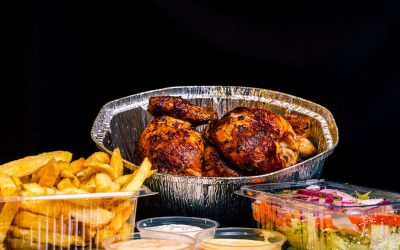
A dedicated countertop roaster frees up your main oven, cooks large cuts of meat or a full tray of vegetables more evenly, and uses less energy than running a full-size oven for a small meal. A baking steel transforms an ordinary oven into something closer to a pizzeria deck oven, giving you crisp, well-browned crusts on pizza, bread, and even reheated leftovers. A grease splatter guard protects your stovetop, backsplash, and countertops from the mess that comes with frying, searing, and sautéing.
None of these items require a huge investment, but each one solves a specific, recurring kitchen problem. Buying them thoughtfully, rather than grabbing the first option you see, is what keeps the whole setup affordable.
Set Your Priority Order Before You Shop
Most budget-conscious cooks don’t need all three items on day one. Deciding what matters most to your actual cooking habits keeps you from overspending on gear that will sit unused.
- Cook large meals or roasts often? Start with a countertop roaster. It’s the biggest quality-of-life upgrade for holiday meals, meal prep, and freeing up oven space.
- Bake pizza, bread, or reheat crispy leftovers regularly? A baking steel is the better first purchase, since it dramatically improves crust texture with almost no extra effort.
- Fry bacon, sear meat, or cook with a lot of oil? A splatter guard is the cheapest and fastest fix for a messy stovetop, and it’s worth grabbing early since it’s usually the least expensive of the three.
If your budget only allows one purchase this month, pick the item that solves the problem you run into most often, then add the other two later.
How to Budget for Each Piece of Equipment: Step by Step
- Set a total spending ceiling first. Before browsing, decide how much you’re willing to spend across all three items combined. This keeps you from overspending on one item and having nothing left for the others.
- Split the budget by priority, not by equal thirds. If the countertop roaster matters most, give it the largest share of the budget. Splatter guards are inexpensive almost everywhere, so they rarely need a big allocation.
- Compare capacity to household size before comparing price. A countertop roaster that’s too small for your household will get replaced within a year, which costs more in the long run than paying slightly more upfront for the right size.
- Check material quality on the baking steel. Thickness affects heat retention and durability. A thinner, cheaper steel can still work well for occasional pizza nights, but frequent bakers benefit from investing a bit more here.
- Match the splatter guard mesh size to your cookware. A guard that’s too small for your largest skillet won’t do its job. Measure your most-used pan diameter before buying.
- Watch for seasonal sales and bundle deals. Kitchenware often drops in price around major holidays. Waiting a few weeks for a sale can meaningfully lower your total spend.
- Read return policies before buying secondhand or discounted items. Open-box and clearance items can be great budget finds, but only if you can return them if they arrive damaged.
- Buy one item at a time if your budget is tight. There’s no rule that says you need all three at once. Spacing purchases out over a few months keeps each decision more deliberate and less rushed.
What to Look for in a Budget Countertop Roaster
Countertop roasters vary widely in size, wattage, and features, but a few basics matter more than flashy extras when you’re shopping on a budget:
- Capacity that matches your household. A roaster too small for a whole chicken or a full tray of vegetables will frustrate you quickly, while an oversized one wastes counter space and energy for smaller meals.
- Simple, reliable controls. Digital touchscreens with dozens of presets add cost. A roaster with basic temperature and timer dials often performs just as well for a fraction of the price.
- Easy-to-clean interior. A removable, dishwasher-safe pan saves time and keeps the appliance in usable condition longer, which protects your investment.
- Even heat distribution. Look for user reviews that specifically mention consistent browning, since uneven heat is a common complaint on cheaper models.
For side-by-side comparisons of models that balance price and performance, browse our roundup of countertop roasters to see which capacities and price points fit your kitchen.
What to Look for in a Budget Baking Steel
A baking steel doesn’t need bells and whistles to perform well, but a few specs directly affect results:
- Thickness. Steels in the quarter-inch range retain heat well without being too heavy to maneuver in and out of the oven. Thinner steels are lighter and cheaper but lose heat faster between bakes.
- Size relative to your oven rack. Measure your oven interior before buying so the steel fits with enough clearance for air circulation around the edges.
- Pre-seasoned or raw steel. Pre-seasoned steels cost slightly more but are ready to use immediately, while raw steel requires seasoning before first use, similar to cast iron.
- Handles or edge cutouts. These make it much easier and safer to remove a very hot steel from the oven.
If crisp crusts and better bread are the goal, compare options in our guide to baking steels for ovens, which breaks down thickness and price differences across popular picks.
What to Look for in a Budget Grease Splatter Guard
Splatter guards are simple tools, but a few details separate a good budget pick from one that ends up in a drawer unused:
- Mesh fineness. A finer mesh blocks more grease but can slightly reduce airflow, which affects how food browns underneath. Medium mesh is a solid middle ground for most cooking.
- Handle material and heat resistance. Silicone or heat-resistant plastic handles stay cool to the touch, while metal handles can get hot during long cooking sessions.
- Diameter versatility. Guards with folding or adjustable edges can fit multiple pan sizes, which is useful if you cook with more than one skillet regularly.
- Ease of cleaning. Dishwasher-safe guards save time, especially if you use them daily for frying or searing.
To compare mesh types and sizes at different price points, see our roundup of grease splatter guards before you buy.
Common Budget-Shopping Mistakes to Avoid
- Buying the cheapest option without checking dimensions. A countertop roaster or baking steel that doesn’t physically fit your kitchen space or oven is money wasted, no matter how low the price.
- Skipping reviews that mention durability over time. Star ratings alone don’t tell you whether an item holds up after a few months of regular use. Look specifically for longer-term feedback.
- Ignoring warranty coverage. Even budget appliances should come with some manufacturer warranty. A missing or very short warranty can be a red flag about build quality.
- Overbuying capacity you don’t need. A larger roaster costs more to run and store. Match the size to your actual household, not to a hypothetical future need.
- Forgetting about storage space. A baking steel is heavy and a splatter guard is bulky. Make sure you have a realistic place to store each item before buying.
Simple Ways to Stretch Your Budget Further
- Shop end-of-season clearance sales, when retailers discount kitchen appliances to make room for new inventory.
- Check open-box and refurbished listings from reputable retailers, which often include the same warranty as new items at a reduced price.
- Wait for major shopping holidays, when kitchenware discounts are typically deepest.
- Buy versatile pieces first. A mid-size countertop roaster or a standard rectangular baking steel tends to fit more use cases than niche shapes or sizes, giving you more value per dollar.
Frequently Asked Questions
Do I need to buy all three items at once?
No. Prioritize based on which problem affects your cooking most often, then add the other pieces over time as your budget allows.
Is a thinner, cheaper baking steel worth buying?
Yes, for occasional bakers. A thinner steel still improves crust texture noticeably over a bare oven rack, even if it doesn’t retain heat quite as long as a thicker one.
Will a splatter guard actually keep my stovetop cleaner?
Yes, a well-fitted splatter guard significantly reduces the grease that lands on your stovetop and surrounding surfaces, especially during frying or high-heat searing.
What size countertop roaster should I get for a small household?
For one to two people, a smaller-capacity roaster is usually enough and costs less to purchase and operate. Larger households or frequent entertainers benefit from sizing up.
How do I know if a baking steel will fit my oven?
Measure the interior width and depth of your oven rack before purchasing, leaving at least an inch of clearance on each side for proper air circulation.
Final Thoughts
A functional, budget-friendly oven and baking setup comes down to prioritizing the equipment that solves your most frequent kitchen frustration first, then shopping deliberately for size, material quality, and durability rather than just the lowest price tag. Whether you start with a countertop roaster, a baking steel, or a splatter guard, taking the time to compare real options before buying will save you money and frustration in the long run.