
Between an air fryer, a coffee maker, a stand mixer, and a rotating cast of pots and pans, most kitchen counters end up looking like a storage unit rather than a workspace. If you love cooking with countertop appliances but hate the clutter they leave behind, the fix usually isn’t a bigger kitchen — it’s a smarter system. Pairing a well-organized pot holder set with a dedicated kitchen appliance shelf can free up prep space, reduce daily frustration, and make your kitchen feel intentional instead of chaotic.
This guide walks through why a cluttered counter slows you down, how to think about pairing multi-use accessories, and a step-by-step plan for setting up a countertop system that actually works for how you cook.
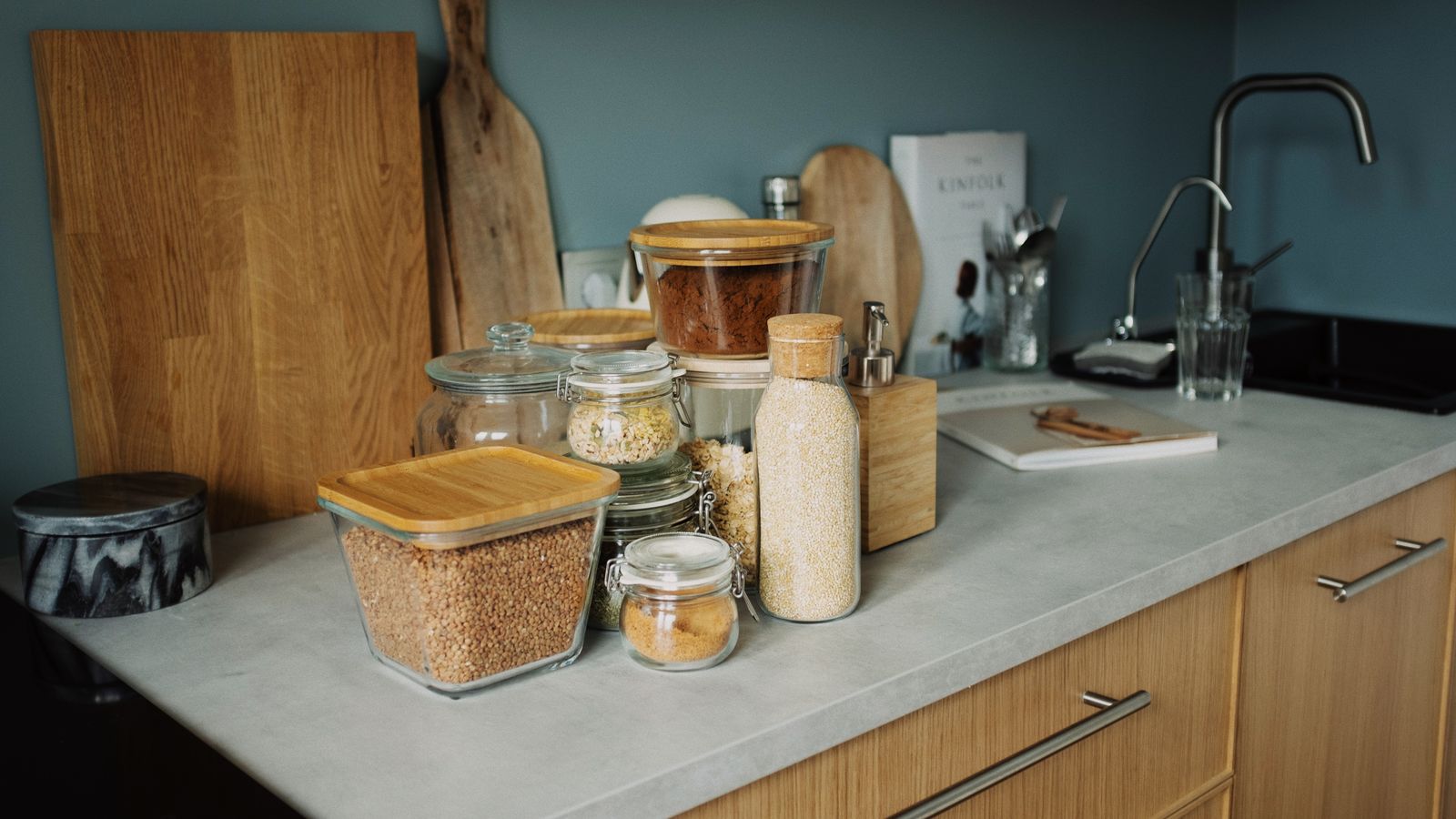
Why a Busy Countertop Slows You Down
A crowded counter doesn’t just look messy — it actively works against you every time you cook. When there’s no clear landing spot for a hot pan or no easy way to grab a pot holder before pulling a tray out of the oven, small tasks take longer and feel more stressful than they should. Over time, that friction adds up.
- Lost prep space: Appliances left out permanently eat into the flat surface you need for chopping, mixing, and plating.
- Safety risks: Reaching for a pot holder that’s buried in a drawer, or setting a hot dish directly on a counter, increases the odds of burns or scorched surfaces.
- Decision fatigue: A visually cluttered space makes it harder to think clearly about what to cook and how to move through a recipe efficiently.
- Appliance damage: Devices stacked on top of each other or crammed into cabinets are more likely to get knocked over or have their cords tangled and stressed.
The goal of simplifying your setup isn’t to hide every appliance away — it’s to give each tool a defined “home” so your counter can flex between storage mode and active cooking mode without a full reorganization every time.
The Multi-Use Accessory Pairing Strategy
Rather than buying single-purpose gadgets for every task, the most effective countertop systems are built around a small number of flexible accessories that pull double duty. Two of the most useful categories are heat-safe textiles and vertical storage.
Pot Holders as a Flexible Heat-Management Layer
A matching pot holder set does more than protect your hands. A well-chosen set can double as a landing pad for hot air fryer baskets, a trivet for serving dishes straight from the oven, and a quick buffer between a hot appliance and a laminate counter that shouldn’t take direct heat. Look for a set that includes at least one oversized mitt or pad, since air fryer baskets and trays tend to be bulkier than a standard saucepan handle.
Keeping pot holders on a wall hook or in a drawer immediately next to your air fryer or toaster oven means you’re never tempted to grab a dish towel in a hurry — a common cause of kitchen burns.
Vertical Shelving to Reclaim Counter Real Estate
The single biggest lever for decluttering a countertop is going vertical. A dedicated kitchen appliance shelf lets you stack or tier appliances so a coffee maker, air fryer, and blender each get their own footprint without spreading across the entire counter. Many shelving units also include built-in cord management, which solves one of the messiest parts of an appliance-heavy kitchen.
When shopping for a shelf, prioritize:
- Weight rating: Air fryers and stand mixers are heavy; confirm the shelf can support your heaviest appliance with margin to spare.
- Ventilation: Appliances that generate heat, like air fryers and toaster ovens, need airflow around them, so avoid fully enclosed shelving for those items.
- Footprint match: Measure your counter depth before buying — an oversized shelf can make a small kitchen feel more cramped, not less.

Step-by-Step: Setting Up Your Simplified Countertop
- Audit what you actually use weekly. Pull every appliance off the counter and sort them into “daily,” “weekly,” and “occasional” piles. Anything in the occasional pile is a candidate for cabinet storage rather than counter or shelf space.
- Measure your available footprint. Measure the width, depth, and height of the counter zone and any nearby wall space you’re willing to use for shelving or hooks. Bring these measurements with you when shopping.
- Choose your appliance shelf. Pick a shelf sized for your daily-use appliances only, leaving the weekly and occasional items in a cabinet. A tiered or two-shelf unit works well for stacking a coffee maker above a toaster or air fryer.
- Install with ventilation in mind. Position heat-generating appliances with a few inches of clearance on all sides, and never stack an appliance directly beneath another one that vents hot air.
- Add your pot holder station. Hang or store your pot holder set within arm’s reach of the appliances you use most, ideally on a hook or in a shallow drawer right beside the shelf.
- Route and secure cords. Use the shelf’s built-in cord channels, or add adhesive clips along the back edge, so cords don’t dangle across the counter or create a tripping hazard.
- Add a hands-free reference point. If you follow recipes while cooking, a stand for your phone or tablet keeps your workspace clear of propped-up devices. A dedicated recipe tablet holder frees up counter space that would otherwise be taken up by a phone leaned against a jar or bottle.
- Do a one-week test run. Live with the new setup for a week before making further changes. You’ll quickly notice if an appliance needs to move closer to its outlet or if the pot holders need a more accessible spot.
Tips for Keeping the System Working Long-Term
- One-in, one-out rule: When a new appliance or gadget comes into the kitchen, retire one that’s no longer earning counter space.
- Wipe down the shelf weekly: Appliance shelves collect grease and dust faster than open counters because airflow is more limited — a quick wipe keeps things looking (and functioning) better.
- Rotate pot holders seasonally: Heavy-duty cooking seasons (holiday baking, for example) may call for a second pot holder set in rotation so one is always clean and ready.
- Keep a clear “hot zone.” Reserve a specific patch of counter directly in front of your appliance shelf as a landing spot for hot dishes, using your pot holders as the buffer.
Common Mistakes to Avoid
- Overloading a single shelf. Cramming every appliance onto one shelf defeats the purpose — if you can’t easily lift an appliance off without shuffling others, the shelf is too small.
- Blocking ventilation. Placing an air fryer or toaster oven flush against a wall or under a low shelf can trap heat and shorten the appliance’s lifespan.
- Choosing pot holders that don’t match your appliance sizes. Thin, small mitts aren’t enough protection for a hot air fryer basket — look for a set with at least one larger, thicker pad.
- Skipping the trial period. Committing to a permanent shelf placement before testing your daily workflow for a week often leads to a second round of rearranging.
- Ignoring cord length. A shelf placed too far from an outlet forces cords to stretch across the counter, undoing all the decluttering work.
Frequently Asked Questions
Do I need a matching pot holder set, or can I mix and match?
A matching set isn’t required, but it does make it easier to keep pieces together in one spot instead of scattered across drawers. The more important factor is having at least one oversized, heat-rated pad or mitt for bulky items like air fryer baskets.
How many appliances should go on a kitchen appliance shelf?
Stick to the appliances you use at least a few times a week. Occasional-use items like a waffle iron or ice cream maker are usually better stored in a cabinet and brought out only when needed, keeping the shelf from becoming as cluttered as the counter it replaced.
Is it safe to stack appliances on a shelf?
Stacking is fine for appliances that don’t generate significant heat, like a coffee maker above a blender. Avoid stacking anything directly above or below an air fryer, toaster oven, or other heat-venting appliance unless the shelf is specifically designed with ventilated tiers.
Where should I position my recipe tablet or phone while cooking?
Keep it off the counter surface entirely if you can. A dedicated stand mounted near eye level, but clear of splatter zones, keeps your hands free and protects the screen from grease and steam.
How often should I reorganize my countertop setup?
Revisit your setup every few months, or whenever your cooking habits change significantly — for example, after adding a new appliance or shifting to more frequent home cooking. A quick seasonal check keeps the system from drifting back into clutter.
A simplified countertop isn’t about owning fewer appliances — it’s about giving every tool a clear, accessible place so your kitchen works with you instead of against you. Start with a shelf sized to your daily essentials, keep a heat-ready pot holder set within reach, and clear the rest off the counter entirely. The result is a workspace that’s faster to cook in, safer to use, and far less stressful to look at every morning.