
Shopping for an air fryer sounds simple until you realize your household isn’t a generic household at all. A single person cooking solo has different needs than a newlywed couple sharing counter space for the first time, and a tiny kitchen with low cabinets adds a physical constraint that no amount of enthusiasm can overcome. If you’ve ever stood in an aisle (or stared at a cart online) trying to figure out which air fryer actually fits your life and your wallet, this guide is built for you.

The good news is that budgeting for an air fryer doesn’t mean settling for the cheapest model you can find. It means matching the right size, features, and price point to how you actually cook, day in and day out. This guide walks through a repeatable process for shopping smart, whether you’re outfitting a studio apartment, working around low cabinets, or setting up your very first shared kitchen.
Step 1: Define Your Household Situation First
Before comparing prices or reading a single spec sheet, get honest about who is actually using this appliance and where it will live. Three household situations come up again and again, and each one changes what “budget-friendly” really means.
- Solo cooking: Smaller portions, fewer dishes per week, and a strong preference for something that reheats leftovers without wasting energy on a half-empty basket.
- Tight kitchen storage: Low cabinets, shallow counters, or a kitchen shared with other appliances mean physical clearance matters as much as capacity.
- New shared households: Newlyweds or new roommates are often cooking for two, building a kitchen from scratch, and trying to avoid duplicate purchases or buyer’s remorse.
Once you know which category best describes your situation, it becomes much easier to filter out air fryers that look appealing but don’t actually fit.
Step 2: Set a Realistic Budget Range Before You Browse
It’s tempting to start browsing first and set a budget later, but that order usually backfires. Retail listings are designed to nudge you toward upsells, bundle deals, and “just a little more for extra features” thinking. Instead, decide on a firm price range before you open a single product page.
A workable approach is to split your budget into three tiers: an entry-level price you’d be comfortable with if you rarely cook, a mid-range price if air frying will become a weekly habit, and a stretch price only if a specific feature (like a larger basket or dual zones) genuinely solves a problem you have. Write these numbers down. Having them in front of you prevents scope creep once you start comparing models.
Step 3: Shop by Capacity, Not by Marketing Claims
Air fryer capacity is usually listed in quarts or liters, but those numbers don’t always translate cleanly into “how much food fits.” A basket rated at a certain capacity may still cook unevenly if you overcrowd it, which matters more for a household of one or two than for a large family.
If you’re cooking primarily for yourself, a compact air fryer is often the smarter budget choice: it costs less, heats up faster, and uses less counter space. If you’re setting up a kitchen for two, you’ll want enough capacity to cook a full meal in one batch rather than running two cycles back to back, which wastes both time and electricity. For a deeper breakdown of models sized specifically for solo cooking, the air fryers for one person roundup is a useful starting point before you commit to a size.
Step 4: Measure Before You Buy, Especially With Low Cabinets
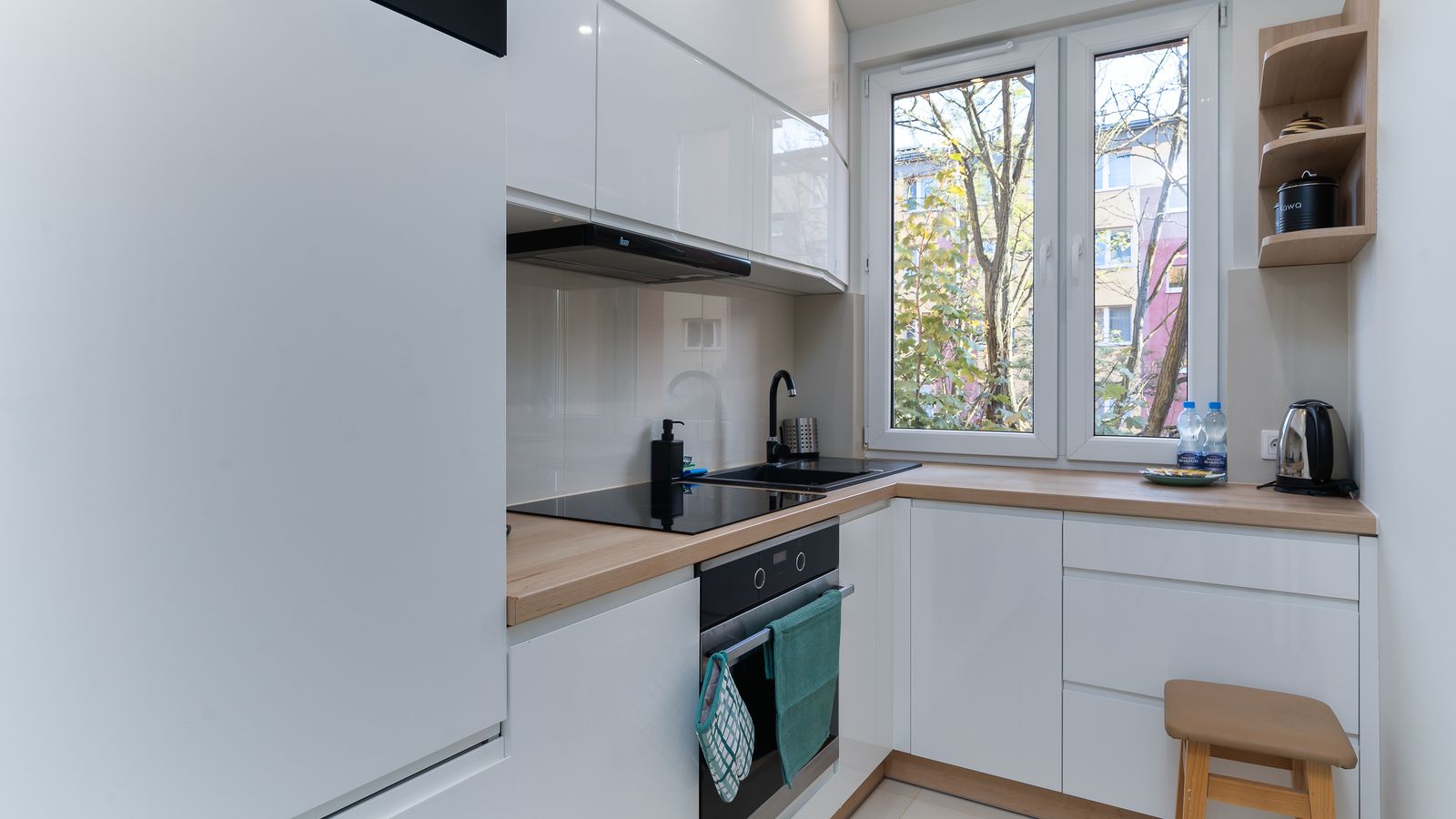
This step gets skipped more often than any other, and it’s the one that causes the most returns. Air fryers vent hot air out of the top, and many models need several inches of clearance above the unit to operate safely and avoid damaging cabinet finishes over time. If your kitchen has low-hanging cabinets, this isn’t optional – it’s a hard constraint.
- Measure the vertical space between your counter and the bottom of your cabinets.
- Measure the depth of your counter to confirm the appliance won’t overhang the edge.
- Check the manufacturer’s minimum clearance requirement, usually listed in the product manual or spec sheet.
- Subtract a few extra inches as a safety buffer, since published clearance numbers are often the bare minimum.
Low-profile and horizontal-style air fryers exist specifically for this problem, and they’re worth comparing side by side before you buy. The air fryers for low ceilings cabinets guide covers models designed to work within tighter vertical clearances without sacrificing cooking performance.
Step 5: Prioritize Features That Actually Save Money Over Time
Budget shopping isn’t only about the sticker price – it’s about total cost over months of use. A few features are worth paying slightly more for because they reduce waste or extend the appliance’s usefulness:
- A removable, dishwasher-safe basket saves time and reduces the temptation to skip cleaning, which shortens an appliance’s lifespan.
- A simple, reliable dial or button interface tends to break down less often than touchscreen panels, especially on lower-cost models.
- Even heating design reduces the need to shake or flip food halfway through, which matters more the more often you cook.
Skip features you won’t realistically use, like elaborate preset menus for dishes you rarely make. Every unused feature is money that could have gone toward better build quality instead.
Step 6: Building a Kitchen Together? Avoid Duplicate Purchases
Newlyweds and new roommates face a specific budgeting trap: buying two of everything because neither person wants to give up their old appliance, or buying one impulsively before agreeing on what the household actually needs. Before purchasing, have a short conversation about cooking habits – how often you’ll cook together, whether you’ll batch-cook on weekends, and how much counter space you’re both willing to dedicate to a single appliance.

Choosing one shared appliance thoughtfully is almost always cheaper than each person buying their own smaller unit later. If you’re furnishing a first kitchen together, the air fryers for newlyweds guide is built around exactly this scenario, comparing models sized and priced for two people starting out.
Step 7: Compare Prices Across a Few Retailers, Then Stop
Once you’ve narrowed your options down using the steps above, resist the urge to keep endlessly comparison-shopping. Check two or three retailers, note any seasonal discounts, and set a deadline for yourself. Budget shopping is meant to save money and mental energy – spending weeks chasing a slightly better deal often costs more in time than it saves in dollars.
Common Mistakes to Avoid
- Buying based on capacity alone. A larger basket sounds appealing, but if it doesn’t fit your counter or cabinet clearance, it becomes a storage problem instead of a convenience.
- Ignoring wattage and cook times. Lower-wattage budget models often take longer to cook the same food, which can offset any electricity savings.
- Skipping the clearance check. This is the single most common cause of returns among shoppers with low cabinets or compact kitchens.
- Assuming cheaper always means better value. The lowest-priced model isn’t a bargain if it needs replacing within a year.
- Not planning for cleanup. A basket that’s difficult to clean often gets used less often, regardless of how good a deal it was.
A Simple Budget Shopping Checklist
- Identify your household situation: solo, tight kitchen, or newly shared.
- Set a firm budget range before browsing any listings.
- Match capacity to how many people you’re actually cooking for.
- Measure counter depth and cabinet clearance if space is limited.
- Prioritize durable, low-maintenance features over flashy extras.
- Discuss shared-use needs with a partner or roommate before buying.
- Compare a handful of retailers, then commit to a decision.
Frequently Asked Questions
How much should I budget for a first air fryer?
It depends heavily on household size and features, but the process above – setting tiers before browsing – matters more than any specific number. A compact model for one person will almost always cost less than a larger dual-basket unit meant for a household of two or more.
What’s the biggest budgeting mistake people make?
Buying based on price alone without checking clearance and capacity first. A “cheap” air fryer that doesn’t fit your kitchen or constantly runs multiple cooking cycles ends up costing more in wasted time and electricity.
Do low-cabinet kitchens require a special type of air fryer?
Not necessarily a special type, but definitely careful measuring. Some horizontal or low-profile designs are built with reduced top clearance needs, which makes them a safer choice for kitchens with low-hanging cabinets.
Should couples buy one air fryer or two smaller ones?
In most cases, one well-chosen, appropriately sized air fryer is more budget-friendly than two smaller units. It reduces counter clutter, cuts down on duplicate spending, and is usually enough capacity for two people cooking together.
How do I know if an air fryer will actually save me money long-term?
Look at build quality, ease of cleaning, and whether the capacity matches your actual cooking habits. An appliance that gets used consistently and lasts for years is a better long-term value than one bought purely for its low upfront price.
Budgeting for an air fryer doesn’t have to mean compromising on what actually works for your kitchen. By defining your household situation first, measuring your space, and matching capacity to real cooking habits, you can shop with confidence instead of guesswork – and land on an appliance that fits your routine for years, not just your first week of use.