
Drawer-style air fryers are the design most people picture when they hear the term: a pull-out basket that slides into a compact countertop unit. But not every drawer model is built the same way, and the feature set behind that familiar basket can vary enormously – from bare-bones dial timers to touchscreen units with smart app control and multiple preset cooking modes. If you are trying to figure out which drawer-style air fryer actually fits how you cook, this guide walks through the differences that matter and gives you a clear process for choosing the right one.
What Makes Drawer-Style Air Fryers Different
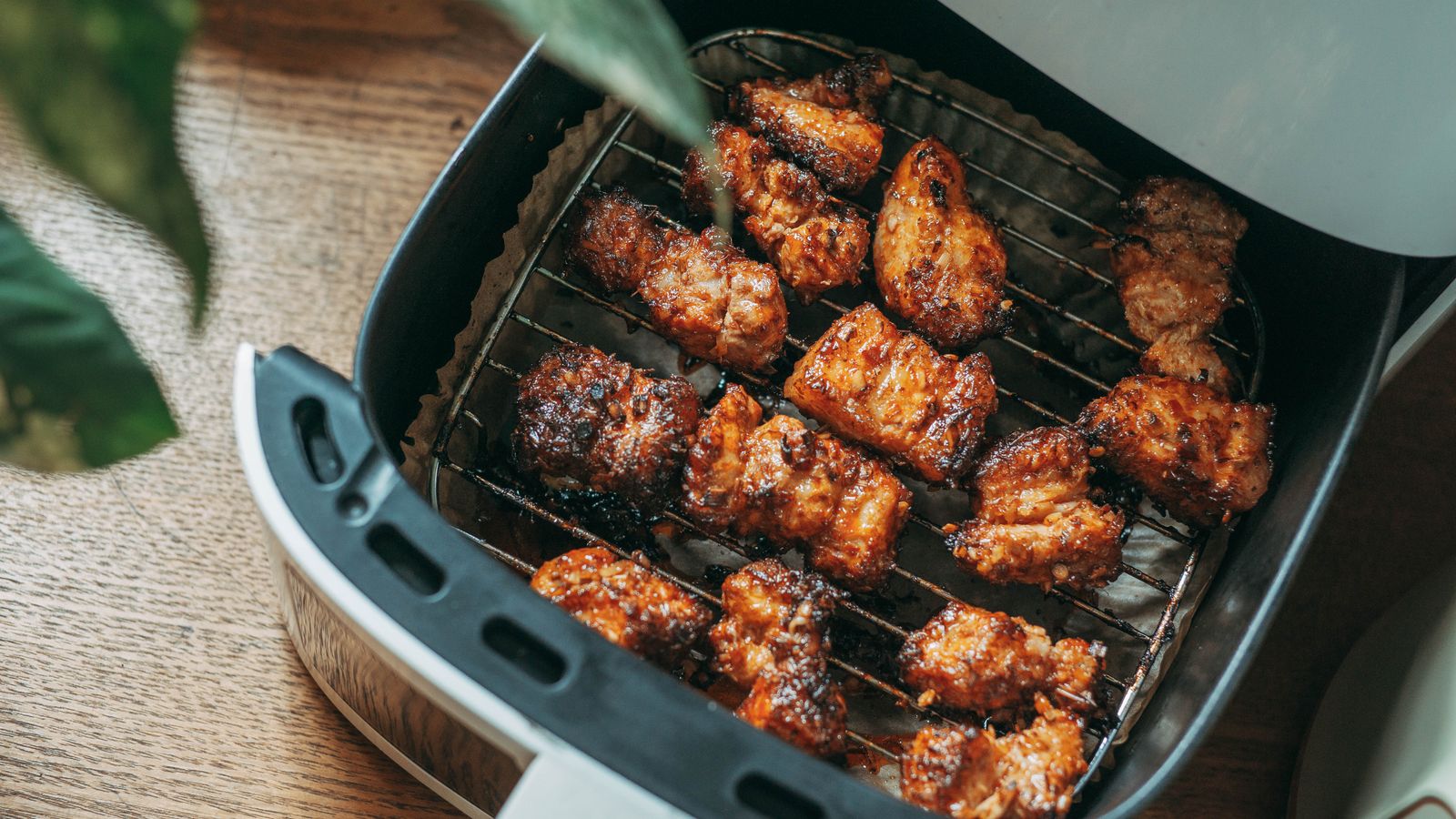
A drawer-style air fryer uses a pull-out basket that sits inside a countertop housing, with the heating element mounted above. You slide the basket out to load food, then push it back in to cook. This is different from oven-style (or toaster-oven-style) air fryers, which use a front-hinged door and internal racks similar to a small convection oven.
The drawer format tends to offer a few structural advantages: a smaller overall footprint for a given cooking capacity, faster preheat times because the cooking chamber is compact, and a simpler shake-and-check workflow since you can pull the drawer, shake the basket, and slide it back in one motion. The tradeoff is usually less versatility for bulkier items like a whole rotisserie chicken or a full sheet of cookies, since the drawer shape limits vertical clearance and horizontal footprint.
Within the drawer-style category, though, feature sets diverge widely. Some units are strictly single-function fry baskets. Others fold in bake settings, dehydrate modes, reheat cycles, and connected app control. Understanding your own feature priorities before you shop is the fastest way to avoid buying something that either underdelivers or overpays for functions you will never touch.
Key Selection Criteria for Drawer-Style Models
1. Basket Size and Household Fit
Drawer capacity is usually listed in quarts, and it directly determines how much food you can cook in a single batch. A 2-3 quart basket suits one or two people cooking small portions like a handful of fries or a couple of chicken thighs. A 5-6 quart basket is the sweet spot for most households of three to four, letting you fit a full pound of wings or a modest batch of vegetables without overcrowding. Anything above 7-8 quarts starts to resemble a compact oven and works best for larger families or batch cooking.
Overcrowding the basket is one of the most common reasons air-fried food turns out soggy instead of crisp, so it pays to size up slightly rather than assume you will always cook small portions.
2. App Connectivity and Smart Features
Some drawer-style air fryers now include Wi-Fi or Bluetooth connectivity paired with a companion smartphone app. These let you start, stop, or adjust cook settings remotely, follow guided recipes with automatically synced times and temperatures, and receive notifications when food is done. If you cook frequently and like recipe-driven convenience, this can genuinely simplify weeknight meals. If you mainly want a simple dial-and-basket experience, app connectivity adds cost and complexity without much daily benefit.
For a closer look at how these connected units compare, see our roundup of air fryers with smart apps.

3. Versatility Beyond Frying
Many modern drawer-style units are no longer limited to frying. Bake settings let you make small cakes, muffins, or crisps directly in the basket. Roast and broil settings expand what you can cook without a second appliance. If versatility matters to you, prioritize models that clearly list multiple cooking modes rather than a single fry function, and check user reviews to confirm those modes perform well in practice rather than existing only on the settings dial.
If baking flexibility is a priority, browse our guide to air fryers with bake settings to compare models built specifically for that.
4. Control Type and Ease of Use
Drawer-style models come with either a manual dial, digital touch buttons, or a touchscreen display. Dials are simple and reliable but offer less precision. Digital controls typically add presets for common foods (fries, chicken, fish, vegetables) that automatically set time and temperature. Touchscreens add a modern feel and often pair with the smart app features mentioned above. Choose based on how much you value quick presets versus manual control.
5. Cleaning and Maintenance
Because the basket is the primary cooking surface, look for a nonstick coating rated for dishwasher use, and check whether the heating element above the basket is exposed or shielded – exposed elements can catch grease splatter and require more frequent wiping. A drawer that separates fully from its outer housing is generally easier to clean than one with fixed internal parts.
Step-by-Step: Choosing Your Drawer-Style Air Fryer
- Estimate your typical batch size. Count how many people you usually cook for and pick a basket size that fits that portion without stacking food.
- Decide if you want app control. If remote start, guided recipes, or notifications appeal to you, shortlist connected models; otherwise stick with a simpler digital or dial control to save money.
- List the cooking modes you actually use. If you bake often, prioritize bake settings. If you only fry, a simpler feature set may serve you just as well at a lower price.
- Compare basket depth and shape. A wider, shallower basket generally crisps food more evenly than a tall, narrow one because it allows better air circulation around each piece.
- Check dishwasher-safe parts. Confirm the basket and any pan inserts can go in the dishwasher if that matters to your routine.
- Read the fine print on wattage and preheat time. Higher wattage generally means faster preheating and more consistent crisping, especially with larger baskets.
- Compare a shortlist against dedicated roundups. Once you have narrowed your criteria, browse a focused list of drawer style air fryers to see how specific models stack up on these exact points.
Common Mistakes to Avoid
- Buying based on price alone. A cheap drawer-style fryer with too small a basket often costs more in the long run because you end up cooking in multiple batches, using more time and energy.
- Ignoring counter clearance. Drawer-style units need space in front of the unit to fully extend the basket – measure your counter depth before buying.
- Overpaying for unused smart features. App connectivity is genuinely useful for some cooks, but if you know you will never open the app, that premium is better spent on a larger basket or better build quality.
- Assuming all “bake settings” perform equally. Some units bake competently; others struggle with even heat distribution in small baking pans. Check reviews before assuming a bake preset will replace your oven for delicate recipes.
- Skipping the cleaning check. A drawer that is hard to disassemble or hand-wash-only will quickly become a chore, reducing how often the appliance actually gets used.
Frequently Asked Questions
Are drawer-style air fryers better than oven-style models?
Neither style is universally “better” – it depends on your priorities. Drawer-style units are usually more compact and faster to preheat, while oven-style models offer more capacity and versatility for larger or bulkier foods. If countertop space and quick weeknight cooking matter most, drawer-style is typically the better fit.
Do I need a smart app to get good results from a drawer-style air fryer?
No. App connectivity is a convenience feature, not a requirement for good cooking results. A well-built basket, adequate wattage, and correct batch sizing matter far more to final food quality than whether the unit connects to Wi-Fi.
What basket size should a couple buy?
Most couples do well with a 4-5 quart basket, which comfortably fits two typical portions without needing to cook in multiple rounds for most meals.
Can a drawer-style air fryer replace my toaster oven?
If you choose a model with bake and roast settings, it can replace a toaster oven for many everyday tasks. However, if you regularly cook large sheet-pan meals or multi-rack batches, an oven-style unit or your existing toaster oven may still serve you better for those specific jobs.
How do I know if a feature set is worth the higher price?
Match the feature list against how you actually cook during a typical week. If you would regularly use app control, multiple presets, and bake settings, the added cost is likely worthwhile. If you mainly fry a few staple foods, a simpler and less expensive model with a well-sized basket will usually serve you just as well.
Final Thoughts
Choosing the right drawer-style air fryer comes down to matching basket size, control type, and feature set to how you genuinely cook – not to the longest spec sheet on the shelf. Start with your typical batch size, decide how much you value app connectivity and extra cooking modes, and then compare shortlisted models against dedicated roundups to confirm the fit before you buy.