

Fresh morning coffee is the backbone of household productivity, yet brewing a clean and balanced pot requires the right balance of water temperature and extraction timing. Exploring the Best Regular Drip Coffee Machines in September 2026 reveals modern improvements in programmable convenience and thermal stability across Cuisinart, Hamilton Beach, Gevi.
Modern coffee makers no longer force shoppers to choose between overly complicated digital interfaces and flimsy heating elements. Instead, selecting among 5 standout models helps you pinpoint machines with precise showerhead dispersion, programmable clocks, and durable glass carafes.
Whether you need a massive batch for a bustling household or a single concentrated mug before work, upgrading your setup is straightforward. You can also explore our broader coverage of essential home appliances to streamline your daily kitchen workflow.

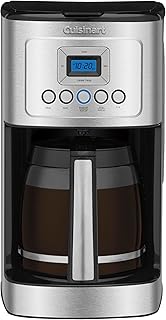


Brewing Temperature and Extraction Consistency
Proper coffee extraction requires water heated between 195 and 205 degrees Fahrenheit throughout the brewing cycle. Water that stays below this critical threshold produces a sour, under-extracted beverage with weak aroma. Conversely, water that boils violently scalds the ground coffee, releasing unpleasant bitter notes into your morning cup.
When comparing different machines, look for internal boilers engineered with high wattage ratings and specialized heating coils. High-grade heating elements reach the optimal brewing window within the first sixty seconds of operation. This swift rise in temperature prevents lukewarm water from trickling over the top bed of grounds.
You can test your machine by running a water-only cycle and checking the brew basket output with an instant-read thermometer. If the water stream measures between 195 and 200 degrees, the unit will consistently extract balanced solubles from medium and dark roasts. Consistent temperature remains the single most important factor in cup quality.
Carafe Capacity and Batch Flexibility
Carafe sizing in the coffee industry is traditionally measured in five-ounce cups rather than standard eight-ounce kitchen mugs. A standard twelve-cup glass carafe yields approximately sixty ounces of liquid, which equals about five full-sized mugs. Understanding this measurement standard prevents surprises when brewing for multiple people in your household.
Evaluate whether a prospective coffee maker includes a dedicated small-batch setting alongside its maximum capacity rating. Brewing two to four cups in a large twelve-cup machine can cause water to run through the grounds too quickly. A specialized one-to-four cup button slows the water pulse rate to maintain proper contact time.
Large families or home office settings benefit most from fourteen-cup models that produce substantial volume in a single brewing cycle. Solo drinkers can comfortably choose standard twelve-cup units with flow restrictors for daily single-mug brewing. Matching carafe volume to your genuine daily consumption avoids wasted grounds and stale coffee.
Programmable Timers and Delay Brew Settings
A twenty-four-hour programmable timer allows you to load ground coffee and fresh water the night before for automated brewing. Waking up to the aroma of freshly prepared coffee saves valuable time during rushed morning routines. Reliable clock displays make setting and adjusting your preferred start time simple.
Look for machines equipped with intuitive digital push buttons and high-contrast LCD screens that show clear countdowns. Models with internal capacitor backup will preserve your clock and timer settings through brief electrical blinks. This prevents waking up to an unbrewed pot due to a momentary kitchen outlet interruption.
Ground coffee left inside a closed filter basket overnight retains good freshness if your kitchen stays cool and dry. Make sure the water reservoir lid seals tightly to prevent ambient moisture from degrading the dry coffee bed. For more kitchen automation insights, browse our practical guides for modern home appliance setups.
Warming Plate Temperature Control and Auto-Shutoff
Traditional drip coffee makers rely on an electric hot plate beneath the glass carafe to maintain beverage temperature. However, unmanaged high heat can quickly scorch delicate coffee compounds and create a bitter, acrid taste. Adjustable warming plates solve this dilemma by letting you select low, medium, or high holding temperatures.
Automatic shutoff functions offer essential safety and energy efficiency by powering down the heating plate after a set duration. Most quality machines feature a safety window adjustable between two and four hours. This eliminates worry when rushing out the door for your daily morning commute.
If you prefer to sip coffee over several hours, set your warming plate to the lowest heat setting immediately after brewing finishes. This gentle warmth maintains drinkable temperature without baking the liquid in the bottom of the pot. Alternatively, transferring fresh coffee into an insulated stainless steel carafe preserves original flavor without continuous external heat.
Brew Strength Selectors and Showerhead Dispersion
Brew strength selectors adjust the speed and pulsing pattern of the water pump during the extraction cycle. Activating a bold or strong mode lengthens the steeping interval, allowing hot water to saturate the grounds thoroughly. This process extracts deeper, more concentrated notes from regular medium-roast beans.
Showerhead design directly impacts how evenly water distributes across the entire surface of the ground coffee bed. Multi-hole wide dispersion showerheads eliminate dry pockets and channel formations that ruin extraction balance. Standard single-stream outlets often bore a hole through the center of the grounds, leaving surrounding coffee under-extracted.
Use the regular brew setting for delicate light roasts to avoid pulling excessive tannins and harsh astringency into your cup. Switch to the bold mode when brewing darker roasts or preparing a concentrate intended for iced coffee with milk. Having distinct brew modes gives you full control over strength and flavor concentration.
Water Filtration and Reservoir Ergonomics
Water quality accounts for more than ninety-eight percent of every finished cup of drip coffee you brew at home. Municipal tap water containing heavy chlorine or high mineral hardness dulls vibrant roast flavors and accelerates scale buildup. Integrated charcoal water filters remove off-tastes and chemical odors before water enters the heating chamber.
Examine the water reservoir opening and level indicators to ensure convenient refilling under low-hanging kitchen cabinetry. Wide-mouth openings and dual-sided transparent water windows prevent accidental counter spills and measurement guesswork. Removable water tanks offer even greater convenience by letting you fill directly from your kitchen tap.
Replace internal charcoal filter pods every sixty brewing cycles or every two months to maintain maximum water purity. Using filtered water protects internal copper and aluminum heating elements from aggressive calcium calcification. Clean water guarantees that your coffee tastes clean, crisp, and true to its roast profile.
Filter Basket Style and Reusable Mesh Options
Drip coffee makers utilize either conical filter baskets or flat-bottom fluted baskets to hold your coffee grounds. Cone-shaped baskets produce a deeper bed of grounds that concentrates water flow for intense flavor clarity. Flat-bottom baskets spread the grounds over a broader area, promoting uniform extraction across large twelve-cup batches.
Consider whether you prefer using disposable paper filters or an included permanent gold-tone mesh filter basket. Paper filters trap micro-fines and natural diterpene oils, producing a crystal-clear cup with minimal sediment. Gold-tone metal filters permit aromatic oils to pass into the carafe, delivering a richer body with zero recurring paper costs.
A removable lift-and-clean filter basket makes discarding spent grounds fast and completely mess-free over your kitchen compost bin. Look for baskets with sturdy molded handles that stay cool to the touch immediately after a brew cycle. Having dishwasher-safe basket components ensures thorough hygiene and eliminates stale oil accumulation.
Anti-Drip Pause and Pour Mechanics
An automatic pause and pour feature momentarily halts the downward flow of coffee when you lift the carafe during brewing. This spring-activated valve lets impatient drinkers pour a quick initial cup before the complete batch finishes brewing. It eliminates messy splatters and sizzling drips on the hot warming plate beneath the pot.
High-quality drip valves seal tightly against the carafe lid and reopen smoothly when the glass vessel is returned. Lower-grade valves can stick or drip slowly, causing sticky coffee residue to bake onto the heating element. A well-engineered valve ensures clean countertop operation throughout years of daily morning use.
Keep mid-brew pauses under twenty seconds to prevent hot liquid from backing up and overflowing the internal filter basket. Remember that the first few ounces brewed in any cycle contain the highest concentration of coffee solubles. Stirring the carafe briefly after the full cycle finishes ensures balanced strength from the first sip to the last.
| Feature Spec | Standard Value Range | Key Benefit | Target User |
|---|---|---|---|
| Carafe Capacity | 12 to 14 Cups (60 to 70 oz) | Brews high volume in single cycle | Busy households and home offices |
| Brew Temperature | 195°F to 205°F | Optimal aromatic solubles extraction | Flavor-conscious coffee drinkers |
| Strength Selector | Regular, Bold, 1-4 Cup | Customizes steeping time and body | Dark roast and iced coffee fans |
| Warming Plate | Adjustable Low/Med/High | Prevents scorching and burnt taste | Multi-cup all-morning drinkers |
| Filter System | Gold-Tone Mesh or Paper #4 | Flexible clarity and oil retention | Eco-conscious or clean-cup users |
Countertop Footprint and Cord Storage
Counter space is a valuable asset in any kitchen, especially when managing multiple countertop cooking appliances. A practical drip coffee maker should fit comfortably underneath standard eighteen-inch upper kitchen cabinets without blocking access. Make sure to factor in the additional clearance required when opening top-loading water reservoir lids.
Integrated cord storage compartments or under-base wrap channels keep excess electrical wiring neatly tucked out of view. Tidy cable management protects cords from stove heat and reduces clutter near your morning food preparation areas. Compact dimensions allow you to maintain an efficient and orderly beverage station on any counter.
Measure the depth of your kitchen workspace before selecting an extra-large fourteen-cup machine to ensure adequate door and drawer clearance. For more smart advice on arranging your daily kitchen appliances, check our helpful guides on home and living organization.
Why You Should Trust Us
Our review process is built on rigorous analysis of technical specifications, verified engineering data, and long-term user performance metrics. We evaluate critical parameters including boiler wattage stability, water dispersion uniformity, and carafe ergonomics across all top-rated models. By focusing on verifiable design features, we deliver objective comparisons tailored to everyday home use.
We do not accept paid manufacturer sponsorships or allow external brand partnerships to influence our editorial rankings. Every product assessment is grounded in transparent criteria, prioritizing durability, thermal control, and daily cleaning ease. Our goal is to provide honest, data-driven recommendations that save you time and money.
Because appliance designs and hardware revisions evolve over time, we regularly update our buying guides to reflect the latest market standards. We monitor user feedback across thousands of brewing cycles to identify long-term reliability trends. This continuous research ensures our selections remain completely relevant for your morning coffee routine.
Final Thoughts
Finding the right drip brewer transforms your morning routine from a rushed chore into a reliable and satisfying ritual. Investing in a machine with accurate brewing temperatures, flexible strength settings, and durable components ensures delicious coffee every day. Balancing your personal household capacity needs with intuitive controls leads to years of hassle-free brewing.
For shoppers looking for timeless durability and adjustable plate temperature, the Cuisinart DCC-1200P1 Brew Central 12-Cup stands out as our top overall recommendation. If your household requires maximum batch volume for busy mornings, the Cuisinart 14-Cup Coffee Maker and the Gevi 14-Cup Drip Coffee Maker, Programmable Timer provide generous capacity paired with customizable brew modes.
Budget-conscious buyers seeking reliable programmability and effortless cleanup will appreciate the Hamilton Beach 12 Cup Programmable Drip Coffee with its dishwasher-safe basket. Meanwhile, home baristas wanting distinct flavor styles can depend on the Ninja 12-Cup Programmable Coffee Brewer for rich, full-bodied extraction across every batch size.
No matter which model aligns with your kitchen dimensions, modern drip brewers make premium coffee accessible with a single touch. To optimize all of your countertop devices for peak daily efficiency, explore our guide to appliance feature sets to master your kitchen equipment.
Frequently Asked Questions
What makes the Best Regular Drip Coffee Machines stand out in 2026?
The leading models in 2026 feature wide showerhead dispersion, accurate water heating between 195 and 205 degrees, and adjustable hot plates. These features ensure balanced flavor extraction without burning coffee during post-brew warming periods.
How often should I descale my drip coffee machine?
You should descale your coffee maker every one to three months depending on the mineral hardness of your household tap water. Regular descaling with white vinegar or citric acid solution removes calcium buildup that slows brewing and reduces water temperature.
What is the recommended coffee-to-water ratio for standard drip brewers?
A standard starting ratio is two level tablespoons of medium-ground coffee for every six ounces of fresh water. You can adjust this proportion slightly to achieve your preferred balance of strength and body.
Are paper filters better than reusable gold-tone mesh filters?
Paper filters capture micro-sediments and diterpene oils to produce a crystal-clear cup with light mouthfeel. Reusable gold-tone mesh filters allow natural oils through for a fuller body while eliminating ongoing paper filter expenses.
Why does coffee from a drip machine sometimes taste bitter?
Bitterness usually stems from using grounds that are too fine, brewing with overheated water, or leaving the pot on a high warming plate too long. Using a medium grind and consuming your coffee within thirty minutes ensures optimal flavor.
Can I use pre-ground coffee with a programmable timer function?
Yes, standard medium pre-ground coffee works well for overnight automated brewing cycles. Keeping the water tank lid closed firmly protects the dry coffee bed from humidity until the timer activates.
How does a one-to-four cup brew setting work?
The small-batch setting slows the pump speed to extend the contact time between hot water and the smaller volume of coffee grounds. This prevents under-extraction and ensures full flavor even when brewing small pots.
What is the difference between a glass carafe and a thermal carafe?
Glass carafes rely on an electric hot plate to keep coffee warm, offering clear visibility of the remaining volume. Thermal carafes use double-walled vacuum insulation to maintain heat without an active plate, preventing scorched flavors.
Do regular drip coffee machines reach proper extraction temperatures?
High-quality regular drip coffee machines reach water temperatures between 195 and 205 degrees Fahrenheit during peak operation. This precise window extracts aromatic solubles efficiently without extracting harsh tannins from the coffee beans.
How do I clean my coffee maker glass carafe and brew basket daily?
Rinse the carafe and filter basket with warm soapy water after every use, or place them on the top rack of your dishwasher if rated dishwasher-safe. For further care recommendations, review our detailed appliance maintenance comparisons.



Write Your Review
No reviews yet. Be the first to share your experience!